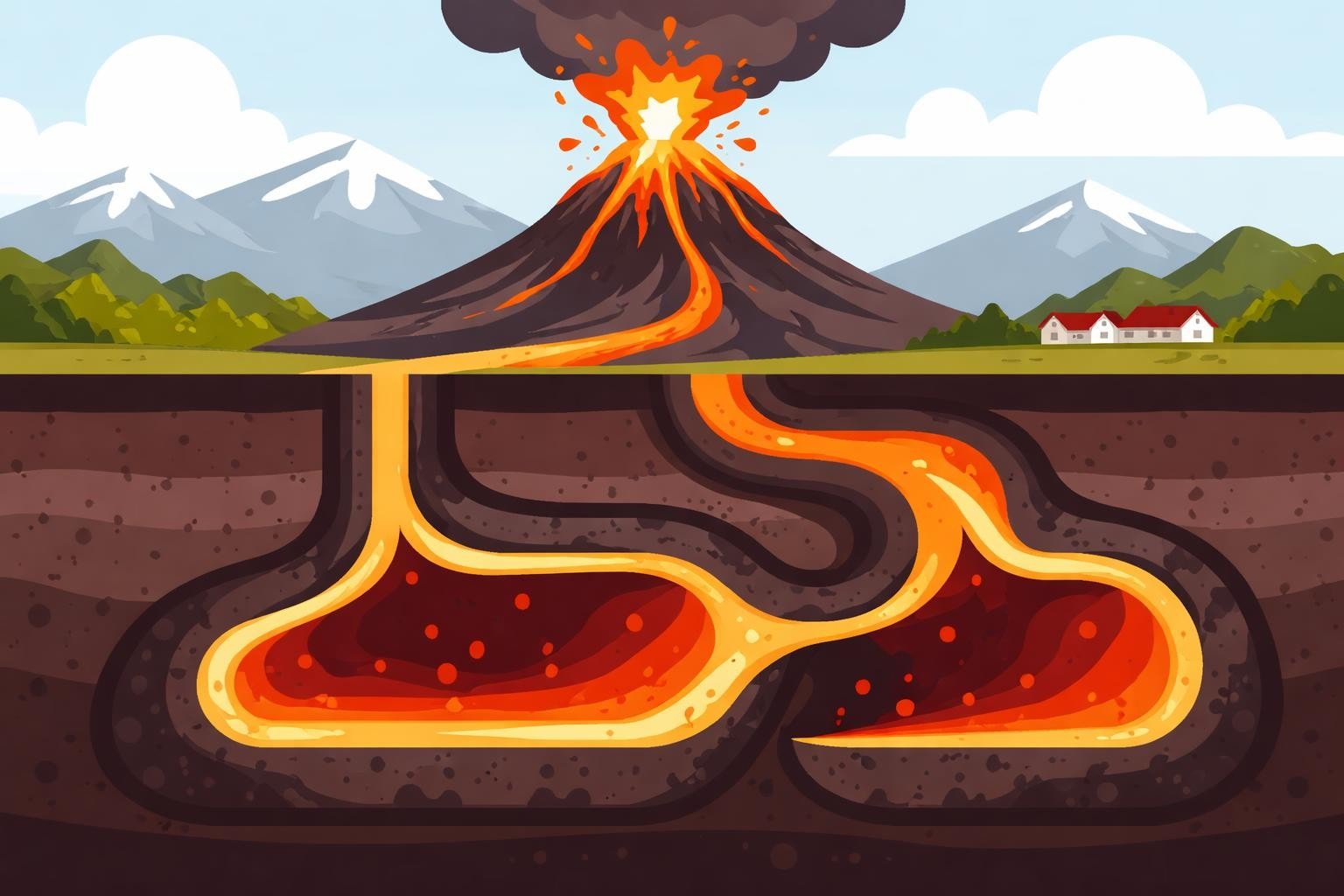
Iceland's volcanic landscape offers travelers extraordinary opportunities to explore geological wonders that few other destinations can match. Among the most captivating natural formations are lava tunnels, underground passages carved by flowing molten rock during volcanic eruptions thousands of years ago. These subterranean corridors provide a window into Iceland's fiery past and create unforgettable experiences for visitors seeking adventure beyond the aurora borealis. Understanding these remarkable geological features enriches any Iceland journey, whether you're chasing northern lights or discovering the island's diverse natural attractions.
Understanding Lava Tunnel Formation and Geology
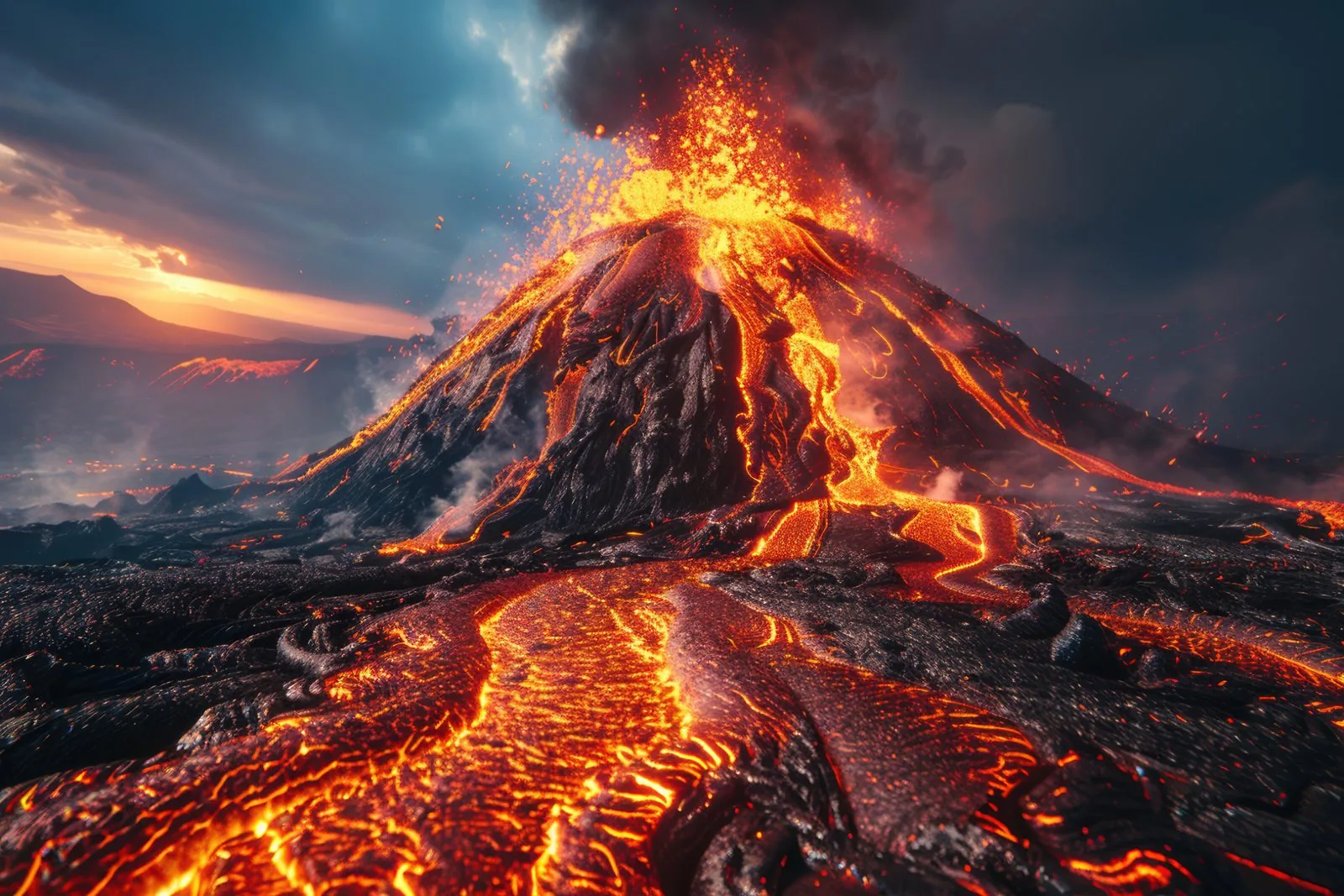
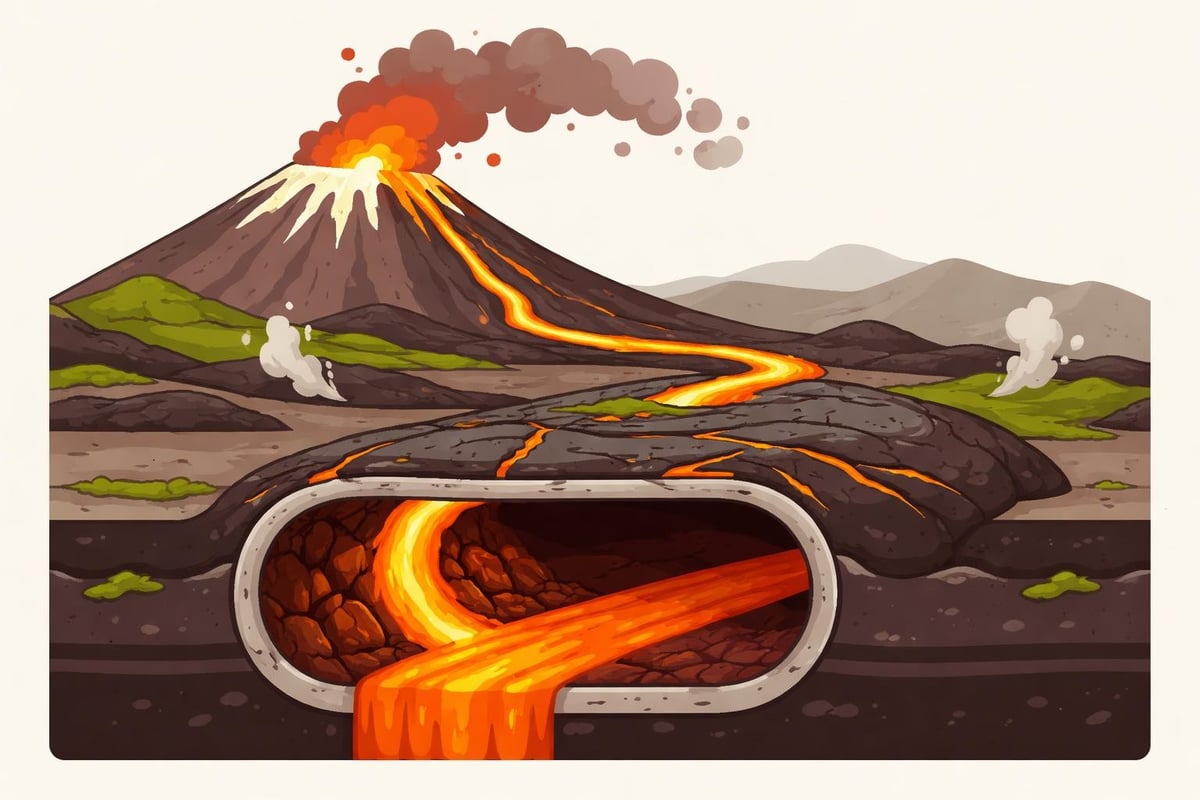
A lava tunnel develops when molten rock flows beneath the Earth's surface during volcanic eruptions, creating hollow passages that can extend for miles underground. The formation of lava caves begins when the outer surface of a lava flow cools and solidifies while the interior continues flowing, eventually draining away to leave behind empty tubes.
The Science Behind Volcanic Passages
The process starts with a basaltic lava flow, which has relatively low viscosity compared to other lava types. As the surface exposed to air or water cools rapidly, it forms a protective crust. The insulated molten rock beneath this hardened shell maintains its temperature and continues flowing downhill, driven by gravity and pressure from the eruption source.
When the eruption subsides or the lava source redirects, the liquid interior drains out through the lower end of the tunnel. This leaves behind a hollow tube with distinctive features that geologists study to understand volcanic activity patterns.
Key characteristics of lava tunnels include:
- Smooth, rope-like formations on walls and ceilings called pahoehoe textures
- Mineral deposits and colorful oxidation patterns
- Multiple levels from different flow events
- Temperature variations that create unique microclimates
- Occasional skylights where the roof has collapsed
The geological processes involved in lava tube development create structures that can remain stable for thousands of years. Iceland's volcanic systems have produced numerous examples, each with distinct characteristics based on the eruption's age, lava composition, and local geological conditions.
Iceland's Most Accessible Lava Tunnels
Iceland boasts several remarkable lava tunnels that welcome visitors throughout the year, each offering unique features and varying difficulty levels. These underground passages provide shelter from Iceland's unpredictable weather, making them excellent alternatives when surface conditions challenge outdoor activities.
Raufarhólshellir: The Lava Tunnel Giant
Located just 30 minutes from Reykjavik, Raufarhólshellir stands as one of Iceland's longest and most accessible lava tunnels. This massive underground passage formed approximately 5,200 years ago during volcanic eruptions from the Leitahraun lava field. The tunnel stretches over 1,360 meters, with sections reaching heights of 10 meters and widths of 30 meters.
| Feature | Description | Visitor Information |
|---|---|---|
| Length | 1,360 meters | 900 meters accessible |
| Formation Age | 5,200 years | Younger than most Icelandic caves |
| Ceiling Height | Up to 10 meters | Cathedral-like chambers |
| Tour Duration | 60-90 minutes | Year-round availability |
| Difficulty | Easy to moderate | Well-maintained pathways |
The tunnel's proximity to the capital makes it perfect for travelers with limited time who want to experience Iceland's geological wonders between northern lights tours.
Víðgelmir: The Cave of Light and Color
Situated in West Iceland's Borgarfjörður region, Víðgelmir presents spectacular displays of colorful rock formations and unusual geological features. This lava tunnel extends 1,585 meters, making it one of Iceland's largest known caves. The volcanic eruption that created Víðgelmir occurred around 900 CE, during Iceland's settlement period.
Víðgelmir's distinctive features include:
- Vibrant mineral deposits creating rainbow-like patterns
- Ice formations that persist year-round in certain sections
- Documented use by humans dating back centuries
- Minimal light pollution making it ideal for cave photography
- Protected status ensuring preservation for future generations
Lofthellir: The Ice Cave Experience
This northern Iceland lava tunnel combines volcanic geology with impressive ice formations. Located in the Lake Mývatn area, Lofthellir requires more adventurous access but rewards visitors with stunning ice sculptures that form within the volcanic rock chambers.
Planning Your Lava Tunnel Adventure
Exploring a lava tunnel requires thoughtful preparation to ensure safety and maximize enjoyment. These underground environments present unique challenges different from surface attractions visitors encounter while traveling Iceland's famous routes like the Golden Circle.
Essential Equipment and Clothing
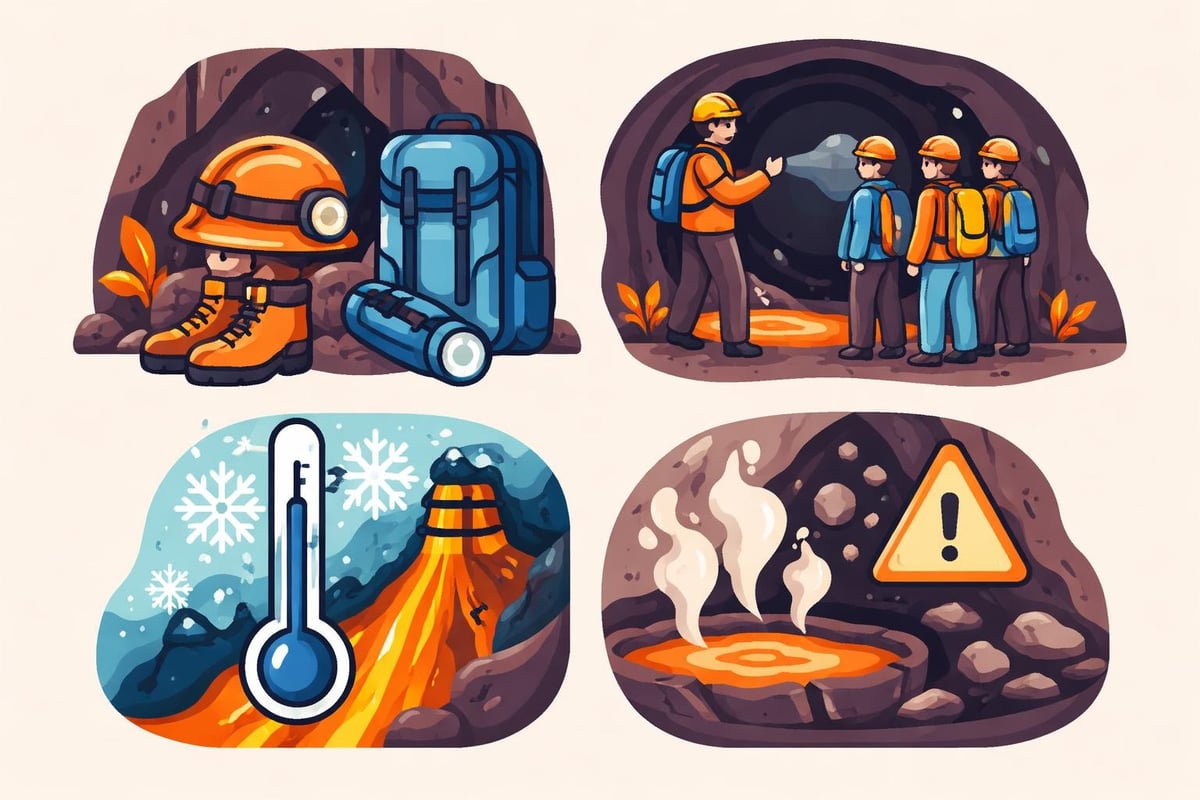
Proper gear makes the difference between an uncomfortable experience and an unforgettable adventure. Lava tunnel temperatures remain constant year-round, typically ranging from 32-40°F (0-4°C), significantly cooler than surface temperatures even during summer months.
Required equipment includes:
- Sturdy hiking boots with ankle support and good traction
- Warm layers including thermal base layers and fleece mid-layers
- Waterproof outer shell to protect against dripping water and moisture
- Helmet with headlamp (usually provided by tour operators)
- Gloves for handling rough volcanic rock surfaces
- Extra batteries for personal lights and cameras
Many visitors combine lava tunnel exploration with other adventure tours in Iceland, so packing versatile gear serves multiple purposes.
Safety Considerations and Guidelines
The National Park Service emphasizes safety protocols when exploring lava tubes, recommendations that apply equally to Iceland's volcanic caves. Understanding potential hazards prevents accidents and ensures responsible tourism.
| Hazard Type | Description | Prevention Strategy |
|---|---|---|
| Low Ceilings | Sudden height changes | Stay alert, wear helmets |
| Uneven Surfaces | Jagged volcanic rock | Watch footing, use lights |
| Hypothermia Risk | Cold, damp conditions | Layer clothing appropriately |
| Disorientation | Dark passages | Stay with groups, follow guides |
| Falling Rock | Unstable ceiling sections | Avoid touching walls excessively |
Professional guides familiar with specific tunnel systems provide invaluable knowledge about safe routes and geological features. Their expertise transforms a simple cave visit into an educational experience about Iceland's volcanic history.
Combining Lava Tunnels with Other Iceland Experiences
Smart travelers integrate lava tunnel visits into broader Iceland itineraries, creating diverse experiences that showcase the island's geological and atmospheric wonders. The underground passages complement surface attractions and provide weather-independent activities.
Year-Round Accessibility Advantages
Unlike some Iceland attractions that close during winter or become inaccessible due to snow, most major lava tunnels remain open throughout the year. This reliability makes them excellent backup options when weather interferes with planned activities. Visitors disappointed by cloud cover obscuring northern lights can pivot to underground exploration without losing precious vacation time.
The consistent underground temperatures also mean that touring conditions remain relatively constant regardless of surface weather. While a blizzard might cancel glacier hiking plans, lava tunnel tours proceed normally.
Regional Tour Combinations
Strategic planning allows visitors to explore multiple attractions efficiently:
- South Iceland Route: Combine Raufarhólshellir with waterfalls and black sand beaches
- West Iceland Circuit: Pair Víðgelmir with Hraunfossar waterfall and Deildartunguhver hot spring
- North Iceland Journey: Explore Lofthellir while visiting Lake Mývatn's geothermal areas
- Reykjanes Peninsula: Discover smaller tubes near the Blue Lagoon and international airport
- Thórsmörk Valley: Access remote tunnels during highland hiking adventures
The Ring Road Iceland provides access to various lava tunnel locations, making them natural stopping points during circumnavigation journeys.
The Cultural and Historical Significance
Beyond their geological importance, lava tunnels hold cultural significance in Icelandic history and folklore. These underground spaces have served various purposes throughout human settlement, from shelter to storage, and feature prominently in traditional stories.
Historical Human Use
Archaeological evidence shows that Icelanders have utilized lava tunnels since the settlement era beginning in the 9th century. Farmers stored perishable goods in the cool, stable environment before modern refrigeration. During times of conflict, caves provided hiding places and emergency shelters. The constant temperatures made them ideal natural refrigerators for preserving food through long winters.
Historical applications included:
- Food storage for dairy products and meat
- Shelter for livestock during severe weather
- Water collection from ice formations
- Archaeological sites revealing settlement patterns
- Reference points for navigation and land boundaries
Folklore and Mythology Connections
Icelandic folklore weaves lava tunnels into tales of hidden people, trolls, and elves. These underground realms supposedly connected the visible world with hidden dimensions where supernatural beings dwelled. Many caves bear names referencing mythological creatures or events from Norse sagas.
The mysterious nature of unexplored passages fueled imagination in pre-scientific times. Modern visitors can appreciate both the geological reality and the cultural stories that generations of Icelanders associated with these formations.
Educational Value and Scientific Research
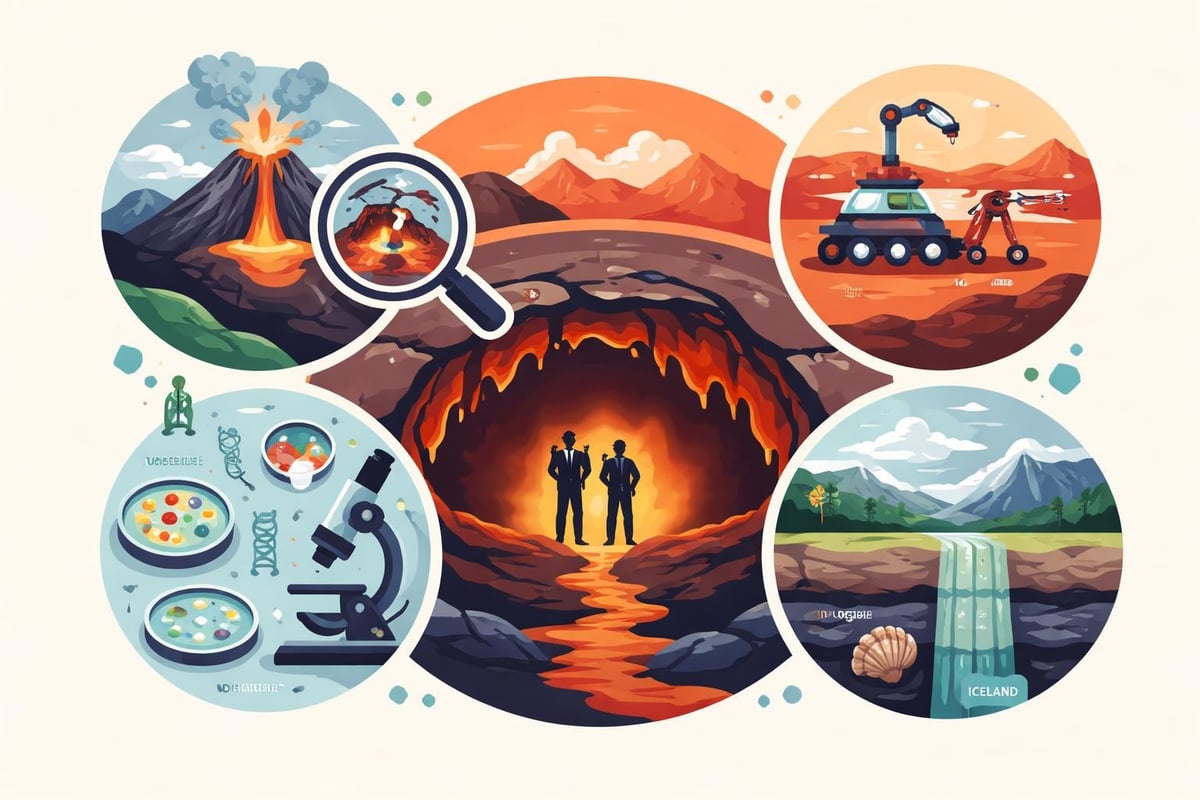
Lava tunnels serve as natural laboratories for understanding volcanic processes, geological time scales, and even potential extraterrestrial environments. Scientists study these formations to gain insights applicable far beyond Iceland's borders.
Geological Research Applications
Volcanologists examine lava tunnel structures to reconstruct eruption sequences and predict future volcanic behavior. The preserved features within tubes reveal information about lava viscosity, flow rates, temperature variations, and eruption duration. This data helps refine volcanic hazard models used worldwide.
Research areas include:
- Lava flow dynamics and cooling rates
- Mineral formation in low-oxygen environments
- Microbial life in extreme conditions
- Structural stability of volcanic features
- Climate change indicators through ice analysis
The comprehensive understanding of lava tube formation continues evolving as new discoveries emerge from ongoing research in Iceland and other volcanic regions.
Astrobiology and Mars Exploration
Iceland's lava tunnels provide analogues for studying potential Martian cave systems. NASA and other space agencies use these environments to test equipment and develop exploration protocols for subsurface investigations on Mars. The tubes offer insights into where microbial life might exist on other planets, protected from surface radiation and temperature extremes.
This connection between Icelandic caves and space exploration adds another dimension to their significance, transforming tourist destinations into sites of cutting-edge scientific investigation.
Practical Tips for Photographers
Lava tunnels present unique photographic challenges and opportunities. The dramatic lighting, unusual textures, and scale of these underground spaces create memorable images when approached with proper techniques.
Camera Settings and Equipment
Low-light conditions require specific adjustments to capture the tunnel's atmosphere effectively. Most visitors rely on provided headlamps, but photographers benefit from additional lighting equipment.
| Setting Type | Recommended Approach | Rationale |
|---|---|---|
| ISO | 1600-3200 | Compensates for low light |
| Aperture | f/2.8-f/4 | Maximizes light intake |
| Shutter Speed | 1/60 or slower | May require stabilization |
| White Balance | Custom or tungsten | Corrects artificial lighting |
| Focus Mode | Manual preferred | Autofocus struggles in darkness |
Essential photography equipment:
- Wide-angle lens (16-35mm) for capturing tunnel scale
- Fast prime lens (f/1.4-f/2.8) for low-light performance
- Sturdy tripod or flexible mount for long exposures
- External flash or continuous LED light for fill lighting
- Lens cloth for moisture and dust management
- Extra memory cards and batteries
Composition Techniques
The tunnel environment offers distinctive compositional opportunities. Leading lines naturally guide viewer eyes through the frame, while the interplay between artificial lights and geological features creates dramatic contrasts.
Successful tunnel photography often incorporates human subjects for scale reference. The small figure of a person against massive volcanic walls emphasizes the cave's impressive dimensions. Experimenting with light painting techniques during longer exposures reveals textures and details invisible to the naked eye.
Environmental Conservation and Responsible Tourism
Preserving lava tunnels for future generations requires conscious effort from both visitors and tour operators. These fragile geological features face threats from increased tourism, climate change, and inadvertent damage.
Minimizing Environmental Impact
Responsible exploration follows leave-no-trace principles adapted for underground environments. The delicate formations within lava tunnels cannot regenerate once damaged, making prevention crucial.
Conservation guidelines include:
- Never touch or remove geological features
- Stay on designated paths and marked routes
- Avoid shining lights on sensitive ice formations
- Pack out all trash and personal items
- Follow group size limitations when implemented
- Support certified tour operators committed to preservation
Similar principles apply whether you're exploring ice caves or volcanic tunnels, as Iceland's natural wonders all require careful stewardship.
Supporting Sustainable Tourism
Choosing tour operators committed to environmental protection ensures that tourism benefits rather than harms these sites. Look for companies that limit group sizes, employ knowledgeable guides who educate about conservation, and participate in maintenance and preservation programs.
Revenue from responsible tourism funds ongoing research, conservation efforts, and educational programs. Your visit can contribute positively when aligned with sustainable practices.
Accessibility and Accommodation Options
Planning logistics around lava tunnel visits involves considering proximity to accommodations, transportation options, and physical accessibility factors. Iceland's tourism infrastructure has expanded significantly, but some locations remain remote.
Getting to Major Tunnel Sites
Raufarhólshellir's location near Reykjavik makes it easily accessible via rental car or organized tours. The drive takes approximately 30 minutes along Route 39, with clear signage directing visitors to the parking area. Public transportation options exist but require careful schedule coordination.
More remote tunnels like Lofthellir necessitate 4x4 vehicles and sometimes hiking to reach entrances. The Westfjords and highland areas contain spectacular but less accessible formations that reward adventurous travelers willing to invest extra effort.
Nearby Lodging and Services
Strategic accommodation selection minimizes driving time and maximizes exploration opportunities. Various options exist near major lava tunnel sites:
- Reykjavik Base: Provides access to Raufarhólshellir plus best hotels in Reykjavik
- Borgarfjörður Region: Places visitors near Víðgelmir and west Iceland attractions
- Mývatn Area: Ideal for northern cave systems and geothermal sites
- South Coast: Convenient for combining tunnels with coastal features
Many travelers use lava tunnel visits to break up long driving days along the Ring Road, incorporating underground exploration into broader itineraries.
Seasonal Considerations and Timing
While lava tunnels remain accessible year-round, seasonal factors influence the overall experience. Understanding these variations helps optimize visit timing based on personal preferences and broader travel goals.
Winter Advantages
The contrast between Iceland's harsh winter surface conditions and the relatively stable tunnel environment becomes most apparent during colder months. When exterior temperatures plunge below freezing and daylight dwindles, the caves maintain their constant cool temperatures. Ice formations within certain tunnels reach their most impressive development during winter.
Winter visitors often combine tunnel exploration with finding the best place for northern lights, creating diverse itineraries that balance celestial and subterranean wonders.
Summer Benefits
Extended daylight hours provide flexibility in scheduling tunnel visits around other activities. The milder surface conditions make accessing more remote locations feasible for visitors without extensive 4x4 experience. However, some ice features within caves diminish during warmer months.
Summer crowds can affect the tunnel experience at popular sites like Raufarhólshellir. Booking morning or evening slots often provides more intimate experiences with smaller groups.