Iceland's southern region harbors countless natural treasures, yet few rival the dramatic beauty of Múlagljúfur Canyon. This spectacular gorge, carved by glacial waters through volcanic rock, offers visitors an unforgettable journey into one of Iceland's most photogenic landscapes. For travelers exploring Iceland's natural wonders, múlagljúfur represents the perfect blend of accessibility and raw natural beauty, making it an essential addition to any southern Iceland itinerary. Whether you're chasing the northern lights in winter or exploring under the midnight sun, this hidden canyon delivers year-round magnificence.
Understanding Múlagljúfur's Geographic Significance
Múlagljúfur occupies a strategic position in southeastern Iceland, nestled between the more famous Skaftafell Nature Reserve and the coastal town of Höfn. The canyon system stretches approximately 200 meters deep, creating a dramatic cleft in the otherwise relatively flat coastal plains.
The river Múlakvísl flows through this geological marvel, having carved the canyon over thousands of years. This glacial river originates from the Vatnajökull ice cap, Iceland's largest glacier, carrying mineral-rich sediment that gives the water its distinctive gray-blue color.
Key Geographic Features:
- Depth: Approximately 200 meters at its deepest point
- Length: Several kilometers of explorable canyon terrain
- Primary waterfalls: Hangandifoss and Múlafoss
- Elevation change: Significant descent from rim to river level
- Rock composition: Volcanic basalt formations with columnar jointing
Location and Access Points
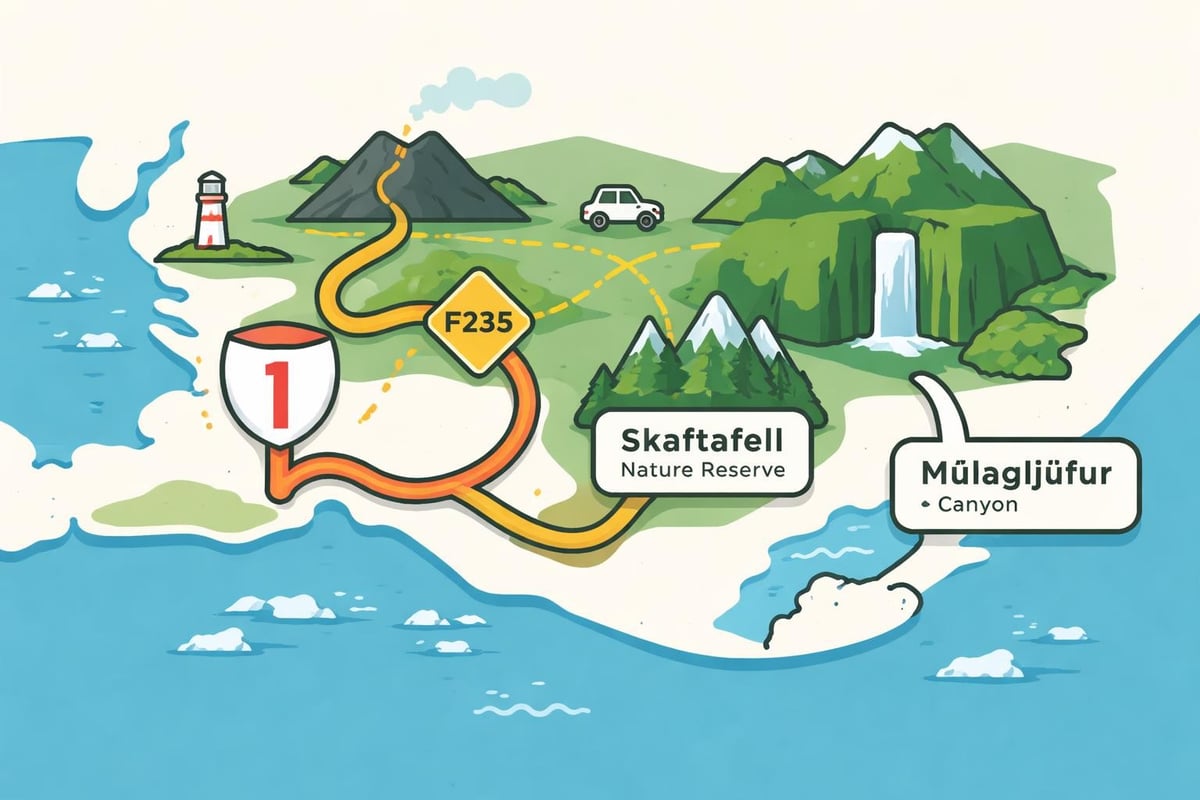
Reaching Múlagljúfur requires careful planning, as the canyon sits off the main Ring Road. From Reykjavik, the journey spans approximately 320 kilometers, taking roughly four hours under optimal conditions. Travelers typically access the site via Route 1, turning onto road F235 (a mountain road requiring four-wheel drive capability).
The nearest major landmark is Skaftafell, located about 35 kilometers west of the canyon's primary access point. This proximity makes múlagljúfur an excellent addition to trips focused on Vatnajökull National Park and the surrounding glacial regions.
The Two Magnificent Waterfalls
Múlagljúfur's fame rests largely on its two spectacular cascades, each offering distinct characteristics and viewing experiences. These waterfalls represent the culmination of glacial meltwater's journey from Vatnajökull to the Atlantic Ocean.
Hangandifoss: The Hanging Giant
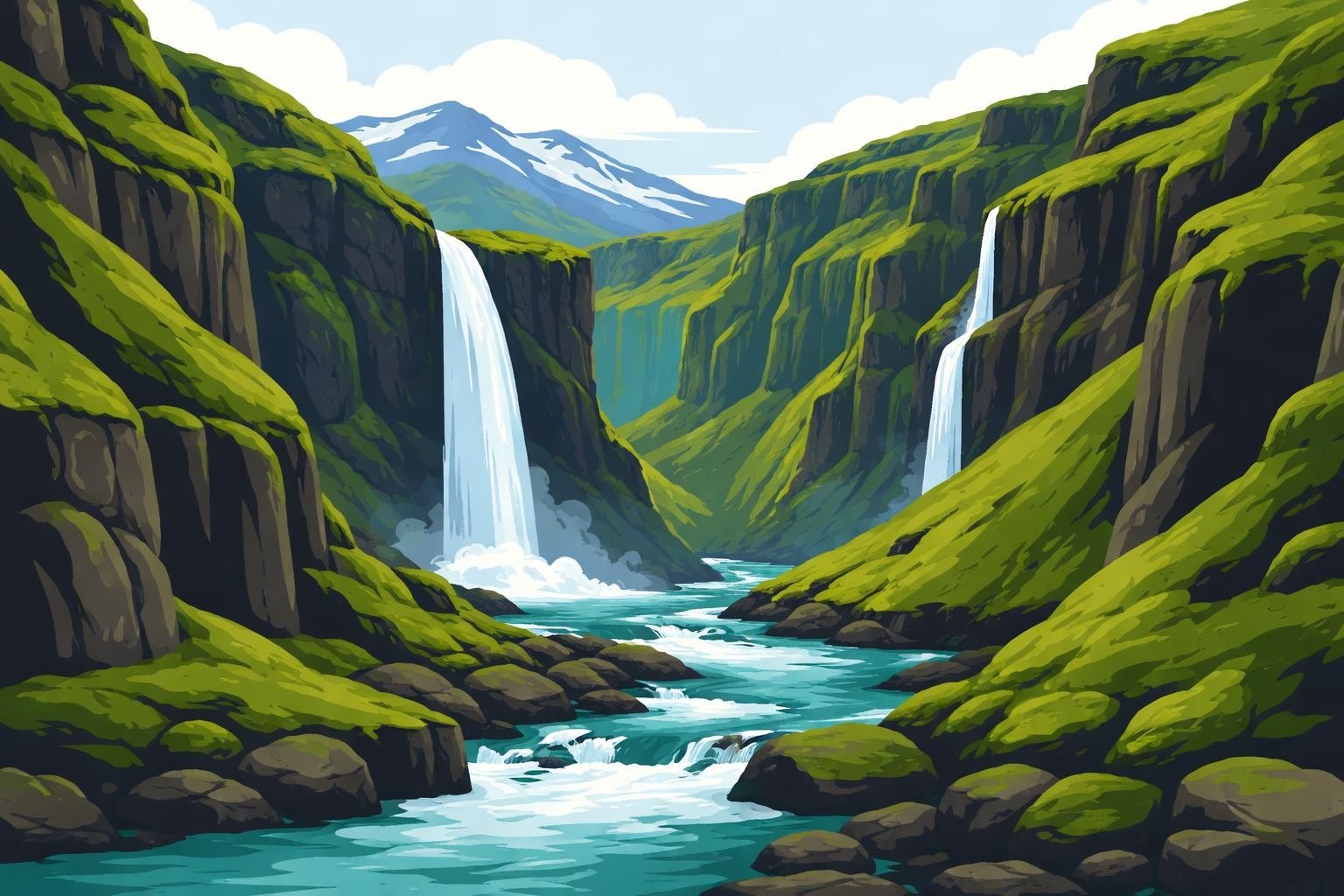
Hangandifoss, whose name translates to "hanging waterfall," plunges dramatically from the canyon's eastern wall. This waterfall drops approximately 30 meters in a near-vertical descent, creating a spectacular curtain of water against the dark basalt rock. The waterfall's power and beauty make it a photographer's paradise, especially during summer when glacial melt increases water volume.
The best viewing platform for Hangandifoss sits on the canyon rim, accessible via a moderately challenging hike from the parking area. Early morning light produces exceptional photographic conditions, with the low sun angle illuminating water droplets and creating rainbow effects in the mist.
Múlafoss: The River's Cascade
Múlafoss presents a different character entirely. This waterfall cascades in multiple tiers, creating a staircase effect as water tumbles over successive rock ledges. Located further into the canyon system, Múlafoss requires additional hiking effort but rewards visitors with more intimate viewing opportunities.
| Waterfall Comparison | Hangandifoss | Múlafoss |
|---|---|---|
| Drop Height | ~30 meters | ~25 meters (multi-tier) |
| Water Volume | High (seasonal variation) | Moderate (consistent) |
| Accessibility | Moderate difficulty | Challenging hike required |
| Best Season | June-August | May-September |
| Photography Difficulty | Moderate | Advanced |
Planning Your Múlagljúfur Hiking Adventure
Hiking múlagljúfur demands proper preparation and realistic expectations about the terrain and conditions. The primary trail system offers several route options, ranging from quick rim walks to full canyon descents.
Trail Options and Difficulty Levels
The standard múlagljúfur hike begins at the designated parking area along F235. From here, hikers face a choice between the rim trail (easier, 3-4 kilometers round trip) and the canyon descent route (challenging, 6-8 kilometers round trip with significant elevation change).
Rim Trail Features:
- Distance: 3-4 kilometers
- Time required: 1.5-2 hours
- Elevation gain: Minimal (approximately 50 meters)
- Skill level: Beginner to intermediate
- Key viewpoints: Three major overlooks of Hangandifoss
Canyon Descent Route:
- Distance: 6-8 kilometers
- Time required: 4-6 hours
- Elevation change: 200 meters descent/ascent
- Skill level: Intermediate to advanced
- Terrain: Steep, loose rock, river crossings possible
Similar to other Icelandic hiking destinations like Fjaðrárgljúfur Canyon, múlagljúfur requires sturdy footwear with excellent ankle support. The volcanic rock can be loose and unstable, particularly on descent paths.
Seasonal Considerations
Iceland's dramatic seasonal variations significantly impact the múlagljúfur experience. Summer months (June through August) offer the most accessible conditions, with the F235 road typically opening in mid-June after winter snow clears.
Winter visits present substantial challenges. The access road closes completely, and canyon conditions become extremely hazardous due to ice formation. However, for adventurous travelers with proper equipment and guide support, winter's dramatic ice formations create otherworldly landscapes. The canyon's southern exposure can occasionally provide opportunities for witnessing the northern lights dancing above the gorge during darker months.
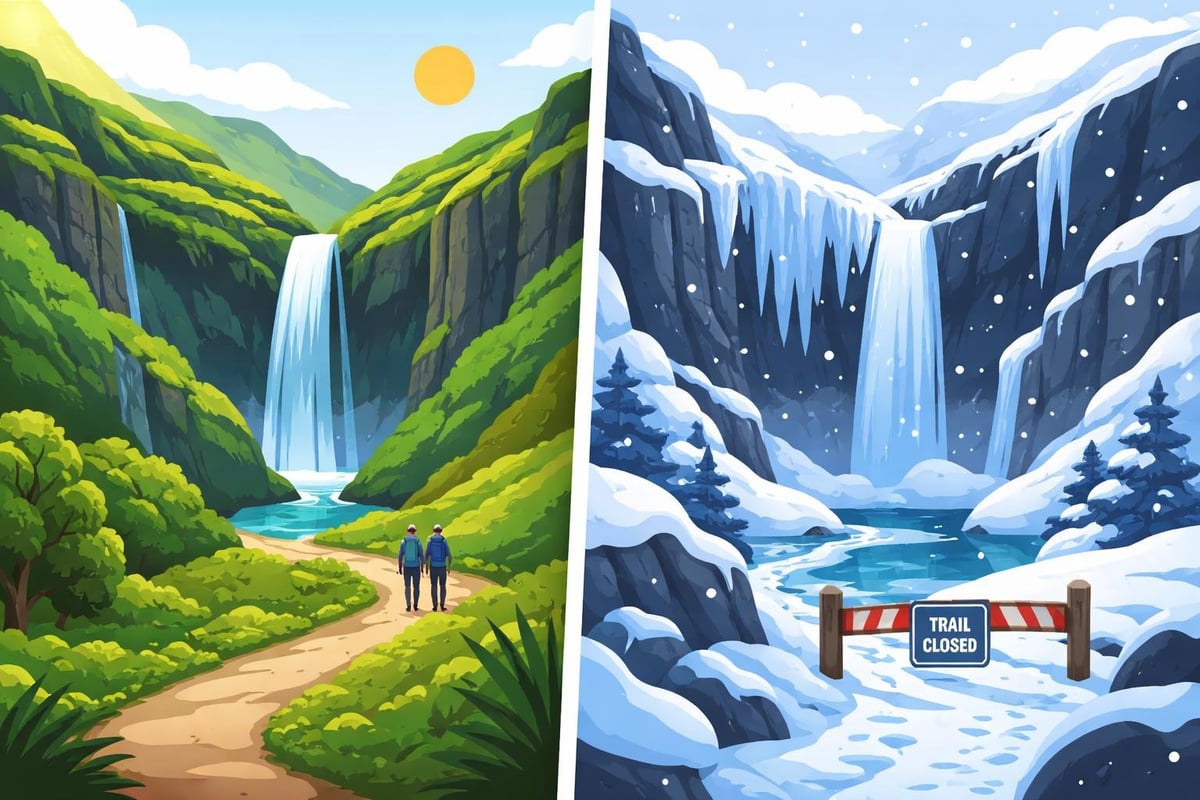
Spring (April-May) and autumn (September-October) represent shoulder seasons with moderate conditions. These periods often deliver fewer crowds, though weather unpredictability increases. Rain can make trails slippery, while early autumn snowfalls may limit access without warning.
Essential Safety Guidelines
Múlagljúfur's remote location and challenging terrain demand serious safety considerations. Comprehensive preparation significantly reduces risk in this isolated environment.
Weather and Communication
Iceland's weather changes rapidly, and múlagljúfur's canyon position can amplify wind effects. Always check forecasts before departure and carry weather-appropriate clothing layers. Cell phone coverage remains spotty throughout the area, making offline maps and GPS devices essential.
Critical Safety Equipment:
- Detailed offline maps or GPS device
- Emergency whistle and first aid kit
- Waterproof outer layers and warm base layers
- High-energy food and minimum 2 liters water per person
- Fully charged phone with emergency contacts saved
- Headlamp with extra batteries
- Emergency shelter (lightweight bivy or space blanket)
Navigation and Trail Etiquette
Trail markings at múlagljúfur vary in quality and visibility. Unlike more developed trails such as those in Vatnajökull National Park's Skaftafell section, some routes rely on cairns and natural navigation points. Never proceed if uncertain about the route, and always inform someone of your hiking plans before departure.
The fragile moss covering much of Iceland's volcanic landscape requires decades or centuries to recover from damage. Stay on established paths, and when trails aren't clearly marked, walk on rock surfaces rather than vegetation.
Photography and Visual Documentation
The visual drama of múlagljúfur makes it exceptionally popular among photographers and content creators. The canyon's unique light conditions and compositional opportunities challenge even experienced photographers.
Optimal Photography Times
Golden hour provides the most dramatic lighting, with early morning offering distinct advantages. The eastern sun illuminates Hangandifoss directly, creating brilliant highlights on falling water while the canyon walls remain in relative shadow, producing exceptional contrast and depth.
Midday photography presents challenges due to harsh overhead light creating blown highlights on the waterfalls. However, this timing works well for detail shots of basalt formations and vegetation close-ups. Overcast conditions often produce the most balanced exposures, eliminating harsh shadows while maintaining waterfall detail.
Equipment Recommendations
| Photography Need | Recommended Equipment | Purpose |
|---|---|---|
| Wide Landscapes | 16-35mm lens | Canyon scale and context |
| Waterfall Details | 70-200mm lens | Isolating cascades and features |
| Long Exposures | Tripod + ND filters | Silky water effects |
| Weather Protection | Rain covers, lens cloths | Spray and precipitation |
| Backup Power | Extra batteries | Cold drains power quickly |
Similar to photography opportunities at Iceland's other spectacular waterfalls, múlagljúfur rewards patience and multiple visits. Light conditions change throughout the day, and each visit reveals new compositional possibilities.
Combining Múlagljúfur with Regional Attractions
Strategic trip planning allows visitors to experience múlagljúfur alongside other southern Iceland highlights. The canyon's location makes it an excellent addition to multi-day tours focusing on glacier regions and volcanic landscapes.
Nearby Natural Wonders
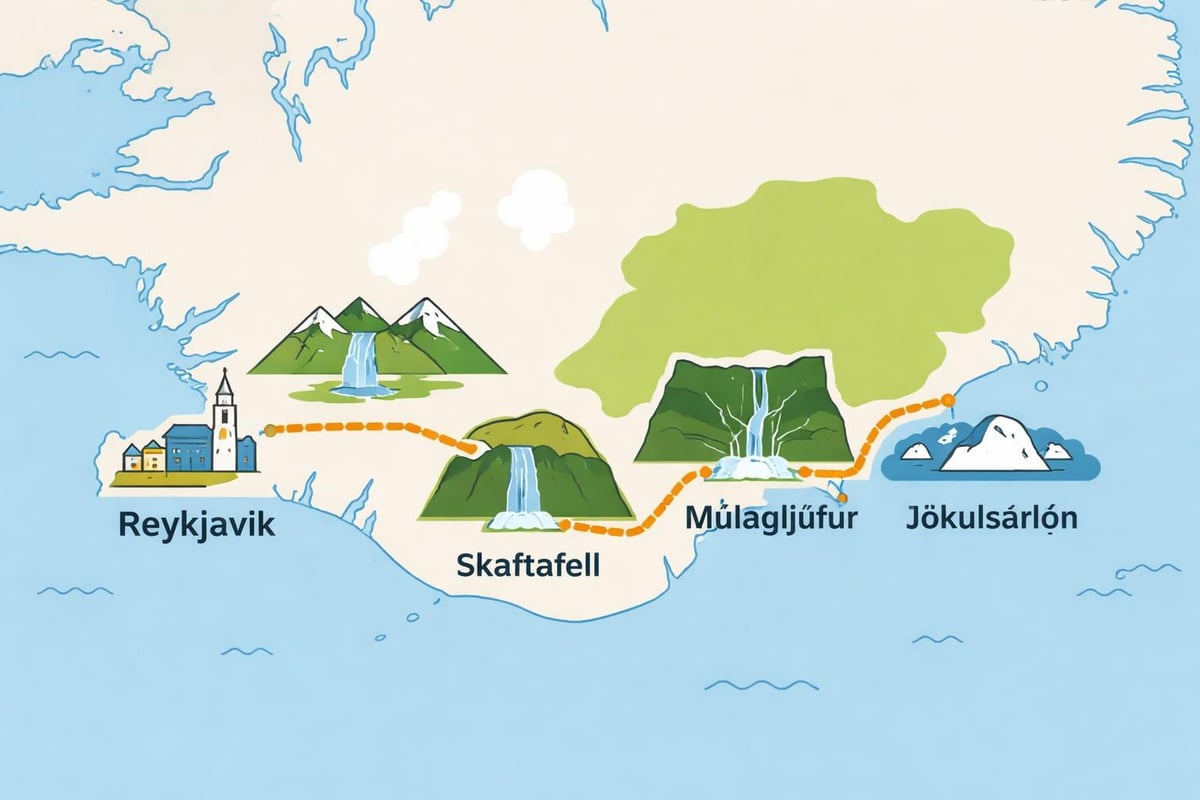
Skaftafell Nature Reserve, located approximately 35 kilometers west, offers numerous hiking trails and glacier access points. The reserve's famous Svartifoss waterfall, with its distinctive basalt column backdrop, complements múlagljúfur's canyon experience beautifully.
Jökulsárlón Glacier Lagoon sits roughly 80 kilometers east, where massive icebergs calve from Breiðamerkurjökull glacier into a pristine lagoon. This iconic destination pairs perfectly with múlagljúfur in a comprehensive southern Iceland itinerary.
Sample Two-Day Itinerary:
- Day 1 Morning: Depart Reykjavik, drive to Skaftafell (4.5 hours)
- Day 1 Afternoon: Hike to Svartifoss, explore Skaftafell trails
- Day 2 Morning: Early departure to múlagljúfur (45 minutes)
- Day 2 Midday: Complete canyon rim hike and waterfall viewing
- Day 2 Afternoon: Continue east to Jökulsárlón Glacier Lagoon
- Day 2 Evening: Return toward Reykjavik or overnight in Höfn
Creating Multi-Day Adventures
Extended hiking expeditions in Iceland's highlands often incorporate múlagljúfur as a waypoint. The Lónsöræfi wilderness area lies to the east, offering multi-day trekking routes through some of Iceland's most remote terrain.
Winter visitors can combine daytime canyon exploration with evening northern lights viewing. The remote location and minimal light pollution create excellent conditions for aurora photography, though access limitations during winter months require careful planning with experienced local guides.
Geological Formation and Natural History
Understanding múlagljúfur's geological origins enriches the visitor experience. The canyon's formation tells the story of Iceland's volcanic and glacial forces working in concert over millennia.
Volcanic Foundations
The bedrock comprising múlagljúfur's canyon walls formed during volcanic eruptions millions of years ago. Successive lava flows created horizontal layers visible in the canyon walls, each representing a distinct eruption event. The columnar basalt formations resulted from rapid cooling of these lava flows, creating the geometric patterns that make Icelandic geology so distinctive.
Glacial Carving Process
While volcanic activity created the raw material, glacial processes carved the canyon itself. During Iceland's glacial periods, massive ice sheets extended far beyond their current boundaries. The Múlakvísl river, fed by glacial meltwater, gained tremendous erosive power from high water volumes and the abrasive sediment it carried.
This combination of water volume and sediment load allowed the river to cut through the resistant basalt at a relatively rapid geological pace. The result is the deep, narrow canyon visible today, with near-vertical walls and the distinctive V-shaped profile characteristic of river-carved gorges.
Environmental Conservation and Responsible Tourism
Múlagljúfur's increasing popularity brings conservation challenges. Responsible visitation ensures this natural wonder remains pristine for future generations.
Leave No Trace Principles
Iceland's fragile ecosystems recover slowly from human impact. Moss damage, in particular, can take decades to heal. All visitors should adhere strictly to Leave No Trace principles:
- Pack out all waste, including organic materials
- Use established trails exclusively
- Avoid creating new cairns or moving existing ones
- Never approach wildlife or nesting birds
- Camp only in designated areas with proper permits
- Respect private property and closed areas
- Use biodegradable soap away from water sources
Supporting Local Communities
The remote location of múlagljúfur means visitor spending rarely benefits local communities directly. Consider supporting nearby towns like Höfn by purchasing fuel, food, and accommodations locally rather than bringing all supplies from Reykjavik. This economic support helps maintain the infrastructure that makes accessing sites like múlagljúfur possible.
Practical Logistics and Trip Planning
Successful múlagljúfur visits require attention to practical details beyond trail conditions and photography timing. These logistical considerations can make the difference between an excellent experience and a frustrating one.
Vehicle Requirements and Road Conditions
The F235 road classification indicates a mountain road requiring four-wheel-drive capability. Standard rental cars cannot legally drive F-roads, and insurance policies specifically exclude coverage for such use. Vehicle rental companies in Reykjavik offer various four-wheel-drive options, from basic compact SUVs to high-clearance modified vehicles better suited to challenging conditions.
Road conditions vary dramatically based on recent weather and time of season. Early season (June) often includes water crossings from snowmelt, while late season (September) may feature early snow accumulation. Always check road conditions on Icelandic road authorities' websites before departure.
Accommodation Options
No accommodation exists immediately near múlagljúfur. The closest options cluster around Skaftafell to the west and Höfn to the east. Skaftafell offers a well-equipped campground with facilities, while Höfn provides hotels, guesthouses, and restaurants serving as an excellent base for exploring the region.
Many visitors combine múlagljúfur with multi-day tours through southern Iceland, staying in various locations to maximize access to different attractions. This approach reduces driving time and allows for more flexible timing based on weather conditions.
Food and Water Considerations
No facilities exist at múlagljúfur itself. Carry all necessary food and water, planning for more than you expect to need. Icelandic river water, while often appearing clean, may contain parasites and should be filtered or treated before drinking. The glacial sediment in the Múlakvísl makes it particularly unsuitable for consumption even with treatment.
Pack high-energy foods that perform well in cold conditions. Chocolate and energy bars can become rock-hard in winter, while fresh fruit may freeze. Nuts, dried fruit, and specially formulated energy foods maintain their properties across temperature extremes.
Wildlife and Natural Observations
While múlagljúfur's primary attractions are geological and scenic, the area supports interesting wildlife populations. Summer brings nesting birds to the canyon walls, where ledges provide secure breeding sites away from ground predators.
Bird Species
Arctic terns, known for their aggressive defense of nesting territories, frequent the area during summer months. These remarkable birds complete the longest migration of any animal, traveling from Antarctica to Arctic breeding grounds. Approach nesting areas cautiously, as terns will dive-bomb perceived threats.
Ravens, Iceland's only native land bird, patrol the canyon searching for carrion and opportunities. Their intelligence and adaptability make them successful throughout Iceland's harsh environments. Fulmar petrels glide along canyon walls, using updrafts to conserve energy while hunting.
Vegetation Patterns
The canyon's varied microclimates support diverse plant communities. North-facing walls receive less sun exposure and retain moisture longer, creating ideal conditions for moss growth. South-facing areas support hardy flowering plants including arctic thyme and mountain avens.
The harsh volcanic soil requires specialized adaptations. Many plants develop extensive root systems to access nutrients in the porous basalt, while thick leaves reduce water loss from constant wind exposure. These same adaptations make the vegetation extremely fragile and slow to recover from damage.
Múlagljúfur stands as one of southern Iceland's most rewarding natural destinations, offering dramatic scenery, challenging hikes, and unforgettable photographic opportunities in a relatively accessible package. The canyon's combination of powerful waterfalls, distinctive geology, and remote atmosphere creates experiences that remain with visitors long after they return home. When you're ready to explore Iceland's natural wonders alongside opportunities to witness the aurora borealis, Reykjavik Northern Lights provides expert-guided tours throughout Iceland's most spectacular regions, ensuring you experience the best this remarkable country offers with professional support and local knowledge.