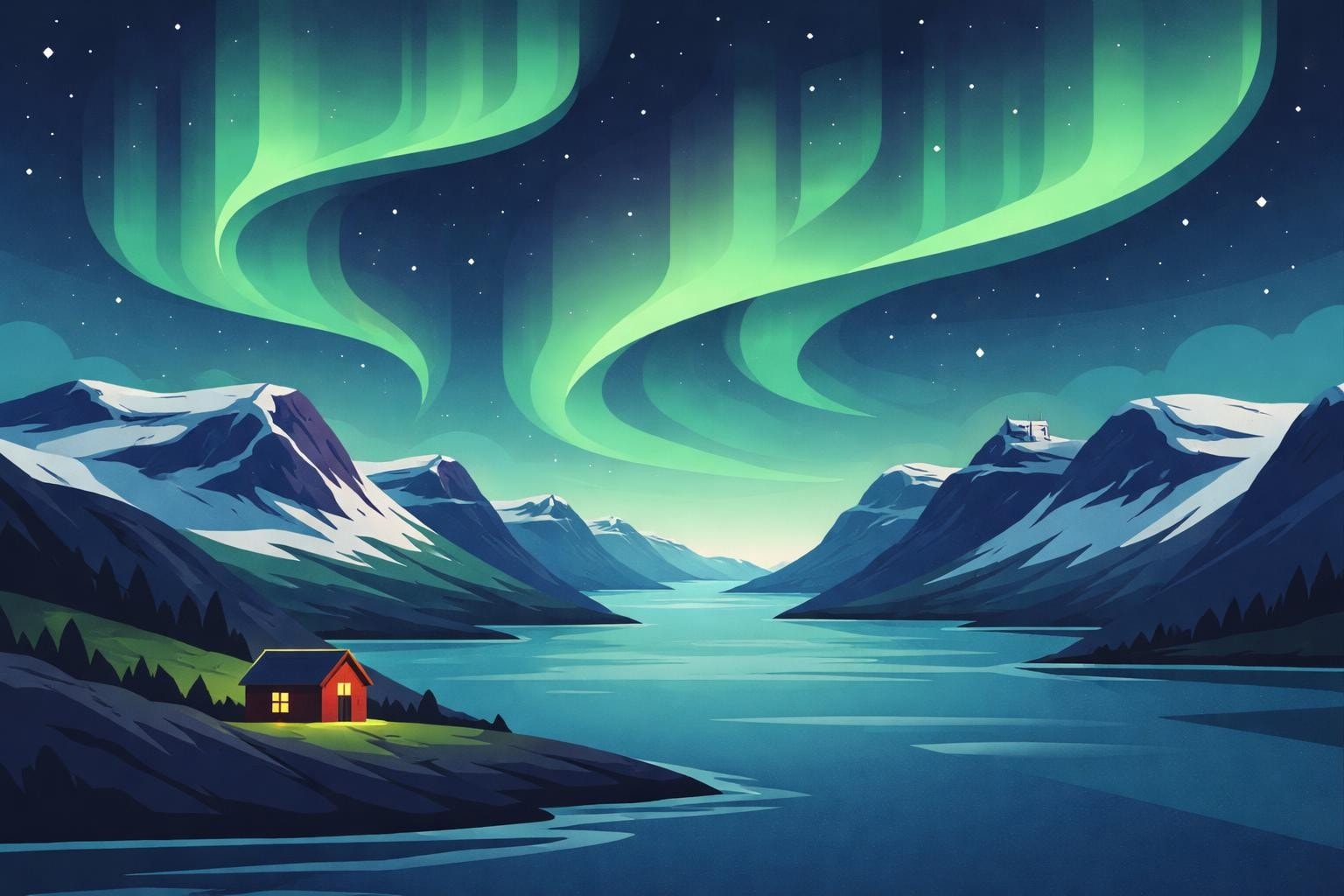
Iceland's Westfjords region represents one of the country's most spectacular yet least visited destinations, offering northern lights enthusiasts an unparalleled combination of dramatic landscapes and pristine dark skies. This remote northwestern peninsula, characterized by deep fjords, towering cliffs, and sparse population, creates ideal conditions for aurora viewing while providing an authentic Icelandic wilderness experience. For travelers seeking to escape the crowds and witness the northern lights in their full glory, the Westfjords delivers an unforgettable adventure that combines natural wonder with cultural immersion.
Understanding the Westfjords Geography
The Westfjords peninsula extends from Iceland's northwestern corner, covering approximately 22,000 square kilometers of rugged terrain. According to detailed geographic information, this region is home to fewer than 7,000 residents, making it one of Iceland's most sparsely populated areas. This low population density translates directly into minimal light pollution, a critical factor for northern lights visibility.
The region's distinctive fjord system creates countless vantage points for aurora observation. Each inlet and bay offers unique perspectives, with steep mountain walls providing dramatic backdrops for celestial displays.
The Peninsula's Unique Climate
Weather patterns in the Westfjords differ significantly from other Icelandic regions, influenced by the surrounding ocean currents and mountainous terrain. Winter temperatures typically range from -5°C to 5°C, cold enough for snow-covered landscapes without the extreme cold that can make prolonged outdoor observation uncomfortable.
Key climate characteristics include:
- Moderate temperatures compared to Iceland's interior
- Variable weather requiring flexibility in planning
- Frequent clear spells during winter months
- Lower precipitation than southern coastal areas
- Protective fjords offering shelter from harsh winds
The microclimate created within individual fjords often produces clearer conditions than coastal areas, particularly during winter aurora season.

Aurora Viewing Advantages in the Westfjords
The combination of geographical isolation and minimal infrastructure makes the Westfjords exceptionally well-suited for northern lights observation. While Reykjavik and popular southern locations contend with increasing light pollution, this remote region maintains genuinely dark skies that allow auroras to display their full spectrum of colors and movements.
Dark Sky Preservation
Light pollution levels in the Westfjords remain remarkably low due to the dispersed settlement pattern and small town populations. The largest community, Ísafjörður, has fewer than 3,000 residents, and even there, stepping a short distance from the town center provides excellent viewing conditions.
| Location Type | Population | Light Pollution Level | Aurora Visibility Rating |
|---|---|---|---|
| Main towns | 500-3,000 | Minimal | Excellent |
| Rural villages | 50-200 | Negligible | Outstanding |
| Remote areas | 0-10 | None | Perfect |
This preservation of natural darkness enables observers to see fainter aurora displays and subtle color variations that become invisible in more populated regions.
Strategic Viewing Locations
The peninsula's complex coastline creates numerous strategic viewing points. The extensive fjord system includes Ísafjarðardjúp, Arnarfjörður, and Dýrafjörður, each offering distinct advantages for aurora photography and observation.
Northern-facing coastlines provide unobstructed views toward the aurora zone, while southern-facing locations allow observers to frame displays against dramatic mountain backdrops. This geographical variety means experienced guides can select optimal positions based on real-time aurora forecasts and weather conditions.
Seasonal Considerations for Northern Lights
The Westfjords aurora season extends from September through April, with peak viewing opportunities occurring during the darkest months from November through February. Understanding seasonal variations helps travelers maximize their chances of witnessing spectacular displays.
Winter Peak Season
December through February offers the longest periods of darkness, with only 4-5 hours of daylight at the winter solstice. This extended darkness creates multiple viewing opportunities each night, allowing observers to wait for optimal conditions rather than relying on a single brief window.
During these months, auroras can appear as early as 6 PM and remain visible until dawn. For those joining guided northern lights tours, this flexibility means tour operators can adjust timing based on forecast intensity and cloud cover patterns.
Shoulder Season Opportunities
September and March-April provide compelling alternatives to deep winter visits. These months offer:
- Milder temperatures for extended outdoor observation
- Increasing daylight hours for daytime exploration
- Lower accommodation rates in many locations
- Reduced tourist numbers even compared to the already-quiet Westfjords
- Transitional weather patterns that can produce dramatic atmospheric conditions
The combination of adequate darkness for aurora viewing with sufficient daylight for exploring the region's cultural and natural attractions makes shoulder seasons particularly attractive for comprehensive visits.
Accessibility and Travel Logistics
Reaching the Westfjords requires more planning than accessing Iceland's southern attractions, but improved road conditions and year-round accessibility to major towns have made winter visits increasingly feasible. The primary access route follows Route 60 from the Hólmavík junction, connecting to the broader ring road system that circles Iceland.
Road Conditions and Requirements
Winter driving in the Westfjords demands respect for changing conditions and proper vehicle preparation. All visitors planning independent travel should:
- Rent a four-wheel-drive vehicle with winter tires
- Check road conditions daily through official sources
- Inform others of travel plans and expected arrival times
- Carry emergency supplies including blankets and food
- Monitor weather forecasts continuously
Many travelers choose guided experiences specifically to avoid winter driving challenges while still accessing remote aurora viewing locations. The Visit Westfjords organization provides current information on road status and safety recommendations.

Accommodation Options
Despite its remote character, the Westfjords offers diverse accommodation ranging from budget guesthouses to premium hotels. Strategic positioning allows visitors to use centrally located bases while accessing various aurora viewing sites.
Accommodation categories include:
- Full-service hotels in Ísafjörður and Patreksfjörður
- Family-run guesthouses throughout smaller communities
- Renovated farmhouses offering authentic rural experiences
- Remote lodges specializing in northern lights packages
Booking well in advance remains essential during peak winter months, as accommodation capacity is limited compared to southern Iceland. Many properties offer aurora wake-up services, alerting guests when displays appear overhead.
Cultural and Historical Context
The Westfjords' isolation has preserved traditional Icelandic culture in ways that more developed regions have not. This cultural authenticity enriches the northern lights experience, connecting celestial phenomena with the folklore and traditions that shaped Icelandic interpretations of auroras.
Maritime Heritage
The Westfjords Heritage Museum preserves the region's fishing industry legacy, illustrating how coastal communities depended on reading natural signs including aurora activity. Historical accounts describe fishermen interpreting aurora patterns as weather predictors, integrating celestial observations into practical maritime knowledge.
This connection between sky watching and survival created a cultural framework where northern lights held both practical and mystical significance. Modern visitors benefit from guides who share these traditional perspectives alongside scientific explanations.
Educational Institutions
The presence of the University Centre of the Westfjords in Ísafjörður demonstrates the region's commitment to sustainable development and environmental research. Academic programs focused on coastal management and resource sustainability reflect values that align with responsible aurora tourism practices.
Combining Aurora Viewing with Daytime Exploration
While northern lights provide the primary attraction for winter visitors, the Westfjords offers exceptional daytime activities that create well-rounded itineraries. This balance prevents the frustration of aurora-only trips when cloud cover temporarily blocks viewing opportunities.
Natural Attractions
The region's dramatic landscapes reward exploration regardless of aurora activity. Notable natural features include:
- Dynjandi waterfall, a multi-tiered cascade dropping 100 meters
- Látrabjarg bird cliffs, Europe's westernmost point
- Rauðasandur beach with distinctive red sand
- Hornstrandir Nature Reserve for wilderness hiking
- Countless smaller waterfalls and geothermal areas
These attractions provide photography opportunities and physical activity between evening aurora sessions. Many locations also serve as excellent aurora viewing sites when darkness falls, such as those mentioned in our guide to Iceland's best waterfalls.
Local Communities
Visiting small Westfjords communities offers cultural insights unavailable in larger tourist centers. Towns like Bolungarvík, Súðavík, and Flateyri maintain traditional lifestyles while welcoming visitors interested in authentic experiences.
Local restaurants serve regional specialties, craft shops sell handmade woolens including the traditional lopapeysa sweater, and community museums share settlement history. These interactions enrich understanding of how isolated populations developed resilience and creativity.
Photography Opportunities
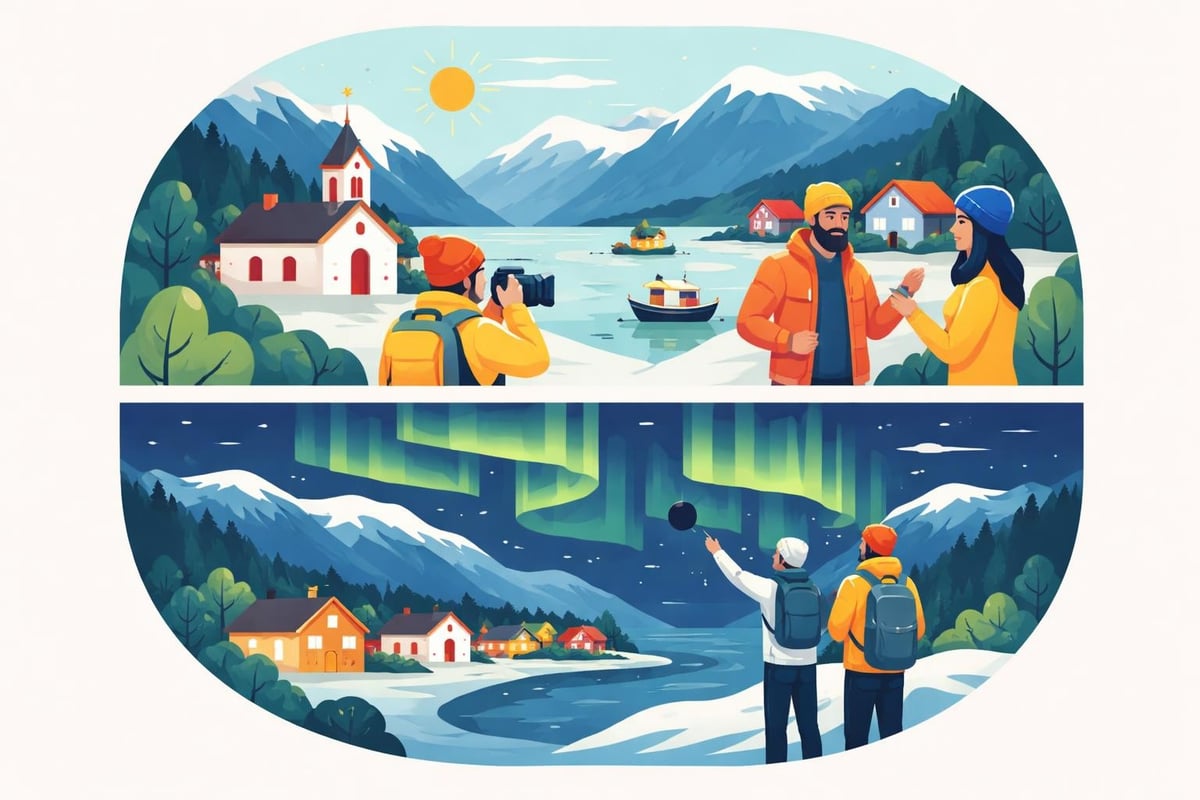
The Westfjords provides exceptional conditions for aurora photography, combining dark skies with dramatic foreground elements. Photographers find virtually unlimited composition possibilities while benefiting from the region's pristine atmospheric conditions.
Composition Elements
Successful aurora photography in the Westfjords leverages:
- Fjord reflections doubling visual impact
- Mountain silhouettes providing scale and drama
- Historic buildings adding human context
- Ice formations creating unique foreground interest
- Coastal elements including beaches and sea stacks
The variety of landscape features within short distances allows photographers to capture diverse images during single aurora events, creating comprehensive portfolios from individual trips.
Technical Considerations
Low light pollution eliminates the color casts and gradient issues that plague aurora photography in semi-urban environments. This technical advantage means:
| Factor | Westfjords Advantage | Urban Area Challenge |
|---|---|---|
| ISO requirements | 800-1600 sufficient | 3200+ often needed |
| Color accuracy | True aurora colors | Orange/yellow casts |
| Dynamic range | Full detail retained | Blown highlights |
| Star visibility | Complete starfield | Limited stars visible |
These technical benefits allow photographers to achieve professional results with standard camera equipment rather than requiring specialized gear for light pollution compensation.
Wildlife Encounters
While aurora viewing focuses skyward, the Westfjords' rich wildlife adds another dimension to winter visits. Marine mammals, bird species, and occasional Arctic fox sightings create memorable supplementary experiences.
Marine Life
Whale watching continues through winter months in certain fjords, with orcas, humpbacks, and other species feeding in nutrient-rich waters. Seal colonies inhabit rocky outcroppings throughout the coastline, visible from shore at many locations.
These wildlife opportunities occur during daylight hours, complementing nighttime aurora activities. Some tour operators combine whale watching with evening northern lights excursions, maximizing the value of limited winter daylight.
Arctic Fox Population
The Westfjords supports Iceland's only native land mammal population outside of polar bears. Arctic foxes inhabit remote areas, particularly around bird cliffs where they hunt for food. Winter observations require patience and respect for wildlife, but successful encounters create extraordinary memories.
Sustainable Tourism Practices
The Westfjords' fragile environment and small communities require visitor awareness and responsible behavior. Sustainable tourism initiatives emphasize preserving natural and cultural resources while supporting local economies.
Visitor Responsibility
Responsible aurora tourism in the Westfjords includes:
- Staying on designated paths to prevent erosion
- Removing all waste and avoiding littering
- Respecting private property and farming operations
- Supporting local businesses and accommodations
- Following guidance from experienced local operators
These practices ensure the region maintains its pristine character for future visitors while current tourism benefits local communities rather than causing disruption.
Community Impact
Tourism revenue supports essential services in remote communities, helping maintain year-round populations. Choosing local guides, staying in locally-owned accommodations, and purchasing regional products directly contributes to community sustainability.
The Westfjords demonstrates how aurora tourism can benefit isolated regions without overwhelming them, providing a model for responsible development that preserves the qualities attracting visitors.
Planning Your Westfjords Aurora Adventure
Successful Westfjords aurora trips balance ambition with flexibility, recognizing that weather and aurora activity cannot be precisely controlled. Proper planning maximizes opportunities while creating backup options for variable conditions.
Itinerary Design
Effective Westfjords itineraries typically include:
- Minimum four-night stays to allow for weather variability
- Centrally located accommodation reducing nightly travel
- Mix of confirmed aurora viewing attempts with daytime activities
- Flexibility to adjust plans based on forecast updates
- Professional guide support for navigation and conditions interpretation
Those seeking the best places for northern lights will find the Westfjords consistently ranking among Iceland's premier destinations, particularly for photographers and serious enthusiasts.
Combining with Other Regions
Many visitors integrate Westfjords aurora viewing into broader Iceland itineraries. Common combinations include the Westfjords with Snæfellsnes Peninsula or northern Iceland, creating comprehensive northern lights expeditions.
This approach provides geographic diversity and multiple dark-sky locations, improving overall aurora viewing odds while showcasing Iceland's varied landscapes. Transportation logistics require careful planning, but the rewards justify the additional complexity.