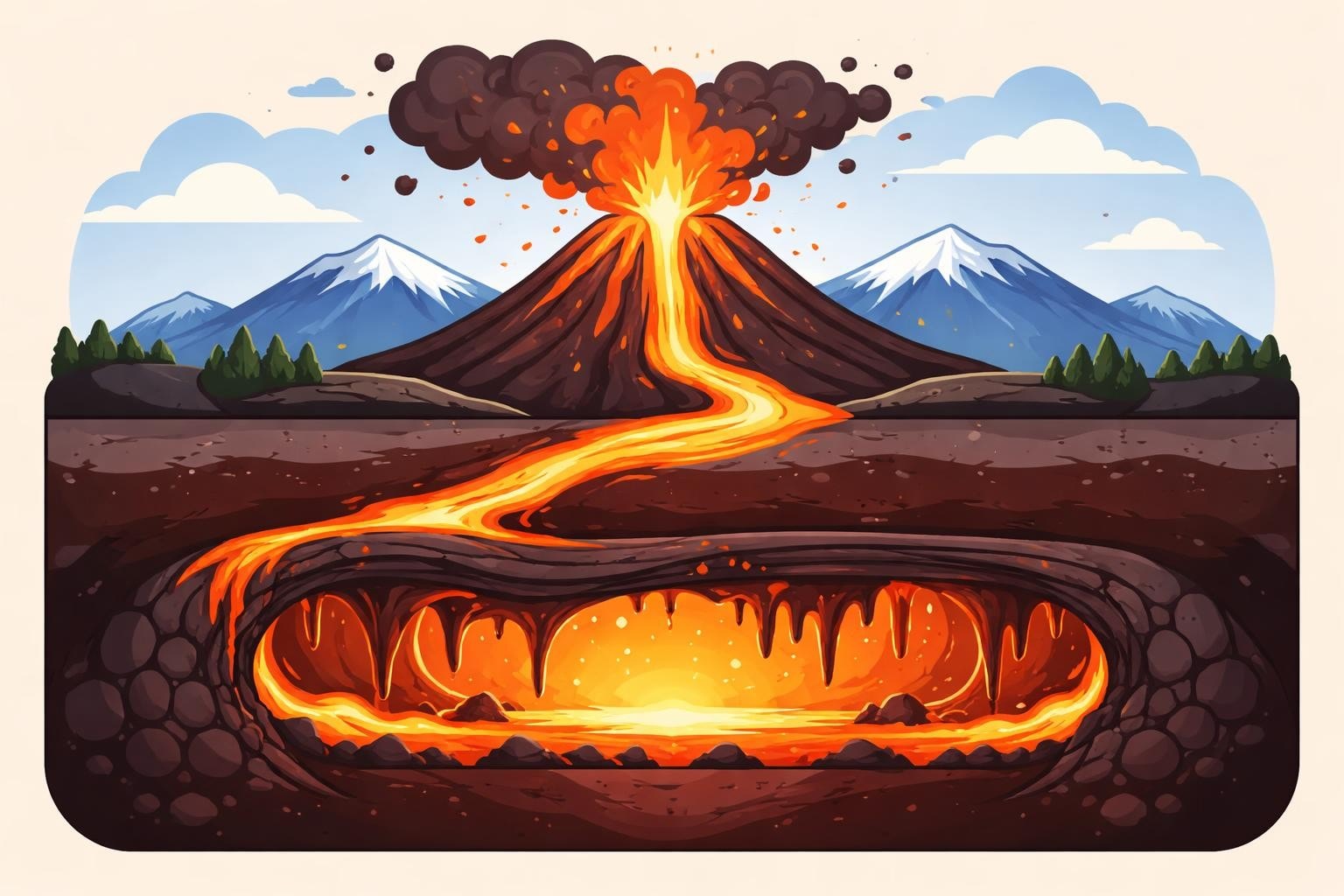
Iceland's volcanic landscape offers some of the most remarkable geological formations on Earth, and Raufarhólshellir stands as one of the country's most accessible and impressive natural wonders. Located just 30 minutes from Reykjavik, this ancient lava tunnel provides visitors with an extraordinary opportunity to venture deep beneath the surface and witness the raw power of volcanic activity that shaped this island nation. Whether you're planning to explore Iceland's natural attractions during your aurora hunting adventure or seeking daytime activities between northern lights tours, this lava cave offers an unforgettable underground experience that complements any Icelandic journey.
Understanding Raufarhólshellir's Geological Significance
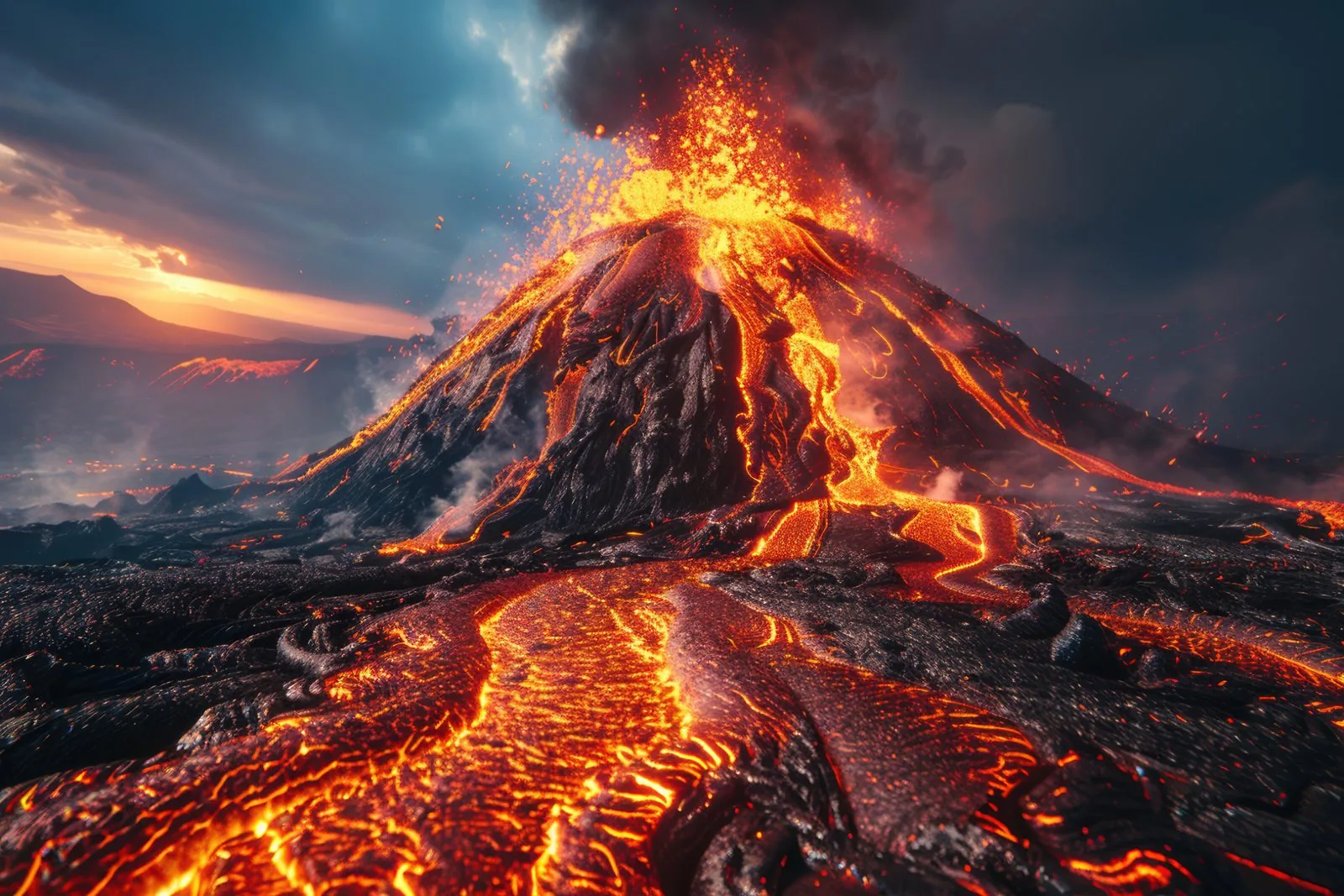
Raufarhólshellir formed approximately 5,200 years ago during a volcanic eruption from the Leitahraun lava field near the Blue Mountains. This fourth-longest lava tube in Iceland stretches for 1,360 meters, though only about 900 meters are accessible to visitors today. The tunnel's formation process demonstrates the incredible forces that created Iceland's unique landscape.
How Lava Tubes Form
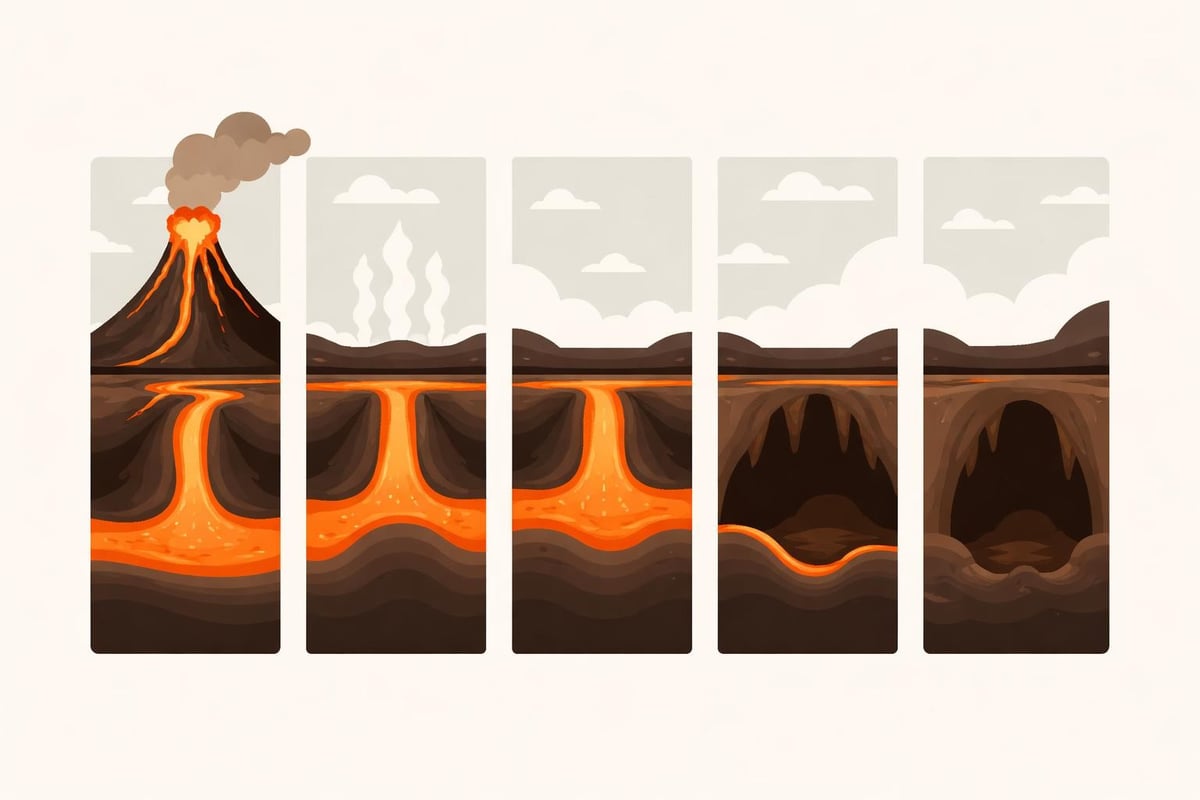
The creation of Raufarhólshellir followed a specific geological process that occurs during volcanic eruptions:
- Initial Flow: Molten lava streams downhill from the volcanic source
- Surface Cooling: The outer layer exposed to air solidifies while interior lava remains molten
- Channel Formation: Lava continues flowing through the hardened exterior shell
- Drainage: The volcanic eruption ends and remaining molten lava drains away
- Tunnel Creation: A hollow tube remains beneath the solidified crust
This natural process created the expansive underground chambers and passages that visitors explore today. The tunnel's width reaches up to 30 meters in some sections, with heights varying from low crawl spaces to cathedral-like chambers up to 10 meters tall.
Physical Characteristics and Features
Raufarhólshellir showcases remarkable geological features that distinguish it from other lava caves in Iceland. The tunnel's interior reveals layers of geological history frozen in time, with colorful mineral deposits, stalactites formed from re-melted lava, and distinctive lava formations throughout.
Notable Formations Inside the Cave
| Feature Type | Description | Location |
|---|---|---|
| Lava Stalactites | Hanging formations created by dripping molten rock | Throughout main tunnel |
| Color Variations | Red, yellow, and green mineral deposits | Cave walls and ceiling |
| Lava Shelves | Horizontal ledges marking different flow levels | Multiple chambers |
| Ice Formations | Winter ice sculptures in deeper sections | Far end of accessible area |
The cave maintains a constant temperature of around 32-35°F (0-2°C) throughout the year, making it noticeably cooler than the surface. This stable environment has preserved the lava formations in pristine condition since their creation thousands of years ago.
During winter months, stunning ice formations develop in the deeper sections where moisture seeps through cracks in the ceiling and freezes into crystalline sculptures. These natural ice features create an otherworldly atmosphere that rivals Iceland's famous ice caves, though on a smaller scale.
Visiting Raufarhólshellir: What to Expect
Modern accessibility improvements have transformed Raufarhólshellir from a challenging exploration site into a welcoming destination for visitors of all ages and fitness levels. The official Lava Tunnel tour operation has installed walkways, lighting, and safety features while preserving the cave's natural state.
Tour Options and Duration
Visitors can choose between two primary tour experiences at Raufarhólshellir:
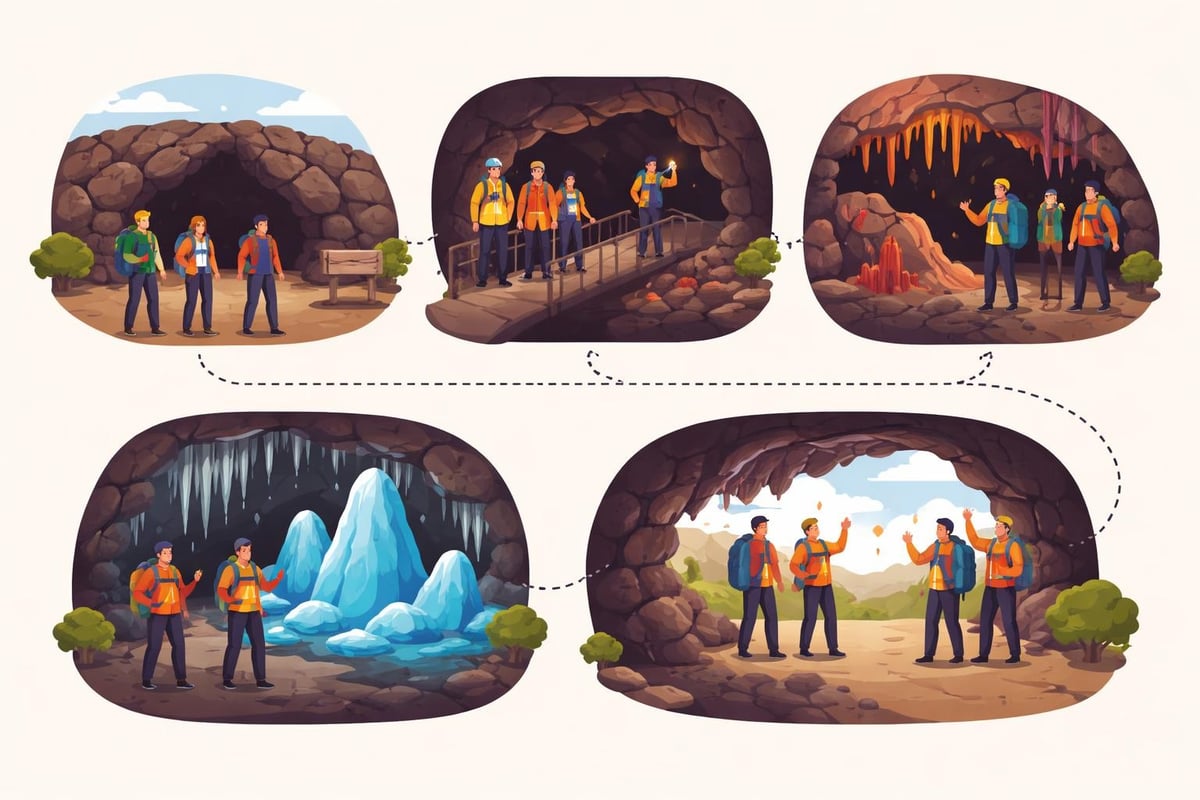
The Lava Tunnel Tour runs approximately 45-60 minutes and covers the main accessible section of the cave. This standard tour includes:
- Professional guide narration about geological formation
- LED lighting highlighting key features
- Elevated walkways for easy navigation
- Photo opportunities at designated stops
- Information about Icelandic volcanic activity
The Adventure Tour extends deeper into the cave system, lasting 3-4 hours and requiring more physical fitness. Participants navigate through narrow passages, climb over boulders, and explore sections without installed infrastructure.
Practical Information for Visitors
Planning your visit to Raufarhólshellir requires some preparation to ensure comfort and safety. The cave environment differs significantly from surface conditions, even during Iceland's mild seasons.
| Item | Requirement | Reason |
|---|---|---|
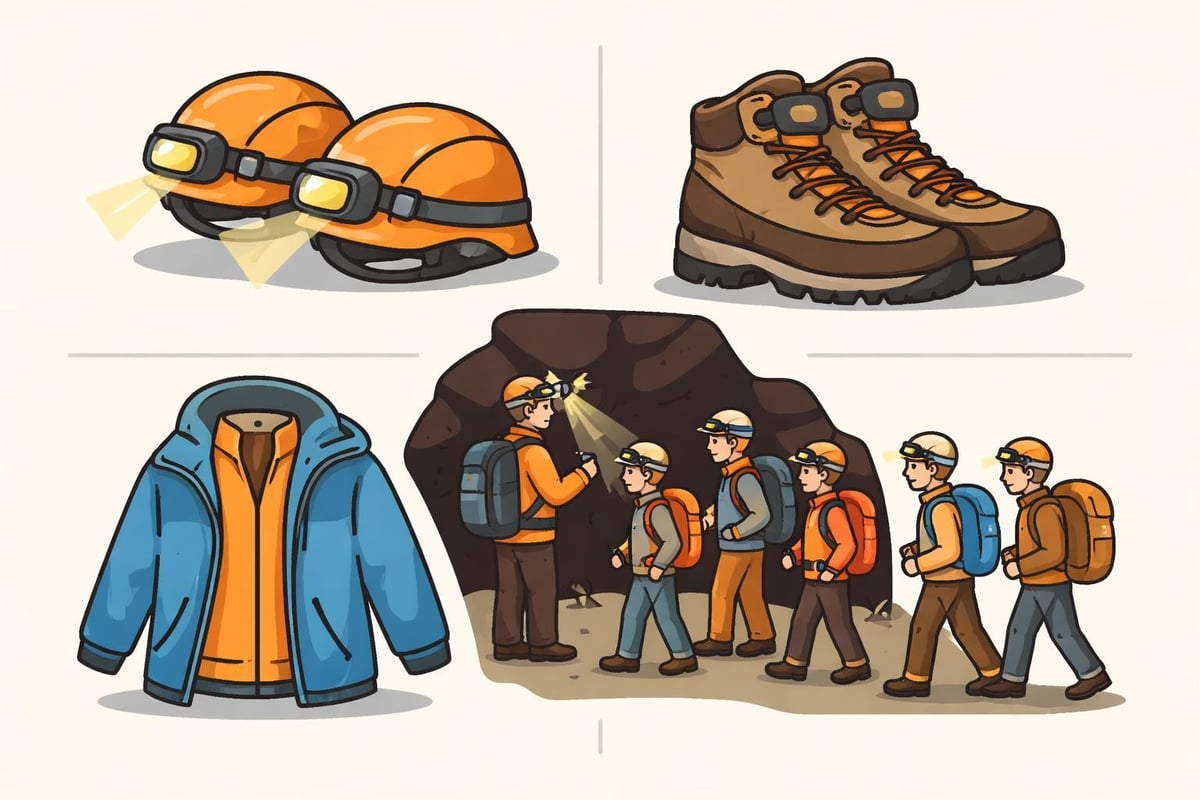
| Footwear | Sturdy hiking boots | Uneven lava surfaces |
| Clothing | Warm layers | Constant 32-35°F temperature |
| Headwear | Hat or hood | Heat loss prevention |
| Gloves | Recommended | Cold handrails and surfaces |
The cave's entrance is located approximately 50 kilometers from Reykjavik along Route 39, making it an ideal addition to a Golden Circle route itinerary or as a standalone excursion. Many visitors combine their lava tunnel exploration with other southern Iceland attractions during daylight hours before returning for evening aurora viewing.
Historical and Cultural Context
Beyond its geological importance, Raufarhólshellir holds significance in Icelandic history and folklore. The cave's name translates to "Cave of Cleft Rock," referencing the collapsed sections that provide natural skylights throughout the tunnel. These openings allowed early Icelanders to discover the cave centuries before modern exploration equipment existed.
Early Exploration and Use
Historical records suggest Icelanders knew about Raufarhólshellir for centuries, though systematic exploration didn't begin until the 20th century. The cave served various purposes throughout history:
- Emergency Shelter: Travelers caught in storms used accessible sections for protection
- Resource Storage: Cool temperatures made it suitable for food preservation
- Scientific Study: Geologists studied the formation to understand Icelandic volcanism
- Adventure Tourism: Modern development as a tourist attraction began in the 2010s
According to fascinating research about the lava tunnel, the cave has revealed important information about volcanic processes and lava flow dynamics that scientists continue to study today.
Combining Raufarhólshellir with Northern Lights Adventures
For visitors traveling to Iceland primarily for aurora viewing, Raufarhólshellir offers an excellent daytime activity that complements nighttime aurora hunting. The cave's proximity to Reykjavik and major tour routes makes it easily accessible without disrupting evening plans.
Strategic Itinerary Planning
Smart travelers maximize their Iceland experience by combining geological exploration with aurora viewing:
Day Activities: Explore Raufarhólshellir and other southern Iceland attractions during daylight hours when northern lights aren't visible. The cave tour typically runs multiple times daily, allowing flexibility in scheduling.
Evening Preparation: Return to Reykjavik or your accommodation with enough time to rest before joining guided northern lights tours that depart after sunset.
Multi-Day Strategies: Visitors staying in Iceland for several days can dedicate specific days to geological exploration while reserving clear-sky evenings for aurora hunting, checking forecasts regularly to optimize both experiences.
The adventure tours available throughout Iceland complement cave exploration perfectly, creating a well-rounded experience of the country's natural wonders. Many visitors find that understanding Iceland's volcanic origins enhances their appreciation for the landscape they traverse during nighttime aurora searches.
Safety Considerations and Best Practices
While Raufarhólshellir tours operate with high safety standards, understanding the cave environment helps ensure an enjoyable experience. The lava tunnel presents unique conditions that differ from typical tourist attractions.
Environmental Challenges
Cave environments require specific awareness and preparation:
- Low Light Conditions: Even with installed lighting, shadows and dark areas require careful footing
- Temperature Shock: The dramatic temperature difference between surface and cave can be jarring
- Humidity Levels: Moisture in the cave can make surfaces slippery despite walkways
- Confined Spaces: Some sections have lower ceilings requiring ducking or bending
- Air Quality: Generally excellent, but inform guides of any respiratory sensitivities
Tour operators provide helmets with headlamps for all participants, creating additional light sources beyond the installed LED system. This equipment proves essential in sections where the pathway narrows or ceiling height decreases.
Comparing Raufarhólshellir to Other Icelandic Caves
Iceland hosts numerous lava tubes and caves, but Raufarhólshellir stands out for specific reasons that make it particularly appealing to international visitors. Understanding these distinctions helps travelers choose the best underground experience for their interests and abilities.
Unique Advantages of Raufarhólshellir
Accessibility: Unlike remote caves requiring extensive driving or hiking, Raufarhólshellir sits just off Route 39, easily reached from Reykjavik within 30-40 minutes.
Infrastructure: Professional development includes lighting, walkways, and facilities that make the experience comfortable without diminishing the natural atmosphere.
Year-Round Access: The cave remains open throughout the year, though ice formations in winter create particularly stunning visual effects.
Size and Scale: As one of Iceland's longest lava tubes, Raufarhólshellir provides extensive exploration opportunities within a single location.
The detailed geological features at Raufarhólshellir demonstrate volcanic processes with exceptional clarity, making it valuable for both casual visitors and those with serious interest in geology.
Photography Opportunities
The cave's unique lighting and formations create exceptional photography opportunities for visitors equipped with appropriate camera settings. Understanding the environment helps capture memorable images of this underground wonder.
Camera Settings and Techniques
Photographing inside Raufarhólshellir requires different approaches than typical landscape photography:
- Increase ISO: Set ISO between 1600-3200 to capture sufficient light
- Slow Shutter Speed: Use tripod or stable surfaces for exposures of 1-4 seconds
- Wide Aperture: Open aperture to f/2.8 or wider when possible
- Manual Focus: Autofocus struggles in low light; manual focus ensures sharpness
- White Balance: Adjust for LED lighting to capture true colors of rock formations
The installed lighting system at Raufarhólshellir uses carefully positioned LEDs that highlight key geological features without creating harsh shadows. These lights change color periodically, offering different atmospheric effects throughout the tour.
Educational Value and Scientific Importance
Beyond tourism, Raufarhólshellir serves important scientific and educational functions. The cave provides researchers with accessible opportunities to study volcanic processes and lava tube formation in a well-preserved environment.
Research Applications
Scientists utilize Raufarhólshellir for various research purposes:
- Volcanic Process Studies: Analyzing flow patterns and cooling rates
- Microorganism Research: Studying extremophile bacteria in cave environments
- Climate Data: Ice formations provide climate history information
- Geological Training: University groups study formation features firsthand
The comprehensive visitor experience at Raufarhólshellir balances tourism with preservation, ensuring the cave remains available for future scientific study while welcoming thousands of visitors annually.
Seasonal Variations and Optimal Visiting Times
While Raufarhólshellir welcomes visitors throughout the year, seasonal variations create different experiences. Understanding these differences helps travelers choose the best time for their visit based on personal preferences and other planned activities.
Winter Visits (November-March)
Winter brings dramatic ice formations to the deeper sections of Raufarhólshellir, creating ethereal sculptures that complement the lava formations. The contrast between frozen water and volcanic rock produces stunning visual effects.
Advantages: Ice formations, fewer crowds, combination with northern lights viewing Considerations: Colder temperatures, shorter daylight hours, potential weather delays
Summer Visits (June-August)
Summer offers milder surface temperatures and extended daylight, making travel to Raufarhólshellir more convenient. The cave maintains its constant cool temperature regardless of surface conditions.
Advantages: Easier access, extended tour hours, mild travel conditions Considerations: Higher visitor numbers, no ice formations, no northern lights viewing
Shoulder Seasons (April-May, September-October)
Spring and autumn provide balanced conditions with moderate crowds and transitional natural features. Early autumn particularly appeals to visitors combining cave exploration with aurora viewing as darkness returns.
Accessibility for Different Visitor Types
Raufarhólshellir's development prioritized making the cave accessible to diverse visitors while maintaining its natural character. Understanding accessibility features helps families, seniors, and individuals with mobility considerations plan appropriate visits.
Visitor Accommodation Features
The standard tour route includes:
- Elevated Walkways: Reduce uneven surface navigation
- Handrails: Provide stability on inclines and stairs
- Wide Pathways: Accommodate groups and varying mobility levels
- Rest Points: Designated stops allow pace adjustment
- Clear Lighting: Illuminates obstacles and interesting features
However, visitors should note that the cave environment includes unavoidable challenges like stairs, uneven sections, and temperature variations. Wheelchairs cannot access the cave, though individuals with moderate mobility limitations often complete the standard tour successfully.
Economic and Tourism Impact
The development of Raufarhólshellir as a tourist attraction demonstrates Iceland's commitment to sustainable tourism that benefits local communities while preserving natural wonders. The cave contributes significantly to the region's economy and Iceland's tourism sector.
Tourism at Raufarhólshellir creates employment for guides, maintenance staff, and support personnel while generating revenue for nearby communities. The site attracts thousands of international visitors annually, many of whom extend their stays to explore additional attractions in southern Iceland.
The careful balance between accessibility and preservation at Raufarhólshellir sets standards for developing natural attractions throughout Iceland, ensuring that geological wonders remain available for future generations while serving current visitors.
Planning Your Raufarhólshellir Experience
Successful cave visits require advance planning to maximize enjoyment and minimize complications. Consider these essential planning elements when incorporating Raufarhólshellir into your Iceland itinerary.
Booking and Reservations
Tours often fill during peak season, making advance booking advisable. Many tour operators offer combination packages including Raufarhólshellir with other attractions, creating efficient multi-stop itineraries.
Booking Timeline: Reserve tours 1-2 weeks ahead during summer, 3-5 days during other seasons Cancellation Policies: Review weather-related cancellation terms before booking Group Discounts: Available for parties of 8 or more participants Private Tours: Can be arranged for dedicated groups seeking customized experiences
Transportation Options
Reaching Raufarhólshellir requires either private vehicle or organized tour transportation:
Self-Drive: Rental car provides flexibility but requires navigation of Icelandic roads Guided Tour Packages: Include transportation from Reykjavik with cave tour Public Transportation: Limited options; not practical for most international visitors Combination Tours: Join multi-attraction excursions visiting several southern Iceland sites
The various tours available from Reykjavik often include Raufarhólshellir as part of comprehensive day trips, eliminating navigation concerns while providing expert guidance.