Iceland's reputation extends far beyond its volcanic landscapes and dancing northern lights. The island nation harbors a deep connection to folklore that continues to influence daily life, environmental decisions, and tourism experiences. Understanding the cultural significance of elves in Iceland provides visitors with a richer appreciation of this unique destination, where ancient beliefs coexist seamlessly with modern society. For travelers seeking authentic Icelandic experiences beyond the aurora borealis, exploring this mystical aspect of local culture reveals layers of tradition that shape everything from construction projects to storytelling tours.
The Cultural Foundation of Elves Iceland Mythology
The belief in huldufólk, or hidden people, represents one of Iceland's most distinctive cultural characteristics. Unlike the commercialized depictions of elves in Western popular culture, Icelandic elf folklore describes beings that live parallel lives to humans, inhabiting rocks, hills, and natural formations throughout the countryside.
Historical Roots and Evolution
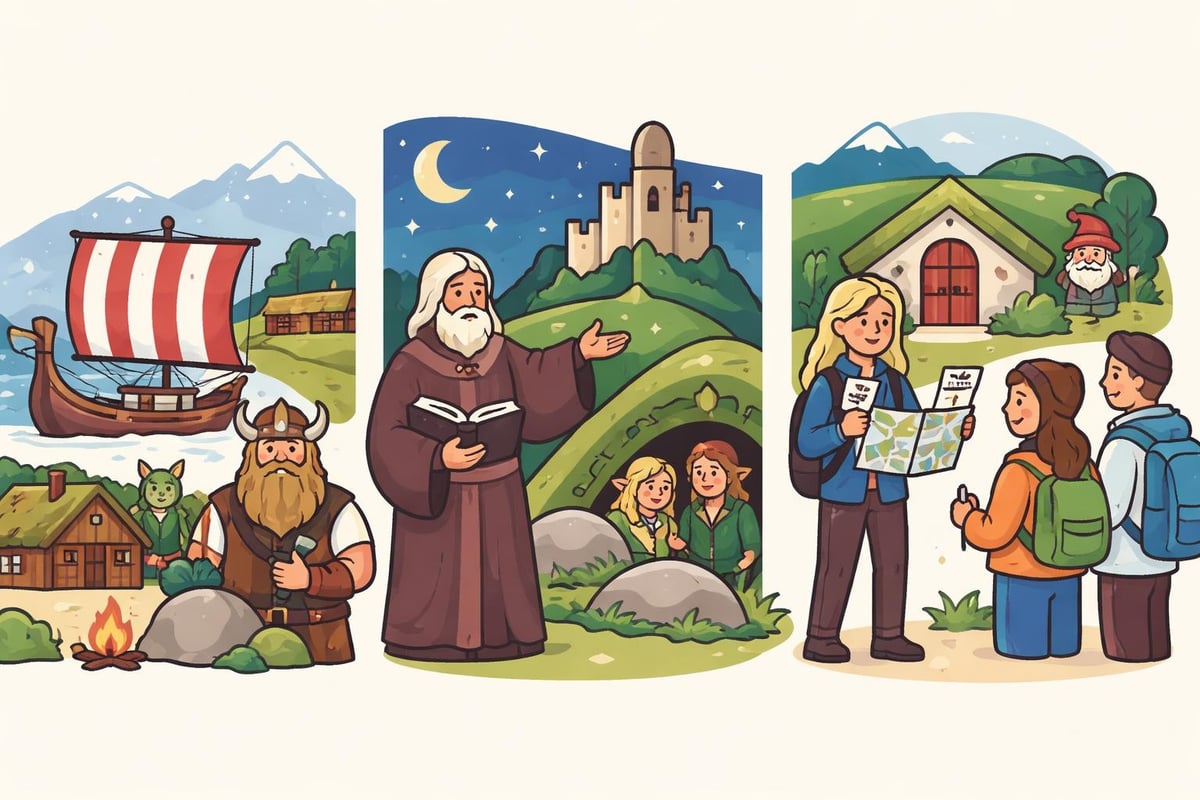
Iceland's settlement history directly contributed to the development of elf mythology. When Norse settlers arrived in the 9th century, they brought with them traditions of nature spirits and supernatural beings. The island's isolated geography, harsh climate, and dramatic landscapes created an environment where folklore flourished.
The long, dark winters naturally fostered storytelling traditions. Families gathered indoors for months, sharing tales that blended entertainment with moral lessons. These stories served multiple purposes:
- Explaining natural phenomena before scientific understanding
- Teaching children about dangerous terrain through cautionary tales
- Preserving cultural identity across generations
- Creating community bonds through shared beliefs
Modern Belief Statistics
Contemporary surveys reveal surprising levels of belief persistence. While exact percentages vary depending on how questions are framed, studies consistently show that a significant portion of Icelanders maintain some level of openness to elf existence. Research indicates that many Icelanders prefer not to deny the possibility rather than committing to absolute belief or disbelief.
This nuanced position reflects a cultural pragmatism. Whether one truly believes becomes less important than respecting traditions and acknowledging the mysteries that remain in nature.
How Elves Iceland Beliefs Shape Infrastructure
Perhaps nowhere is the practical impact of elf folklore more visible than in construction and development projects. Iceland has earned international attention for how infrastructure planning accommodates elf habitats, demonstrating a unique intersection of mythology and modern engineering.
Construction Delays and Route Changes
Multiple documented cases exist where road construction faced delays or route modifications due to elf considerations. Highway projects have been rerouted around specific rock formations believed to house hidden people. While skeptics attribute these decisions to environmental concerns or geological instability, the official reasoning often includes respect for elf dwellings.
| Project Type | Location | Outcome | Year |
|---|---|---|---|
| Highway Extension | Álfhólsvegur | Route altered around rocks | 2013 |
| Residential Development | Kópavogur | Construction delayed 6 months | 2015 |
| Quarry Expansion | Hafnarfjörður | Site abandoned | 2010 |
| Road Widening | Reykjavík suburbs | Rock relocated carefully | 2018 |
Economic and Environmental Implications
The respect for elf habitats creates tangible economic consequences. Construction companies may hire elf whisperers or consultants to assess sites. Projects face extended timelines and increased costs when routes require modification. However, these practices also generate unexpected benefits.
Environmental protection receives natural reinforcement through folklore. Rock formations, small hills, and natural features gain protection not solely through environmental legislation but through cultural reverence. This dual protection mechanism has preserved numerous geological features that might otherwise have been removed for convenience.
The Tourist Experience of Elves Iceland Culture
For visitors to Iceland, elf culture provides enriching experiences that complement natural attractions. Understanding how to engage authentically with this aspect of Icelandic heritage enhances any visit, particularly for those already drawn to the country's mystical qualities like the aurora borealis.
Educational Opportunities
The Icelandic Elf School in Reykjavík offers formal instruction in local folklore. This unique institution teaches visitors about the thirteen types of elves recognized in Icelandic tradition, their habitats, behaviors, and cultural significance. Classes blend historical context, folklore analysis, and contemporary belief systems.
Guided folklore tours operate throughout Reykjavík and surrounding areas. These experiences differ significantly from superficial tourist attractions, as many guides genuinely respect and sometimes believe in the traditions they share. Similar to how experienced guides lead visitors to optimal northern lights viewing locations, folklore tours take participants to sites with strong mythological connections.

Notable Elf Locations
Several locations throughout Iceland have particularly strong associations with hidden people:
- Hafnarfjörður - Often called Iceland's elf capital, this town near Reykjavík features an elf map identifying over twenty dwelling sites
- Reynisfjara Black Sand Beach - The basalt columns are considered elf churches and homes
- Dimmuborgir Lava Fields - This area near Lake Mývatn contains rock formations with rich folklore
- Ásbyrgi Canyon - A horseshoe-shaped canyon with legends of elf gatherings
These locations can be incorporated into broader adventure tours that combine natural wonders with cultural exploration.
Elves Iceland and Environmental Conservation
The intersection of elf beliefs and environmental protection reveals sophisticated cultural mechanisms for nature preservation. This relationship demonstrates how traditional knowledge and modern conservation goals can align effectively.
Folklore as Conservation Tool
Traditional beliefs created de facto protected zones long before formal environmental legislation. Rocks housing elves became untouchable. Hills with elf churches warranted respect. Small groves and natural features gained protection through supernatural association.
Research into environmental decision-making shows that elf considerations sometimes provide additional leverage for conservation efforts. When purely scientific or legal arguments prove insufficient, folklore offers alternative justification for preservation.
Balancing Development and Tradition
Iceland faces constant tension between economic development and preservation. As tourism grows and infrastructure demands increase, maintaining balance becomes more challenging. Elf folklore provides a unique negotiating framework.
Developers who respect local traditions and engage with community concerns about elf habitats often find smoother approval processes. Those who dismiss folklore as mere superstition may encounter unexpected resistance. This dynamic creates practical incentives for respecting cultural beliefs regardless of personal conviction.
Integration with Modern Icelandic Identity
The persistence of elves Iceland beliefs in a technologically advanced, highly educated society intrigues observers worldwide. Iceland boasts high literacy rates, robust scientific institutions, and modern infrastructure, yet maintains strong connections to folklore traditions.
Rational Belief and Cultural Identity
Many Icelanders who maintain openness to elf existence frame their position carefully. Rather than claiming absolute belief, they express respect for possibilities and appreciation for cultural heritage. This position allows simultaneous engagement with modern rational thought and traditional cultural values.
The concept functions similarly to how some cultures maintain religious practices while embracing scientific worldviews. Beliefs operate on different levels, serving distinct social and psychological functions.
Youth and Generational Transmission
Younger generations show varied attitudes toward elf folklore. Urban youth may express more skepticism than rural populations, yet cultural education ensures continued exposure to traditions. Schools include folklore in cultural studies. Families share stories during gatherings. Media representations in literature and film keep narratives alive.
This generational transmission ensures that even skeptics possess cultural literacy about elves Iceland mythology. Knowledge of traditions persists even when literal belief diminishes.

Connecting Folklore with Northern Lights Tourism
Visitors who travel to Iceland for northern lights tours often discover unexpected appreciation for local folklore. The same qualities that draw people to witness the aurora borealis create receptiveness to elf culture.
Shared Mystical Experience
Both northern lights viewing and elf folklore engagement tap into human fascination with natural mysteries. The aurora represents scientifically explainable phenomena that nonetheless inspire awe and wonder. Elf beliefs represent cultural expressions of landscape reverence and acknowledgment of nature's power.
Guides who lead aurora chasing expeditions frequently incorporate local folklore into their narratives. Stories about hidden people, Icelandic Yule Lads, and other mythological beings enrich the experience during travel time and waiting periods.
Enhanced Cultural Immersion
Travelers seeking authentic experiences benefit from understanding multiple dimensions of Icelandic culture. A comprehensive visit might include:
- Natural phenomena like northern lights, glaciers, and waterfalls
- Adventure activities such as glacier hiking and volcano exploration
- Cultural experiences including folklore tours and traditional cuisine
- Urban exploration of Reykjavík's restaurants and museums
This multifaceted approach creates richer memories and deeper appreciation for Iceland's unique character.
Practical Visitor Guidelines
For travelers interested in exploring elves Iceland culture respectfully and meaningfully, several guidelines enhance the experience while honoring local traditions.
Respectful Engagement
Approach folklore with genuine curiosity rather than mockery. While maintaining personal skepticism is acceptable, dismissive attitudes disrespect cultural values. Icelanders generally welcome sincere questions and appreciate visitors who show interest in traditions.
When visiting locations associated with hidden people, observe local customs. Some sites request that visitors avoid disturbing rocks or natural features. Others encourage leaving small offerings or simply spending quiet moments appreciating the landscape.
Combining Experiences
Maximize your Iceland visit by integrating folklore exploration with other activities:
| Morning | Afternoon | Evening |
|---|---|---|
| Folklore museum visit | Landscape photography at elf sites | Northern lights tour with storytelling |
| Elf School class | Waterfall hiking | Traditional Icelandic dinner |
| Hafnarfjörður elf walk | Superjeep adventure | Evening folklore storytelling |
This scheduling approach creates full days that balance education, adventure, and cultural immersion.
Seasonal Considerations
Winter visits offer unique folklore experiences. The long dark hours create atmosphere conducive to mythological storytelling. The same conditions that make Iceland ideal for northern lights viewing enhance elf folklore tours.
Summer's midnight sun provides extended daylight for exploring outdoor elf sites. The bright conditions allow detailed examination of rock formations and natural features associated with hidden people.
Academic and Anthropological Perspectives
Scholars studying elves Iceland phenomena approach the subject from multiple disciplinary angles. Anthropological research examines belief systems, cultural transmission, and social functions. Psychological studies explore why beliefs persist in modern contexts. Environmental researchers investigate how folklore influences conservation behaviors.
Research Findings
Academic investigations reveal complex motivations behind elf belief maintenance. Rather than simple superstition, researchers identify sophisticated cultural mechanisms serving multiple purposes. Folklore maintains social cohesion, provides environmental protection frameworks, and preserves cultural distinctiveness in an increasingly globalized world.
Studies also document how beliefs adapt to changing circumstances while maintaining core characteristics. Modern elf narratives incorporate contemporary elements while preserving traditional structures. This adaptive quality ensures relevance across changing social contexts.
International Comparisons
Iceland's hidden people share characteristics with similar beings in other cultures. Scandinavian countries have comparable folklore traditions. Celtic nations feature fairy folk with parallel attributes. These cross-cultural similarities suggest common human responses to natural environments and social needs.
However, Iceland's unique aspect lies in belief persistence into the modern era. While other nations relegated folklore to historical curiosity or children's entertainment, Iceland maintained active cultural engagement with traditional narratives.
Economic Impact of Folklore Tourism
The commercial dimensions of elves Iceland culture generate measurable economic activity. Tourism related to folklore creates jobs, supports businesses, and contributes to Iceland's destination marketing differentiation.
Direct Revenue Streams
Folklore tourism generates income through multiple channels:
- Guided tour fees from elf-focused experiences
- Admission charges for museums and educational facilities
- Souvenir sales featuring elf imagery and themes
- Specialized accommodation marketing elf proximity
- Publishing revenue from folklore books and media
Broader Destination Branding
Elf folklore contributes to Iceland's overall tourism brand identity. The country markets itself as a land of natural wonders and mystical traditions. This positioning differentiates Iceland from competing northern destinations and attracts visitors seeking unique experiences.
The folklore element particularly appeals to travelers interested in authentic cultural experiences rather than generic sightseeing. This segment often demonstrates higher spending patterns and longer stays, generating greater economic impact per visitor.
Iceland's elf folklore represents far more than quaint superstition, functioning as a living cultural tradition that shapes environmental decisions, enriches visitor experiences, and maintains national identity in an increasingly homogenized world. Whether you approach these beliefs with conviction or curiosity, engaging with this aspect of Icelandic culture adds depth and meaning to any visit. When you book your aurora chasing adventure with Reykjavik Northern Lights, you're not just pursuing celestial phenomena but stepping into a landscape where ancient traditions and natural wonders create unforgettable experiences that transcend ordinary tourism.