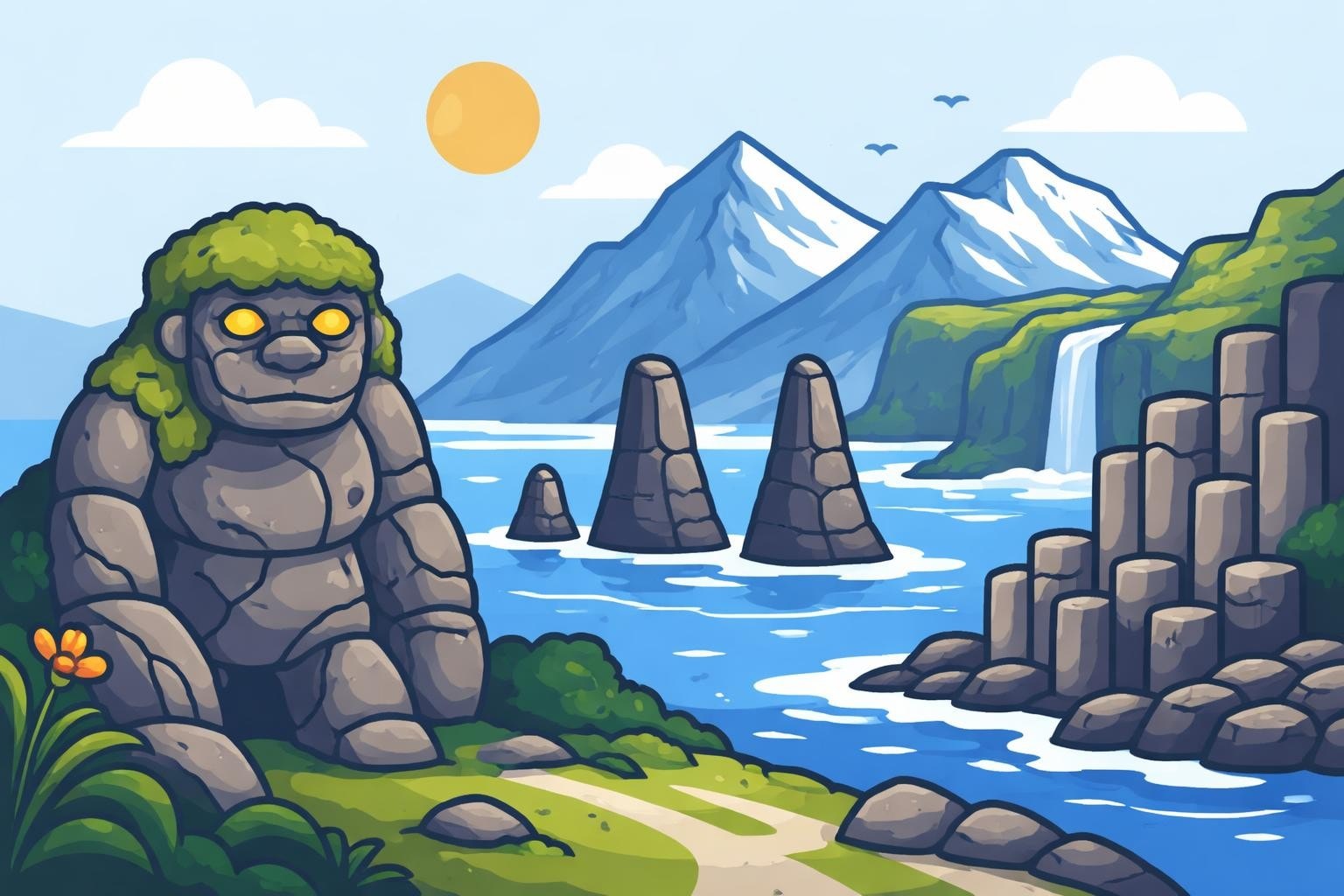
Iceland's dramatic landscape tells stories far older than the Viking age, where towering basalt formations and mysterious rock stacks stand as silent witnesses to ancient folklore. The legends of trolls Iceland preserves through generations connect natural wonders with mythical beings, creating a cultural tapestry that defines the nation's identity. These creatures of folklore appear throughout Iceland's geography, from coastal sea stacks to mountainous peninsulas, each formation carrying its own tale of trolls turned to stone by daylight.
The Origins of Troll Folklore in Iceland
Trolls Iceland mythology describes are fundamentally different from their Scandinavian cousins. These massive, slow-witted creatures inhabited the harsh Icelandic wilderness long before human settlement, according to traditional tales passed down through centuries.
Key characteristics of Icelandic trolls include:
- Extreme sensitivity to sunlight, which turns them to stone instantly
- Massive physical size, often described as mountain-like
- Limited intelligence but great strength
- Nocturnal habits, emerging only after darkness falls
- Deep connection to specific geographical locations
The rich tradition of Icelandic folklore reveals how these beings served as explanations for unusual geological formations that early settlers encountered. When Norse Vikings arrived in the 9th century, they found a land shaped by volcanic activity and glacial movements, creating bizarre rock structures that demanded supernatural explanation.
How Troll Legends Shaped Icelandic Culture
The influence of troll mythology extends beyond simple storytelling. These legends became integrated into Iceland's cultural identity, affecting everything from place names to Christmas traditions. The Icelandic Yule Lads tradition connects directly to troll folklore, featuring thirteen mischievous characters and their troll mother Grýla.
Trolls Iceland stories describe often served practical purposes for early communities. Parents used troll tales to keep children from wandering into dangerous areas at night, while the stories themselves preserved geographical knowledge through memorable narratives.
Famous Troll Formations Across Iceland
Iceland's landscape features dozens of rock formations attributed to petrified trolls, each with distinctive stories explaining their creation. These sites have become essential destinations for visitors exploring Iceland's supernatural heritage.
Reynisdrangar: The Ship-Dragging Trolls
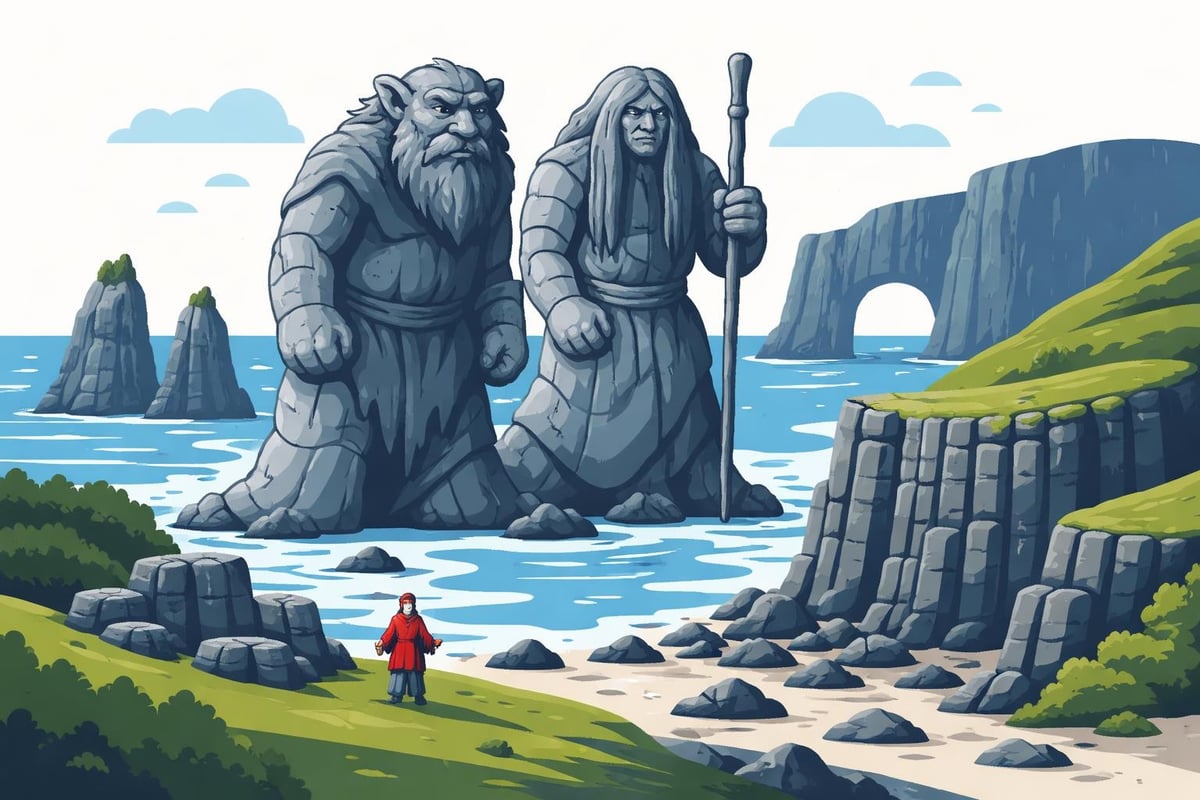
The dramatic basalt sea stacks of Reynisdrangar near Vík í Mýrdal represent perhaps Iceland's most photographed troll formation. Legend tells of two trolls who attempted to drag a three-masted ship to shore during the night. Absorbed in their effort, they failed to notice the approaching dawn, and the first rays of sunlight transformed them into stone pillars that still stand in the Atlantic surf.
| Formation Name | Location | Height | Legend Summary |
|---|---|---|---|
| Reynisdrangar | South Coast | 66 meters | Two trolls dragging a ship |
| Hvítserkur | Northwest | 15 meters | Troll drinking from sea |
| Dverghamrar | Southeast | Varies | Dwarf and troll dwellings |
Many visitors who join northern lights tours along Iceland's southern coast stop at Reynisdrangar, where the black sand beach provides spectacular views of these troll-turned-sea-stacks against dancing auroras.
Hvítserkur: The Drinking Troll
In northwest Iceland, Hvítserkur rises from Húnafjörður bay like a petrified dragon or, according to local folklore, a troll caught drinking seawater. This 15-meter basalt stack features distinctive holes at its base that resemble eyes and nostrils, strengthening its creature-like appearance.
The formation has become increasingly fragile over time. Concrete reinforcements now protect the base from erosion, ensuring future generations can witness this spectacular example of trolls Iceland mythology has preserved in stone.
Tröllaskagi: The Troll Peninsula
The mountainous Tröllaskagi peninsula in northern Iceland carries the troll connection directly in its name, which translates to "Troll Peninsula." This rugged landscape of deep fjords and towering peaks provided the perfect setting for countless troll tales.
The peninsula's dramatic terrain, featuring some of Iceland's best hiking opportunities, creates an atmospheric backdrop that makes troll legends feel tangible. Winter visitors exploring adventure tours in Iceland often traverse this region, where darkness and mountain shadows bring folklore to life.
Troll Behavior and Characteristics in Icelandic Lore
Understanding trolls Iceland folklore presents requires examining their behaviors, habitats, and interactions with humans. These details appear consistently across hundreds of regional tales collected over centuries.
Physical Attributes and Weaknesses
Trolls possessed enormous strength but limited mental capacity. They stood many times taller than humans, with some stories describing trolls as large as mountains themselves. Their most significant weakness remained their vulnerability to sunlight.
Common troll vulnerabilities:
- Direct sunlight causing immediate petrification
- Church bells, which could drive them away or cause confusion
- Cleverness and riddles, which humans could use to outwit them
- Christian symbols and prayers
The sunlight weakness explains why so many troll formations appear in exposed coastal or mountainous locations. According to Icelandic folklore traditions, trolls would venture too far from their caves during nighttime activities, becoming trapped when dawn arrived unexpectedly.
Social Structure and Habitats
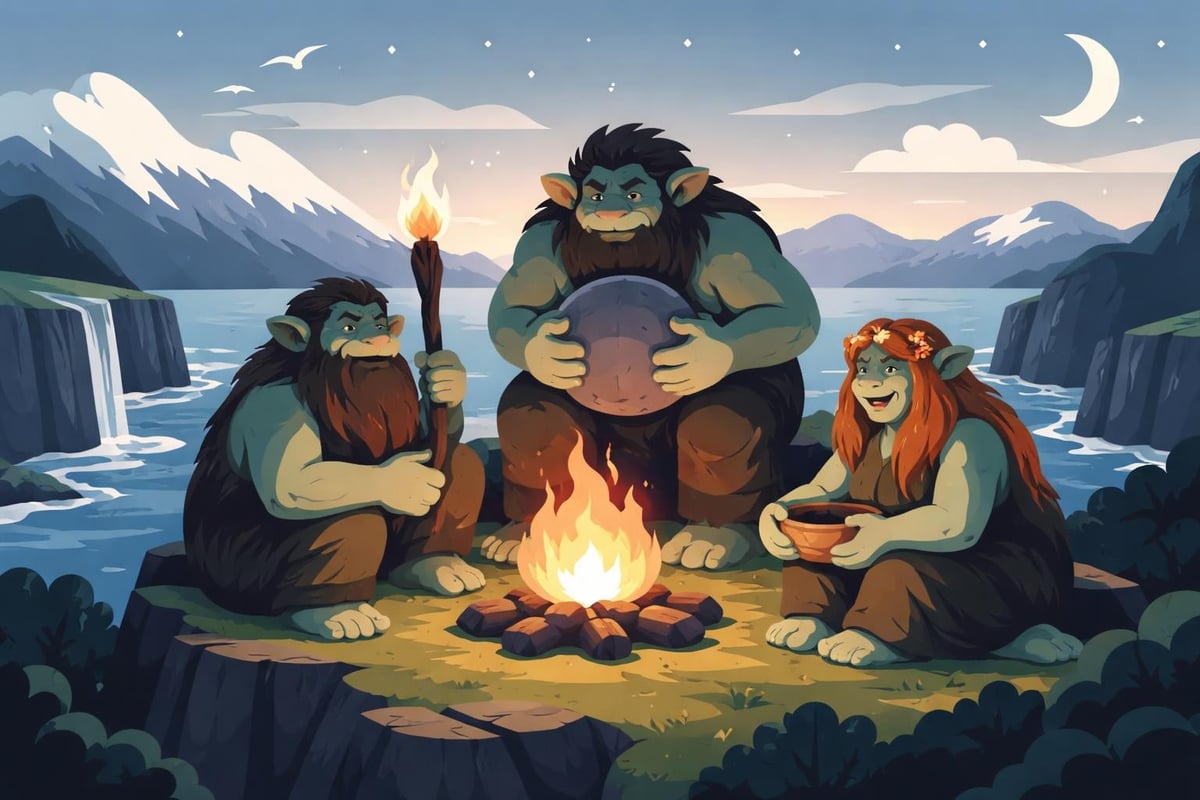
Trolls Iceland legends describe typically lived solitary lives in caves, mountains, or coastal cliffs. However, some stories mention troll gatherings or parliaments. Ketubjörg, sea cliffs in Skagafjörður, reportedly hosted a troll parliament called Tröllalögrétta, where these creatures would meet to discuss important matters.
Female trolls, called gýgjar, appear prominently in folklore. Grýla, mother of the Yule Lads, represents the most famous female troll in Icelandic tradition. These female trolls often displayed more cunning than their male counterparts, using magic and deception rather than relying solely on brute strength.
Trolls in Modern Icelandic Culture
The influence of trolls Iceland folklore maintains extends well into contemporary culture, affecting tourism, art, literature, and national identity. These ancient legends continue evolving while preserving their essential character.
Tourism and Troll Sites
Geological formations associated with troll legends have become significant tourist attractions. Visitors traveling to Iceland's best waterfalls or embarking on glacier hikes frequently encounter troll-related sites and stories.
Tour operators incorporate folklore into their narratives, enriching visitors' understanding of Iceland's landscape. Evening tours particularly benefit from troll storytelling, as darkness and natural phenomena like the northern lights create perfect atmospheric conditions for sharing these ancient tales.
| Cultural Element | Troll Connection | Modern Expression |
|---|---|---|
| Place Names | Over 1,000 locations reference trolls | Maps, tourism materials |
| Christmas Traditions | Yule Lads and Grýla | Decorations, children's books |
| Art and Sculpture | Troll representations | Public installations, souvenirs |
| Literature | Folk tales and sagas | Contemporary novels, poetry |
Preservation of Folklore
Organizations dedicated to preserving Icelandic heritage work actively to document and share troll legends. Museums throughout Iceland feature exhibits exploring how these stories developed and their significance to national identity.
The cultural impact of Icelandic myths extends beyond entertainment value. These stories represent valuable ethnographic records, preserving details about early Icelandic life, values, and environmental understanding.
Regional Variations in Troll Legends
Different regions of Iceland developed unique troll traditions reflecting local geography and community experiences. Coastal areas emphasized sea-dwelling trolls, while inland regions focused on mountain trolls.
Northern Iceland Troll Tales
Northern regions, including the Tröllaskagi peninsula, developed extensive troll folklore. The long winter darkness provided ample storytelling opportunities, and the dramatic landscape offered countless formations requiring mythological explanation.
Stories from this region often featured trolls attempting to destroy churches or interfere with Christian worship, reflecting the historical tension between pagan traditions and Christianity's arrival in Iceland around 1000 CE.
Southern and Eastern Troll Stories
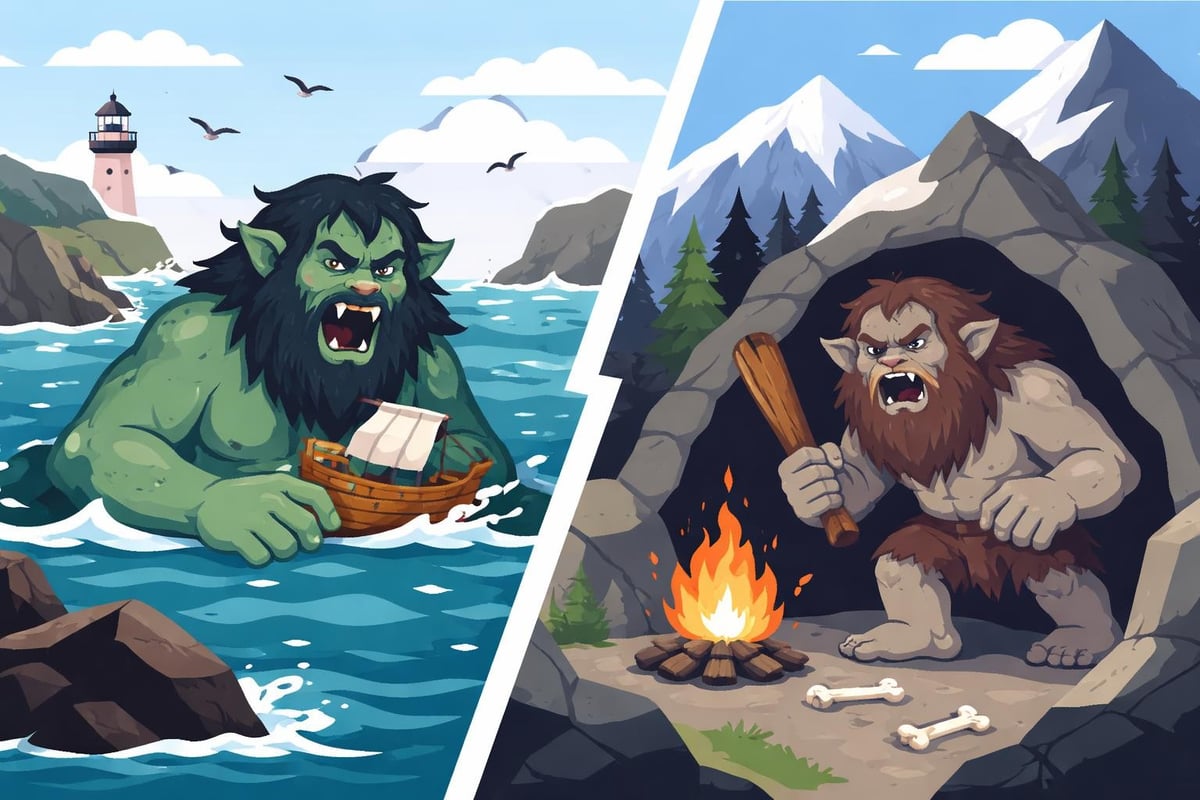
The south and east coasts, with their black sand beaches and basalt columns, generated legends of trolls emerging from the sea. Dverghamrar in the southeast presents columnar basalt formations associated with both dwarfs and trolls, showing how different supernatural beings could share legendary connections to single locations.
These regions emphasized trolls' interactions with fishermen and coastal settlers, with stories warning about the dangers of nighttime coastal travel.
Western Iceland and the Westfjords
The remote Westfjords region preserved particularly ancient troll traditions. The isolated communities maintained oral storytelling traditions longer than more accessible areas, resulting in detailed, elaborate troll legends.
Western trolls Iceland tales describe often possessed more complex personalities, including tragic elements where trolls displayed unexpected kindness or formed unlikely friendships with humans.
Experiencing Troll Folklore During Your Iceland Visit
Travelers seeking authentic encounters with trolls Iceland mythology celebrates should plan visits incorporating both natural sites and cultural experiences. The combination creates comprehensive understanding of how folklore and landscape intertwine.
Best Seasons for Troll Site Visits
Winter offers atmospheric advantages for experiencing troll formations. Limited daylight hours, dramatic weather, and the possibility of viewing the northern lights near troll sites create memorable experiences. Visitors can explore the best places for northern lights while discovering troll-related formations.
Summer provides better accessibility to remote locations and extended daylight for photography. However, the midnight sun diminishes the mysterious atmosphere that makes troll legends feel immediate and real.
Seasonal considerations for troll tourism:
- Winter (November-March): Atmospheric darkness, northern lights potential, limited access to remote sites
- Spring/Fall (April-May, September-October): Balanced daylight, fewer crowds, variable weather
- Summer (June-August): Maximum accessibility, midnight sun, peak tourism season
Combining Troll Sites with Northern Lights Tours
Many troll formations occupy areas with minimal light pollution, making them excellent locations for aurora viewing. The combination of ancient folklore and natural light displays creates powerful experiences that connect visitors with Iceland's mystical qualities.
Professional guides familiar with both troll legends and aurora forecasting can position groups for optimal experiences. Available tours often incorporate storytelling elements that bring these ancient tales alive against backdrops of dancing green lights.
Practical Tips for Troll Formation Visits
Safety should remain paramount when visiting geological sites associated with troll legends. Many formations occupy coastal areas with strong currents or clifftop locations requiring careful navigation.
- Research access conditions before visiting remote formations
- Respect safety barriers protecting both visitors and fragile formations
- Consider guided experiences for historical context and safety
- Bring appropriate weather gear as conditions change rapidly
- Time visits carefully considering tide schedules for coastal formations
The Educational Value of Troll Folklore
Beyond entertainment, trolls Iceland preserves through folklore offer educational insights into geology, history, and cultural anthropology. These stories provide accessible frameworks for understanding complex natural processes.
Geology Through Mythology
Troll legends helped early Icelanders process and remember significant geological features. Modern visitors can use these same stories as memory aids while learning about volcanic basalt formation, erosion patterns, and glacial sculpting.
The columnar basalt structures that appear throughout Iceland resulted from rapid cooling of lava flows. Ancient settlers lacking scientific knowledge attributed these geometric formations to supernatural craftsmanship or, more commonly, petrified trolls frozen in dramatic poses.
Cultural Identity and National Character
The persistence of troll folklore reveals important aspects of Icelandic national character. The stories celebrate cleverness over strength, community cooperation, and respect for natural forces beyond human control.
These values continue influencing modern Icelandic society, where environmental conservation, literacy, and creative problem-solving remain highly valued. Understanding the trolls Iceland mythology maintains provides deeper appreciation for contemporary culture.
Troll-Related Activities and Experiences
Visitors can engage with troll folklore through various activities beyond simply viewing formations. These experiences range from casual to deeply immersive.
Museums and Cultural Centers
Several Icelandic museums feature extensive folklore collections, including troll-related artifacts, historical documents, and multimedia presentations. The Icelandic Museum of Rock 'n' Roll, despite its name, includes local folklore exhibits, while smaller regional museums often maintain exceptional troll story collections.
Storytelling Events and Performances
During winter months, particularly around Christmas, many venues host storytelling events featuring troll tales. These performances often occur in atmospheric settings like historic buildings or even outdoors near actual troll formations.
Photography and Art Opportunities
The distinctive shapes of troll formations inspire photographers and artists worldwide. Golden hour lighting, storm conditions, and aurora backdrops create countless creative possibilities.
Professional photography guides familiar with troll sites can help visitors capture compelling images while sharing the stories behind each formation. These guided experiences often explore Iceland's best hiking areas connecting multiple legendary sites.
The enduring legends of trolls Iceland preserves connect visitors with centuries of storytelling tradition while providing context for the country's extraordinary landscape. These myths transform geological curiosities into characters with personalities, motivations, and cautionary tales that resonate across cultures. When you're ready to explore these legendary landscapes yourself, Reykjavik Northern Lights offers expertly guided tours that combine aurora viewing with Iceland's rich folklore heritage, ensuring you experience both natural wonders and the stories that make them unforgettable.