The quest to witness the aurora borealis dancing across the night sky draws thousands of travelers to Arctic destinations each year. Finding the best place for northern lights viewing requires understanding multiple factors including geographic location, seasonal timing, weather patterns, and solar activity. With 2026 expected to deliver exceptional aurora displays due to heightened solar activity near the peak of the current solar cycle, choosing the right destination has never been more important for travelers seeking this bucket-list experience.
Understanding Northern Lights Geography
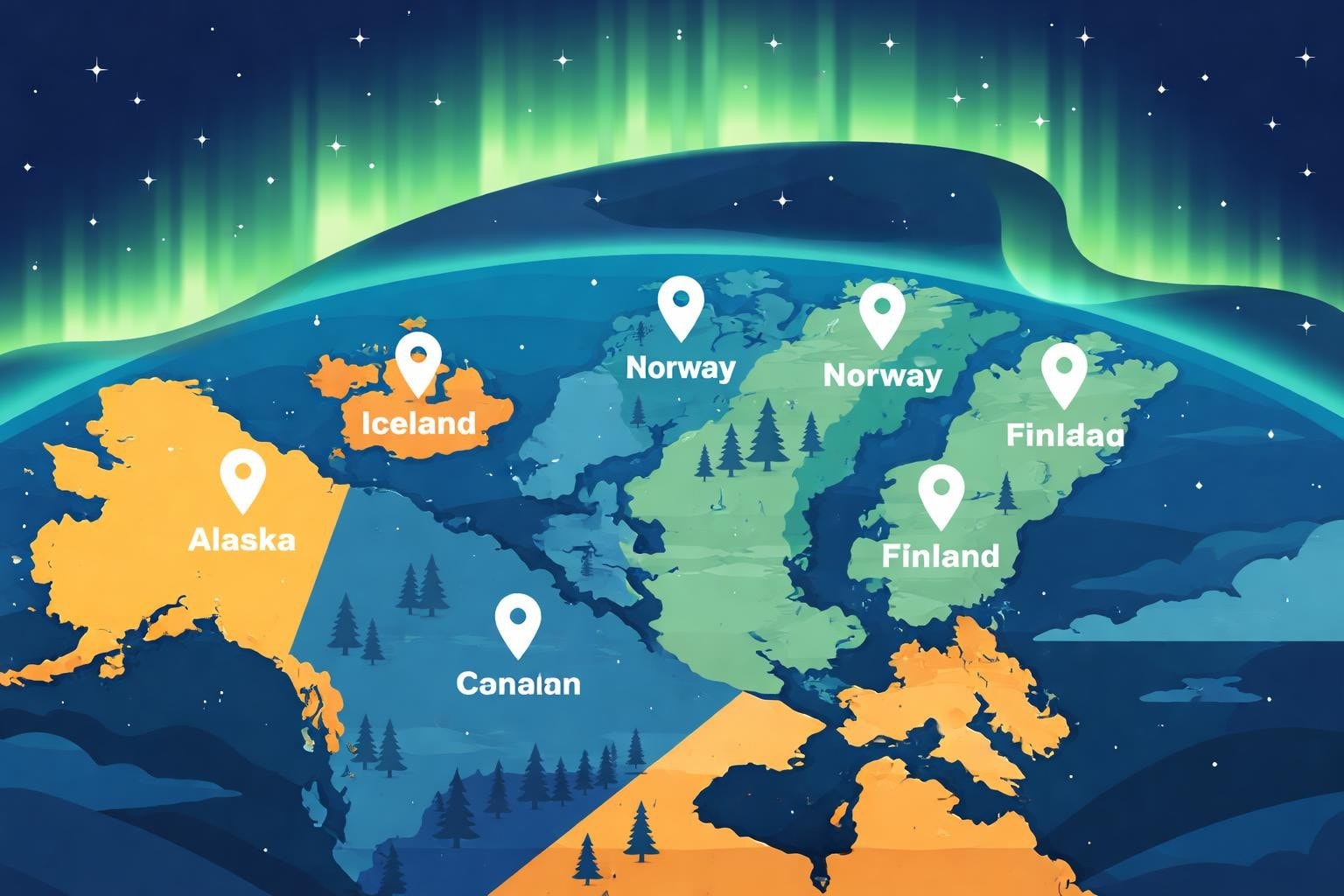
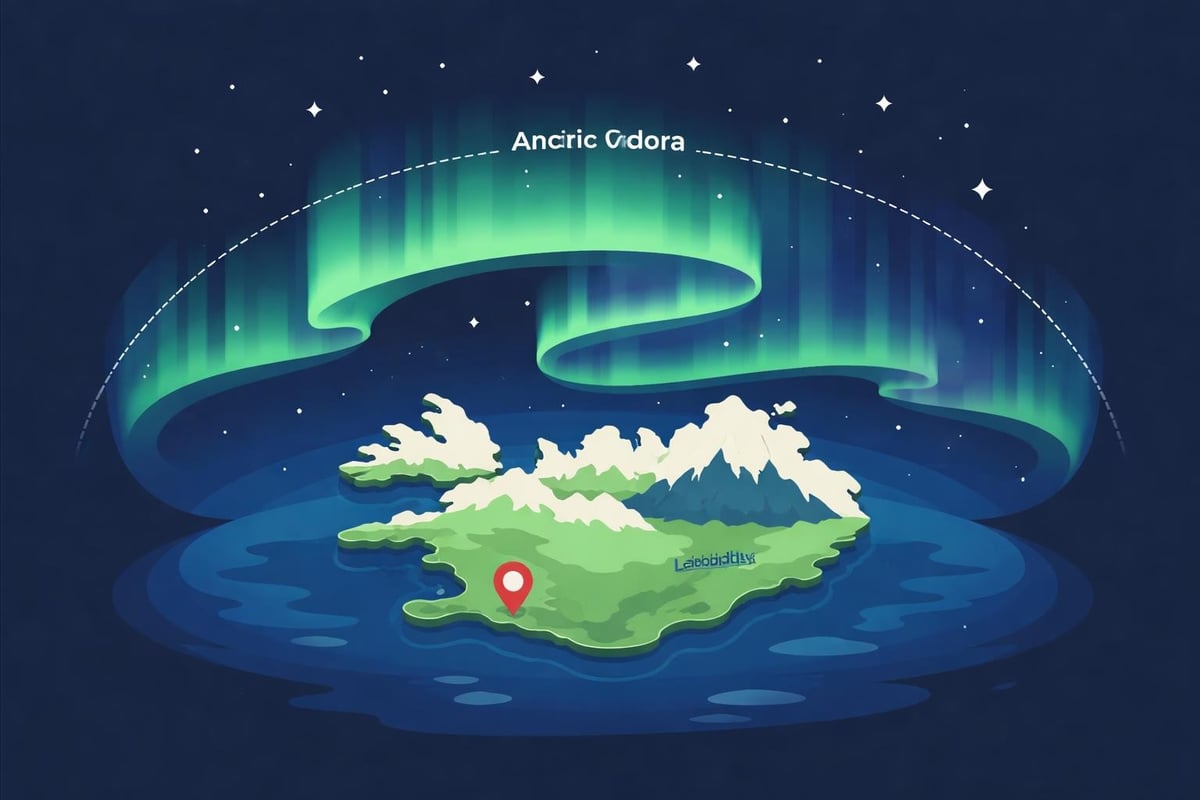
The aurora borealis appears in an oval-shaped zone around the magnetic North Pole, typically between 65 and 72 degrees north latitude. This auroral zone creates a natural viewing belt that spans several countries and regions, each offering unique advantages for aurora hunters.
The Auroral Oval Sweet Spot
Countries positioned directly beneath this auroral oval provide the most consistent viewing opportunities. Iceland, northern Norway, Sweden, Finland, Canada, and Alaska all fall within this prime zone. The best place for northern lights observation balances being far enough north to sit under the auroral oval while remaining accessible enough for travelers to reach comfortably.
Solar activity determines how far south the aurora can be seen. During periods of intense geomagnetic storms, the lights may be visible at lower latitudes. March 2026 may offer exceptional viewing opportunities due to the convergence of equinox effects and peak solar cycle activity.
Iceland: The Accessible Aurora Paradise
Iceland has emerged as one of the most popular destinations for northern lights tourism, combining accessibility with excellent viewing conditions. The entire country sits just below the Arctic Circle, placing it in an ideal position for regular aurora activity from September through April.
Why Iceland Stands Out
Accessibility advantages:
- Direct flights from North America and Europe
- Well-developed tourism infrastructure
- English widely spoken
- Compact size allows multiple location attempts in one trip
Weather considerations:
- Coastal climate brings variable conditions
- Multiple microclimates offer backup locations
- Gulf Stream keeps temperatures milder than comparable latitudes
The Reykjavik area serves as an excellent base for aurora hunting, with specialized northern lights tours departing nightly to chase clear skies using real-time weather monitoring and sky routing technology.
Iceland's Top Viewing Locations
| Location | Distance from Reykjavik | Key Advantages | Best For |
|---|---|---|---|
| Thingvellir National Park | 45 minutes | Dark sky park, minimal light pollution | First-time visitors |
| South Coast | 1-2 hours | Low horizon, coastal landscapes | Photography enthusiasts |
| Snaefellsnes Peninsula | 2 hours | Mountain backdrop, diverse terrain | Adventure seekers |
| Northern Iceland | 5-6 hours | Higher latitude, consistent activity | Extended trips |
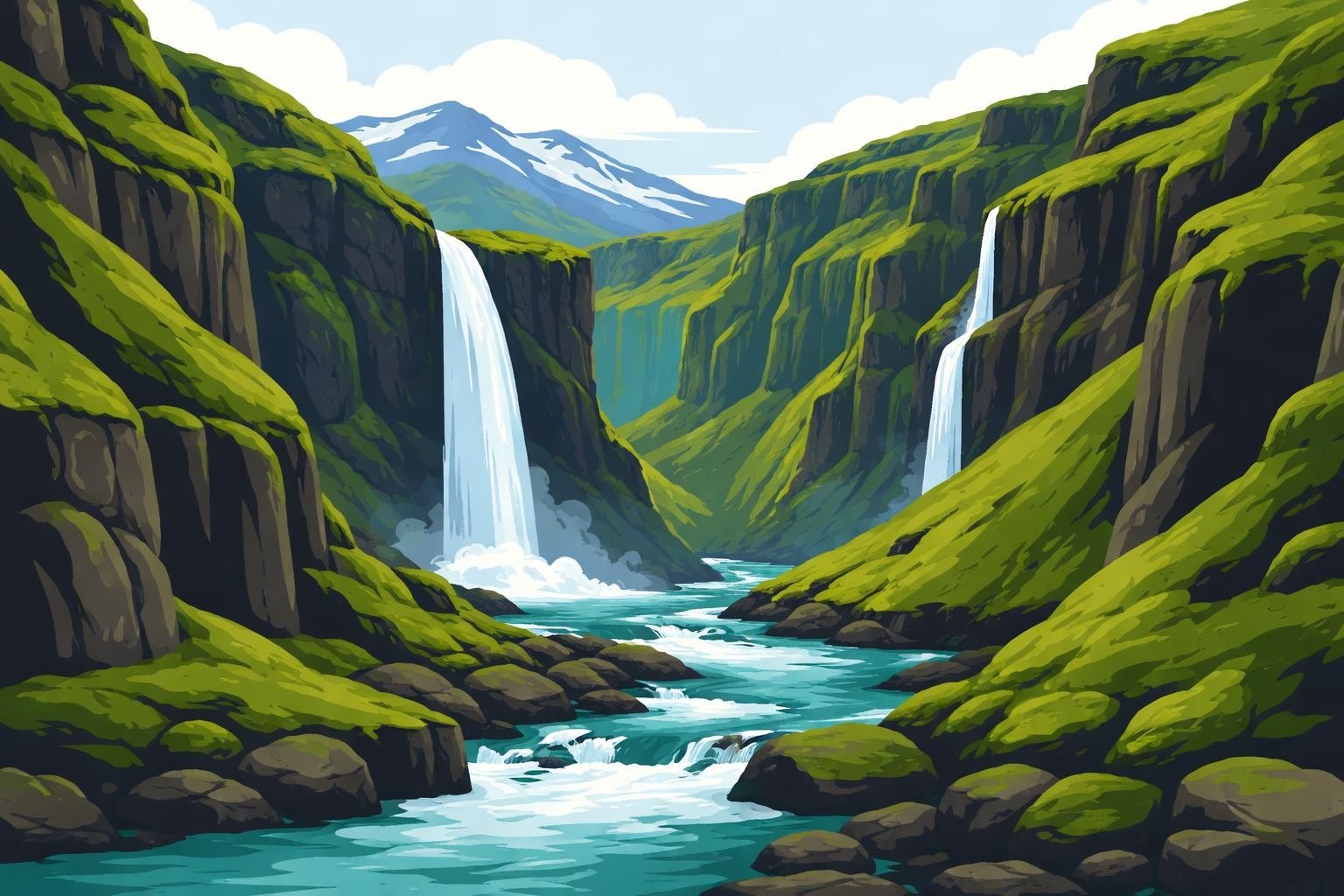
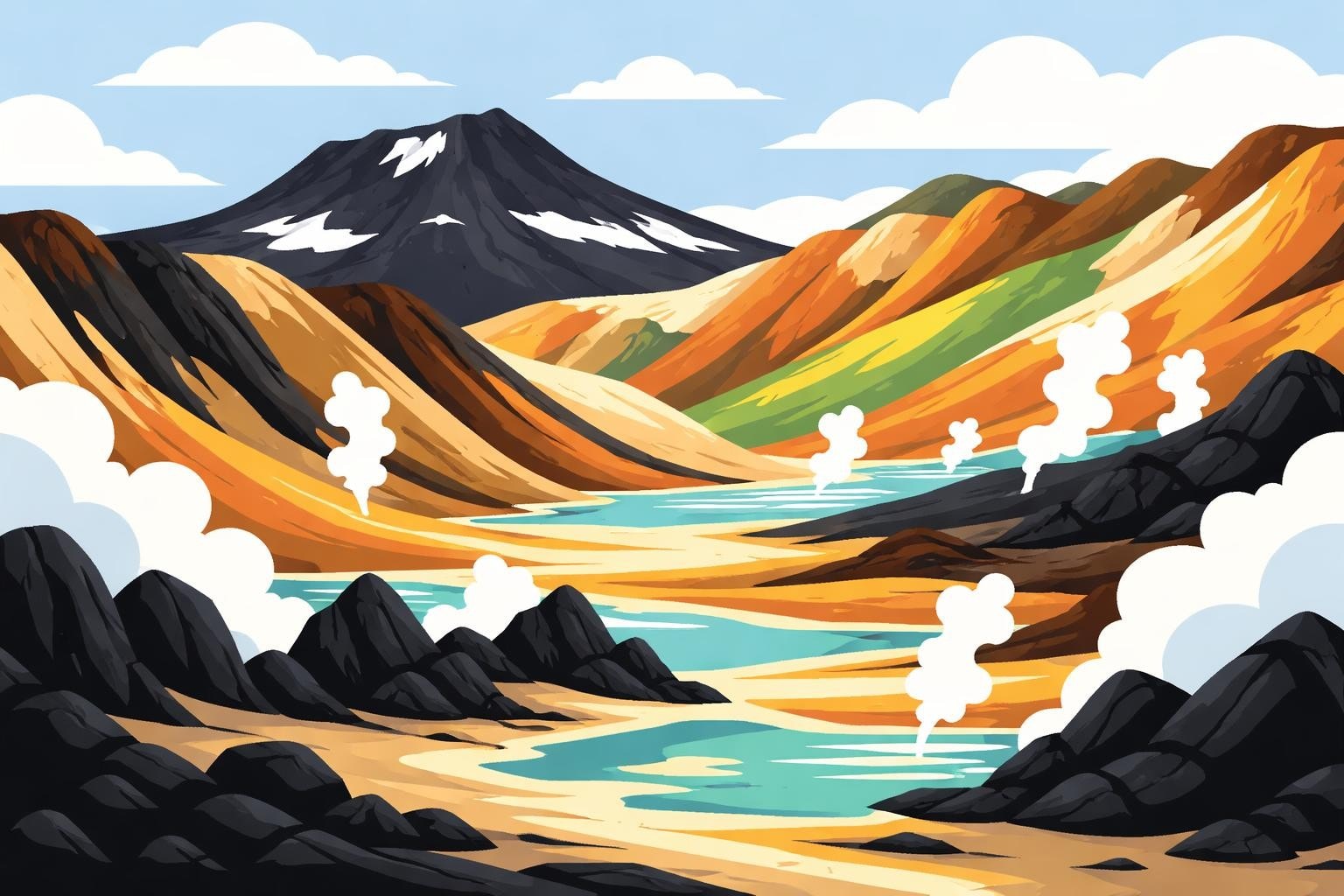
Iceland's varied landscape provides dramatic foregrounds for aurora photography, from glaciers and waterfalls to volcanic formations and black sand beaches. This combination of natural beauty with aurora viewing opportunities makes it a compelling choice for travelers seeking more than just the lights themselves.
Norway: The Arctic Kingdom
Northern Norway, particularly the region around Tromsø, consistently ranks among the best places for northern lights viewing worldwide. The area's position well inside the Arctic Circle, combined with the warming influence of the Gulf Stream, creates ideal conditions for both aurora activity and visitor comfort.
Tromsø: The Aurora Capital
Tromsø sits at 69 degrees north, placing it directly beneath the auroral oval. This Norwegian city offers exceptional viewing opportunities from late September through late March, with polar night conditions from November to January providing extended darkness for optimal viewing.
Key advantages of Tromsø:
- Sophisticated aurora tourism infrastructure
- Professional guide networks
- Research institutions monitoring aurora activity
- Alternative activities during cloudy nights
Other Norwegian Destinations
The Lofoten Islands provide dramatic mountain scenery as a backdrop for the aurora, while Svalbard offers the unique combination of polar bears and northern lights. Alta, known as the "City of the Northern Lights," hosts the world's first Northern Lights Observatory and offers excellent viewing conditions with slightly drier weather patterns than coastal areas.
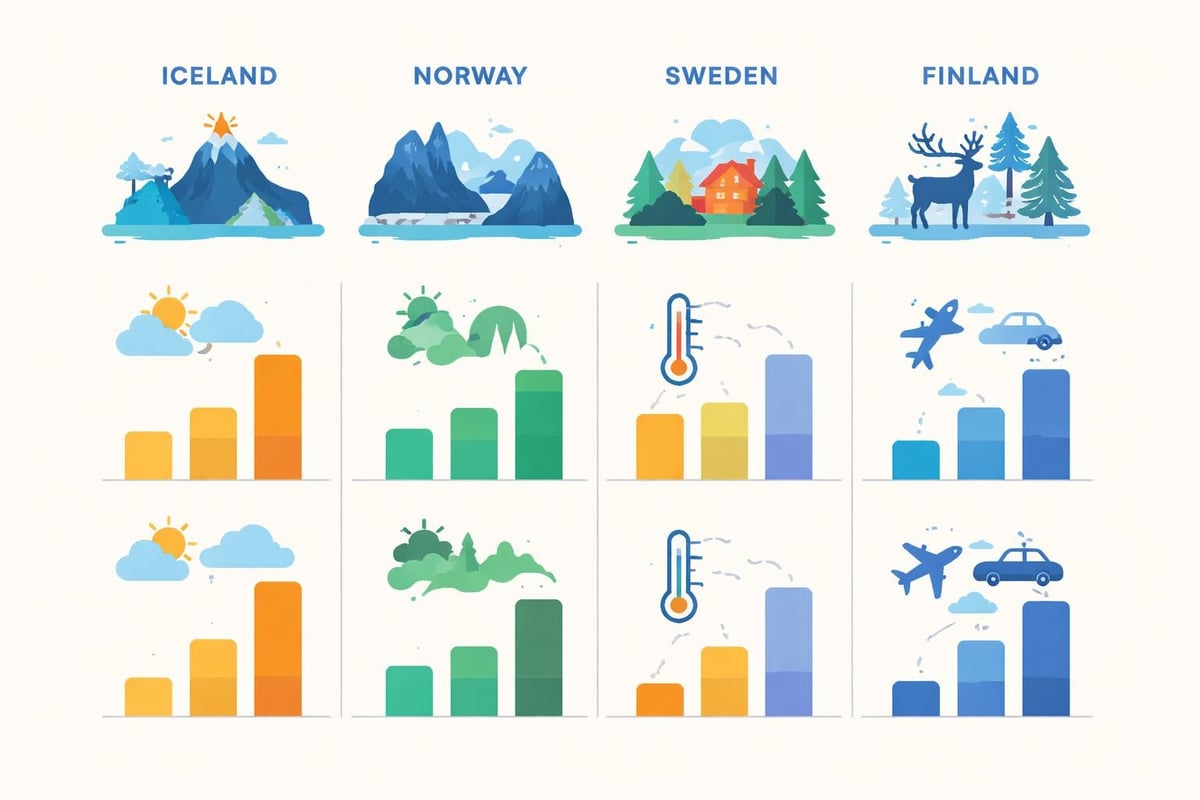
Swedish and Finnish Lapland
Swedish Lapland, particularly around Abisko National Park, claims some of the clearest skies in the aurora zone. The region's inland position creates a "blue hole" weather phenomenon, where cloud formations frequently part to reveal clear skies even when surrounding areas remain overcast.
Abisko: The Clear Sky Champion
Statistical advantages:
- 70% clear sky probability during winter months
- Protected valley reduces cloud formation
- Established viewing infrastructure
- Aurora Sky Station for elevated viewing
Finnish Lapland offers unique accommodations including glass igloos and aurora cabins designed specifically for northern lights viewing from the comfort of heated rooms. Destinations like Rovaniemi and Ivalo combine aurora hunting with winter activities like husky sledding and reindeer safaris.
North American Aurora Destinations
While Iceland and Scandinavia dominate European aurora tourism, North America offers exceptional viewing opportunities for travelers based in the United States and Canada. Alaska and northern Canada provide wilderness aurora experiences distinct from their European counterparts.
Alaska's Aurora Advantages
Fairbanks, Alaska, positioned at 64.8 degrees north, sits directly under the auroral oval and enjoys some of North America's clearest winter skies. Expert viewing tips for Alaska emphasize the importance of timing visits during the darker months from late August through April.
Why Fairbanks excels:
- Continental climate produces dry, clear winters
- Minimal coastal cloud influence
- Extensive wilderness areas with zero light pollution
- Scientific aurora research centers
Canadian Aurora Zones
Yellowknife in Canada's Northwest Territories markets itself as the aurora capital of North America, with viewing success rates exceeding 90% for visitors staying three or more nights. The Canadian territories benefit from being positioned directly beneath the auroral oval while offering vast, unpopulated areas for dark sky viewing.
Churchill, Manitoba, provides the unique opportunity to combine northern lights viewing with polar bear observation during specific seasons. Yukon Territory offers aurora viewing alongside gold rush history and pristine wilderness experiences.
Timing Your Northern Lights Journey
Location selection represents only half the equation for successful aurora viewing. Understanding optimal timing dramatically increases your chances of witnessing spectacular displays, making the difference between a memorable experience and disappointment.
Seasonal Considerations
Peak months for aurora viewing:
- September and October (autumn equinox)
- February and March (spring equinox)
- December and January (longest darkness)
The equinox months deserve special attention because of the "equinox effect," where Earth's magnetic field orientation relative to the sun creates enhanced geomagnetic activity. This phenomenon makes autumn and spring particularly productive for aurora hunting, with March 2026 potentially offering once-in-a-decade conditions.
Solar Cycle Impact
The sun follows an approximately 11-year activity cycle, with 2024-2026 representing a solar maximum period. During these years, increased solar activity produces more frequent and intense geomagnetic storms, generating more spectacular auroral displays at higher frequencies. This makes 2026 an exceptional year for planning northern lights expeditions to any destination.
Weather and Climate Factors
The best place for northern lights viewing balances auroral activity with weather conditions. A destination might sit perfectly under the auroral oval but deliver disappointing results if persistent cloud cover blocks the view.
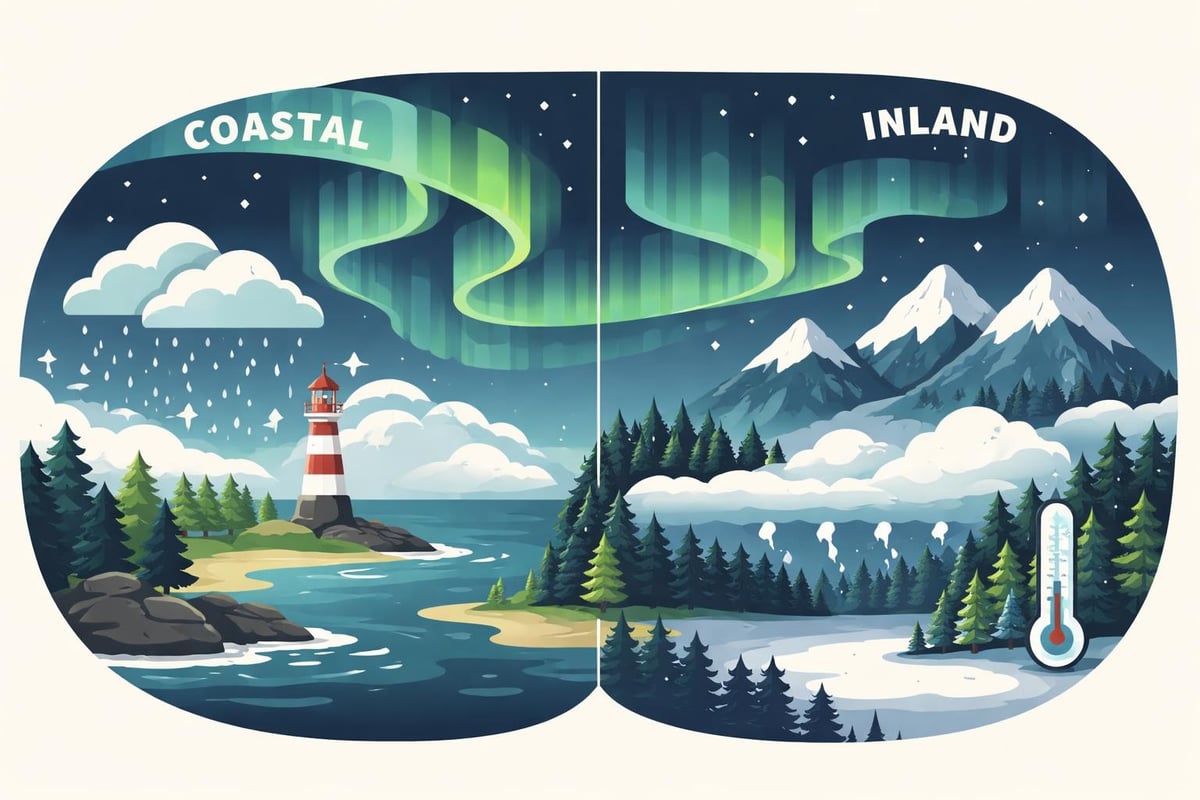
Coastal vs. Inland Locations
Coastal areas:
- Milder temperatures
- Variable weather patterns
- Frequent cloud systems
- Backup location options needed
Inland regions:
- Colder temperatures
- Clearer, drier conditions
- Stable high-pressure systems
- Limited mobility in extreme cold
Iceland's coastal position brings weather variability, but professional tour operators compensate by utilizing live sky routing technology to chase clear skies across the island. This flexibility can prove more valuable than stationary viewing at inland destinations with theoretically better conditions.
Light Pollution and Dark Sky Requirements
Aurora visibility depends heavily on darkness. Even moderate light pollution can wash out fainter auroral displays, making the selection of viewing locations within your chosen destination critically important.
Dark Sky Ratings
Optimal viewing requires:
- Bortle Scale rating of 3 or lower
- Distance of 30+ miles from major cities
- Minimal artificial lighting
- Unobstructed northern horizon
Iceland benefits from having one of the lowest population densities in Europe, with vast areas of pristine dark sky just short drives from Reykjavik. While the capital itself produces some light pollution, professional tours navigate to optimal dark sky locations based on nightly conditions.
National parks and protected wilderness areas naturally provide excellent dark sky conditions. Thingvellir National Park in Iceland, Abisko National Park in Sweden, and Denali National Park in Alaska all offer designated dark sky zones specifically for aurora observation.
Practical Planning Considerations
Beyond location and timing, successful aurora hunting requires attention to practical details that can make or break your experience. Temperature tolerance, accommodation options, activity alternatives, and budget all factor into determining your best place for northern lights adventure.
Accommodation Strategies
| Strategy | Advantages | Disadvantages | Best For |
|---|---|---|---|
| City-based tours | Comfort, amenities, flexibility | Chase required, light pollution | First-timers, limited time |
| Remote lodges | Dark skies, all-inclusive | Expensive, weather-dependent | Photography enthusiasts |
| Glass igloos | 24/7 viewing, unique experience | Premium pricing, limited locations | Honeymoons, special occasions |
| Wilderness cabins | Authentic experience, isolation | Basic facilities, access challenges | Adventure seekers |
Budget Expectations
Northern lights tourism spans all budget levels. Iceland offers options ranging from budget-friendly bus tours to premium jeep storyteller experiences with small groups. Various tour options accommodate different budgets while maintaining quality aurora hunting capabilities.
Norwegian destinations typically command higher prices due to general cost of living, while Finnish and Swedish Lapland fall in the mid-range. Alaska and Canadian destinations vary widely depending on remoteness and seasonality.
Multi-Day Trip Planning
Successful aurora viewing often requires patience and multiple attempts. Cloud cover, solar activity fluctuations, and timing all introduce variables beyond anyone's control. Planning multi-day trips dramatically increases your success probability.
The Three-Night Rule
Statistical success rates by trip length:
- One night: 30-40% success rate
- Two nights: 60-70% success rate
- Three nights: 80-90% success rate
- Four+ nights: 90-95+ success rate
These statistics assume optimal timing during aurora season. Comprehensive travel guides recommend minimum three-night stays at any destination to account for weather variability and solar activity patterns.
Daytime Activities
The best destinations for northern lights offer compelling daytime activities to maximize your trip value. Iceland excels in this regard, combining aurora hunting with glacier hiking, geothermal bathing, and volcanic exploration. Adventure tours allow travelers to experience Iceland's diverse natural wonders between aurora viewing sessions.
Norwegian destinations feature winter sports, whale watching, and Sami cultural experiences. Alaska and Canada offer dog sledding, ice fishing, and wildlife observation. These activities transform aurora trips into comprehensive winter adventures rather than single-purpose expeditions.
Photography Considerations
Many travelers prioritize photographing the northern lights, making camera-friendly conditions an important destination selection factor. The best place for northern lights photography balances aurora activity with compelling foreground elements and accessible shooting locations.
Foreground Opportunities
Iceland advantages for photographers:
- Diverse landscape elements within short distances
- Accessible locations for tripod setup
- Geothermal features providing unique foregrounds
- Minimal crowds at off-peak locations
Scandinavian advantages:
- Mountain reflections in fjords and lakes
- Traditional architecture elements
- Forest silhouettes
- Organized photography tours
Camera equipment performs differently in extreme cold. Batteries drain faster, LCD screens slow, and condensation becomes problematic when moving between temperature extremes. Destinations with slightly milder temperatures (Iceland, coastal Norway) reduce equipment challenges while still delivering excellent aurora displays.
Guided Tours vs. Independent Viewing
Choosing between guided tours and independent aurora hunting represents a fundamental decision in planning your northern lights adventure. Each approach offers distinct advantages depending on your experience level, resources, and preferences.
Professional Tour Advantages
What guides provide:
- Real-time aurora forecasting and sky routing
- Professional photography assistance
- Weather interpretation and location selection
- Cultural context and scientific explanation
- Transportation and logistical coordination
Iceland's variable weather makes guided tours particularly valuable, as operators monitor multiple weather stations and aurora forecasts to position groups optimally. Local knowledge of microclimates and backup locations significantly increases success rates compared to independent attempts.
Independent Viewing Considerations
Self-guided viewing works best for travelers with aurora viewing experience, photography expertise, and comfort navigating in winter conditions. Rental cars, aurora forecast apps, and pre-scouted locations allow flexible timing but require significant preparation and weather monitoring skills.
Reykjavik accommodations provide good bases for independent viewers, though even experienced aurora hunters often join professional tours to benefit from collective knowledge and chase capabilities.
Global Destinations Beyond the Arctic
While Arctic locations dominate discussions of the best place for northern lights viewing, exceptional viewing opportunities exist across multiple continents during major geomagnetic storms. Scotland's Orkney Islands, Iceland's capital region, and even northern tier U.S. states occasionally witness aurora displays during strong solar activity.
Accessibility Trade-offs
More southerly locations trade consistency for accessibility. While Reykjavik experiences fewer viewing nights than Tromsø, its international connectivity and developed infrastructure attract travelers who prioritize convenience alongside aurora hunting. The mathematics shift during solar maximum years, when increased activity compensates for lower-latitude positions.
Making Your Decision
Selecting the best place for northern lights viewing ultimately depends on your unique priorities, constraints, and preferences. No single destination suits every traveler perfectly.
Decision framework:
- Determine your available dates and trip duration
- Assess your budget range realistically
- Consider temperature tolerance and physical limitations
- Evaluate desires for other activities and experiences
- Research current solar activity forecasts
- Compare accessibility from your departure point
Iceland consistently emerges as the most balanced option for first-time aurora hunters, offering strong aurora activity, reasonable accessibility, diverse landscapes, and well-developed support infrastructure. The combination of professional tour operators, compact geography, and complementary attractions creates a safety net that increases satisfaction even if weather or solar conditions prove challenging.
For travelers seeking maximum aurora intensity and frequency, northern Norway and Swedish Lapland deliver higher latitude advantages. Alaska and Canada appeal to North American travelers seeking domestic or nearby aurora experiences. Each destination holds merit; success lies in matching location strengths to personal priorities.
Finding the right destination for northern lights viewing transforms astronomical phenomena into accessible adventure through strategic location selection, timing optimization, and professional support. Whether you choose Iceland's dramatic volcanic landscapes, Norway's Arctic fjords, or North America's wilderness settings, witnessing the aurora borealis creates memories that last a lifetime. Reykjavik Northern Lights specializes in maximizing your aurora viewing success through expert guides, live sky routing technology, and small group experiences designed to position you beneath Iceland's dancing lights throughout the winter season.