Iceland's glaciers offer some of the most extraordinary hiking experiences on Earth, combining ancient ice formations with volcanic landscapes that create otherworldly terrain. A glacier hike Iceland adventure allows visitors to explore these frozen giants up close, walking across centuries-old ice while learning about the powerful forces that shaped this unique island nation. Whether you're an experienced mountaineer or a first-time glacier explorer, Iceland's accessible ice caps provide opportunities for everyone to witness the raw beauty of glacial environments while understanding their critical role in our planet's ecosystem.
Understanding Iceland's Glacial Landscape
Iceland is home to some of Europe's largest glaciers, covering approximately 11% of the country's total land area. These massive ice formations are not just scenic attractions but living geological features that continue to shape the island's terrain through constant movement and change.
Vatnajökull stands as Iceland's largest ice cap, covering roughly 8,100 square kilometers and reaching thicknesses of up to 1,000 meters in some areas. This enormous glacier feeds numerous outlet glaciers that flow into surrounding valleys, creating diverse hiking opportunities for visitors. The glacier sits atop several active volcanoes, making it a dynamic environment where ice and fire interact in spectacular ways.
Major Glaciers for Hiking Expeditions
When planning a glacier hike Iceland journey, travelers have several excellent options to consider. Each glacier offers distinct characteristics and varying difficulty levels.
Sólheimajökull is one of the most popular choices for first-time glacier hikers. This outlet glacier extends from the larger Mýrdalsjökull ice cap and provides relatively easy access from the Ring Road. Its dramatic ice formations, deep crevasses, and striking blue ice make it visually spectacular while remaining accessible for beginners.
Langjökull, Iceland's second-largest ice cap, offers a different experience with its expansive white plateaus and opportunities for longer expeditions. Located in the west-central highlands, this glacier spans approximately 935 square kilometers and features several outlet glaciers flowing in different directions.
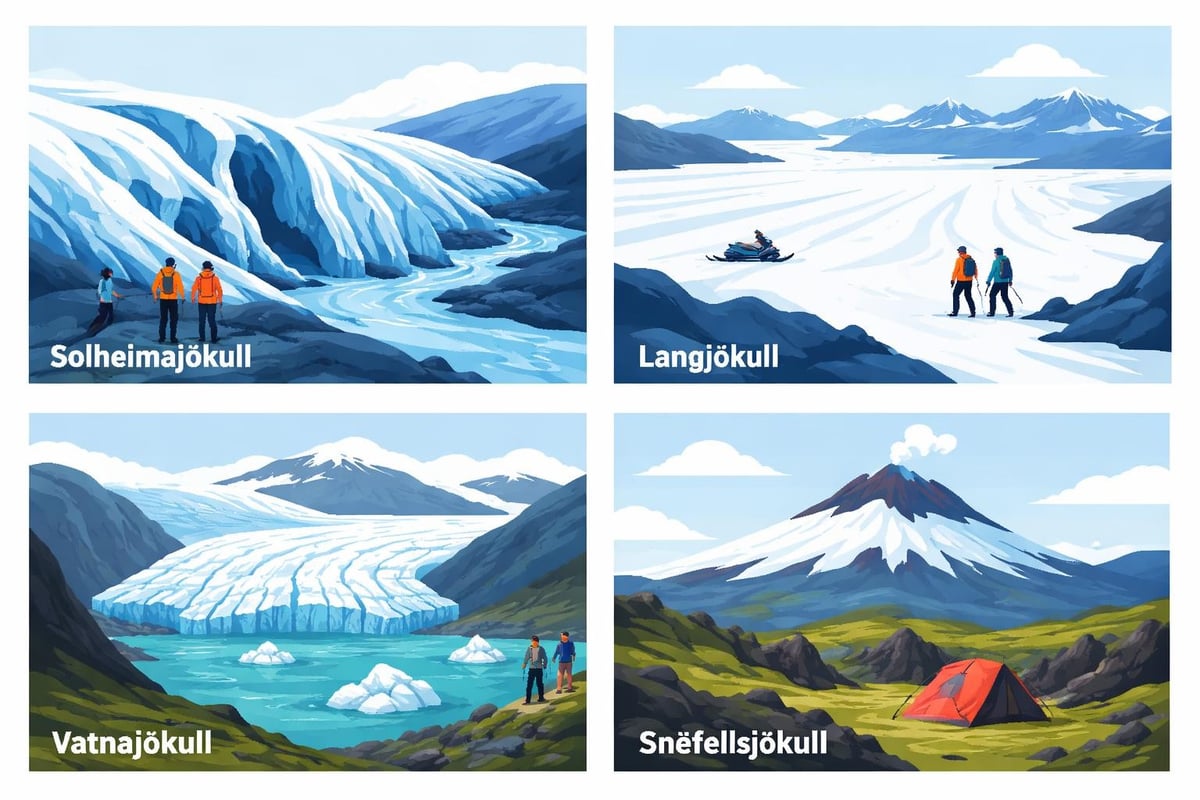
Snæfellsjökull presents a unique glacier-capped volcano experience on the Snæfellsnes Peninsula. This iconic glacier gained literary fame through Jules Verne's "Journey to the Center of the Earth" and continues to captivate visitors with its mystical presence and accessible summit hikes.
| Glacier | Size (km²) | Difficulty Level | Best Season | Distance from Reykjavik |
|---|---|---|---|---|
| Sólheimajökull | 78 | Beginner-Intermediate | Year-round | 158 km |
| Langjökull | 935 | Intermediate-Advanced | May-September | 150 km |
| Vatnajökull | 8,100 | All levels (varies) | May-September | 320 km |
| Snæfellsjökull | 11 | Intermediate | June-August | 190 km |
Essential Gear and Preparation
Proper equipment is absolutely critical for safe glacier hiking. While guided tours typically provide specialized glacier gear, understanding what you need helps you prepare appropriately for your adventure.
Specialized Glacier Equipment
Crampons are metal spikes that attach to your boots, providing essential traction on hard ice surfaces. These allow hikers to walk safely across steep or slippery sections without sliding. Professional guides will fit these to your boots and teach proper walking techniques.
Ice axes serve multiple purposes during glacier hikes, from providing balance on steep sections to acting as a self-arrest tool if you slip. Even on beginner-friendly glacier hike Iceland tours, carrying an ice axe is standard safety protocol.
Helmets protect against falling ice or rocks, particularly important near glacier edges or in areas with overhead ice formations. This protection becomes essential as climate change increases the frequency of ice falls.
The Icelandic Touring Association provides comprehensive guidelines on essential gear and safety equipment that all glacier hikers should review before their expedition.
Personal Clothing and Accessories
Layering is fundamental for glacier hiking comfort. Base layers should be moisture-wicking materials like merino wool or synthetic fabrics that keep you dry as you exert energy. Mid-layers provide insulation, with fleece or down jackets being excellent choices. Your outer layer must be waterproof and windproof to protect against Iceland's unpredictable weather.
- Waterproof hiking boots with ankle support
- Warm, moisture-wicking socks (bring extra pairs)
- Waterproof pants and jacket
- Warm hat and gloves (waterproof gloves recommended)
- Sunglasses with UV protection (glacier glare is intense)
- Sunscreen with high SPF (UV rays reflect off ice)
- Small backpack (20-30 liters) for layers and supplies
Safety Considerations and Guided Tours
Attempting a glacier hike Iceland experience without proper training and equipment is extremely dangerous. Glaciers contain hidden crevasses, unstable ice bridges, and constantly changing conditions that require expert knowledge to navigate safely.
Why Professional Guides Are Essential
Certified glacier guides undergo extensive training in ice navigation, crevasse rescue, first aid, and weather assessment. They possess intimate knowledge of specific glaciers, understanding which routes are safe and how conditions change throughout seasons. This expertise proves invaluable when unexpected weather arrives or when route conditions differ from expectations.
Guides continuously assess ice stability, probe for hidden crevasses, and establish safe routes using ropes and anchors when necessary. They also carry specialized rescue equipment and communication devices for emergencies. The investment in a guided tour is actually an investment in your safety and overall experience quality.

Common Hazards and Risk Management
Crevasses represent the most significant danger on glaciers. These deep cracks in the ice can be hidden beneath thin snow bridges, making them invisible to untrained eyes. Walking unroped in crevasse zones is exceptionally hazardous and accounts for many glacier accidents worldwide.
Weather changes happen rapidly in Iceland, with conditions shifting from clear skies to whiteout conditions within minutes. Professional guides monitor weather forecasts closely and carry equipment for navigation in low visibility situations.
Glacial Lake Outburst Floods (GLOFs) occur when water trapped within or beneath glaciers suddenly releases. Recent research has focused on monitoring and predicting these potentially catastrophic events to improve safety protocols for glacier activities.
Planning Your Glacier Hiking Experience
Successful glacier hike Iceland adventures require thoughtful planning that considers timing, physical preparation, and realistic expectations about what the experience entails.
Choosing the Right Season
Iceland's glacier hiking season varies by location and glacier size. Summer months (May through September) offer the most stable weather conditions and longest daylight hours, making them ideal for beginners. Temperatures are relatively mild, though still cool on glacier surfaces, and access roads to glacier parking areas remain open.
Winter glacier hiking provides unique opportunities to explore ice caves and witness the northern lights from glacial environments. However, winter expeditions require more experience, warmer gear, and acceptance of shorter hiking windows due to limited daylight. Weather conditions are more unpredictable, with stronger winds and frequent storms.
Spring and autumn represent shoulder seasons with fewer crowds but variable conditions. April and October can offer excellent hiking opportunities, though weather becomes less predictable and some tours may be unavailable depending on ice conditions.
Physical Fitness Requirements
Most beginner glacier hike Iceland tours require moderate fitness levels. Participants should be comfortable walking for 2-3 hours with short breaks and capable of navigating uneven terrain. The weight of crampons adds effort to each step, and maintaining balance on ice requires core strength and coordination.
- Practice hiking with a backpack on uneven trails before your trip
- Build cardiovascular endurance through regular walking or jogging
- Strengthen leg muscles with squats and lunges
- Improve balance using stability exercises
- Acclimatize to cold temperatures if you're from warmer climates
For more challenging expeditions to larger glaciers like Vatnajökull, higher fitness levels become necessary. Multi-day glacier traverses demand excellent endurance, previous hiking experience, and the ability to carry heavier packs over longer distances.
What to Expect During Your Glacier Hike
Understanding the typical flow of a glacier hiking tour helps set appropriate expectations and allows you to prepare mentally for the adventure ahead.
Tour Structure and Duration
Most standard glacier hike Iceland tours last between 2.5 to 4 hours total, with approximately 1.5 to 2.5 hours spent actually on the ice. Tours begin with a safety briefing where guides explain equipment use, walking techniques, and emergency procedures. This educational component ensures everyone understands how to move safely on glacial terrain.
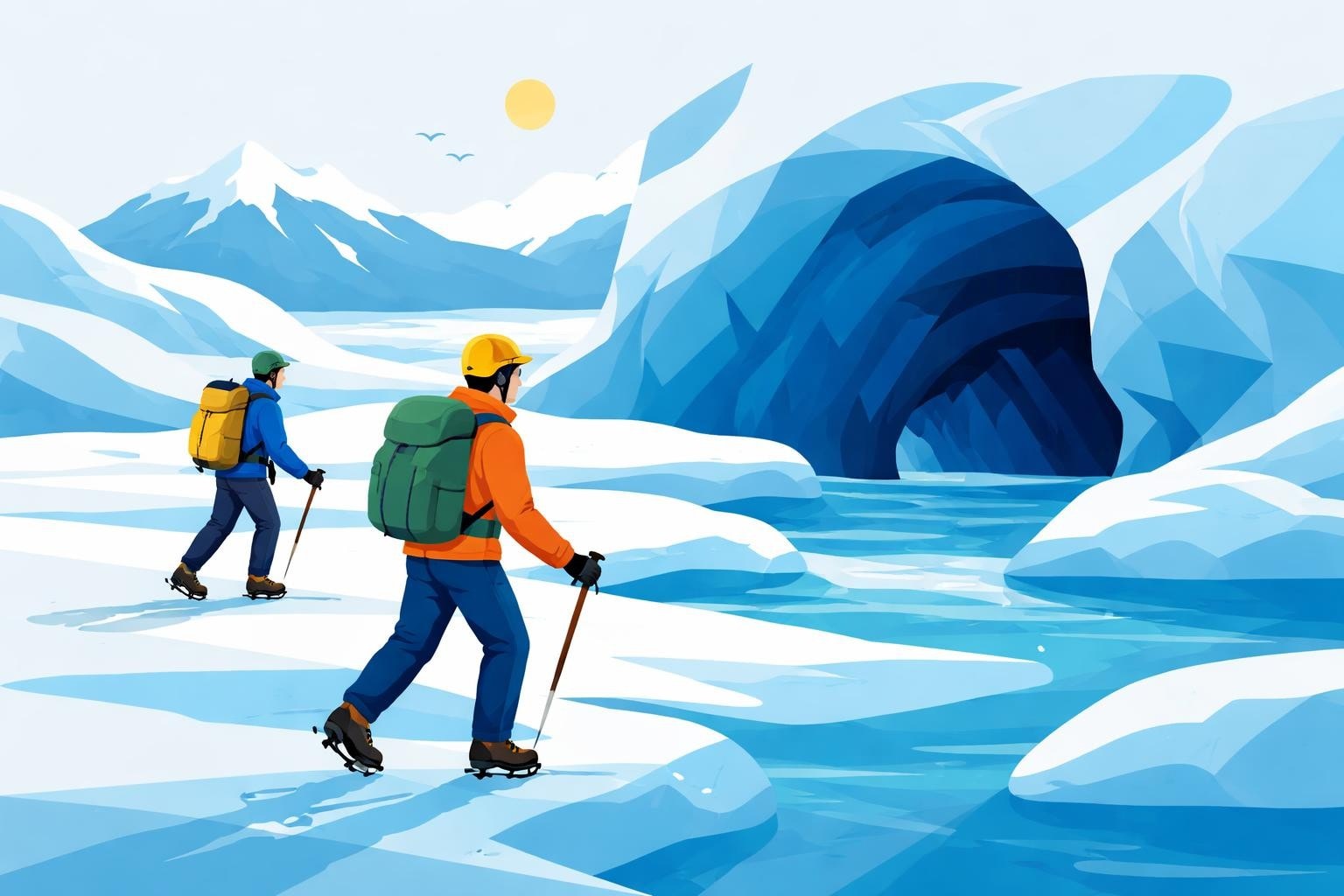
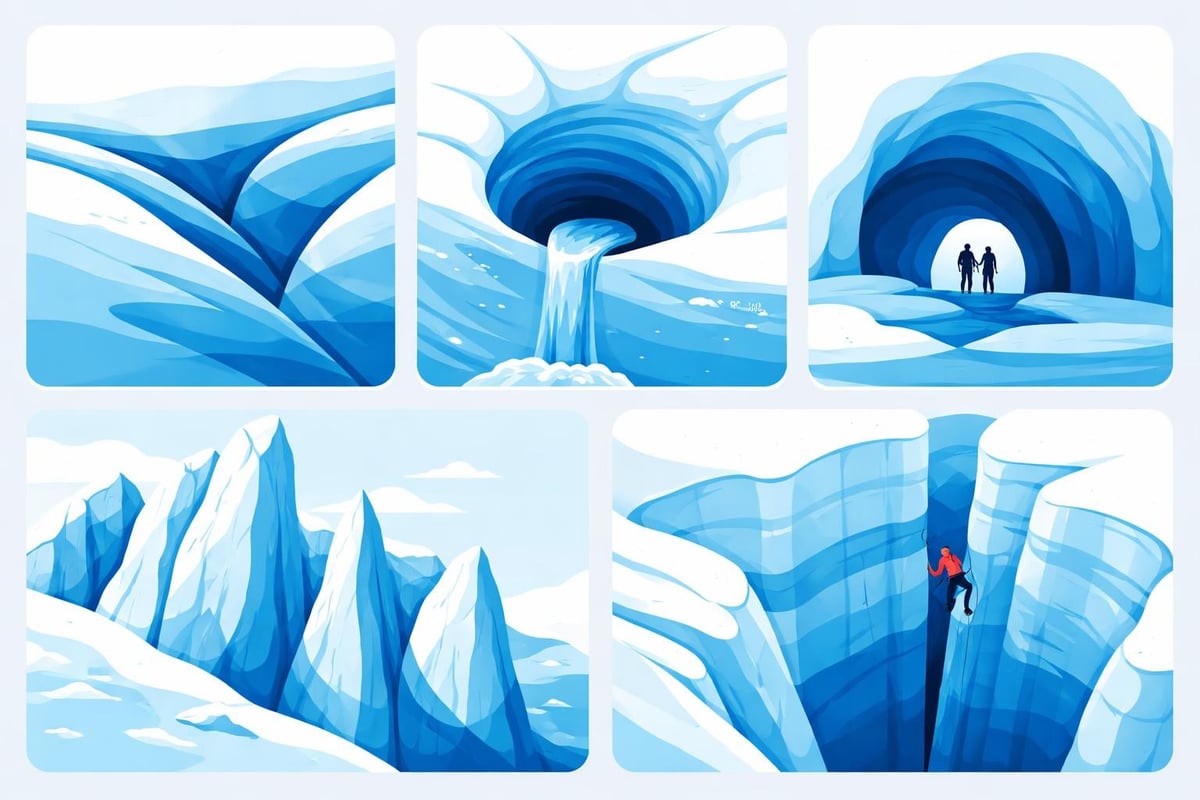
Guides then fit participants with crampons, harnesses (if needed), and helmets before leading the group onto the glacier surface. Initial walking occurs on easier terrain while everyone adjusts to the unusual sensation of walking with crampons. As confidence builds, guides lead groups to more interesting features like ice sculptures, moulins (vertical shafts in the ice), and dramatic crevasses.
Ice Formations and Natural Wonders
The visual spectacle of glacier hiking rivals any natural attraction Iceland offers. Blue ice appears where compressed ice has expelled all air bubbles, creating crystal-clear formations that glow with intense azure hues. These areas provide stunning photography opportunities and demonstrate the glacier's age, as this compression takes decades or centuries.
Ice caves form naturally when meltwater carves channels through the glacier. These temporary structures exist primarily in winter when cold temperatures stabilize the formations. Exploring these blue crystal caverns feels like entering another world, with light filtering through translucent ice walls.
Crevasses create both hazards and spectacular viewing opportunities. When safely observed from secure positions, these deep fractures reveal the glacier's internal structure and showcase the immense forces at work within the ice.
Advanced Glacier Hiking Opportunities
Experienced hikers seeking more challenging glacier hike Iceland adventures have several options for extended expeditions and technical climbing.
Multi-Day Glacier Traverses
Glacier Guides offers comprehensive information about extended glacier expeditions that appeal to experienced mountaineers. These multi-day journeys across vast ice fields require advanced skills including rope work, navigation, and winter camping techniques.
Langjökull presents excellent opportunities for overnight glacier camping expeditions. These trips traverse the glacier's broad plateaus, camp on the ice itself, and provide unparalleled solitude far from civilization. Participants need previous mountaineering experience and must be comfortable with technical glacier travel.
Ice Climbing and Technical Skills
Beyond hiking, some tours incorporate ice climbing elements where participants learn to ascend vertical ice walls using specialized techniques. These activities require additional safety measures and smaller group sizes but offer thrilling challenges for adventure seekers.
Technical skills taught during advanced courses include:
- Self-arrest techniques for stopping slides on steep ice
- Rope team travel for safe crevasse crossing
- Anchor building in ice and snow
- Crevasse rescue procedures and systems
- Navigation using GPS and traditional methods
Environmental Considerations and Climate Change
Iceland's glaciers are retreating rapidly due to climate change, making glacier hike Iceland experiences both more urgent and more poignant. Understanding these changes adds depth to your hiking experience and emphasizes the importance of environmental stewardship.
Glacier Retreat and Its Implications
Between 1995 and 2025, Icelandic glaciers lost approximately 750 cubic kilometers of ice. This dramatic reduction affects everything from river flows to sea level rise. Some smaller glaciers have completely disappeared, while larger ice caps show significant thinning and retreat of their outlet glaciers.
Sólheimajökull has retreated over 2 kilometers since 2000, with an acceleration in recent years. The glacier's terminus now sits far from its former positions, creating a proglacial lake where ice once dominated. This visible change provides stark evidence of our warming climate.
| Glacier | Retreat (1995-2025) | Current Status | Projected 2050 |
|---|---|---|---|
| Vatnajökull | 15-20% volume loss | Stable but thinning | 30-40% additional loss expected |
| Langjökull | 20-25% volume loss | Rapid retreat | May fragment into smaller ice caps |
| Sólheimajökull | 2+ km retreat | Forming proglacial lake | Significant further retreat likely |
| Snæfellsjökull | 25%+ volume loss | Critically reduced | May disappear entirely |
Responsible Glacier Tourism
Visitors can minimize their environmental impact while enjoying glacier hiking through conscious choices. Supporting operators who follow established safety and environmental guidelines ensures your tourism dollars support responsible practices.
Stay on designated routes to prevent unnecessary ice disturbance, pack out all waste including organic materials, and avoid touching fragile ice formations unnecessarily. Choose tour operators who limit group sizes, as smaller groups reduce cumulative impact on sensitive glacial environments.
Combining Glacier Hiking with Other Activities
Many visitors find that glacier hike Iceland experiences pair perfectly with other Icelandic adventures, creating comprehensive itineraries that showcase the country's diverse landscapes.
Northern Lights and Glacier Adventures
Winter glacier hikes can be combined with aurora hunting for truly unforgettable experiences. The darkness required for viewing northern lights coincides with Iceland's glacier hiking season from September through March. Standing on ancient ice while the aurora dances overhead creates magical moments that few places on Earth can match.
When planning such combinations, consider staying near the South Coast where glacier access and northern lights viewing opportunities overlap. The area around Vík and Kirkjubakki provides excellent bases for both activities. Reykjavik Northern Lights offers specialized tours that can be coordinated with glacier hiking schedules to maximize your Icelandic adventure.
South Coast Combination Tours
The South Coast concentration of attractions makes it ideal for comprehensive day tours. A typical itinerary might include:
- Morning glacier hike on Sólheimajökull
- Visit to Skógafoss waterfall
- Black sand beach exploration at Reynisfjara
- Late afternoon return with potential northern lights viewing (winter)
Information about various glacier hiking opportunities can help you understand which glaciers fit best with your broader travel plans and interests.
Booking and Practical Logistics
Understanding the practical aspects of booking and preparing for glacier hike Iceland tours ensures smooth execution of your plans.
Selecting a Tour Operator
Iceland hosts numerous glacier hiking companies with varying specializations, group sizes, and price points. Research operators thoroughly by reading recent reviews, verifying guide certifications, and understanding what's included in tour prices.
Small group tours (6-8 people maximum) provide more personalized attention and flexibility to explore interesting features. These tours cost more but deliver superior experiences for those wanting deeper engagement with the environment.
Standard group tours (10-15 people) offer more economical options while still providing safe, professional guidance. These work well for budget-conscious travelers or those comfortable in larger groups.
Private tours allow complete customization of pace, route, and focus areas. Families with children, photographers seeking specific shots, or groups with varying abilities benefit most from private arrangements.
Booking Timing and Availability
Summer glacier hiking tours (June-August) book months in advance, particularly for popular glaciers and premium operators. Reserve these tours when you book your Iceland flights to secure preferred dates and times.
Winter tours have more availability but face higher cancellation rates due to weather. Book with operators offering flexible rescheduling policies, as storms can force tour cancellations with little notice.
Transportation Considerations
Most glacier hiking tours depart from either Reykjavik or locations near the glaciers themselves. Reykjavik departures include transportation but result in longer overall trip times due to driving distances. Tours starting at glacier parking areas offer more time on the ice but require independent transportation to meeting points.
Rental cars provide maximum flexibility for reaching glacier trailheads, though winter driving in Iceland requires experience with challenging conditions. Self-drive options work best for summer visits when roads are clear and daylight abundant.
Glacier hiking in Iceland offers extraordinary opportunities to explore ancient ice formations while witnessing the dramatic effects of climate change on these frozen landscapes. The combination of accessibility, stunning natural beauty, and professional guiding infrastructure makes glacier hike Iceland experiences available to adventurers of all skill levels. After exploring Iceland's magnificent glaciers during the day, consider extending your adventure with Reykjavik Northern Lights, where expert guides help you chase the aurora borealis across Iceland's darkest skies, completing your journey through this land of ice and fire with warm hospitality and unforgettable memories.