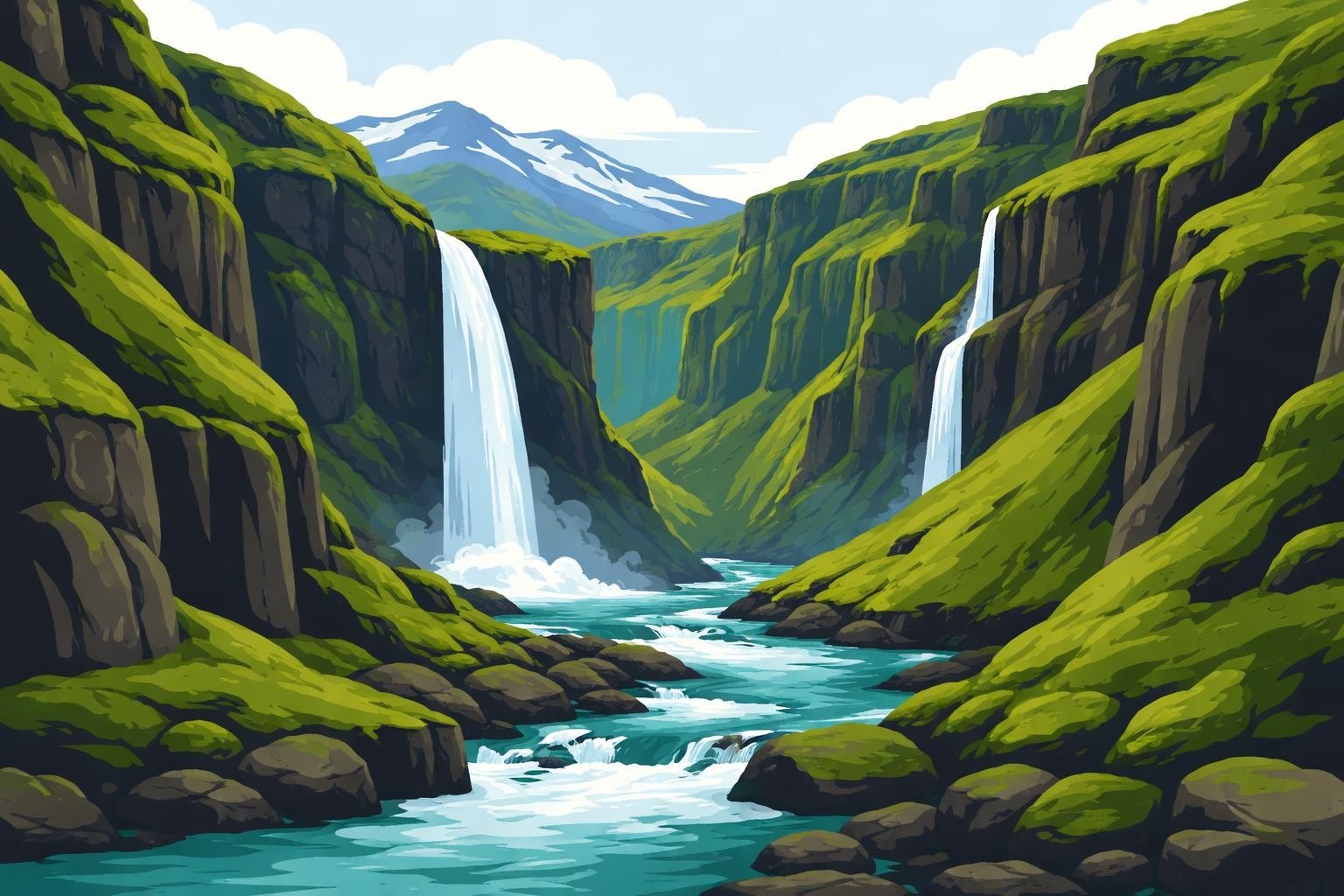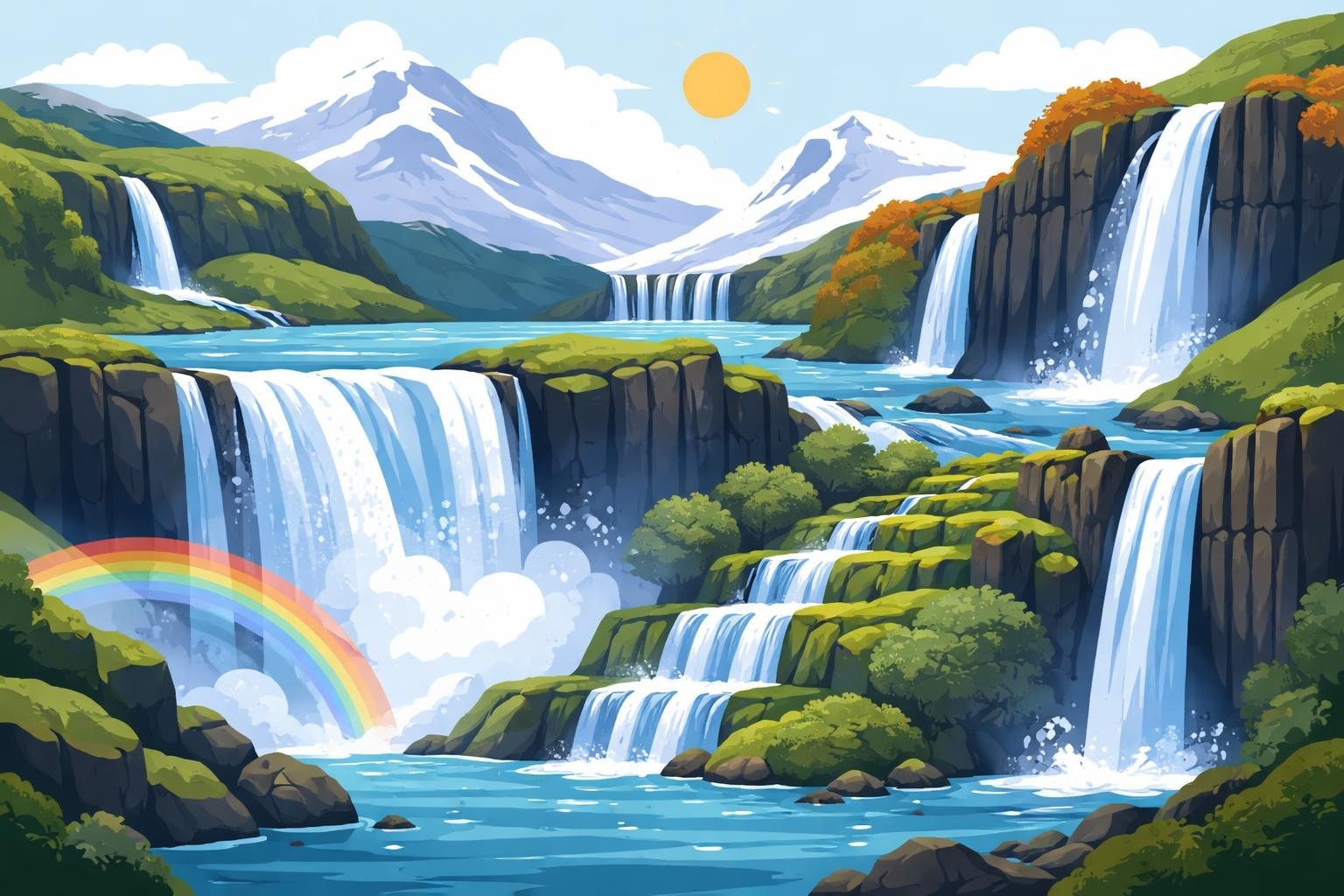
Iceland's dramatic landscapes feature some of the planet's most spectacular waterfalls, where glacial meltwater cascades over ancient volcanic cliffs in breathtaking displays of natural power. Whether you're visiting during the midnight sun or chasing the aurora borealis with northern lights tours, the best waterfalls in Iceland offer year-round majesty that complements any adventure in this Nordic island nation. From thunderous glacial torrents to delicate cascades framed by moss-covered basalt, these natural wonders showcase the geological forces that continue to shape Iceland's ever-changing terrain.
Planning Your Waterfall Journey
Visiting the best waterfalls in Iceland requires strategic planning to maximize your experience while respecting Iceland's unpredictable weather patterns and seasonal variations. The country's waterfall distribution spans from the accessible south coast to remote highland regions that challenge even experienced travelers.
Seasonal Considerations
Spring and summer months from May through September provide the longest daylight hours and easiest road access to most waterfalls. The glacial melt during these months creates maximum water flow, making cascades particularly impressive. Winter visits from October through April offer dramatic ice formations and fewer crowds, though many highland waterfalls become inaccessible due to road closures.
Weather impacts on waterfall visits:
- Temperature fluctuations affect ice formation and spray patterns
- Wind speeds can redirect waterfall mist and impact photography
- Rainfall increases water volume but may reduce visibility
- Daylight hours determine available viewing windows
The transition seasons of April and September often provide ideal conditions, balancing accessibility with dramatic lighting and moderate tourist volumes.
South Coast Powerhouses
The southern coastline hosts several of the best waterfalls in Iceland, conveniently located along the Ring Road for straightforward access. This region combines powerful cascades with rich cultural history and diverse geological features.
Skógafoss: The Legend-Wrapped Giant
Skógafoss drops 60 meters over a width of 25 meters, creating a perfect rectangular curtain of water that produces constant rainbows on sunny days. The waterfall marks where Iceland's coastline stood millennia ago, before volcanic activity extended the landmass seaward.
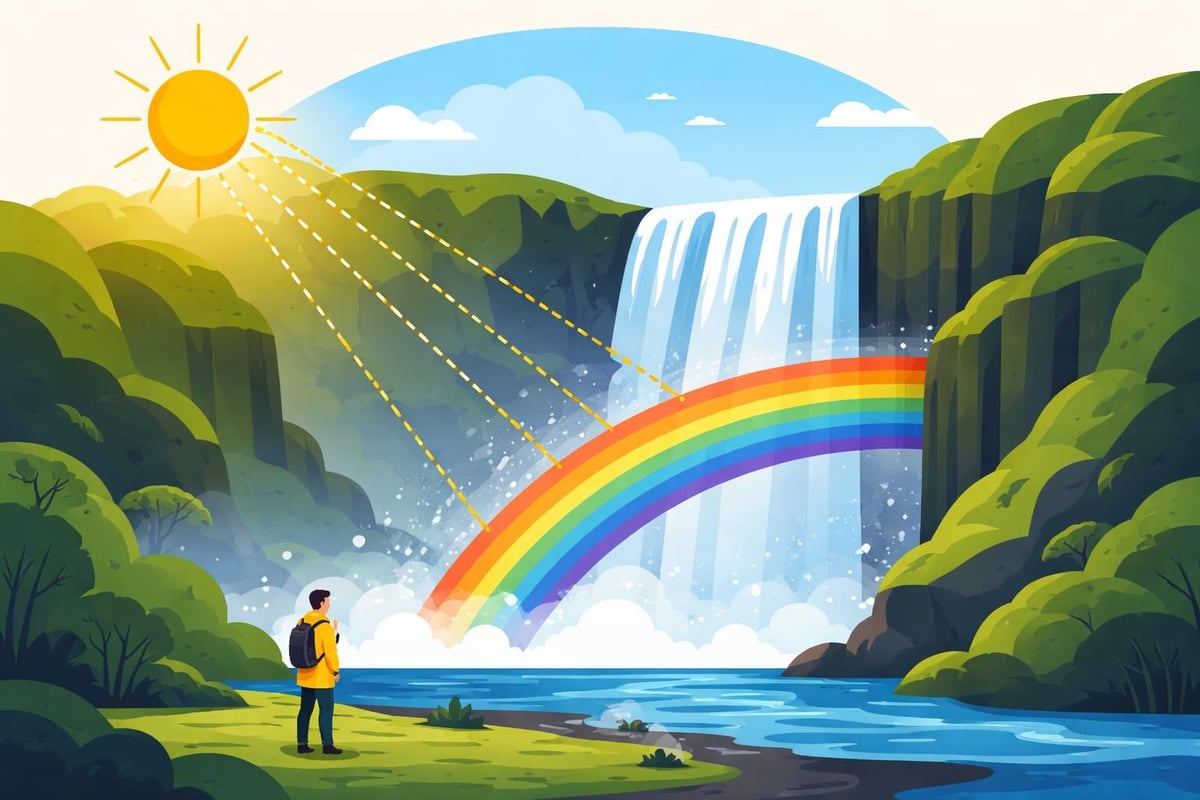
Local folklore claims that Viking settler Þrasi Þórólfsson hid a treasure chest behind the falls. According to legend, a local boy once grabbed the chest's ring, which broke off and was later used to craft a church door. Visitors can climb 527 steps to reach a viewing platform above the falls, revealing the Skógá River stretching toward distant glaciers.
| Feature | Details |
|---|---|
| Height | 60 meters |
| Width | 25 meters |
| Access | Immediately roadside, wheelchair accessible base viewing |
| Facilities | Parking, restrooms, camping nearby |
| Special Features | Rainbow viewing, climbing stairs, legend association |
Seljalandsfoss: The Walk-Behind Wonder
Seljalandsfoss stands as one of Iceland's most photographed waterfalls, dropping 60 meters from cliffs that once formed the country's southern coastline. The unique feature allowing visitors to walk completely behind the falling water creates an immersive experience unmatched by most waterfalls worldwide.
The pathway behind the falls requires careful navigation, particularly during winter when ice formation makes surfaces treacherous. Waterproof gear proves essential as the spray saturates anyone venturing behind the curtain. The experience offers photographers exceptional opportunities to frame the surrounding landscape through the veil of falling water.
Visitor essentials:
- Waterproof jacket and pants
- Secure footwear with excellent traction
- Camera protection from water spray
- Headlamp for evening visits
- Extra clothing layers
Northern Giants and Highland Treasures
The best waterfalls in Iceland aren't confined to the easily accessible south. Northern and highland regions host some of the country's most powerful and remote cascades, rewarding adventurous travelers with unforgettable experiences.
Dettifoss: Europe's Most Powerful
Located in Vatnajökull National Park, Dettifoss claims the title of Europe's second most powerful waterfall by volume. The glacial Jökulsá á Fjöllum river plunges 45 meters over a 100-meter wide cliff, generating ground-shaking vibrations and a constant roar audible from kilometers away.
The waterfall's raw power becomes immediately apparent as approximately 193 cubic meters of sediment-laden water crashes into the canyon below every second during summer months. The grey glacial water, thick with rock flour from grinding ice, creates a primordial atmosphere that inspired scenes in Ridley Scott's film "Prometheus."
Two approach routes exist on either side of the canyon. The eastern Route 864 provides paved access and easier driving, while the western Route 862 offers closer viewing platforms but rougher gravel road conditions. Both routes close during winter months, typically from October through May depending on snowfall and temperatures.
Goðafoss: The Waterfall of the Gods
Goðafoss combines historical significance with natural beauty along the Diamond Circle route in northern Iceland. The 12-meter high, 30-meter wide waterfall earned its name "Waterfall of the Gods" when lawspeaker Þorgeir Ljósvetningagoði allegedly threw his pagan idols into the cascade after Iceland's conversion to Christianity in the year 1000.
The horseshoe-shaped falls divide into two main sections around a central rocky island. Viewpoints on both sides of the Skjálfandafljót river allow comprehensive photography and appreciation of the falls' symmetry. Unlike many Icelandic waterfalls, Goðafoss maintains excellent accessibility year-round with paved parking areas and maintained walkways.
Hidden Gems and Tall Cascades
Beyond the famous roadside attractions, Iceland harbors lesser-known waterfalls that rival or exceed their celebrated counterparts in beauty and drama. These hidden treasures require additional effort but reward visitors with solitude and pristine viewing experiences.
Glymur: The Historic Champion
Glymur held the title of Iceland's tallest waterfall at 198 meters until recent glacial recession revealed taller competitors. The cascade remains one of the country's most impressive hiking destinations, requiring a challenging but achievable 7-kilometer round trip through varied terrain.
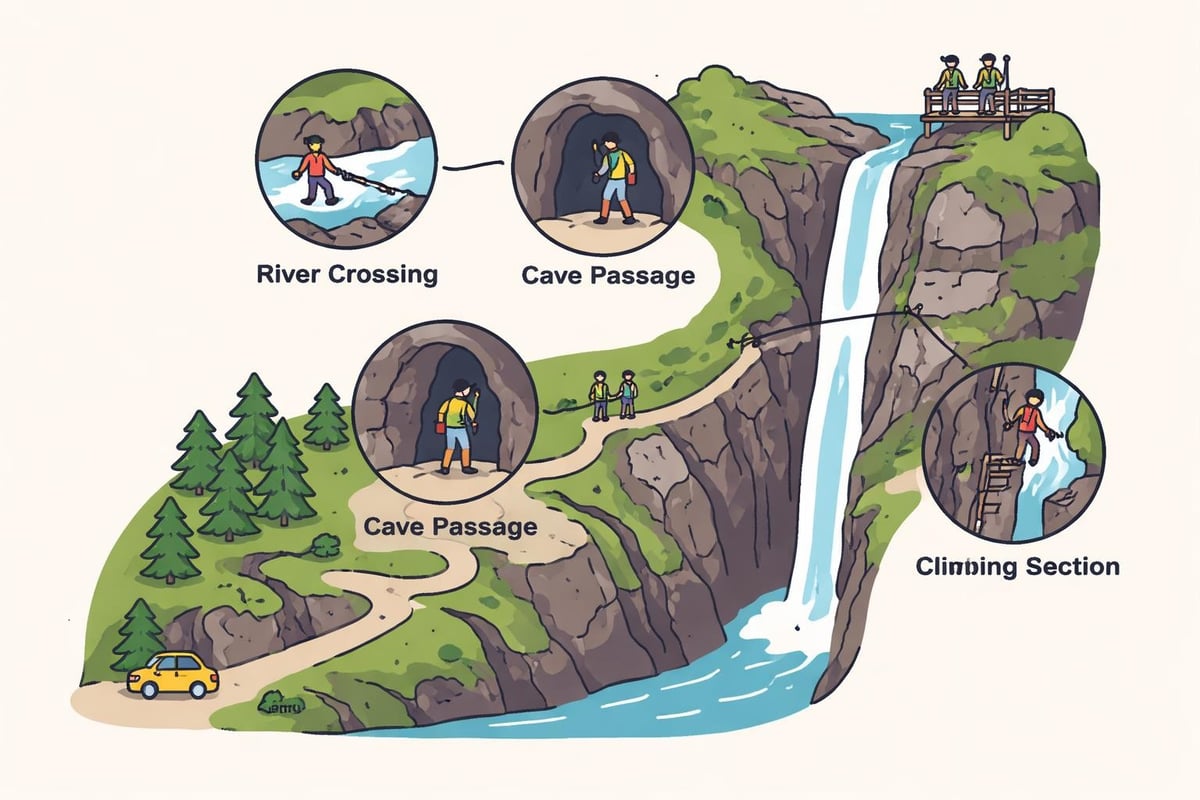
The trail includes river crossings via log bridges or wading, cave passage through natural rock formations, and steep cliff-side paths with cable assists. Hikers witness the falls from multiple perspectives, including a dramatic viewpoint from across the canyon and an upper vantage point looking down the full drop.
Trail requirements:
- Moderate to high fitness level for elevation gain and duration
- Proper hiking boots for wet conditions and rough terrain
- Dry bag for electronics during water crossings
- Trekking poles for stability on steep sections
- 4-6 hours total time allowance
Morsárfoss: The New Record Holder
Morsárfoss remained unknown until 2007 when glacial recession on Morsárjökull revealed this 240-meter cascade. The waterfall now holds Iceland's height record, though its remote location in Vatnajökull National Park limits visitor access to experienced mountaineers and helicopter tours.
The falls exemplify how climate change continues to reshape Iceland's landscape, with retreating glaciers revealing previously hidden features while eliminating others. This dynamic geology means the best waterfalls in Iceland represent a snapshot of constant transformation.
Eastern Iceland's Layered Beauty
Eastern fjords and valleys contain distinctive waterfalls characterized by unique geological features and stunning color contrasts. These cascades often receive fewer visitors than southern counterparts while offering equally memorable experiences.
Hengifoss: The Striped Masterpiece
Hengifoss ranks as Iceland's third-highest waterfall at 128 meters, but its distinctive feature lies in the exposed rock layers framing the cascade. Red clay bands alternate with black basalt columns, creating a striped pattern that records millions of years of volcanic activity and environmental change.
The 2.5-kilometer hiking trail gains 300 meters elevation while offering stunning views across Lagarfljót lake. Midway to Hengifoss, hikers encounter Litlanesfoss, a smaller waterfall framed by spectacular hexagonal basalt columns that demonstrate the geometric precision of cooling volcanic rock.
| Waterfall | Height | Hiking Distance | Difficulty | Special Features |
|---|---|---|---|---|
| Hengifoss | 128m | 5km round trip | Moderate | Geological layers, lake views |
| Litlanesfoss | 30m | 4km round trip | Easy-Moderate | Basalt columns |
| Combined route | N/A | 5km total | Moderate | Both waterfalls in single hike |
Gluggafoss: Windows in the Water
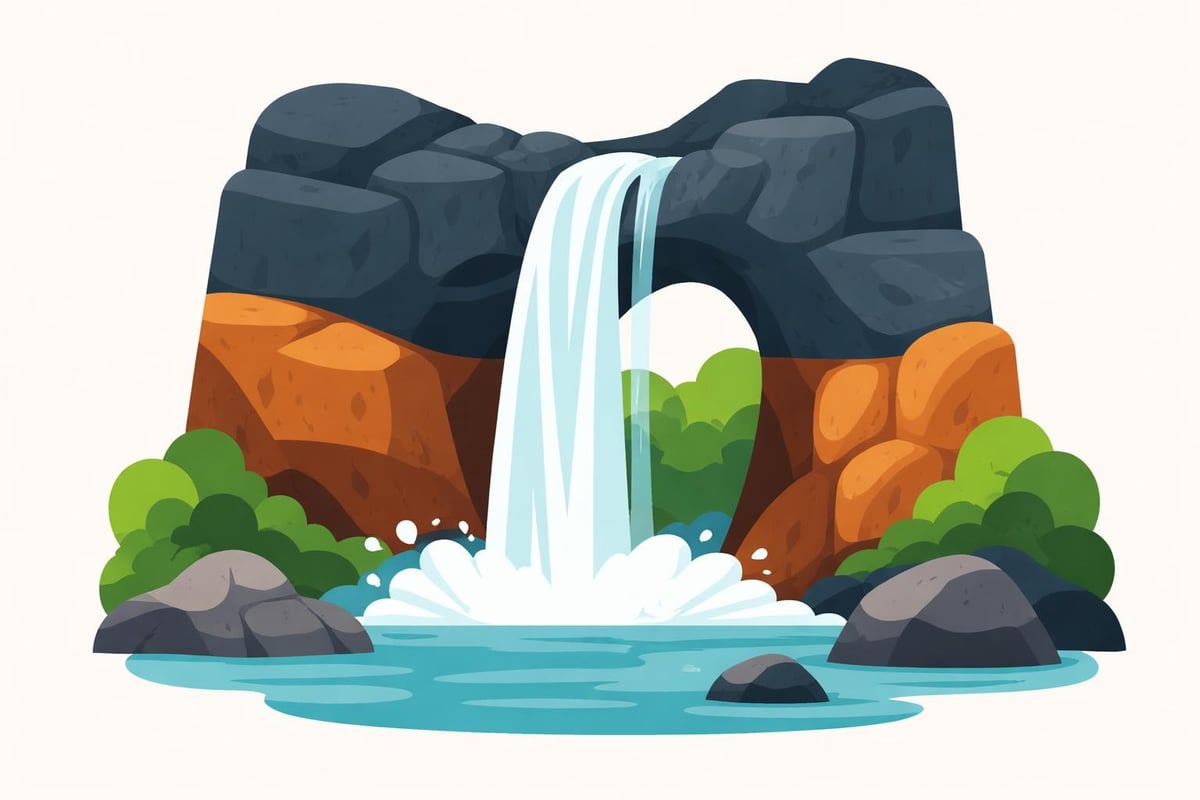
Gluggafoss translates to "Window Waterfall," named for openings that formed where water tunneled through soft palagonite rock behind the main cascade. These natural windows create unique viewing opportunities and demonstrate the erosive power of constant water flow on volcanic materials.
The waterfall sits just off Route 1 in southern Iceland, making it an excellent addition to Ring Road itineraries. Despite roadside proximity, Gluggafoss receives significantly fewer visitors than nearby Seljalandsfoss and Skógafoss, often providing peaceful viewing conditions.
Combining Waterfalls with Other Adventures
Many visitors discover the best waterfalls in Iceland while pursuing other activities across the country. Strategic planning allows travelers to maximize diverse experiences within limited timeframes, particularly when combining natural attractions with cultural sites and adventure activities.
The south coast waterfall route pairs exceptionally well with glacier hiking opportunities and black sand beach visits. Travelers can explore glacier hiking options near Skógafoss before continuing to coastal attractions. Northern waterfall circuits combine naturally with whale watching departures from Húsavík and geothermal areas around Lake Mývatn.
Multi-activity itinerary suggestions:
- Day 1: South coast waterfalls, Reynisfjara black sand beach, evening aurora hunting
- Day 2: Glacier hiking near Skaftafell, diamond beach icebergs
- Day 3: East fjord waterfalls, scenic mountain passes
- Day 4: Northern waterfalls, Mývatn geothermal areas
- Day 5: Return via highland routes (summer only) or Ring Road
Photography Considerations
Capturing the best waterfalls in Iceland requires understanding how weather, light, and equipment interact in challenging conditions. Iceland's variable climate and unique lighting create both obstacles and opportunities for waterfall photography.
Technical Settings and Equipment
Long exposure photography transforms waterfalls into silky curtains of white, requiring neutral density filters to reduce light during bright conditions. Shutter speeds between 1/4 and 4 seconds typically produce pleasing water blur while maintaining detail in surrounding landscapes. Tripods prove essential for sharp images, though wind resistance becomes critical in Iceland's frequent strong gusts.
Essential photography gear:
- Sturdy tripod with hook for weight stabilization
- Neutral density filters (6-stop and 10-stop)
- Microfiber cloths for constant lens cleaning
- Rain covers for camera protection
- Remote shutter release to prevent vibration
Weather protection extends beyond rain gear to include strategies for managing constant water spray near powerful falls. Lens cloths require frequent use, and backup equipment provides security against salt spray corrosion near coastal waterfalls.
Optimal Lighting Conditions
Iceland's high latitude creates extended golden hours and soft, diffused light that flatters waterfall photography. Summer midnight sun allows shooting throughout the night, while winter provides dramatic side-lighting during brief midday windows.
Overcast conditions often produce superior waterfall images compared to harsh direct sunlight, eliminating extreme contrast and allowing proper exposure of both bright water and dark basalt. The frequent weather changes mean patient photographers can often wait mere hours for ideal conditions to emerge.
Safety and Environmental Responsibility
Visiting the best waterfalls in Iceland demands awareness of natural hazards and commitment to preserving these delicate environments. Iceland's dramatic landscapes contain real dangers that have caused numerous injuries and fatalities among unprepared visitors.
Understanding Hazards
Waterfall areas present multiple risks including slippery rocks, unstable cliff edges, hypothermia from spray exposure, and flash flooding during glacial outburst events. Marked paths and viewing platforms exist for visitor safety, and venturing beyond designated areas dramatically increases risk.
The power visible in Iceland's waterfalls represents genuine danger. People have been swept away by seemingly calm rivers above falls, fallen from wet rocks, and suffered injuries from ice falls near frozen cascades. Respect barriers, warning signs, and local guidance without exception.
Critical safety practices:
- Stay on marked paths and behind safety barriers
- Check weather forecasts and road conditions before departure
- Inform others of your plans and expected return times
- Carry emergency supplies including first aid, extra food, and communication devices
- Respect closures during dangerous conditions
Leave No Trace Principles
Iceland's fragile volcanic soils and slow-growing moss require centuries to recover from damage. Walking off designated paths destroys vegetation and accelerates erosion. All waste must be packed out, as Iceland lacks the infrastructure to manage litter in remote areas.
Drone usage faces strict regulations near waterfalls, particularly within national parks and near nesting bird colonies. Adventure tours increasingly emphasize environmental education, teaching visitors how their actions impact Iceland's preservation efforts.
Accessibility and Facilities
The best waterfalls in Iceland span a wide range of accessibility levels, from wheelchair-friendly viewing platforms to challenging multi-hour hikes. Understanding facility availability helps travelers plan realistic itineraries matched to their capabilities and comfort requirements.
Wheelchair Accessible Options
Several major waterfalls offer paved pathways and viewing platforms designed for wheelchair users and visitors with limited mobility. Skógafoss, Goðafoss, and Seljalandsfoss (base viewing) provide parking directly adjacent to viewing areas with smooth, level access.
These accessible sites typically include:
- Paved parking areas with designated accessible spaces
- Level or gently sloped pathways to viewpoints
- Restroom facilities with accessible stalls
- Information boards at wheelchair height
Remote Locations Without Facilities
Highland and eastern waterfalls often lack any developed facilities, requiring complete self-sufficiency for visits. No restrooms, shelters, or emergency services exist at remote locations, demanding proper preparation and risk assessment before departure.
Visitors planning to explore beyond maintained tourist sites should consult with local experts and consider joining guided tours that provide safety equipment, local knowledge, and emergency support. The experience level required for some waterfall hikes matches that needed for serious hiking expeditions elsewhere in Iceland.
Regional Waterfall Circuits
Organizing waterfall visits by region maximizes efficiency while reducing driving time between attractions. Each area of Iceland offers distinct waterfall characteristics reflecting local geology and climate patterns.
Southwest Circuit
The Reykjanes Peninsula and areas immediately surrounding Reykjavik contain smaller but easily accessible waterfalls perfect for short excursions. Glymur represents the premier destination in this region, while numerous smaller cascades appear along hiking trails and coastal routes.
South Coast Marathon
The stretch between Selfoss and Höfn contains the highest concentration of famous waterfalls, allowing ambitious travelers to visit a dozen significant falls in a single long day. However, dedicating two to three days permits thorough exploration without exhausting driving schedules.
Golden Circle Addition
While the Golden Circle traditionally focuses on Gullfoss waterfall, Þingvellir National Park, and Geysir, extending the route captures additional waterfalls and reduces crowds at peak viewing times. Early morning or evening visits to Gullfoss provide better lighting and solitude compared to midday tourist rushes.
Waterfall Viewing Year-Round
Each season transforms the best waterfalls in Iceland into distinct experiences, from summer's maximum flow to winter's frozen sculptures. Understanding seasonal variations helps visitors set appropriate expectations and prepare for prevailing conditions.
Summer Advantages
Midnight sun conditions from June through August allow flexible scheduling and extended photography sessions. Maximum glacial melt creates powerful flows, and all roads remain open for complete waterfall access. However, summer brings peak tourist numbers and higher accommodation costs.
Winter Magic
Frozen waterfalls create otherworldly ice formations, particularly at partially frozen falls where water continues flowing beneath ice shells. Ice climbing becomes possible at certain locations, though this requires specialized equipment and expertise. The combination of waterfall visits with aurora viewing creates comprehensive winter adventure itineraries, as many northern lights tours incorporate waterfall stops during optimal viewing journeys.
Winter challenges include limited daylight (4-5 hours in December), road closures, icy conditions, and bitter cold. Proper clothing and vehicle preparation become non-negotiable requirements for winter waterfall exploration.
Iceland's waterfalls offer experiences ranging from roadside marvels to challenging backcountry adventures, each revealing different aspects of the island's dynamic geology and raw natural power. Whether you're planning focused waterfall tours or seeking to enhance your Iceland journey with strategic cascade stops, these natural wonders provide unforgettable moments across all seasons. When you're ready to explore Iceland's dramatic landscapes beyond daylight hours, Reykjavik Northern Lights can help you experience the aurora borealis with expert guides who know the best locations for combining waterfall visits with optimal aurora viewing conditions.