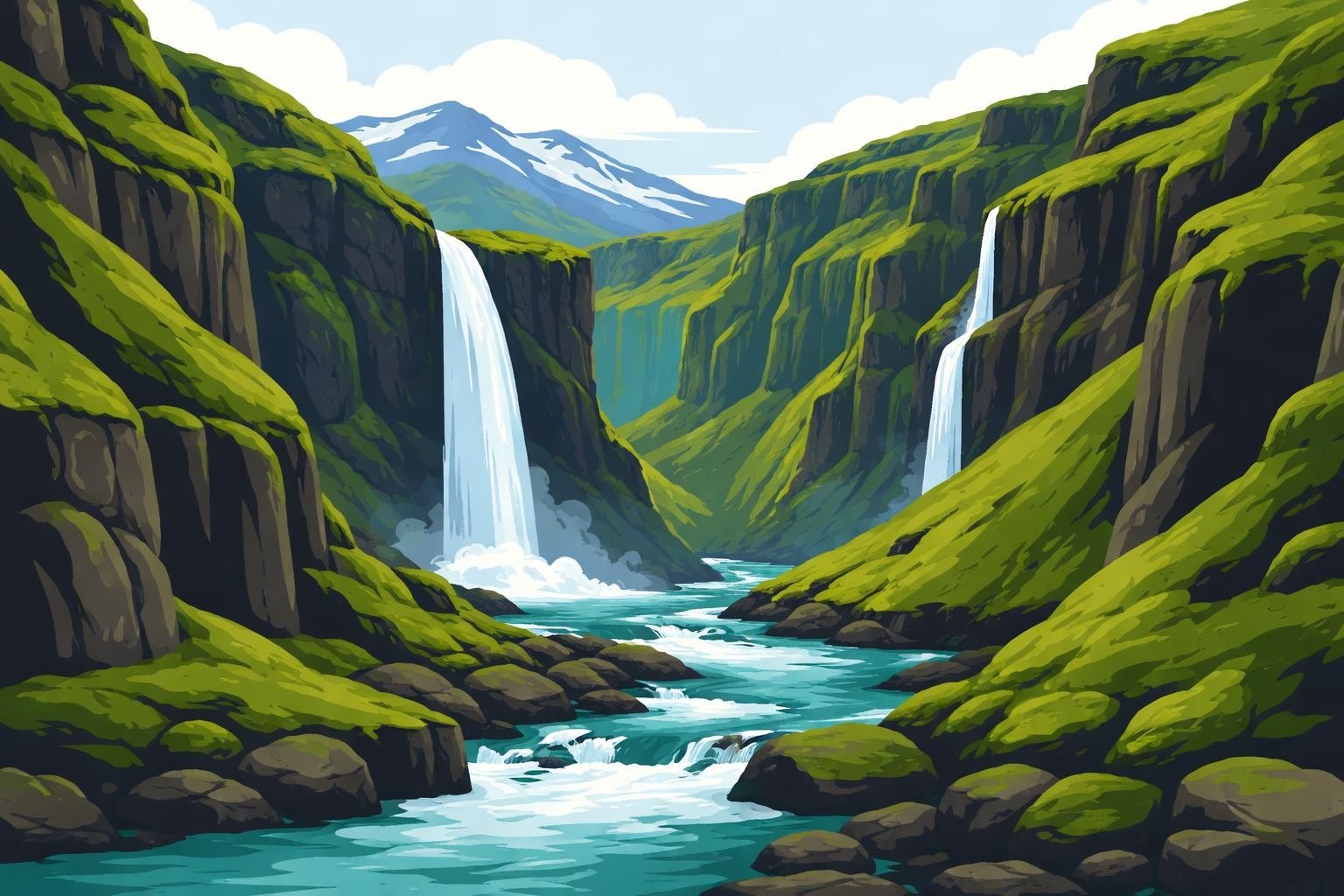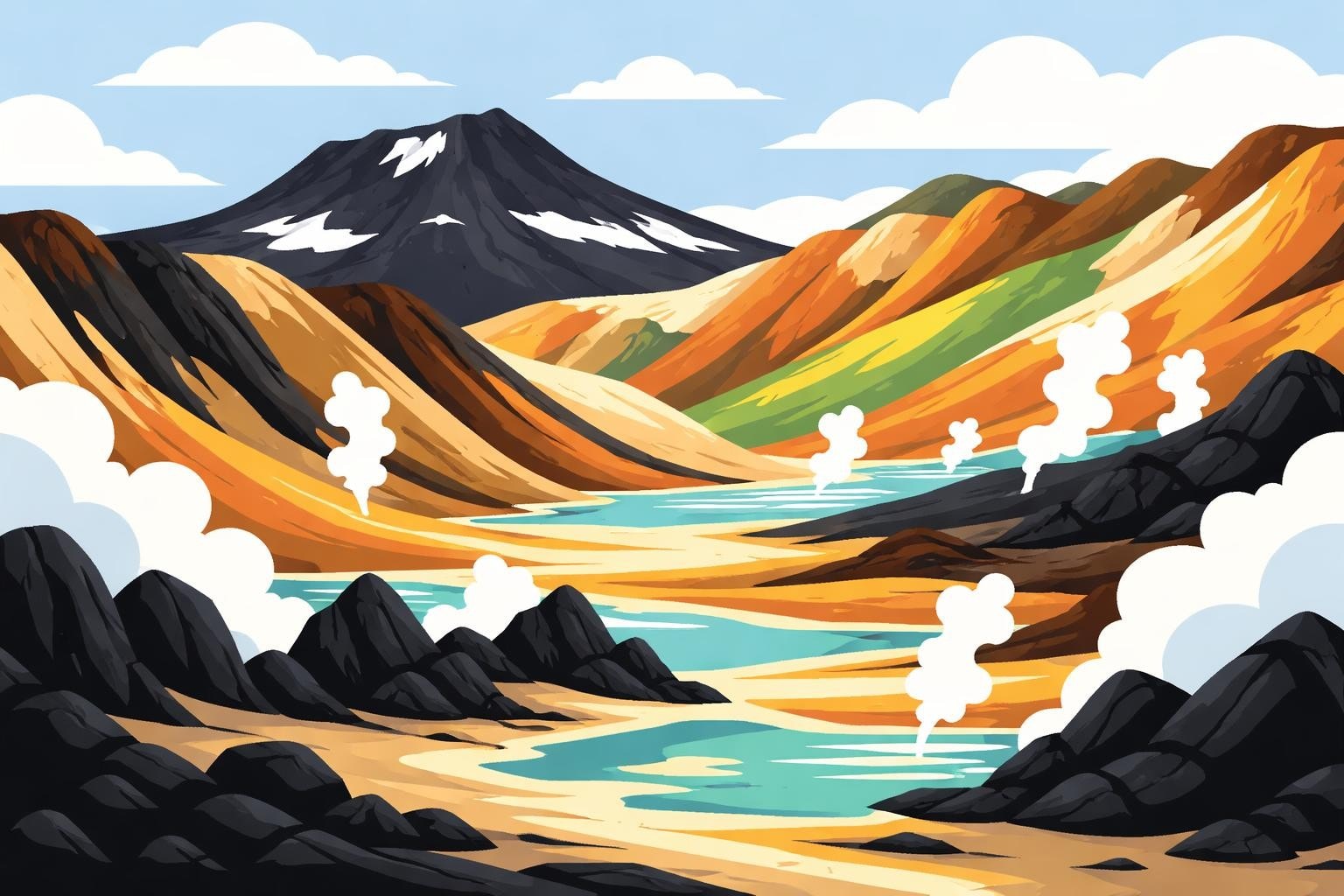
Iceland's Highlands harbor some of the most extraordinary landscapes on Earth, where volcanic forces have sculpted terrain that appears otherworldly. Among these remarkable destinations, Hrafntinnusker stands as a testament to Iceland's geological drama, offering visitors a glimpse into the raw power that continues to shape this island nation. This remote mountain in the southern Highlands represents more than just a hiking destination-it embodies the essence of Iceland's volcanic heritage, complete with obsidian fields, steaming geothermal vents, and panoramic vistas that stretch across untouched wilderness. For adventure seekers planning their Icelandic journey, understanding what makes this location special can transform a standard trip into an unforgettable exploration of nature's most dramatic theater.
The Geological Wonder of Iceland's Highlands
Hrafntinnusker translates to "obsidian skerry" in English, a name that perfectly captures the mountain's most distinctive characteristic. This volcanic peak reaches approximately 1,128 meters above sea level and features extensive deposits of obsidian, a naturally occurring volcanic glass formed when lava cools rapidly. The mountain's geological features include:
- Obsidian fields: Black, glassy rock formations scattered across the landscape
- Rhyolite mountains: Colorful volcanic rock displaying stunning mineral variations
- Active geothermal areas: Steam vents and hot springs demonstrating ongoing volcanic activity
- Snowfields: Year-round snow patches contrasting with dark volcanic terrain
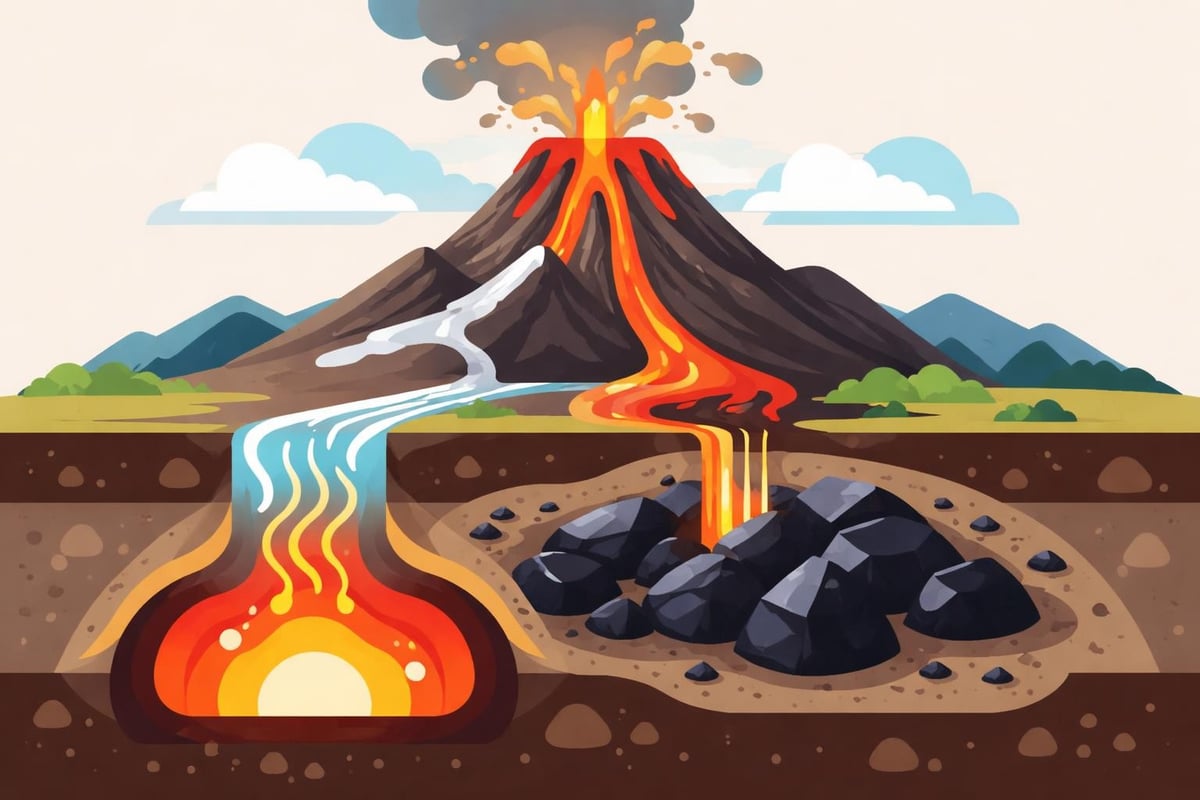
The geothermal activity surrounding hrafntinnusker creates a surreal environment where ice and fire coexist. Steam rises from fissures in the earth while snowfields cling to mountain slopes, creating microclimates that support unique vegetation despite the harsh highland conditions.
Understanding the Highland Environment
The Icelandic Highlands remain one of Europe's last true wilderness areas, and hrafntinnusker sits at the heart of this pristine ecosystem. The region's elevation and interior location create extreme weather conditions that can change within minutes. Summer temperatures typically range from 5°C to 15°C (41°F to 59°F), while winter brings arctic conditions that make the area completely inaccessible.
What makes this mountain particularly fascinating is its position within the volcanic zone. The surrounding landscape bears witness to millennia of eruptions, glacial movements, and geothermal activity. Similar to other remarkable Icelandic destinations like Kerlingarfjoll, hrafntinnusker showcases the dynamic processes that continue to reshape Iceland's interior.
Accessing Hrafntinnusker via the Laugavegur Trail
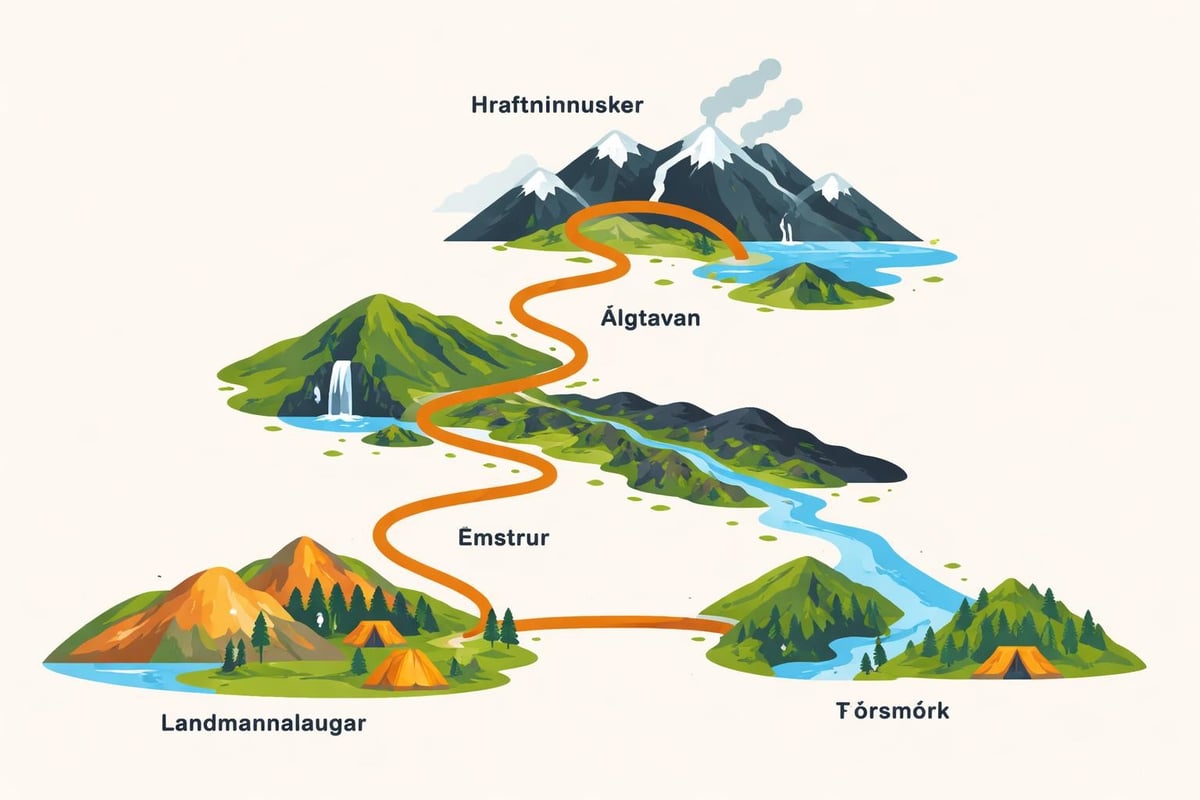
The Laugavegur hiking trail represents Iceland's most famous trekking route, and hrafntinnusker serves as the first overnight stop for hikers beginning their journey from Landmannalaugar. This positioning makes the mountain accessible to thousands of visitors annually during the brief summer hiking season.
| Trail Segment | Distance | Difficulty | Estimated Time |
|---|---|---|---|
| Landmannalaugar to Hrafntinnusker | 12 km | Challenging | 4-5 hours |
| Hrafntinnusker to Álftavatn | 12 km | Moderate | 4-5 hours |
| Full Laugavegur Trail | 55 km | Challenging | 4-5 days |
The trail from Landmannalaugar to hrafntinnusker climbs steadily through diverse volcanic terrain. Hikers traverse lava fields, cross snowfields even in summer, and navigate sections where weather conditions can deteriorate rapidly. Proper preparation is essential, as the highland environment offers no shelter or services between designated huts.
Planning Your Hrafntinnusker Hike
Successfully reaching hrafntinnusker requires thorough preparation and respect for Iceland's unpredictable mountain weather. The hiking season typically runs from late June through early September, though exact dates depend on snow conditions and weather patterns. According to comprehensive hiking guides, several factors demand careful consideration:
Essential gear requirements:
- Waterproof and windproof outerwear rated for extreme conditions
- Navigation tools including GPS devices and physical maps
- Emergency supplies and communication devices
- Four-season camping equipment or mountain hut reservations
- Sturdy hiking boots with excellent ankle support
The mountain hut at hrafntinnusker provides basic accommodation for approximately 52 people during peak season. Reservations through Ferðafélag Íslands are mandatory and typically book months in advance. The facility offers bunk beds, a cooking area, and toilet facilities, but no running water or electricity.
Weather Challenges and Safety Considerations
Hrafntinnusker's elevation and exposed position make it one of Iceland's most weather-challenged locations. Even during summer, conditions can shift from clear skies to whiteout snowstorms within hours. Understanding these risks helps visitors prepare appropriately and make safe decisions.
The mountain experiences approximately 200 days of precipitation annually, with snow possible during any month. Wind speeds frequently exceed 40 km/h, creating dangerous wind chill factors. Visibility can drop to near zero during storms, making navigation extremely difficult despite trail markers.
Emergency Preparedness
Highland hiking demands self-sufficiency and emergency preparedness beyond what most travelers anticipate. The remoteness of hrafntinnusker means rescue operations can take hours or even days during severe weather. Key safety protocols include:
- Register your travel plans: Always inform someone of your intended route and timeline
- Monitor weather forecasts: Check multiple sources before and during your trek
- Carry emergency shelter: Bivy sacks or emergency blankets provide critical protection
- Know your limits: Turn back if conditions exceed your experience level
- Pack extra food and fuel: Weather delays can extend trips significantly
Similar to planning adventures to remote locations like Hornstrandir, visiting hrafntinnusker requires accepting that nature sets the schedule, not human ambitions.
The Obsidian Connection and Geological Significance
The obsidian deposits at hrafntinnusker hold special significance in Iceland's geological history. This volcanic glass forms only under specific conditions when silica-rich lava cools too quickly for crystal structures to develop. The result is a material prized throughout human history for tools, weapons, and decorative purposes.
| Feature | Description | Scientific Importance |
|---|---|---|
| Obsidian Type | Black volcanic glass | Indicates rapid lava cooling |
| Age | Approximately 10,000 years | Post-glacial volcanic activity |
| Distribution | Scattered across ridges | Maps historical lava flows |
| Composition | High silica content | Reveals magma chemistry |
Walking across hrafntinnusker's slopes, hikers encounter obsidian fragments ranging from pebble-sized pieces to substantial boulders. These glassy rocks catch sunlight with a distinctive sheen, creating natural reflections across the landscape. However, visitors should remember that removing rocks or minerals from Iceland's nature is prohibited-these formations must remain undisturbed for future generations.
Geothermal Activity and Landscape Evolution
The steaming vents near hrafntinnusker demonstrate that Iceland's volcanic systems remain very much alive. These geothermal features create warm microclimates where specialized plants thrive despite the harsh conditions. The interaction between heat, ice, and volcanic rock produces a constantly evolving landscape where erosion and deposition occur at accelerated rates.
Scientists study hrafntinnusker and similar locations to understand volcanic processes and predict future activity. The mountain's position above the Mid-Atlantic Ridge places it directly atop the boundary between the North American and Eurasian tectonic plates, making it a natural laboratory for geological research.
Connecting Hrafntinnusker to Your Iceland Adventure
While hrafntinnusker primarily attracts serious hikers, understanding its location and significance helps all Iceland visitors appreciate the country's highland wilderness. The mountain sits approximately 150 kilometers from Reykjavik, requiring either a multi-day hiking commitment or specialized highland vehicle access during limited summer months.
For travelers interested in Iceland's diverse landscapes but not prepared for extreme hiking, numerous alternatives offer glimpses into similar geological features. The complete Laugavegur hike provides comprehensive information about the full trail, while destinations like Landmannalaugar offer easier access to rhyolite mountains and geothermal areas.

Combining Highland and Coastal Experiences
Many visitors discover that Iceland's magic lies in its contrasts. After experiencing the raw wilderness of hrafntinnusker, the coastal attractions along routes like the Ring Road offer different but equally compelling perspectives on Iceland's natural diversity. This combination allows travelers to understand how volcanic forces shape both the interior highlands and accessible coastal regions.
The obsidian-rich environment of hrafntinnusker shares geological connections with more accessible sites throughout Iceland. Understanding these relationships enriches any Icelandic journey, whether you're watching the northern lights dance above coastal mountains or exploring geothermal features near Reykjavik.
Seasonal Considerations and Timing Your Visit
The brief window for visiting hrafntinnusker creates intense demand during Iceland's summer months. The Laugavegur trail typically opens in late June, though snow conditions can delay access. By early September, deteriorating weather and reduced daylight hours signal the end of the practical hiking season.
Monthly conditions breakdown:
- June: Trail opening, significant snow remains, fewer crowds
- July: Peak season, best weather probability, full hut bookings
- August: Stable conditions, autumn colors beginning, high visitor numbers
- September: Weather deteriorating, early closures possible, dramatic light
Each period offers distinct advantages and challenges. Early season visitors encounter more snow but fewer people, while peak summer provides the most stable conditions alongside maximum crowds. Late season brings spectacular autumn colors but increased weather risks.
Multi-Day Trek Planning
Incorporating hrafntinnusker into a multi-day highland trek requires logistical coordination beyond typical Iceland travel. Transportation to trailheads, hut reservations, food supplies, and return arrangements demand advance planning. Many hikers combine the Laugavegur trail with the Fimmvörðuháls extension, creating a comprehensive highland experience spanning six to seven days.
The physical demands of reaching hrafntinnusker should not be underestimated. The 12-kilometer approach from Landmannalaugar involves significant elevation gain, stream crossings, and exposure to full weather systems. Fitness preparation should begin months before your planned trek, focusing on endurance, strength, and hiking with loaded packs.
Wildlife and Ecological Considerations
Despite harsh conditions, the area around hrafntinnusker supports specialized plant and animal life adapted to highland extremes. Arctic foxes patrol the ridges hunting for small rodents, while numerous bird species nest in protected valleys during brief summer months. The vegetation consists primarily of hardy mosses, lichens, and low-growing arctic plants.
Ecological preservation remains paramount in Iceland's Highlands. The fragile environment recovers slowly from disturbance, making responsible travel practices essential. Hikers must stay on marked trails, carry out all waste, and avoid disturbing wildlife or plant communities. These principles align with broader conservation efforts throughout arctic regions.
Leave No Trace in Highland Environments
The conservation of arctic ecosystems requires visitors to minimize their environmental impact. At hrafntinnusker, this means using designated toilet facilities, camping only in permitted areas, and avoiding shortcuts across sensitive vegetation. The obsidian deposits, while tempting souvenirs, must remain untouched to preserve the landscape's integrity.
Water sources in the area, though appearing pristine, may carry contaminants from geothermal activity or wildlife. Proper water treatment through filtration or purification is essential for all drinking water. The mountain hut provides guidance on safe water sources, but hikers should carry treatment systems regardless.
Photography and Documentation Tips
Hrafntinnusker offers extraordinary photographic opportunities, from macro shots of obsidian fragments to sweeping landscape vistas. The interplay of light on volcanic rock, steam from geothermal vents, and dramatic weather creates constantly changing conditions for visual documentation.
Essential photography considerations:
- Protect equipment from moisture, dust, and temperature extremes
- Carry extra batteries, as cold drains power rapidly
- Use polarizing filters to enhance volcanic rock textures
- Capture both wide landscapes and detailed geological features
- Document weather changes and their impact on visibility
The dramatic landscapes found at hrafntinnusker rival other Icelandic photographic destinations, though accessibility challenges mean fewer visitors capture these scenes. This exclusivity makes images from the region particularly valuable for those willing to undertake the journey.
Cultural and Historical Context
While hrafntinnusker lacks the ancient historical sites found in coastal Iceland, the mountain holds significance in modern hiking culture and Icelandic outdoor traditions. The establishment of the Laugavegur trail in the 1960s opened highland access to recreational hikers, transforming areas like hrafntinnusker from the exclusive domain of shepherds and scientists into celebrated trekking destinations.
The naming of geographic features reflects Iceland's poetic relationship with landscape. "Hrafntinnusker" combines words for raven (hrafn), obsidian (tinnu), and skerry (sker), creating a descriptive name that immediately conveys the location's character. This linguistic tradition helps visitors understand landscape features through their Icelandic designations.
Modern Highland Culture
Today's highland hiking culture balances preservation with access, a tension particularly evident at popular destinations like hrafntinnusker. Managing environmental impact while allowing people to experience these extraordinary landscapes requires ongoing dialogue between conservation organizations, tourism operators, and visitors.
The mountain hut system represents Iceland's commitment to sustainable highland access. By concentrating overnight visitors in designated facilities, these huts reduce environmental impact while providing safety and community for trekkers. The social atmosphere at hrafntinnusker hut, where hikers from around the world share experiences, has become part of the trail's appeal.
Practical Information for International Visitors
Reaching hrafntinnusker from abroad requires coordinating international travel, domestic logistics, and wilderness preparation. Most visitors fly into Reykjavik, spend several days exploring accessible attractions, then commit to their highland trek. This approach allows acclimatization to Iceland's environment while securing necessary permits and supplies.
Transportation to Landmannalaugar, the usual starting point for hrafntinnusker hikes, requires either booking shuttle buses or renting specialized 4x4 vehicles. Standard rental cars cannot navigate the F-roads leading to highland trailheads. Bus services operate on fixed schedules during summer months, requiring hikers to align their trek timing with available transportation.
Costs and Budget Planning
A hrafntinnusker trek involves several expense categories beyond typical Iceland travel costs. Mountain hut reservations cost approximately 9,000 ISK per night (prices subject to change), while transportation to trailheads adds 10,000-20,000 ISK depending on options chosen. Specialized gear rental, food supplies, and potential guide services increase overall expedition costs.
Budget-conscious travelers can reduce expenses through careful planning, though certain costs remain unavoidable. Hut reservations require payment months in advance, and cancellation policies offer limited flexibility. Weather-related trip cancellations may result in lost deposits, making travel insurance prudent for international visitors.
Alternative Highland Destinations
For travelers intrigued by hrafntinnusker but unable to commit to multi-day highland trekking, Iceland offers numerous alternatives showcasing similar geological features. Day hikes in Landmannalaugar provide access to rhyolite mountains and geothermal areas without overnight wilderness camping. Kerlingarfjoll presents another highland destination with easier access and developed facilities.
Coastal volcanic features, while different from hrafntinnusker's highland environment, demonstrate Iceland's volcanic heritage through more accessible locations. Destinations featured in various tour options showcase how volcanic forces have shaped Iceland's landscape from coast to interior.
Understanding hrafntinnusker's place within Iceland's broader geological story enhances appreciation for all volcanic features throughout the country. The obsidian mountain represents an extreme expression of processes visible in modified forms across Iceland's diverse regions.
Hrafntinnusker stands as one of Iceland's most remarkable geological features, offering intrepid hikers a chance to experience true highland wilderness amid obsidian fields and geothermal wonders. Whether you're planning a multi-day trek or simply appreciating Iceland's volcanic heritage from more accessible locations, understanding these remote highlands enriches your connection to this extraordinary landscape. While exploring Iceland's natural wonders, consider extending your adventure beyond daylight hours with Reykjavik Northern Lights to witness the aurora borealis dancing above volcanic peaks-an unforgettable complement to your Icelandic journey that combines geological marvels with celestial displays.