Iceland has become synonymous with aurora borealis viewing, drawing thousands of visitors each winter who dream of witnessing nature's most spectacular light show. The island's position just below the Arctic Circle, combined with relatively accessible terrain and developed tourism infrastructure, makes it one of the world's premier destinations for aurora hunting. When planning northern lights tours iceland, travelers face numerous options ranging from budget-friendly bus excursions to intimate small-group adventures that venture deep into the wilderness. Understanding these choices and what makes each experience unique is essential for maximizing your chances of witnessing the ethereal green, purple, and red ribbons dancing across the Arctic sky.
Understanding Iceland's Northern Lights Season
The aurora borealis viewing season in Iceland extends from late August through mid-April, with peak activity typically occurring between September and March. During these months, darkness returns to the Icelandic nights for sufficient hours to make aurora viewing possible.
Solar activity follows an 11-year cycle, and 2026 falls within a period of heightened solar activity, creating favorable conditions for aurora displays. However, the northern lights remain a natural phenomenon influenced by numerous variables including solar wind strength, geomagnetic activity measured by the KP index, and Earth's magnetic field interactions.
Weather and Viewing Conditions
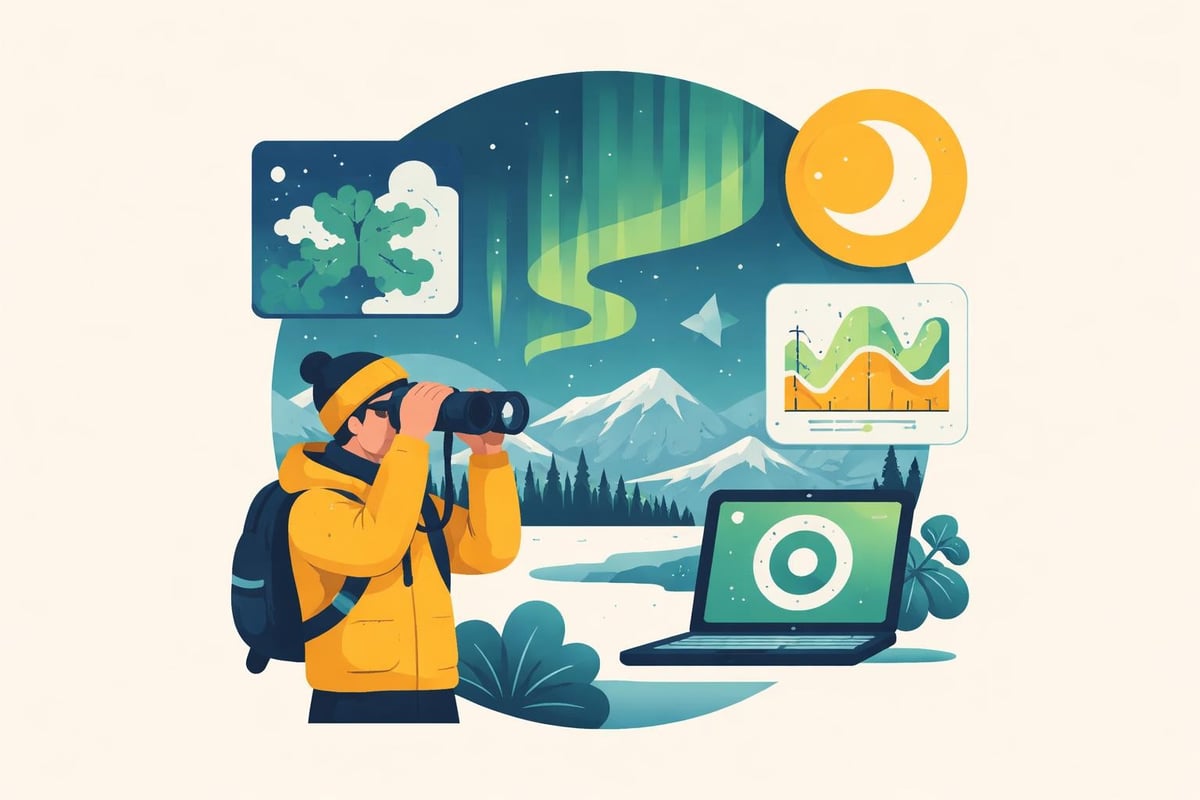
Clear skies are absolutely essential for aurora viewing, making weather forecasting a critical component of successful northern lights tours iceland. Iceland's maritime climate brings rapid weather changes, with cloud cover forming and dissipating within hours.
Key factors affecting visibility:
- Cloud coverage percentage and type
- Moon phase and brightness
- Light pollution from urban areas
- Precipitation including rain and snow
- Wind conditions affecting comfort
Professional tour operators monitor multiple weather models and aurora forecasts simultaneously, adjusting routes in real-time to position guests in locations with the highest probability of clear skies and strong aurora activity. This dynamic approach to Northern Lights tours has become standard practice among reputable operators.
Types of Northern Lights Tours Available
Iceland's tourism industry offers diverse northern lights tours iceland to accommodate different preferences, budgets, and physical abilities. Each tour type delivers distinct advantages and experiences.
Bus Tours
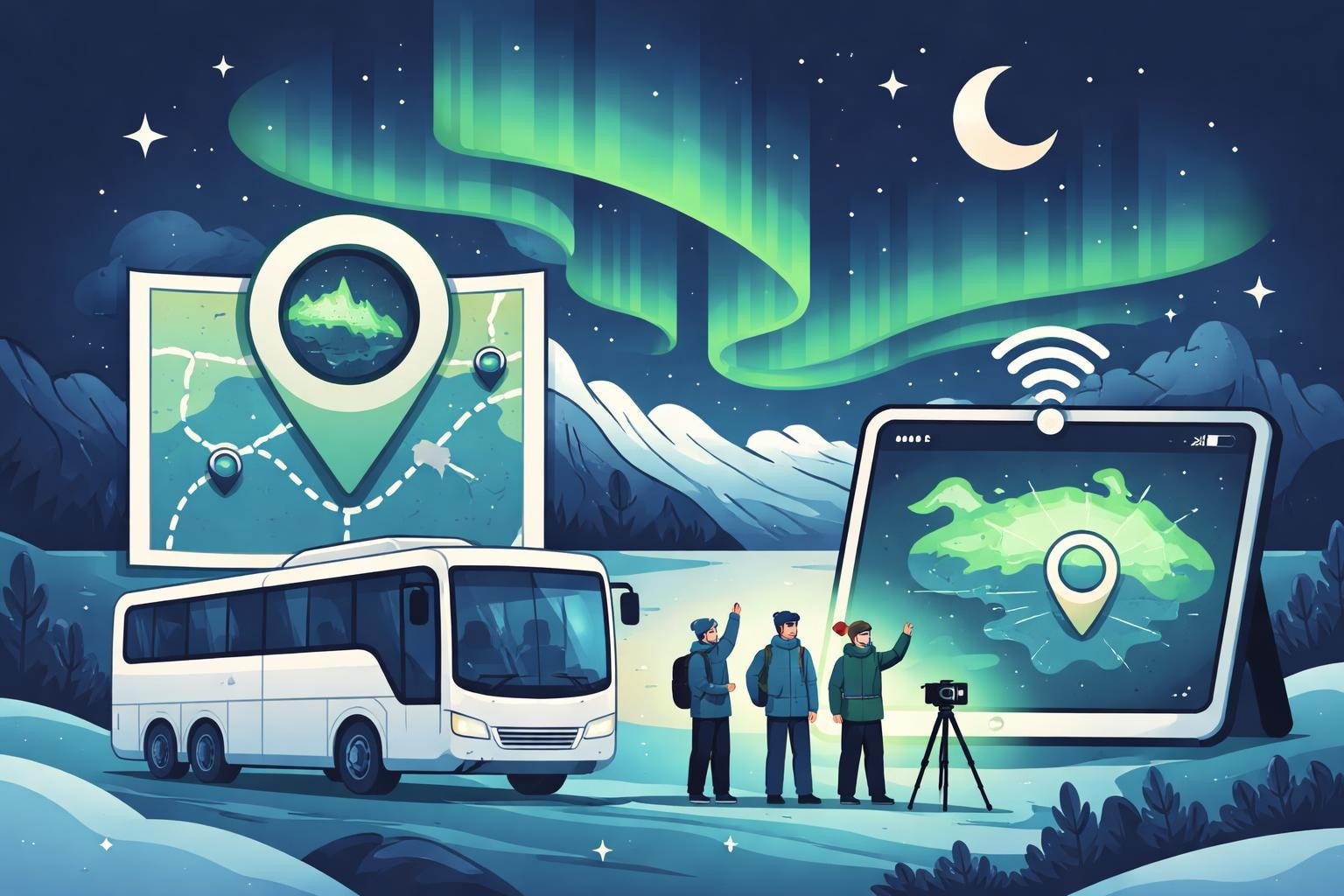
Large bus tours represent the most economical option, typically accommodating 30-50 passengers on dedicated aurora-hunting excursions. These tours depart from Reykjavik and travel to predetermined viewing locations within a 50-kilometer radius of the capital.
| Feature | Bus Tours | Small Group Tours | Jeep Tours |
|---|---|---|---|
| Group Size | 30-50 people | 8-15 people | 4-8 people |
| Vehicle Type | Large coach | Minibus | 4x4 Super Jeep |
| Flexibility | Limited routes | Moderate routes | Maximum flexibility |
| Price Range | $60-$90 | $100-$150 | $150-$250 |
| Comfort Level | Standard seating | Enhanced comfort | Premium experience |
| Route Access | Paved roads only | Some gravel roads | Off-road capable |
Bus tours provide heated vehicles, knowledgeable guides, and often include hot beverages. The larger group size creates a social atmosphere, though it can limit flexibility when adjusting routes based on real-time conditions.
Small Group Experiences
Small group tours strike a balance between affordability and personalized service. With fewer passengers, guides can provide more individual attention, answer questions thoroughly, and adapt routes more dynamically based on weather and aurora forecasts.
These tours often venture further from Reykjavik, accessing locations with darker skies and reduced light pollution. The intimate group size allows for better photography instruction and creates opportunities for meaningful connections with fellow travelers and local guides.
Super Jeep Adventures
Super Jeep tours represent the premium tier of northern lights tours iceland, utilizing modified 4x4 vehicles equipped with massive tires, enhanced suspension, and powerful engines. These vehicles access remote highlands, volcanic landscapes, and mountain passes inaccessible to standard vehicles.
The storyteller element often incorporated into jeep tours adds cultural depth, with guides sharing Icelandic folklore, geological insights, and astronomical knowledge throughout the journey. These tours typically limit groups to 4-8 passengers, ensuring everyone receives window seats and personal attention.
Geographic Considerations and Viewing Locations
Iceland's compact size allows tour operators to reach diverse landscapes within reasonable driving distances from Reykjavik. However, location selection significantly impacts the quality of your aurora experience.
Light Pollution and Darkness
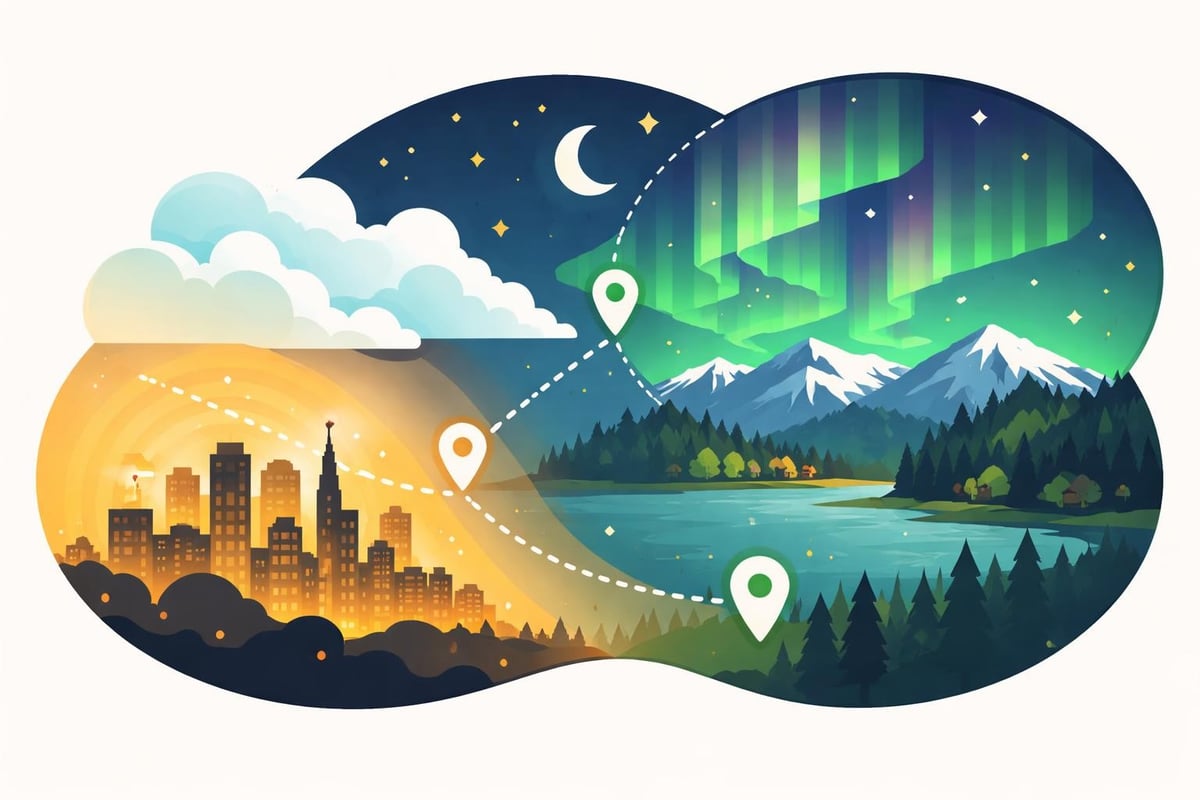
Reykjavik's metropolitan area, while small by international standards, produces enough light pollution to diminish aurora visibility. Successful northern lights tours iceland travel at least 30 kilometers from the capital to reach sufficiently dark skies.
Optimal viewing zones include:
- Thingvellir National Park area
- Reykjanes Peninsula southern coast
- Hvalfjordur fjord region
- Kjalarnes northern peninsula
- Southeastern lowlands near Selfoss
The darkness quality improves dramatically with distance from populated areas. Professional guides understand which directions to travel based on real-time cloud coverage patterns, often making route decisions just hours before departure.
Landscape and Photography Opportunities
While aurora visibility is paramount, foreground landscape elements dramatically enhance both the viewing experience and photography results. Tour operators select locations featuring distinctive Icelandic elements.
Iceland's volcanic terrain, glacial features, and coastal formations create stunning foreground subjects. Black sand beaches, mountain silhouettes, frozen waterfalls, and geothermal steam vents all serve as compelling compositions when combined with overhead aurora displays.
What to Expect During Your Tour
Understanding the practical aspects of northern lights tours iceland helps set realistic expectations and ensures proper preparation for the experience.
Duration and Schedule
Most tours operate between 8 PM and 1 AM, with typical durations of 4-5 hours. This timeframe allows operators to wait for clouds to clear, travel to multiple locations if necessary, and provide adequate viewing time once the aurora appears.
Departure times vary based on season, with earlier starts in August and September when darkness arrives sooner, and later departures during March and April when twilight extends into the evening hours. Flexible schedules are essential since aurora displays don't follow predictable timetables.
The Hunting Process
Northern lights tours involve active "hunting" rather than passive observation. Guides continuously monitor weather radar, aurora forecasts, and reports from other guides operating simultaneously across Iceland.
- Initial departure to a predetermined base location
- Real-time assessment of sky conditions and aurora activity
- Potential relocation to alternate sites if clouds appear
- Waiting periods during which guides provide education and entertainment
- Active viewing once the aurora becomes visible
- Photography assistance and technical guidance
- Return journey to Reykjavik
This dynamic process means some nights involve more driving than others. Patient expectations are essential, as nature operates on its own schedule.
Guide Expertise and Education
Quality northern lights tours iceland feature guides who provide substantial educational value beyond simple transportation. Expert guides explain aurora science, share Icelandic cultural perspectives on the lights, identify constellations visible during clear nights, and offer photography instruction.
The best guides balance scientific accuracy with accessible language, creating engaging narratives that enhance appreciation for the phenomenon. Many guides have completed specialized aurora guiding certifications and possess deep knowledge of Icelandic geography, weather patterns, and folklore.
Photography Considerations and Support
Capturing northern lights photographs requires technical knowledge and appropriate equipment. Understanding what tour operators provide and what you should bring is essential for successful imaging.
Camera Settings and Equipment
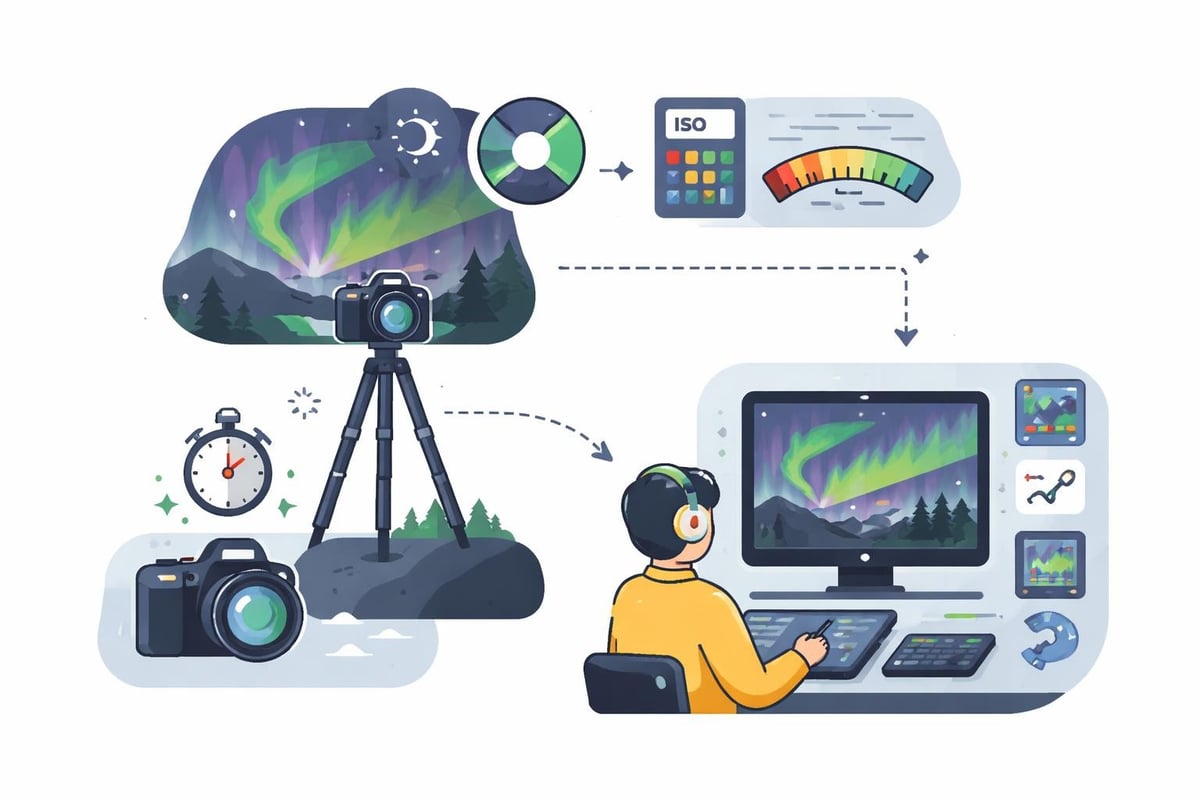
Modern smartphones can capture basic aurora images, but dedicated cameras with manual controls produce superior results. The fundamental challenge involves capturing sufficient light during long exposures while maintaining sharp focus.
Essential camera settings:
- Manual mode operation
- Wide aperture (f/2.8 or wider preferred)
- High ISO settings (1600-3200)
- Exposure times between 5-25 seconds
- Manual focus set to infinity
- RAW file format for post-processing flexibility
Stable tripods are absolutely essential for sharp images during long exposures. Many tour operators provide tripods for guests without personal equipment, though availability should be confirmed during booking.
Tour Operator Photography Support
Professional northern lights tours iceland increasingly incorporate photography assistance as a standard service element. Guides help with camera settings, composition suggestions, and technical troubleshooting throughout the experience.
| Photography Service | Bus Tours | Small Group | Jeep Tours |
|---|---|---|---|
| Camera setup help | Basic | Detailed | Comprehensive |
| Tripod provision | Sometimes | Usually | Always |
| Composition guidance | Limited | Moderate | Extensive |
| Professional photos | Often included | Usually included | Always included |
Many operators now employ guides with photography expertise specifically for capturing the Northern Lights, recognizing that most guests prioritize obtaining quality images.
Booking Strategy and Practical Tips
Maximizing your northern lights experience requires strategic planning beyond simply reserving a tour slot. Several factors influence success rates and overall satisfaction.
Multiple Night Bookings
Weather unpredictability makes single-night bookings risky. Statistical analysis shows that booking northern lights tours iceland across three to five separate nights dramatically increases your overall chances of witnessing a display.
Many operators offer significant discounts for multiple bookings or provide free rebooking if the initial tour experiences complete cloud coverage with no aurora visibility. These policies demonstrate operator confidence and provide valuable insurance against disappointing weather.
Timing Within Your Iceland Visit
Schedule northern lights tours during the middle portion of your Iceland visit rather than the first or last nights. This flexibility allows for rebooking if weather proves unfavorable, and prevents the disappointment of missing your only opportunity due to a single cloudy evening.
Consider also that jet lag affects first-night experiences. Starting tours on your second or third evening ensures you're alert and energetic enough to fully appreciate the potentially long night of aurora hunting.
Seasonal Considerations
Each period within Iceland's aurora season offers distinct advantages and challenges. September and March provide milder temperatures and longer tour availability compared to peak winter months, though darkness hours are somewhat reduced.
Seasonal comparison:
- Late August - September: Milder weather, autumn colors, less darkness
- October - November: Increasing darkness, variable weather, moderate tourism
- December - January: Maximum darkness hours, coldest temperatures, peak tourism
- February - March: Improving weather stability, longer days beginning, strong aurora activity
- April: Decreasing darkness, spring conditions, season ending
The variety of Northern Lights viewing opportunities across these months means each season attracts different traveler preferences and priorities.
Clothing and Preparation Essentials
Icelandic winter conditions demand proper clothing preparation. Even though tours provide heated vehicles, significant time is spent outdoors during viewing periods.
Layering System
The layering approach to cold weather dressing proves most effective for northern lights tours iceland. Temperature regulation becomes essential as activity levels change between standing still during viewing and walking to different vantage points.
Recommended layers:
- Moisture-wicking base layer (merino wool preferred)
- Insulating mid-layer (fleece or down)
- Waterproof and windproof outer shell
- Insulated winter pants over base layer
- Warm hat covering ears
- Insulated gloves (photographer-specific gloves helpful)
- Waterproof winter boots with good traction
Hand and toe warmers provide supplementary heat during extended viewing periods. Many experienced tour operators distribute these items to guests as conditions warrant.
Additional Comfort Items
Beyond basic clothing, several items enhance comfort during multi-hour outdoor experiences. Neck gaiters or scarves protect against wind, while insulated seat pads make sitting on cold surfaces bearable during long exposures.
Bringing personal hot beverages in insulated containers supplements what operators provide. Snacks maintain energy levels during potentially lengthy waiting periods between locations.
Understanding Success Rates and Guarantees
Tour operators communicate success rates differently, making it important to understand what statistics represent and what guarantees actually mean.
Statistical Transparency
Reputable northern lights tours iceland operators publish success rates based on actual viewing outcomes across previous seasons. These percentages typically range between 65-85% for winter months, depending on how success is defined.
Some operators count any aurora visibility as success, while others require substantial displays. Understanding these definitions helps set appropriate expectations and compare operators meaningfully.
Rebooking Policies
Most quality tour operators offer free rebooking if the northern lights don't appear due to cloud coverage or insufficient aurora activity. However, terms vary significantly between providers.
Common policy variations:
- Complete cloud coverage with zero visibility
- Aurora appeared but was very faint
- Partial viewing through intermittent clouds
- Weather forced early tour termination
Reading policy specifics before booking prevents misunderstandings about what conditions qualify for complimentary rebooking. The most customer-friendly operators define qualification criteria clearly and honor them consistently.
Enhanced Tour Options and Combinations
Beyond standard aurora hunting, numerous northern lights tours iceland incorporate additional elements that create more comprehensive experiences.
Multi-Activity Combinations
Some operators combine northern lights hunting with daytime activities, creating full-day adventures. Common combinations include glacier hiking, ice cave exploration, hot spring visits, or South Coast sightseeing integrated with evening aurora tours.
These packages maximize travel efficiency and provide backup value if aurora viewing proves unsuccessful. The daytime activities deliver guaranteed experiences that complement the evening aurora hunting.
Luxury and Premium Services
Premium tour options have expanded significantly in recent years, featuring elements like private guides, gourmet dining, professional photography services, and exclusive access to private properties for viewing.
Some luxury operators maintain relationships with rural landowners, accessing private locations away from other tour groups. This exclusivity enhances the intimate nature of aurora viewing while reducing competition for photography compositions.
Cultural and Educational Emphasis
Tours focused on aurora borealis experiences increasingly incorporate Icelandic cultural elements. Storytelling tours weave historical narratives, folklore, and traditional perspectives on the northern lights throughout the evening.
These cultural components provide engagement during waiting periods and create meaning beyond simple aurora observation. Understanding how Icelanders historically interpreted the lights adds depth to the modern scientific appreciation of the phenomenon.
Booking Through Specialized Operators
Selecting tour providers requires evaluation of multiple factors beyond price comparison. Specialized northern lights operators typically deliver superior experiences compared to general tourism companies offering aurora tours as one among many activities.
Operator Specialization Benefits
Companies focused exclusively on northern lights tours iceland develop refined processes, specialized equipment, and guide expertise specifically oriented toward aurora hunting success. Their entire business model depends on customer satisfaction with aurora experiences, creating strong incentives for excellence.
Specialized operator advantages:
- Guides trained specifically in aurora forecasting
- Vehicles equipped for optimal viewing and photography
- Established networks for real-time information sharing
- Investment in premium viewing locations
- Contingency plans for various weather scenarios
These focused operations understand the nuances that distinguish mediocre aurora tours from exceptional ones. They've refined their approaches through hundreds of tours rather than treating aurora hunting as a secondary offering.
Customer Service and Communication
Quality operators maintain responsive communication before, during, and after tours. Pre-tour communication should include weather forecasts, clothing recommendations, and realistic expectation setting based on current solar activity and forecast conditions.
During tours, guides should explain what's happening, why routing decisions are made, and what guests should watch for as aurora activity develops. Post-tour follow-up demonstrates commitment to customer satisfaction and provides opportunities for feedback incorporation.
Health and Safety Considerations
While northern lights tours iceland are generally safe activities, understanding potential health and safety aspects ensures appropriate preparation.
Motion Sensitivity
Tours involve substantial driving, often on winding roads and occasionally on rough gravel surfaces. Individuals prone to motion sickness should take preventive medication before departure.
Seated positions near vehicle centers rather than rear seats minimize motion effects. Informing guides about motion sensitivity allows them to select smoother routes when multiple location options exist.
Cold Exposure Management
Extended periods in sub-freezing temperatures pose risks for those unaccustomed to Arctic conditions. Frostbite and hypothermia prevention requires proper clothing and awareness of warning signs.
Cold exposure warning signs:
- Numbness in extremities persisting despite movement
- Uncontrollable shivering
- Confusion or unusual behavior
- Pale or waxy skin appearance
- Loss of coordination
Quality tour guides monitor guest comfort continuously and provide shelter options if anyone shows cold stress symptoms. Vehicles serve as warm refuges during extended viewing sessions.
Accessibility Considerations
Most northern lights tours involve some walking on uneven, potentially icy surfaces. Those with mobility limitations should specifically discuss accessibility needs with operators before booking.
Some tour providers offer modified experiences with viewing from heated vehicles or locations with minimal walking requirements. Transparent communication about physical requirements helps ensure appropriate tour selection.
The Science Behind Aurora Forecasting
Understanding how aurora predictions work enhances appreciation for the guide expertise involved in successful northern lights tours iceland.
Solar Activity Monitoring
Aurora forecasting begins with solar observation satellites monitoring the sun's surface for coronal mass ejections and solar flares. These events release charged particles that travel toward Earth over 1-3 days.
The Advanced Composition Explorer (ACE) satellite, positioned between Earth and the sun, provides approximately 30-60 minutes of advance warning when solar wind reaches positions that will impact Earth's magnetic field.
Geomagnetic Activity Measurement
The KP index measures global geomagnetic activity on a scale from 0-9, with higher numbers indicating stronger aurora potential. Iceland's latitude means aurora visibility becomes likely at KP levels of 2 or higher, with spectacular displays occurring during KP 4+ events.
However, the KP index represents a planetary average. Regional variations mean aurora can be visible in Iceland even during low KP readings if local geomagnetic conditions align favorably. Experienced guides understand these nuances and don't rely solely on KP numbers.
Short-Term Forecasting Challenges
Aurora forecasting remains imprecise compared to standard weather prediction. While solar wind speed and density can be measured relatively accurately, predicting exactly where and when aurora curtains will form involves substantial uncertainty.
This unpredictability is why planning Northern Lights experiences requires flexibility and why successful operators maintain dynamic routing capabilities throughout each tour evening.
Witnessing the northern lights remains one of nature's most profound experiences, combining scientific wonder with aesthetic beauty that has captivated humanity throughout history. Success requires the right combination of timing, location expertise, weather luck, and knowledgeable guidance. Whether you choose an economical bus tour, an intimate small-group experience, or a premium jeep adventure, Reykjavik Northern Lights provides the local expertise, real-time sky routing, and warm hospitality essential for maximizing your aurora viewing opportunities. Book your northern lights adventure with Reykjavik Northern Lights and let experienced guides handle the complex forecasting while you focus on experiencing Iceland's magical aurora borealis.