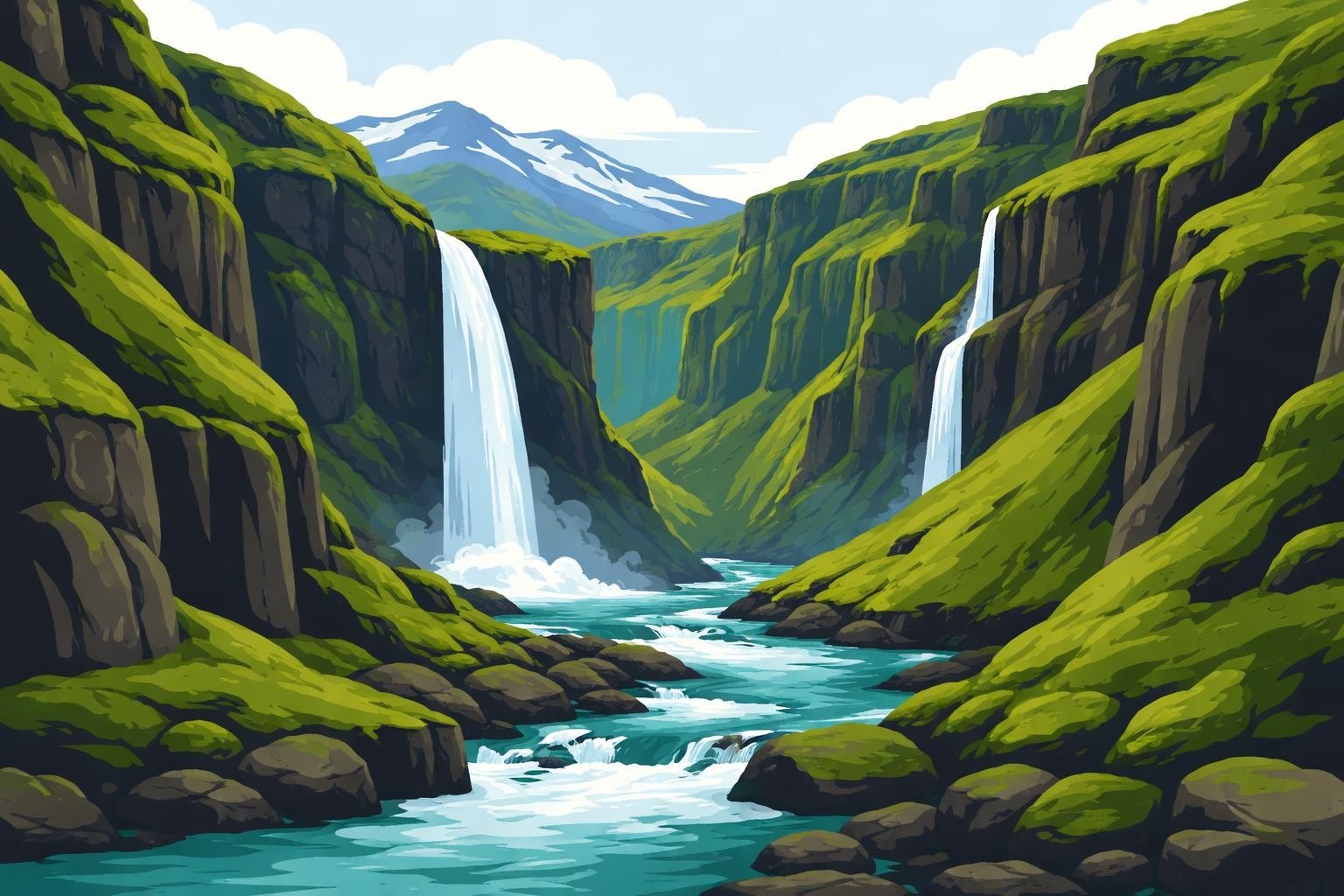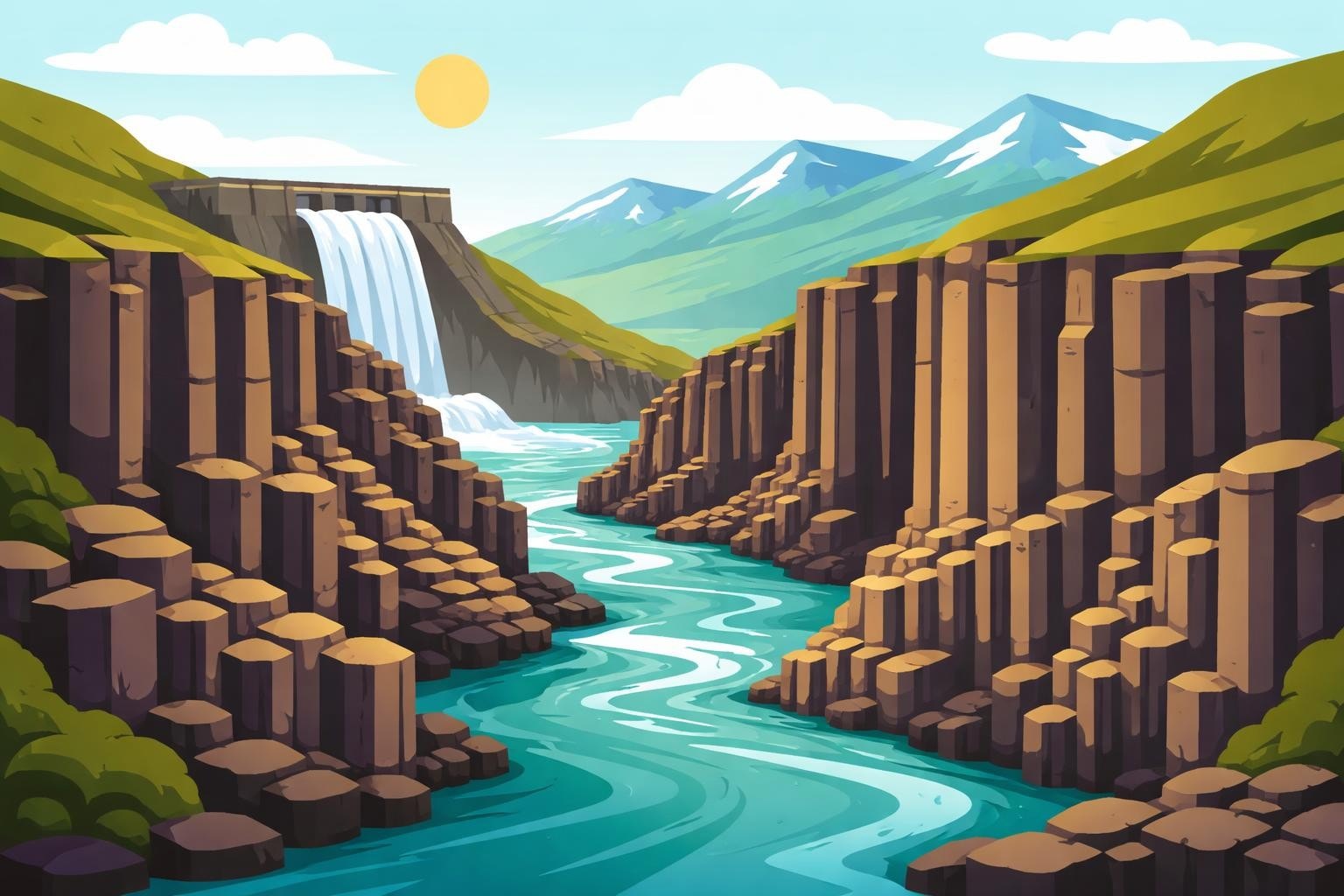
Iceland's eastern highlands conceal one of the country's most spectacular geological formations, only fully revealed within the past two decades. Stuðlagil Canyon represents a stunning example of volcanic architecture, where thousands of hexagonal basalt columns rise dramatically from the riverbed, creating a cathedral-like gorge that has quickly become one of Iceland's most photographed natural attractions. For travelers planning their Icelandic adventure, understanding this remote destination's unique characteristics, accessibility challenges, and seasonal variations ensures a rewarding experience in one of the island's least-traveled regions.
The Geological Formation Behind the Columns
The basalt columns at stuðlagil canyon formed through a precise volcanic process that occurred thousands of years ago. When lava flows cool rapidly and contract uniformly, the stress creates a hexagonal fracture pattern, similar to how mud cracks when drying but far more geometrically perfect. This natural phenomenon produced the remarkable symmetry visible throughout the canyon.
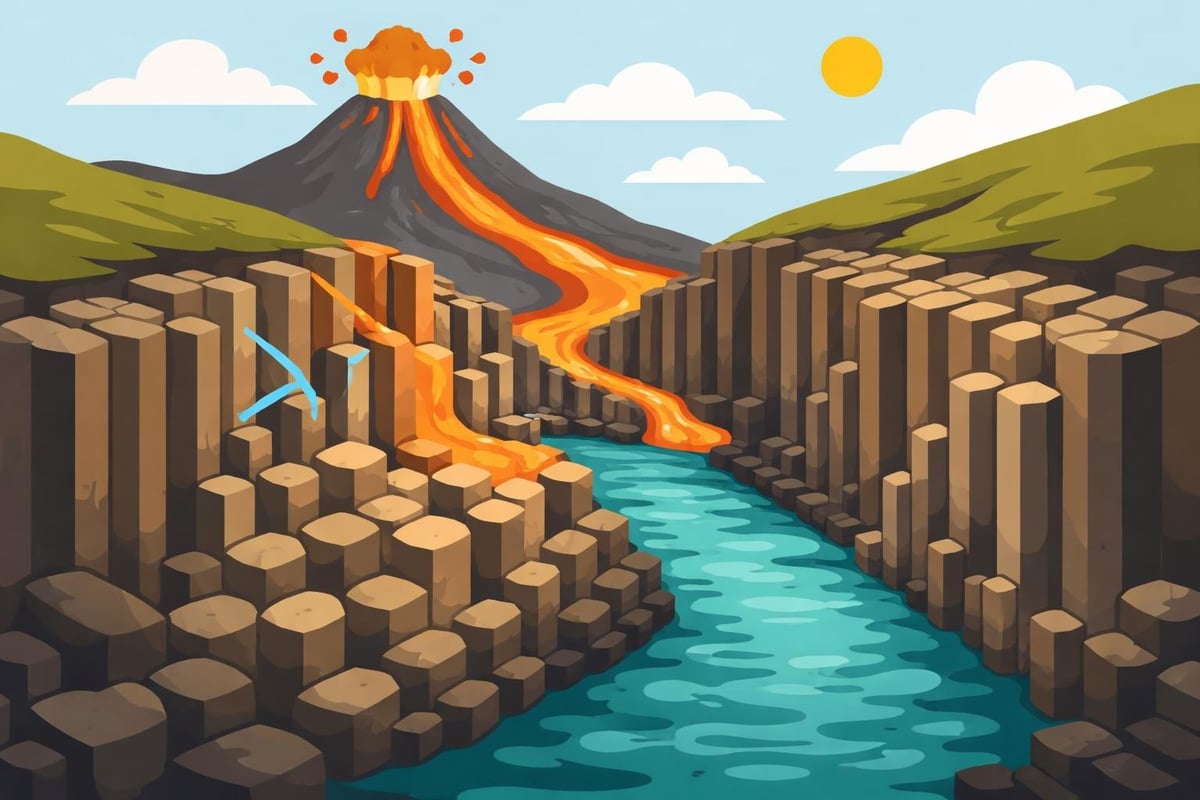
The Jökulsá á Dal River carved through these ancient lava fields over millennia, exposing the columnar structures along its banks. However, the full magnificence of stuðlagil canyon remained largely hidden underwater until relatively recently. The river's high flow concealed most of the basalt formations beneath turbulent glacial meltwater.
The Kárahnjúkar Project's Unintended Revelation
The construction of the Kárahnjúkar hydroelectric plant between 2003 and 2009 fundamentally altered the region's hydrology. According to detailed geological information, the damming of the glacial river dramatically reduced water flow through the canyon, lowering the river level by several meters. This engineering project inadvertently revealed what had been hidden for centuries.
The reduced flow transformed stuðlagil canyon from an unknown gorge into a visual masterpiece. The turquoise river now flows calmly between towering basalt walls, creating striking color contrasts that photographers and nature enthusiasts travel across the globe to witness. What was once completely submerged now stands as one of Iceland's most distinctive landscapes.
Planning Your Visit to Stuðlagil Canyon
Visiting stuðlagil canyon requires careful planning due to its remote location in the Jökuldalur valley, approximately 100 kilometers from the eastern town of Egilsstaðir. The canyon sits in Iceland's eastern highlands, an area characterized by limited infrastructure and challenging weather conditions year-round.
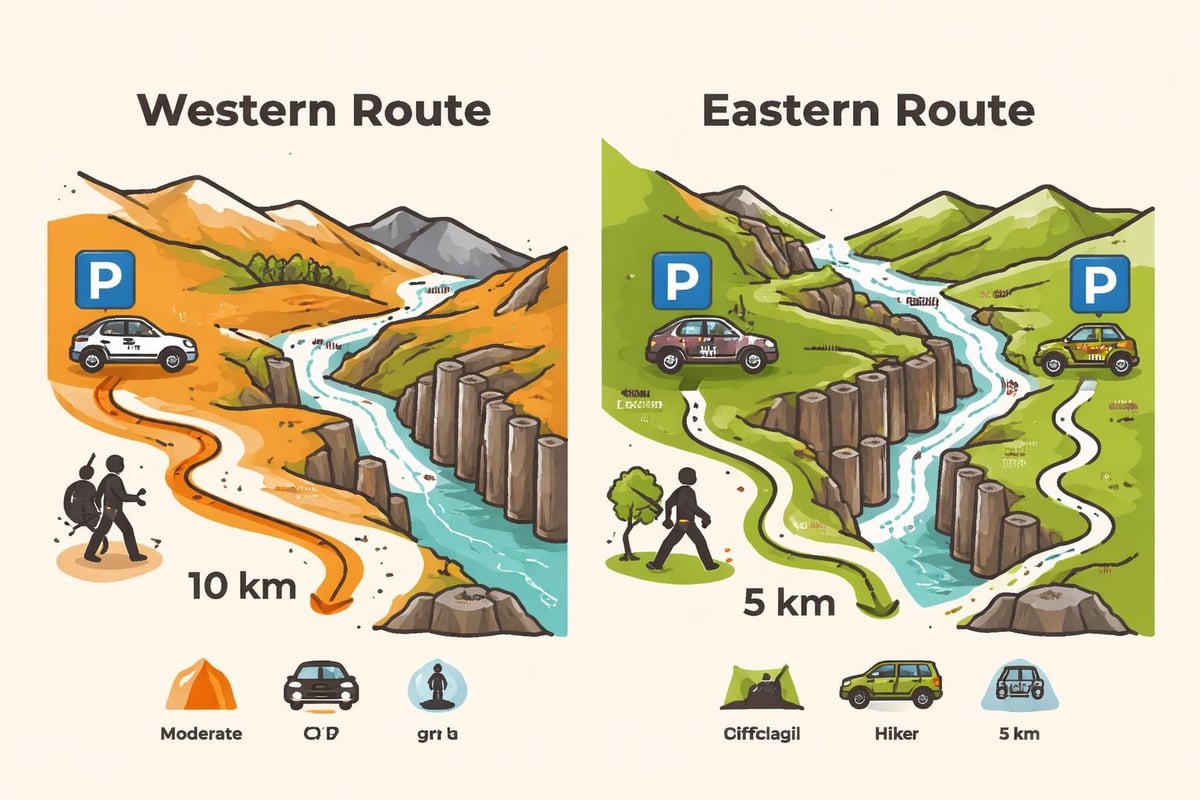
Two primary access points serve visitors to stuðlagil canyon:
- Western approach: Longer hiking distance but easier parking access
- Eastern approach: Shorter walk but rougher access road requiring four-wheel drive vehicles
Most travelers incorporate the canyon into broader eastern Iceland itineraries, often combined with visits to Lake Mývatn, Dettifoss waterfall, or the coastal villages along Route 1. Those exploring the Ring Road Iceland circuit find stuðlagil canyon makes an excellent detour into the highlands.
Seasonal Considerations and Timing
| Season | River Color | Access Difficulty | Visitor Volume | Photography Conditions |
|---|---|---|---|---|
| Summer (June-August) | Turquoise-blue | Moderate | High | Extended daylight |
| Autumn (September-October) | Deep blue | Moderate | Medium | Golden hour light |
| Winter (November-March) | Variable, often frozen | Very difficult | Very low | Limited daylight |
| Spring (April-May) | Grayish from melt | Difficult | Low | Improving light |
The comprehensive visitor information emphasizes that summer months offer the most reliable access and the most vibrant river colors. The glacial water displays its characteristic turquoise hue most prominently when sunlight penetrates the clear, shallow flow during long summer days.
Winter visits to stuðlagil canyon present significant challenges. Snow coverage makes hiking trails treacherous, and reduced daylight hours limit photography opportunities. However, adventurous travelers who brave winter conditions may witness the canyon adorned with ice formations and snow-covered columns, creating an otherworldly atmosphere.
Accessing the Canyon Safely
The eastern approach to stuðlagil canyon begins at a parking area accessible via Route 923, though the final kilometers require navigating a rough gravel road. Four-wheel-drive vehicles with adequate ground clearance handle this route best, particularly after rainfall when sections become muddy and rutted. From the eastern parking area, a moderate 15-20 minute hike leads to the canyon viewpoint.
The western access route follows a longer but more gradual path. Visitors park near the Grund farm and follow marked trails for approximately 45 minutes to reach the canyon rim. This approach offers different perspectives of stuðlagil canyon and accommodates travelers without four-wheel-drive vehicles.
Safety precautions include:
- Check weather forecasts before departure
- Inform others of your itinerary and expected return time
- Wear appropriate footwear with ankle support and grip
- Bring sufficient water and snacks for the round-trip journey
- Stay behind marked barriers and designated viewing areas
Recent safety concerns highlight the importance of respecting boundaries and understanding terrain risks. The canyon edges feature loose rock and steep drops, making careful footing essential.
Photography and Viewing Opportunities
Stuðlagil canyon provides exceptional photography opportunities from multiple vantage points. The most iconic perspective captures the river flowing between symmetrical basalt walls, with the turquoise water contrasting against dark volcanic rock and green moss accents. Midday lighting, typically unfavorable for landscape photography, works well here due to the canyon's depth and vertical walls.
The geological features and location details note that different viewpoints along the canyon rim offer varied compositions. Some positions emphasize the geometric patterns of individual columns, while others showcase the canyon's full scale and the river's serpentine path.
Photographers should prepare for:
- Wide-angle lenses to capture the canyon's breadth
- Telephoto options for detailed column textures
- Neutral density filters for long-exposure water effects
- Sturdy tripods for stability on uneven terrain
Nearby Attractions and Extended Exploration
The eastern highlands surrounding stuðlagil canyon contain numerous natural attractions worth exploring. Hengifoss, one of Iceland's tallest waterfalls at 128 meters, lies approximately 30 kilometers southwest. This waterfall features distinctive red clay layers between basalt strata, creating horizontal bands of color down the cliff face.
Lake Lagarfljót, Iceland's third-largest lake, stretches through the valley below Hengifoss. Local folklore claims the lake harbors a serpent-like creature called Lagarfljótsormurinn, adding mythological intrigue to the region's natural beauty. Those interested in Icelandic folklore might also explore stories about trolls in Iceland throughout their travels.
The town of Egilsstaðir serves as the primary base for exploring the region, offering accommodation, dining, and supply options. From here, travelers can venture to:
- Seyðisfjörður: A picturesque fjord town known for colorful houses and Norwegian ferry connections
- Borgarfjörður Eystri: Remote coastal area with puffin colonies and hiking trails
- Kárahnjúkar Dam: The engineering project that revealed stuðlagil canyon
Combining Natural Wonders in Your Itinerary
Visitors often combine stuðlagil canyon with other Icelandic natural wonders during multi-day road trips. The eastern location makes it an excellent addition to routes exploring Iceland's less-traveled regions, complementing more famous sites along the Golden Circle route or southern coast.
| Destination | Distance from Stuðlagil | Drive Time | Primary Attraction |
|---|---|---|---|
| Egilsstaðir | 100 km | 1.5 hours | Regional hub, services |
| Dettifoss | 180 km | 2.5 hours | Europe's most powerful waterfall |
| Lake Mývatn | 190 km | 2.75 hours | Geothermal area, volcanic craters |
| Seyðisfjörður | 120 km | 2 hours | Artistic fjord village |
Those planning adventure tours in Iceland find the eastern highlands offer solitude and pristine landscapes that contrast with more crowded southwestern attractions. The region's remoteness means fewer tourists and more authentic wilderness experiences.
Practical Travel Tips for Eastern Iceland
Visiting stuðlagil canyon requires different preparation than accessing Iceland's more developed tourist sites. The eastern highlands experience more variable weather than coastal areas, with sudden changes in conditions possible even during summer months. Travelers should pack layers, waterproof outer garments, and sturdy hiking boots regardless of season.
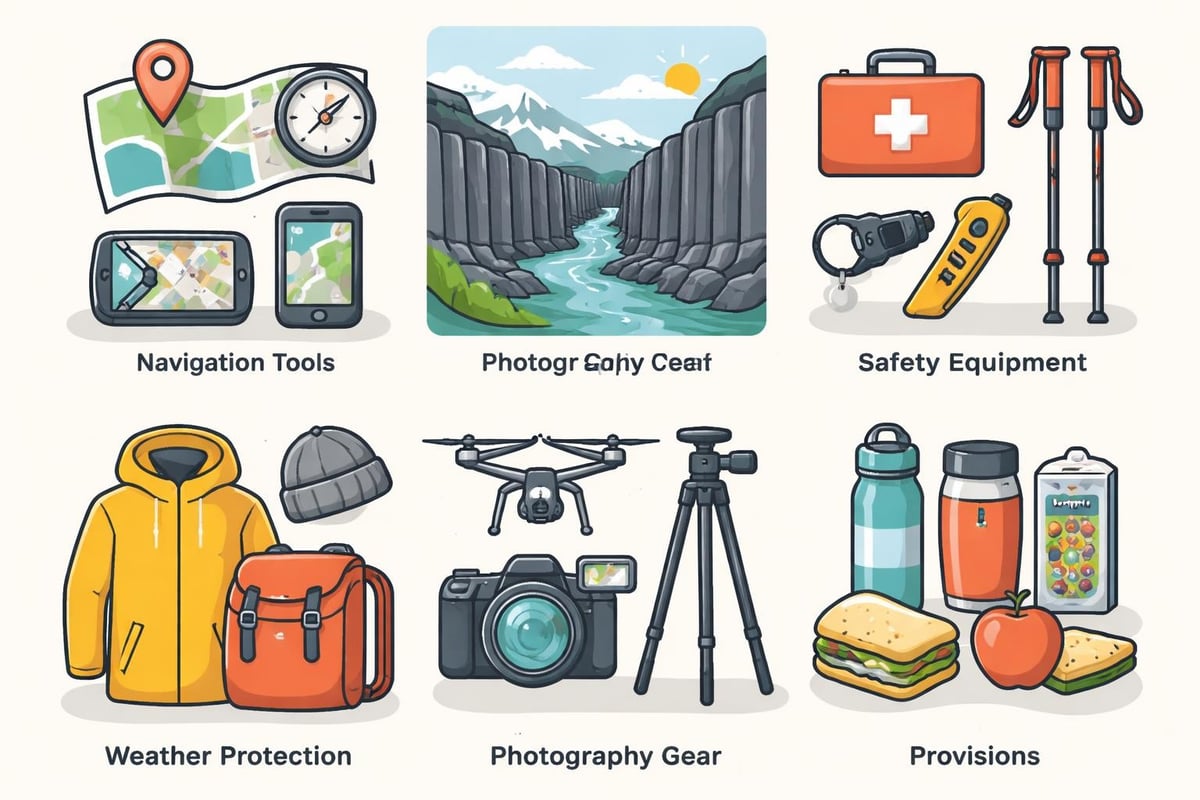
Cellular coverage in the region proves spotty, making offline navigation essential. Download maps and route information before departing from areas with reliable internet connectivity. GPS coordinates for stuðlagil canyon are approximately 65.1667° N, 15.3333° W, though specific parking coordinates vary depending on the chosen approach route.
Essential items for your visit:
- Offline maps and GPS device
- Emergency contact information
- First aid supplies
- Extra food and water beyond estimated needs
- Portable phone charger
- Headlamp or flashlight with spare batteries
Accommodation and Dining Options
Limited accommodation exists near stuðlagil canyon itself, with Egilsstaðir offering the widest selection of hotels, guesthouses, and camping facilities. Some farms in the Jökuldalur valley provide rural lodging experiences, allowing visitors to stay closer to the canyon while supporting local agriculture.
Dining options also concentrate in Egilsstaðir, where restaurants serve both traditional Icelandic fare and international cuisine. Travelers planning to spend full days exploring the canyon and surrounding areas should pack meals and snacks, as no food services exist near the remote hiking trails.
For those seeking comfort after wilderness exploration, the best hotels in Reykjavik provide excellent bases for travelers beginning or ending their journeys in the capital. Many visitors fly into Reykjavik, explore the city and nearby attractions, then embark on Ring Road adventures that include eastern destinations.
Environmental Responsibility and Conservation
The increasing popularity of stuðlagil canyon raises important conservation concerns. As visitor numbers grow, so does the potential impact on this fragile environment. The basalt columns themselves are geologically stable, but the surrounding ecosystem and viewing areas face pressure from foot traffic and human presence.
Responsible visitors should adhere to Leave No Trace principles:
- Stay on established trails to prevent erosion
- Pack out all waste, including biodegradable items
- Respect wildlife and maintain appropriate distances
- Avoid disturbing vegetation, particularly moss and lichen
- Use designated toilet facilities or practice proper wilderness sanitation
- Keep noise levels minimal to preserve the natural soundscape
The moss covering many basalt surfaces at stuðlagil canyon grows extremely slowly in Iceland's cool climate. A single footprint can damage moss that took decades to establish. According to comprehensive guidance for visitors, staying on marked paths protects these delicate organisms while ensuring visitor safety.
Supporting Local Communities
Tourism to stuðlagil canyon benefits eastern Iceland's economy, providing income to rural communities through accommodation, dining, and guide services. Travelers can maximize their positive impact by:
- Hiring local guides familiar with the terrain and conditions
- Purchasing supplies from regional businesses rather than stocking up in Reykjavik
- Respecting private property and farmland access agreements
- Following seasonal access restrictions that protect sensitive areas
- Supporting conservation initiatives through donations or volunteer programs
The balance between tourism development and environmental preservation remains delicate in remote areas like the eastern highlands. Visitors who demonstrate environmental consciousness help ensure stuðlagil canyon remains accessible and pristine for future generations.
Connecting Natural Wonders to Iceland's Broader Landscape
Stuðlagil canyon exemplifies Iceland's extraordinary geological diversity. The same volcanic forces that created this basalt cathedral also formed the country's numerous other attractions, from the dramatic ice caves that form in glaciers to the colorful rhyolite mountains of Landmannalaugar.
Understanding these connections enhances appreciation for Iceland's landscapes. The basalt at stuðlagil canyon originated from the same type of volcanic activity that continues shaping Iceland today, with recent eruptions demonstrating the island's ongoing geological evolution. Travelers interested in volcanic landscapes might also explore volcano hike opportunities throughout the country.
Iceland's position on the Mid-Atlantic Ridge ensures continuous tectonic activity. This same geological setting creates the conditions for the aurora borealis displays that draw visitors during winter months. While stuðlagil canyon itself offers no special aurora viewing advantages, travelers combining eastern highland exploration with northern lights tours experience multiple dimensions of Iceland's natural phenomena.
Cultural Context and Local Heritage
The Jökuldalur valley surrounding stuðlagil canyon has supported farming communities for centuries. The name "Stuðlagil" translates roughly to "basalt column ravine," reflecting local awareness of the geological features even when they remained largely hidden underwater. The revelation of the full canyon after 2009 surprised even longtime residents who had known the area for generations.
Icelandic culture maintains deep connections to landscape and natural phenomena. The philosophy of Þetta Reddast, roughly meaning "it will all work out," reflects centuries of adapting to Iceland's unpredictable environment. This attitude proves useful when visiting remote locations like stuðlagil canyon, where weather and road conditions may require flexibility in plans.
Traditional Icelandic clothing, particularly the iconic lopapeysa wool sweater, provides practical warmth for highland adventures. Many visitors purchase these distinctive sweaters as souvenirs while exploring Iceland shopping opportunities in Reykjavik or regional towns.
Year-Round Considerations for Different Travelers
Different traveler types find stuðlagil canyon appealing for various reasons. Photographers seek the dramatic lighting and geometric compositions. Geology enthusiasts appreciate the textbook example of columnar basalt formation. Adventure travelers value the remote location and challenging access. Nature lovers simply enjoy the pristine beauty of an unspoiled landscape.
Traveler type recommendations:
| Traveler Type | Best Season | Recommended Duration | Key Priorities |
|---|---|---|---|
| Photographers | June-September | Half day minimum | Multiple viewpoints, varied lighting |
| Families | July-August | 2-3 hours | Eastern approach, safety emphasis |
| Adventure seekers | May-October | Full day | Both approaches, surrounding exploration |
| Geology enthusiasts | Any (summer easiest) | Half day | Column examination, formation study |
Families with young children should carefully assess the hiking difficulty and safety considerations before visiting stuðlagil canyon. The eastern approach offers shorter walking distances but still requires supervision near cliff edges. Alternative family-friendly destinations might include more accessible waterfalls or coastal areas with fewer hazards.
Solo travelers should take extra precautions given the remote location and limited cellular coverage. Informing accommodation hosts of planned itineraries and expected return times provides a safety net. Joining organized tours offers an alternative that combines expert guidance with social connection.
Weather Patterns and Microclimates
The eastern highlands experience distinct weather patterns compared to coastal Iceland. The interior location means less maritime influence but greater temperature extremes. Summer days can be surprisingly warm in sheltered areas, while nights remain cool. Wind, a constant presence throughout Iceland, often funnels through the canyon, creating localized gusts even on calm days.
According to detailed visitor resources, checking multiple weather forecasts before departing helps travelers prepare appropriately. The Icelandic Meteorological Office provides detailed forecasts that include highland-specific predictions. Conditions can change rapidly, making the ability to adapt plans essential.
Rain transforms the canyon experience, intensifying the river's color while making trails slippery. Light precipitation can create dramatic atmospheric conditions for photography, but heavy rain poses safety risks and reduces visibility. Understanding personal risk tolerance and preparation levels helps determine whether to proceed or postpone visits when weather deteriorates.
Making Stuðlagil Canyon Part of Your Iceland Journey
Incorporating stuðlagil canyon into broader Iceland travel plans requires strategic routing. Most visitors approach from either the north (via Lake Mývatn and the Ring Road) or the west (through the interior highlands). Both routes offer distinct advantages and showcase different aspects of Icelandic landscapes.
The northern approach follows Route 1 to Egilsstaðir before turning onto Route 923 toward the canyon. This route passes through working farmland and forested areas unusual for Iceland, where trees remain scarce. The contrast between cultivated valleys and barren highlands emphasizes the country's landscape diversity.
Western routes through the highlands require four-wheel-drive vehicles and suitable weather conditions. These paths cross vast volcanic deserts and ford rivers, offering authentic wilderness experiences but demanding greater preparation and self-sufficiency. Only experienced drivers should attempt highland crossings, particularly early or late in the season.
Combining stuðlagil canyon with other natural attractions creates memorable multi-day itineraries. Consider pairing the canyon visit with:
- Dettifoss and Ásbyrgi: Powerful waterfalls and horseshoe canyon
- Askja caldera: Remote volcanic crater with geothermal features
- Eastern fjords: Scenic coastal drives and fishing villages
- Vatnajökull National Park: Glaciers, ice caves, and volcanic landscapes
Those interested in glacier hiking experiences find excellent opportunities in nearby Vatnajökull National Park, Europe's largest ice cap. The contrast between icy landscapes and volcanic formations like stuðlagil canyon illustrates Iceland's nickname as "the land of fire and ice."
Stuðlagil canyon stands as a testament to Iceland's geological wonders and the surprising ways human intervention can reveal natural beauty. Whether you're captivated by dramatic landscapes, seeking photographic opportunities, or simply exploring Iceland's diverse regions, this basalt cathedral offers an unforgettable experience. When you're ready to discover more of Iceland's natural phenomena, including the mesmerizing aurora borealis, Reykjavik Northern Lights provides expert-guided tours with local knowledge, live sky routing, and warm hospitality to make your Icelandic adventure truly memorable.