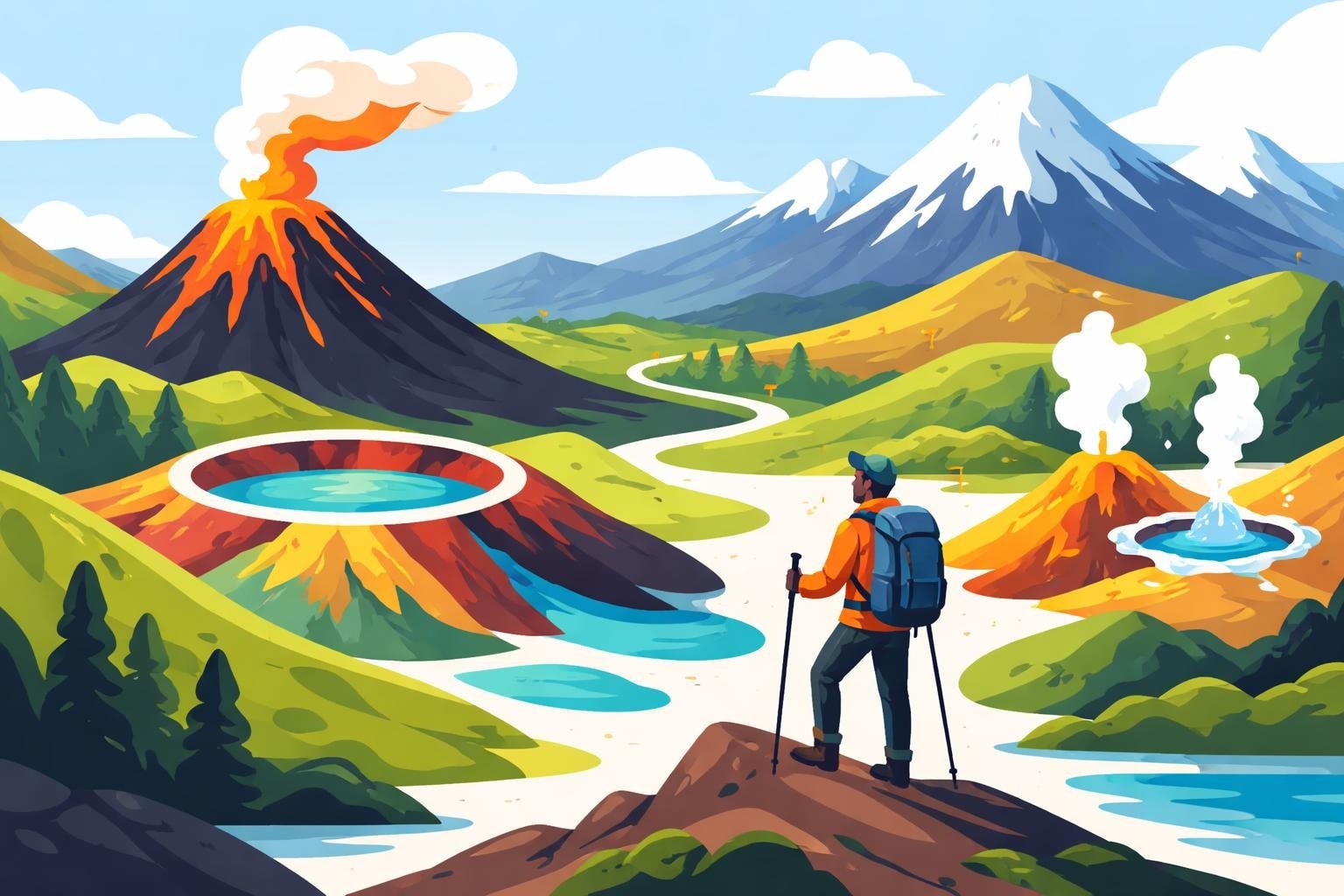
Iceland's volcanic landscape offers some of the most extraordinary hiking experiences on Earth. When you plan a volcano hike Iceland adventure, you're stepping into a world where Earth's raw power is visible in every direction. From steaming geothermal vents to colorful volcanic craters, these trails provide access to geological wonders that few places can match. Whether you're an experienced trekker or a first-time visitor combining activities like northern lights tours with daytime exploration, understanding what makes these hikes special will help you make the most of your Icelandic journey.
Understanding Iceland's Volcanic Hiking Terrain
Iceland sits atop the Mid-Atlantic Ridge, creating a unique environment where volcanic activity shapes the landscape continuously. This geological positioning means the island features over 130 volcanic mountains, with roughly 30 active volcanic systems. The diversity of volcanic formations creates hiking opportunities that range from gentle walks around crater rims to challenging multi-day treks across lava fields.
Types of Volcanic Formations You'll Encounter
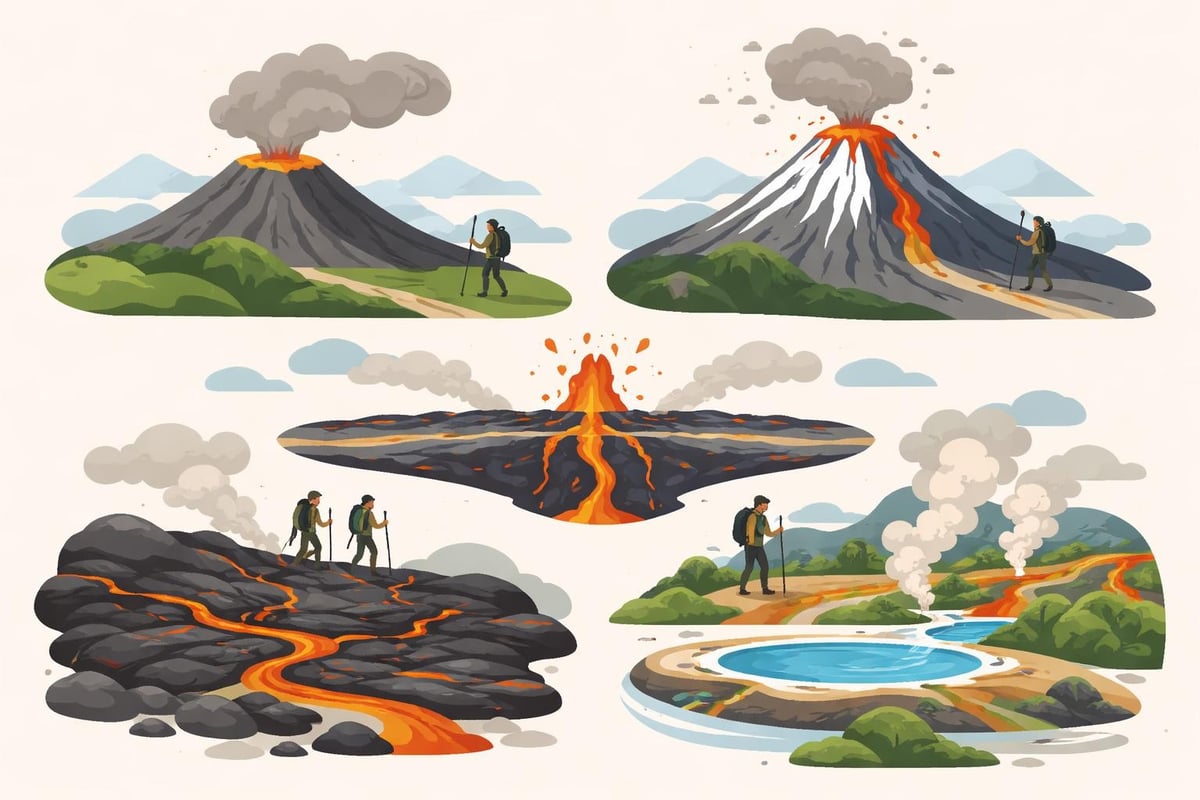
The volcanic terrain varies significantly across different regions. You'll find shield volcanoes with gradual slopes, stratovolcanoes with dramatic peaks, and volcanic fissures that stretch for miles. Each formation type offers distinct hiking characteristics and visual experiences.
Common volcanic features on hiking trails include:
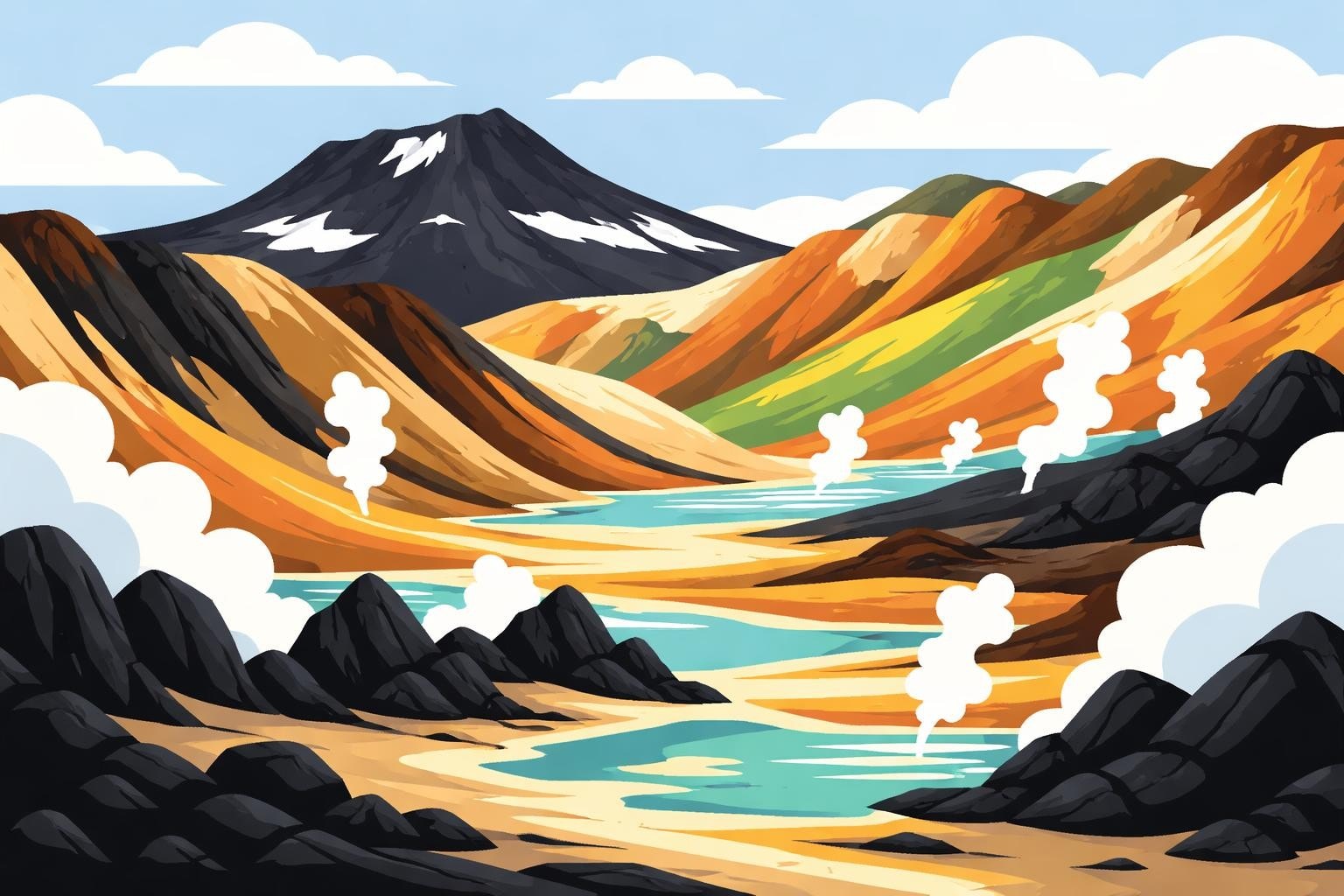
- Colorful rhyolite mountains displaying pink, green, and yellow mineral deposits
- Black sand deserts created by volcanic ash
- Lava fields with various textures from smooth pahoehoe to rough aa formations
- Geothermal areas with bubbling mud pots and steaming vents
- Crater lakes ranging from brilliant blue to deep emerald green
Understanding these features helps you appreciate what you're seeing and photograph effectively. The Hengill volcanic mountain range exemplifies this diversity, offering trails through multiple volcanic features within a compact area.
Top Volcano Hike Iceland Destinations for 2026
Selecting the right volcano hike Iceland destination depends on your fitness level, available time, and specific interests. Each region offers unique advantages and challenges.
Landmannalaugar Region
This area stands as Iceland's premier volcanic hiking destination. The landscape features intensely colorful rhyolite mountains that create a painter's palette effect across the terrain. Bláhnjúkur, with its distinctive blue-black slopes, provides a moderately challenging half-day hike with spectacular views. The trail ascends approximately 940 meters, offering panoramic vistas of the surrounding volcanic landscape.
Brennisteinsalda nearby showcases even more vibrant colors, with sulfur deposits creating yellow and orange streaks across the mountainside. The geothermal activity remains visible through steam vents scattered across the slopes.
| Trail Name | Distance | Difficulty | Time Required | Best Season |
|---|---|---|---|---|
| Bláhnjúkur Loop | 8 km | Moderate | 3-4 hours | June-September |
| Brennisteinsalda Circuit | 6 km | Moderate | 2-3 hours | July-September |
| Laugavegur Trail (full) | 55 km | Challenging | 4-5 days | June-September |
The famous Laugavegur Hiking Trail begins in Landmannalaugar, offering one of the world's most spectacular multi-day treks through volcanic highlands.
Reykjanes Peninsula
For visitors staying near Reykjavik, the Reykjanes Peninsula provides accessible volcano hike Iceland options. The recent volcanic activity in this area has created brand-new hiking opportunities. Keilir volcano stands as an iconic landmark, and hiking this distinctive moberg cone offers moderate challenge with rewarding summit views.
The 2021-2024 eruptions near Fagradalsfjall created new lava fields that are gradually becoming accessible for hiking. These fresh volcanic landscapes provide a rare opportunity to walk across lava that formed within the past few years.
Reykjanes Peninsula advantages:
- Proximity to Reykjavik (30-45 minutes drive)
- Year-round accessibility for many trails
- Combination with geothermal spa visits
- Active volcanic monitoring for safety
Recent volcanic events have affected access periodically, so checking current conditions remains essential. The Blue Lagoon area has experienced temporary closures due to nearby eruptions, highlighting the dynamic nature of volcanic hiking in this region.
Southern Highlands
Mælifell presents one of Iceland's most photogenic volcanic peaks. This distinctive green cone rises from black sand plains, creating dramatic contrast. Accessing Mælifell requires a 4WD vehicle and crossing rivers, making it suitable for experienced adventurers or guided tours.
The southern highlands offer volcano hike Iceland experiences that feel genuinely remote. Trails here traverse landscapes that appear otherworldly, with minimal vegetation and vast volcanic deserts stretching to the horizon.
Planning Your Volcano Hike Iceland Adventure
Successful volcanic hiking requires careful preparation. Iceland's weather changes rapidly, and volcanic terrain presents unique challenges that differ from standard mountain hiking.
Timing and Seasons
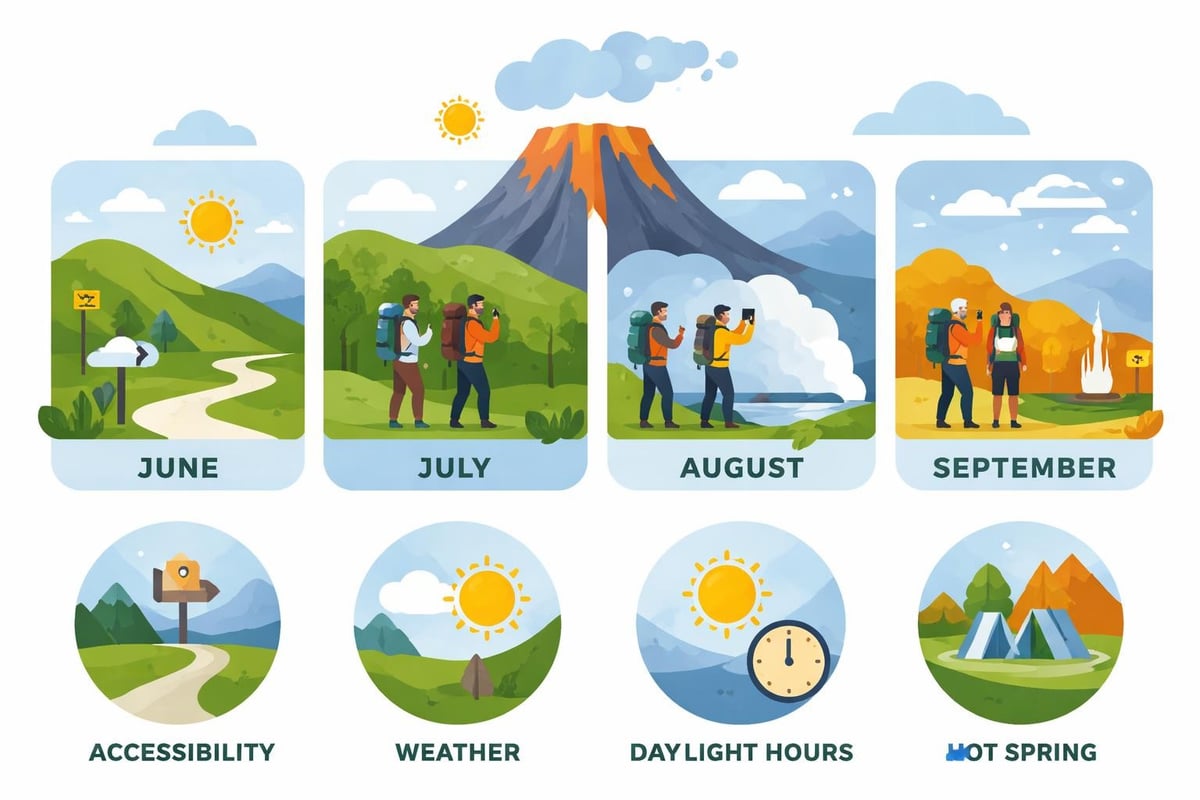
The hiking season for most volcano hike Iceland trails runs from June through September. During these months, highland roads open, weather becomes more stable, and daylight extends for 18-24 hours. However, each month offers different advantages.
Seasonal considerations:
- June: Longest days, snow patches still visible, fewer crowds
- July-August: Warmest weather, peak tourist season, all facilities open
- September: Fall colors, Northern Lights begin appearing, cooler temperatures
- October-May: Most highland trails closed, winter conditions, expert-only access
Winter volcano hiking requires specialized equipment and experience. Snow and ice transform trails into technical mountaineering routes. However, some lower-elevation volcanic areas remain accessible year-round with proper preparation.
Essential Gear and Equipment
Volcanic terrain demands specific equipment choices. The sharp lava rock tears through lightweight footwear quickly, while unpredictable weather requires layered clothing systems.
| Equipment Category | Essential Items | Why It Matters |
|---|---|---|
| Footwear | Sturdy hiking boots (ankle support) | Protects against sharp lava, provides stability |
| Clothing | Waterproof outer layer, insulating mid-layer, moisture-wicking base | Weather changes rapidly in volcanic highlands |
| Navigation | GPS device, detailed maps, compass | Limited trail markers in remote areas |
| Safety | First aid kit, emergency shelter, satellite communication | Remote locations with limited cell coverage |
| Sustenance | Extra food, 2-3 liters water per person | No water sources on many volcanic trails |
Trekking poles prove valuable on volcanic terrain, helping maintain balance on loose scoria and reducing knee strain on steep descents. A dust mask or buff protects your respiratory system when wind kicks up volcanic ash.
Safety Considerations
Volcanic hiking presents hazards beyond typical mountain trails. Active geothermal areas can cause burns if you step on thin crust covering hot ground. Volcanic gases, particularly hydrogen sulfide, accumulate in low-lying areas and pose health risks.
Critical safety measures:
- Check weather forecasts from the Icelandic Met Office before departing
- Register your hiking plan with SafeTravel Iceland
- Stay on marked trails near geothermal areas
- Test ground temperature before sitting or stepping in unfamiliar areas
- Avoid hiking alone in remote volcanic regions
- Carry emergency communication devices beyond cell range
- Monitor volcanic activity updates for your hiking area
The unpredictable nature of tourism impacts like those seen at Eyjafjallajökull demonstrates how popular volcanic sites can become crowded, affecting both safety and experience quality.
Maximizing Your Volcanic Hiking Experience
Beyond basic preparation, certain strategies enhance your volcano hike Iceland adventure significantly. These approaches help you gain deeper appreciation while maintaining sustainable tourism practices.
Photography and Documentation
Volcanic landscapes provide extraordinary photographic opportunities, but capturing them effectively requires understanding the environment. The midnight sun in summer creates unique lighting conditions, while volcanic features demand specific camera settings.
Early morning and late evening offer the most dramatic lighting, even during summer's extended daylight. The low-angle sun emphasizes textures in lava fields and creates vivid colors in rhyolite mountains. Polarizing filters reduce glare from wet volcanic rock and deepen sky colors.
Protect camera equipment from volcanic dust and moisture. Seal cameras in protective bags during windy conditions when fine volcanic particles fill the air. Bring extra batteries, as cold temperatures drain power quickly at higher elevations.
Combining Activities
Many visitors maximize their Iceland experience by pairing volcano hike Iceland adventures with other activities. This approach works particularly well given Iceland's compact geography and seasonal variations in available experiences.
Effective activity combinations:
- Summer volcano hiking plus glacier tours or whale watching
- Shoulder season (September-October) volcano hiking plus Northern Lights tours
- Multi-day highland trekking combined with hot spring visits
- Photography-focused volcano hikes paired with waterfall tours
The transition from summer to autumn creates perfect conditions for experiencing both daylight volcanic landscapes and evening auroras. When you explore Iceland's natural wonders during these months, you can literally hike volcanoes by day and chase the Northern Lights after dark with operators like Reykjavik Northern Lights.
Environmental Responsibility
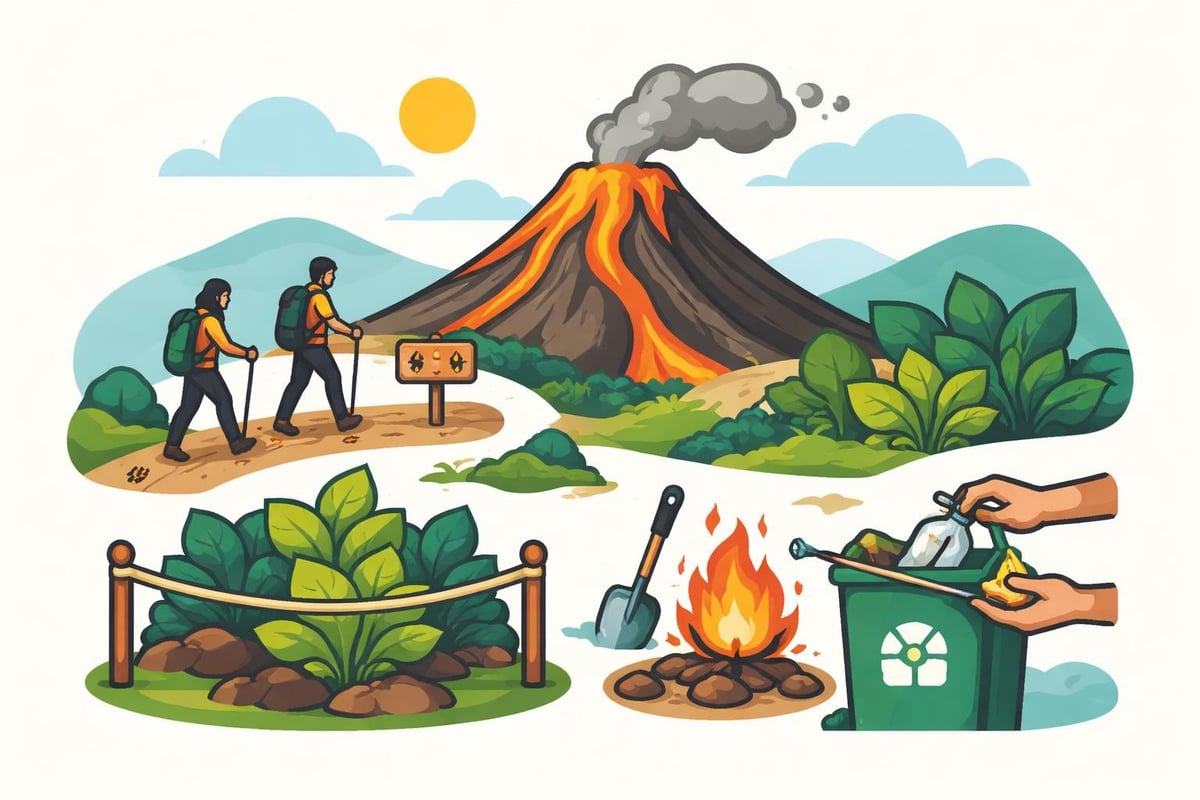
Iceland's volcanic environments are fragile despite appearing rugged. Moss-covered lava fields take decades to develop, and a single footstep can destroy growth that required 50 years to establish. Practicing leave-no-trace principles becomes especially critical in these slow-growing ecosystems.
Stay on established trails whenever they exist. In areas without marked paths, walk on bare rock or previously disturbed ground rather than vegetated areas. Pack out all waste, including organic materials that decompose slowly in cold volcanic environments.
Guided vs. Independent Volcano Hiking
Deciding between guided tours and independent hiking affects your volcano hike Iceland experience significantly. Each approach offers distinct advantages depending on your experience level, interests, and available resources.
Benefits of Guided Volcano Hikes
Professional guides provide invaluable local knowledge about volcanic features, geological processes, and optimal routes. They monitor weather and volcanic activity continuously, adjusting plans for safety and best experience. Guides also handle logistics like transportation to trailheads, which can be challenging for visitors unfamiliar with Icelandic highland driving.
Expert interpretation transforms hiking from simple exercise into educational experience. Learning why specific colors appear in volcanic rock or understanding the formation process of features you're viewing adds meaningful depth to your adventure.
Transportation represents another significant advantage. Many prime volcano hike Iceland locations require 4WD vehicles and river crossings. Guided tours eliminate these barriers while providing properly equipped vehicles and experienced drivers.
Independent Hiking Considerations
Experienced hikers with proper equipment and research skills can successfully navigate Iceland's volcanic trails independently. This approach offers flexibility in timing, pace, and route selection. You can linger at favorite viewpoints or adjust plans based on personal energy levels without group constraints.
Requirements for successful independent hiking:
- Thorough route research and navigation skills
- Appropriate vehicle (4WD for highland roads)
- Complete safety equipment and emergency supplies
- Understanding of Icelandic weather patterns
- Realistic assessment of physical capabilities
- Backup communication plans
Independent hiking works best for those with previous backcountry experience and comfort operating in remote environments. First-time visitors to Iceland or those unfamiliar with volcanic terrain benefit substantially from guided experiences.
Regional Volcanic Hiking Variations
Different regions of Iceland offer distinct volcanic hiking characteristics. Understanding these variations helps you select destinations matching your preferences and abilities.
North Iceland Volcanic Trails
The Mývatn region in North Iceland provides exceptional volcanic hiking concentrated in a relatively small area. The Krafla volcanic system features colorful crater lakes, steaming fissures, and dramatic explosion craters. Trails here range from easy 30-minute walks to challenging full-day hikes.
Hverfjall stands as one of Iceland's most perfectly formed tephra craters. The rim walk takes approximately one hour and provides 360-degree views of the surrounding volcanic landscape and Lake Mývatn.
East Iceland Options
East Iceland receives fewer visitors but offers rewarding volcanic hiking for those who venture there. The isolation means quieter trails and more wildlife encounters. Volcanic mountains here often feature colorful rhyolite similar to Landmannalaugar but without the crowds.
Westfjords Volcanic Features
The Westfjords present Iceland's oldest volcanic rocks, with some formations exceeding 16 million years. While less visually dramatic than recent volcanic areas, the ancient geology provides different hiking experiences. Erosion has carved these older volcanic mountains into sharp peaks and deep valleys.
Weather and Volcanic Hiking Dynamics
Understanding weather patterns specific to volcanic highlands proves essential for safe and enjoyable hiking. These elevated volcanic areas create their own microclimates, with conditions often differing dramatically from coastal regions.
Highland Weather Patterns
Volcanic highlands experience more extreme weather than lowlands. Temperatures drop approximately 6 degrees Celsius per 1000 meters of elevation. Wind speeds increase substantially with altitude, creating dangerous wind chill even during summer months.
Cloud formations develop rapidly around volcanic peaks, reducing visibility within minutes. Fog rolling across volcanic deserts can disorient even experienced hikers, making navigation tools essential rather than optional.
Weather monitoring resources:
- Icelandic Met Office (Veðurstofa Íslands) provides detailed highland forecasts
- SafeTravel.is offers condition updates and safety alerts
- Road.is shows highland road status and accessibility
- Volcanic eruption updates from Civil Protection Department
Summer weather remains variable despite being the optimal season. Prepare for conditions ranging from brilliant sunshine to rain, wind, and even snow above 1000 meters elevation.
Nutrition and Hydration for Volcanic Hiking
Volcanic terrain hiking demands careful attention to nutrition and hydration. The physical exertion combined with often cool, windy conditions creates specific fueling requirements.
Water sources are scarce or nonexistent on many volcano hike Iceland trails. Glacial meltwater streams exist in some areas, but pollution from volcanic minerals or sheep farming makes purification essential. Carry sufficient water for your entire hike rather than depending on finding sources.
The dry air and physical exertion increase dehydration risk beyond what you might expect given the cool temperatures. Plan for 2-3 liters of water per person for full-day hikes, more for multi-day treks.
Energy-dense foods work best for volcanic hiking. The combination of weight efficiency and sustained energy release makes them ideal for this demanding terrain. Pack extra calories beyond your planned consumption as safety margin against unexpected delays or route extensions.
Fitness Preparation for Volcanic Terrain
Volcanic hiking demands specific fitness preparation. The terrain characteristics differ from standard mountain trails, requiring adaptations in your conditioning approach.
Strength and Conditioning
Loose volcanic scoria and uneven lava rock engage stabilizer muscles more intensely than smooth trails. Ankle strength and balance become critical for injury prevention. Core strength aids in maintaining stability while carrying backpacks across unstable surfaces.
Effective training activities:
- Hiking with loaded backpack on varied terrain
- Balance exercises on unstable surfaces
- Hill repeats for cardiovascular conditioning
- Leg strengthening through squats and lunges
- Core work including planks and rotational exercises
Begin training at least 6-8 weeks before your planned volcano hike Iceland adventure. Gradually increase both duration and difficulty to build appropriate fitness levels.
Acclimatization Strategies
While Iceland's elevations don't cause altitude sickness, the physical demands of volcanic hiking at elevation still require adaptation. Start with shorter, easier trails and progress to longer, more challenging routes. This approach allows your body to adjust while providing backup options if conditions or energy levels don't meet expectations.
Cultural and Historical Context
Iceland's volcanic landscapes hold deep cultural significance beyond geological interest. Understanding this context enriches your hiking experience by connecting physical features to human stories spanning centuries.
Historical Eruptions and Their Impact
Major eruptions have shaped Icelandic history, causing famines, population displacement, and even influencing global climate. The Laki eruption of 1783-1784 released massive quantities of sulfur dioxide, causing crop failures across Europe and contributing to social upheaval preceding the French Revolution.
Walking across lava fields from historical eruptions connects you to these events. The vegetation patterns and lava weathering provide visible timeline of Iceland's volcanic activity. Guides can point out flows from specific eruptions, adding temporal context to the landscape.
Folklore and Volcanic Features
Icelandic folklore intertwines with volcanic landscapes. Many volcanic features have names reflecting supernatural beliefs. Trolls supposedly turned to stone when caught by sunrise, creating specific rock formations. Hidden people (huldufólk) allegedly inhabit certain lava formations.
These stories aren't mere superstition but represent how Icelanders historically explained and related to their dramatic environment. Understanding these cultural perspectives adds dimension to your volcano hike Iceland experience beyond pure geology.
Hiking Iceland's volcanic landscapes provides unforgettable encounters with Earth's raw geological power, from colorful rhyolite peaks to fresh lava fields still steaming from recent eruptions. Proper planning, appropriate gear, and respect for the environment ensure these adventures remain safe and sustainable for future visitors. Whether you're exploring Iceland's volcanic wonders independently or seeking expert guidance, combining activities maximizes your experience. After hiking volcanoes by day, consider extending your Icelandic adventure by chasing the aurora borealis with Reykjavik Northern Lights, whose expert guides provide the same level of professionalism and local knowledge for evening Northern Lights tours as you'd want for your volcanic hiking adventures.