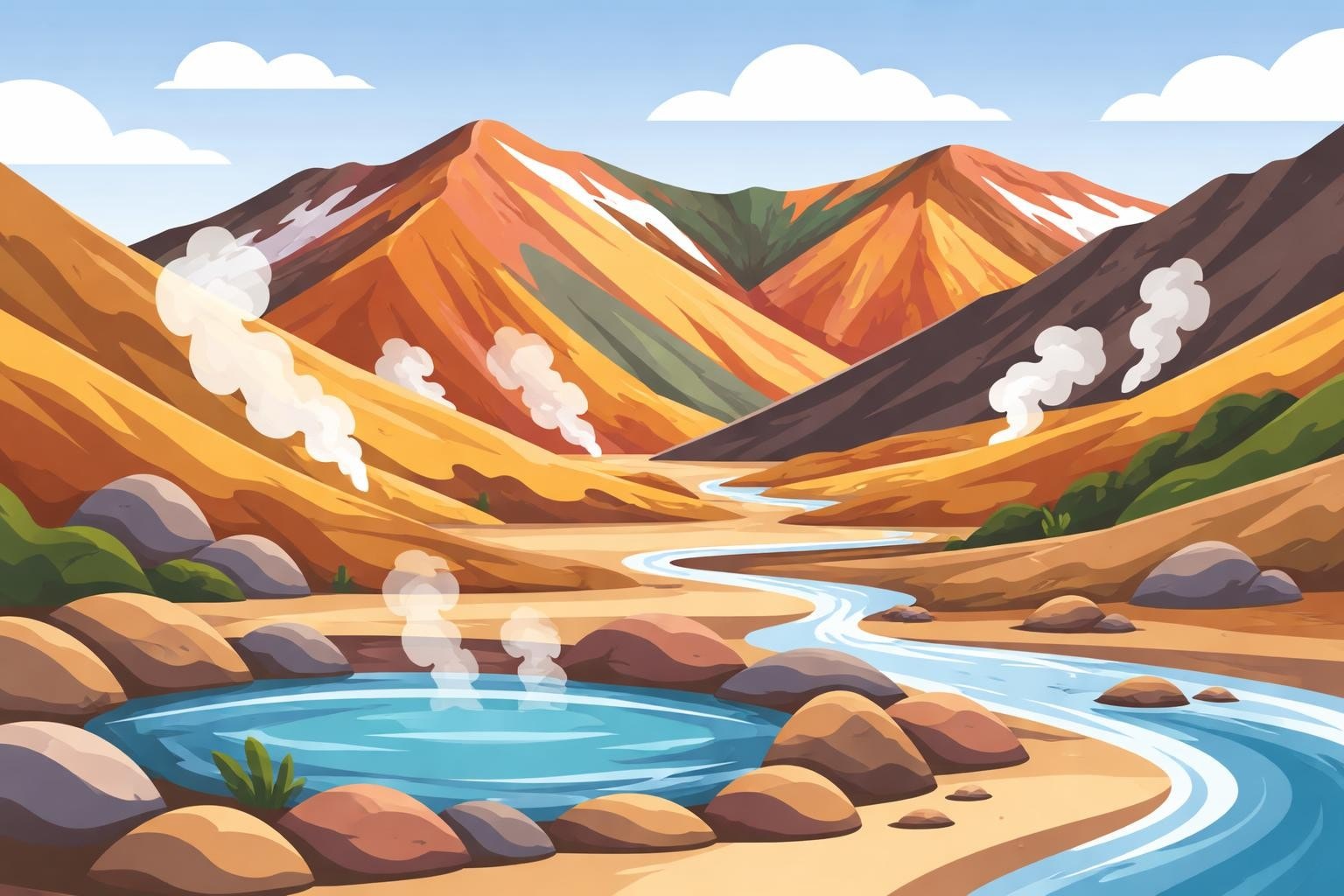
Iceland's highlands hold countless natural wonders, but few locations capture the raw geological beauty quite like Landmannalaugar. This remote geothermal area in the Fjallabak Nature Reserve has become legendary among hikers and nature enthusiasts for its multicolored rhyolite mountains, natural hot springs, and otherworldly volcanic landscapes. While many travelers visiting Iceland focus on coastal attractions and the northern lights, those who venture into the highlands discover a realm where volcanic forces have painted the earth in shades of pink, yellow, green, and blue. For adventure seekers and nature lovers planning their Icelandic journey, understanding what makes this destination special can transform a standard trip into an unforgettable exploration.
The Geography and Geology Behind the Colors
Landmannalaugar sits in the southern highlands of Iceland at approximately 600 meters above sea level. The region's name translates to "the people's pools," a reference to the natural hot springs that have attracted travelers for centuries.
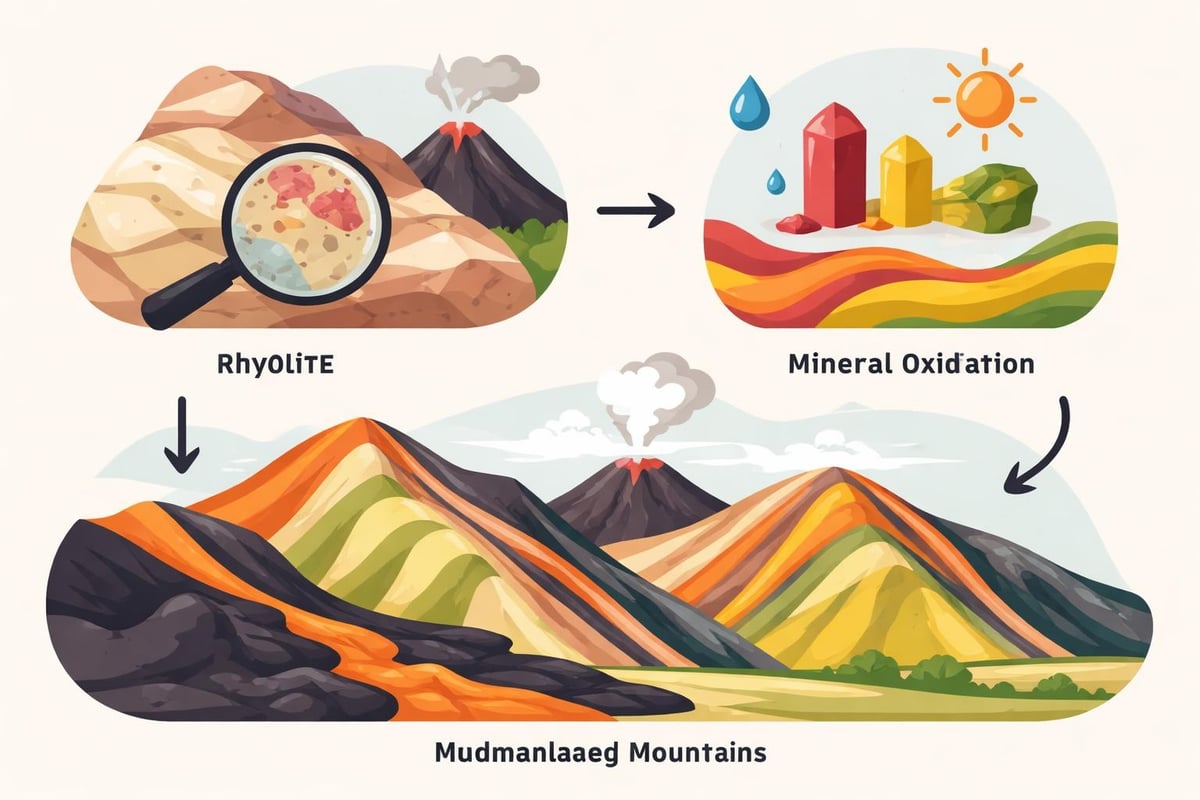
The most striking feature of this landscape is the multicolored mountains, which get their vibrant hues from rhyolite rock formations. Rhyolite is a volcanic rock high in silica content that oxidizes in various ways depending on the mineral composition and cooling process. This creates the spectacular palette of colors that makes Landmannalaugar a unique geological showcase.
Volcanic Activity and Formation
The area lies on the Mid-Atlantic Ridge, where the North American and Eurasian tectonic plates meet. This geological positioning has resulted in:
- Extensive lava fields from historical eruptions
- Active geothermal systems beneath the surface
- Obsidian formations scattered throughout the landscape
- Continuous reshaping of the terrain through volcanic activity
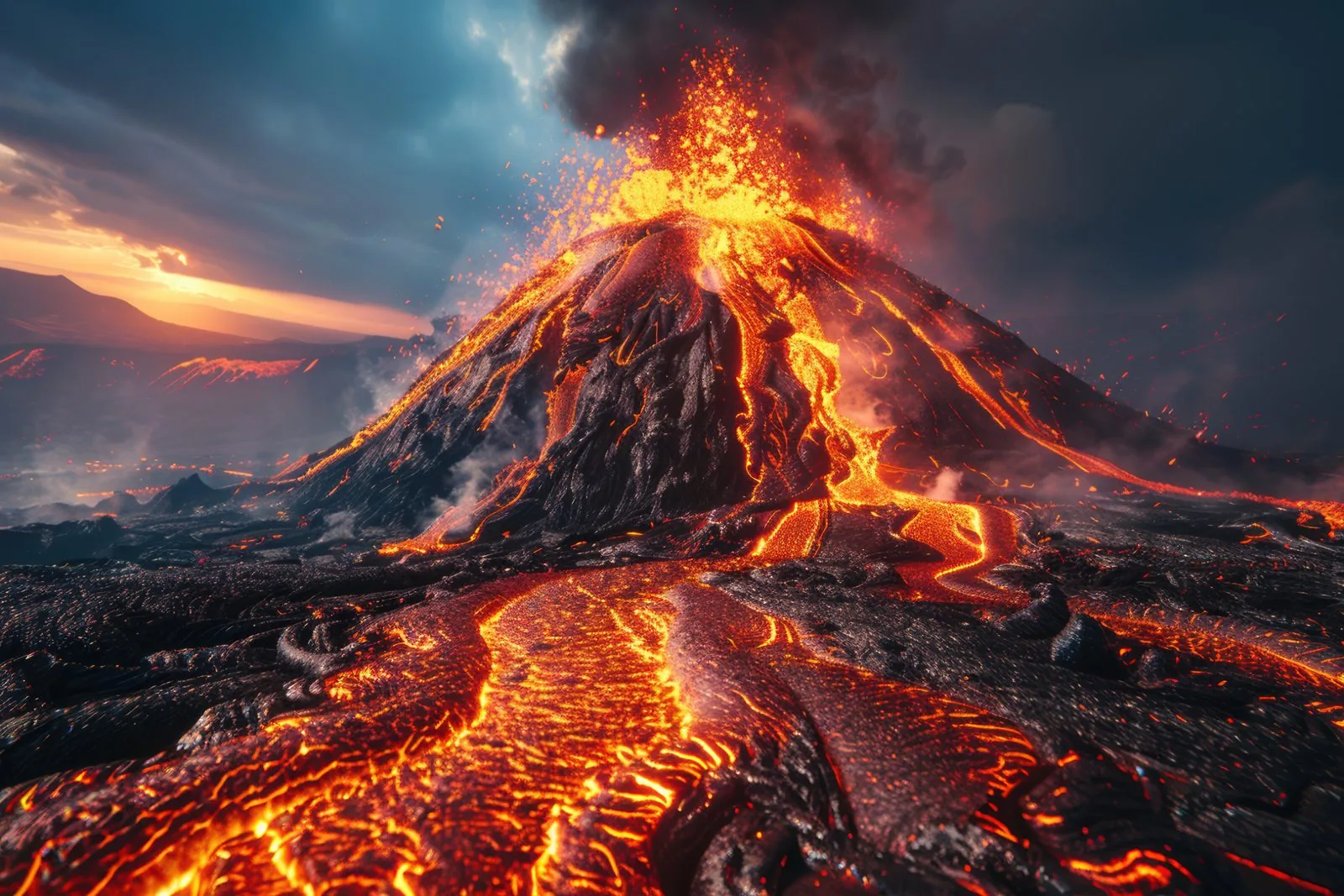
The Laugahraun lava field, which flowed around 1477, demonstrates the relatively recent volcanic activity in the region. This dark basalt lava creates a dramatic contrast against the colorful rhyolite peaks, offering photographers and nature observers extraordinary visual compositions.
Hiking Trails and the Laugavegur Route
Landmannalaugar serves as the northern terminus of the famous Laugavegur Trail, considered one of the world's most spectacular hiking routes. The Laugavegur hike stretches 55 kilometers to Þórsmörk valley, typically completed in four days.
Popular Day Hikes
Not every visitor has time for multi-day treks. Several day hikes originate from the Landmannalaugar area:
| Trail Name | Distance | Duration | Difficulty |
|---|---|---|---|
| Laugahraun Loop | 4 km | 1-2 hours | Easy |
| Brennisteinsalda | 7 km | 3-4 hours | Moderate |
| Bláhnjúkur Summit | 8 km | 3-4 hours | Moderate |
| Ljótipollur Crater | 12 km | 4-5 hours | Moderate |
The Brennisteinsalda trail takes hikers through steaming geothermal vents and provides panoramic views of the surrounding peaks. The summit sits at 855 meters, offering perspectives across the entire volcanic landscape.
Bláhnjúkur, or "Blue Peak," presents equally stunning vistas while traversing varied terrain including obsidian fields and colorful mineral deposits. The trail's relatively short distance makes it accessible for most fitness levels, though proper hiking boots remain essential due to loose volcanic rock.
Multi-Day Trekking Considerations
Those embarking on the full Laugavegur route should prepare for changing weather conditions, river crossings, and remote mountain hut accommodations. The Iceland Touring Association operates mountain huts throughout the trail system, requiring advance reservations during peak season.
The trek passes through diverse ecosystems, from geothermal valleys to glacial rivers, showcasing Iceland's geological diversity in a single journey. Many hikers extend their trip by continuing to Skógar via the Fimmvörðuháls extension, adding another 25 kilometers through volcanic craters formed during the 2010 Eyjafjallajökull eruption.
Geothermal Features and Natural Hot Springs
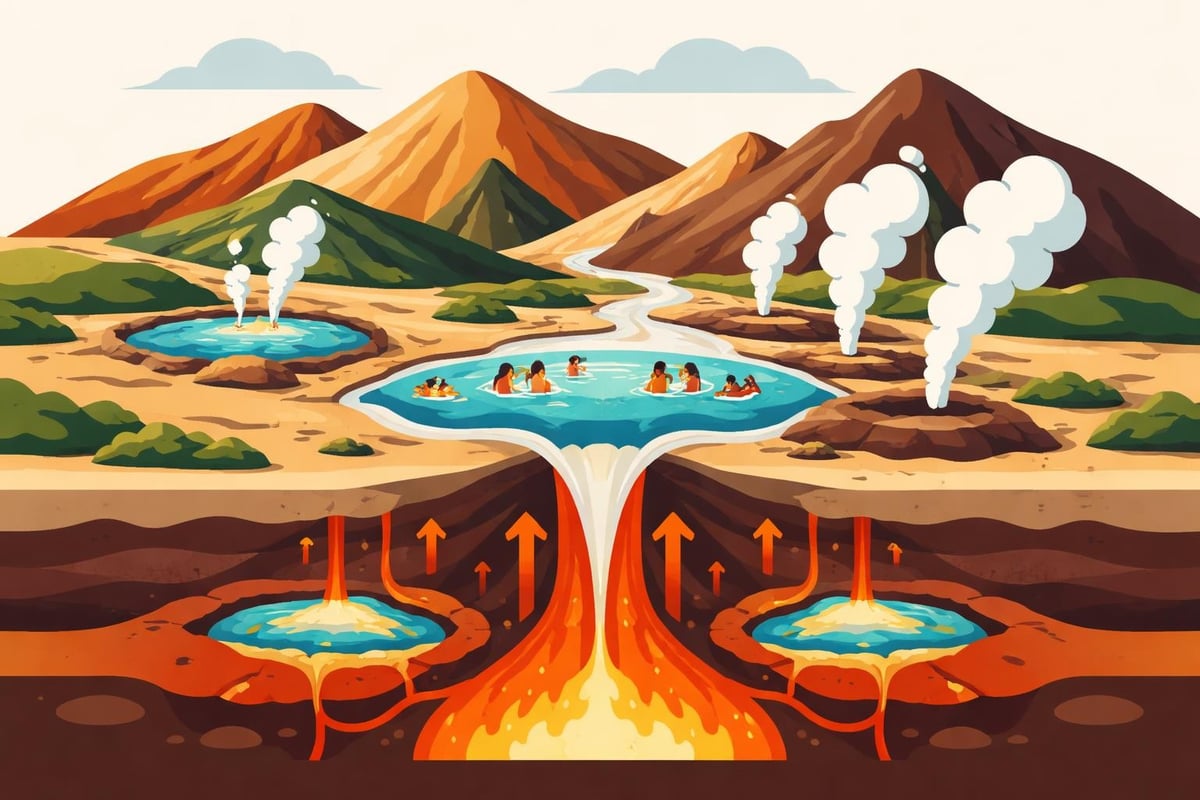
The geothermal activity that colors the mountains also creates natural bathing opportunities. A warm stream flows through the main campsite area at Landmannalaugar, forming a natural pool where visitors can soak after long hikes.
The water temperature hovers around 36-40°C (97-104°F), providing comfortable bathing conditions even when air temperatures drop. This natural amenity has become iconic, with hikers from around the world sharing the experience of warming up in steaming water while surrounded by snow-capped peaks.
Geothermal Safety and Etiquette
Several important considerations ensure safe and respectful enjoyment of these natural features:
- Test water temperature before entering, as some areas run extremely hot
- Respect changing areas and maintain appropriate behavior
- Never use soaps or shampoos in natural pools
- Follow Leave No Trace principles for waste disposal
- Be aware of unstable ground near geothermal vents
The geothermal systems extend beyond the bathing pool, with fumaroles and steam vents scattered throughout the valley. These features demonstrate the ongoing volcanic processes shaping the landscape, similar to the geothermal areas found at Kerlingarfjöll further north in the highlands.
Access and Transportation Challenges
Reaching Landmannalaugar requires careful planning, as the location sits deep in Iceland's interior highlands. The roads leading to the area open seasonally, typically from mid-June through early September, depending on snow conditions and river levels.
Vehicle Requirements and Road Conditions
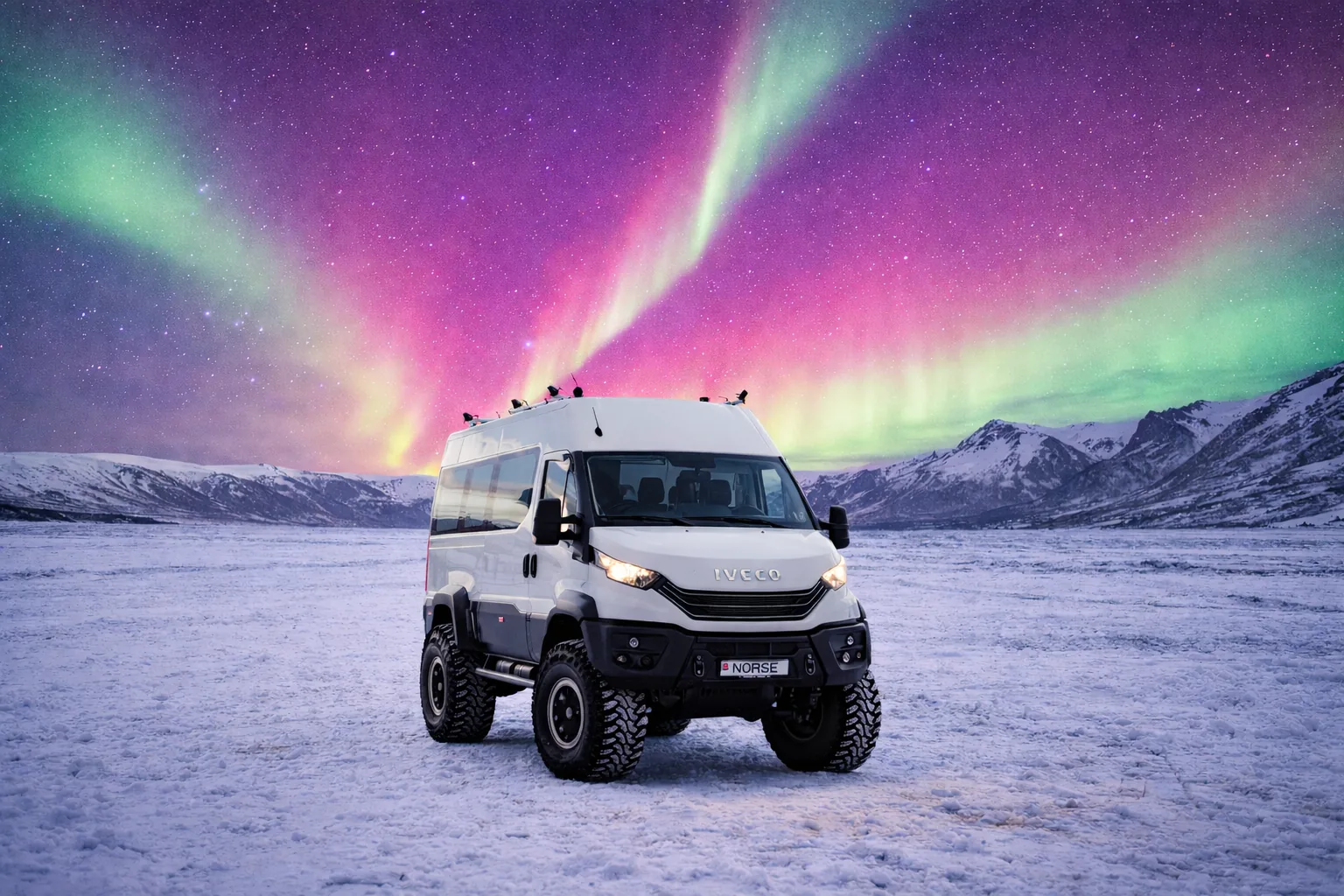
The primary access route, F208 (Fjallabaksleiđ nyrđri), requires a 4x4 vehicle capable of fording rivers. These F-roads present multiple challenges:
- Multiple river crossings without bridges
- Rough volcanic gravel surfaces
- Steep inclines and narrow passes
- No services between settlements
Rental car insurance in Iceland typically excludes river crossing damage, making this a significant financial consideration. Many travelers opt for organized tours rather than self-driving, ensuring safe passage while learning about the geology and history from experienced guides.
Alternative Access Methods
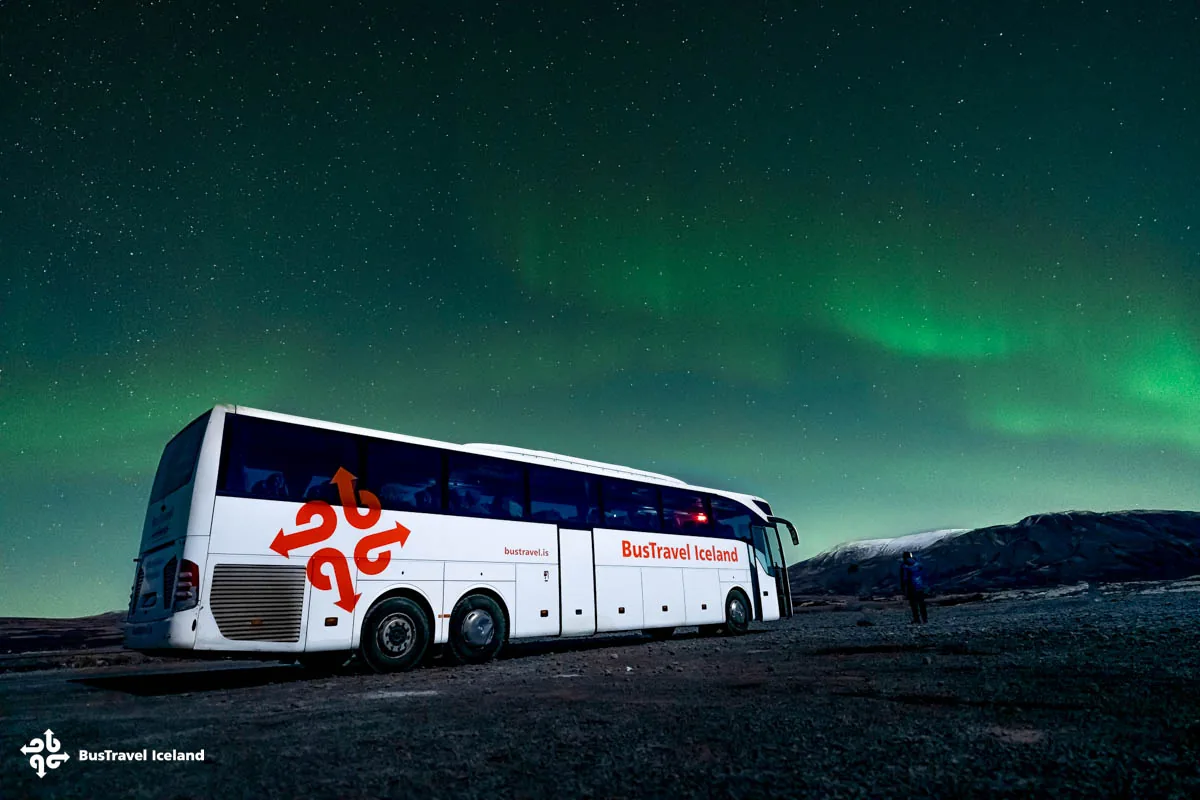
Tour operators provide daily bus services from Reykjavik during summer months. These modified buses handle river crossings and rough terrain, depositing passengers at the Landmannalaugar basecamp for day visits or as starting points for multi-day hikes.
The journey from Reykjavik takes approximately four hours each way, making it feasible as an extended day trip though overnight stays allow fuller appreciation of the landscape's changing light conditions. Those exploring Iceland's Ring Road can access the area from the south coast, though this still requires highland-capable vehicles.
Flora, Fauna, and Ecological Significance
Despite the harsh volcanic environment, Landmannalaugar supports surprising biodiversity. The area falls within the Fjallabak Nature Reserve, protecting 47,000 hectares of highland wilderness.
Vegetation includes hardy Arctic species adapted to short growing seasons and volcanic soils. Mosses create vibrant green carpets across older lava fields, while flowering plants bloom briefly during summer months, taking advantage of extended daylight hours.
Wildlife Encounters
Bird species frequent the area during breeding season, including:
- Pink-footed geese
- Whimbrels
- Golden plovers
- Arctic terns
- Snow buntings
Reindeer occasionally wander through the highlands, introduced to Iceland in the 18th century and now wild populations roaming the eastern and highland regions. These sightings remain unpredictable but add excitement to highland explorations.
The protected status ensures minimal human impact on these ecosystems, with designated camping areas and strict regulations about staying on marked trails. This conservation approach allows future generations to experience the landscape in its natural state.
Accommodation and Camping Options
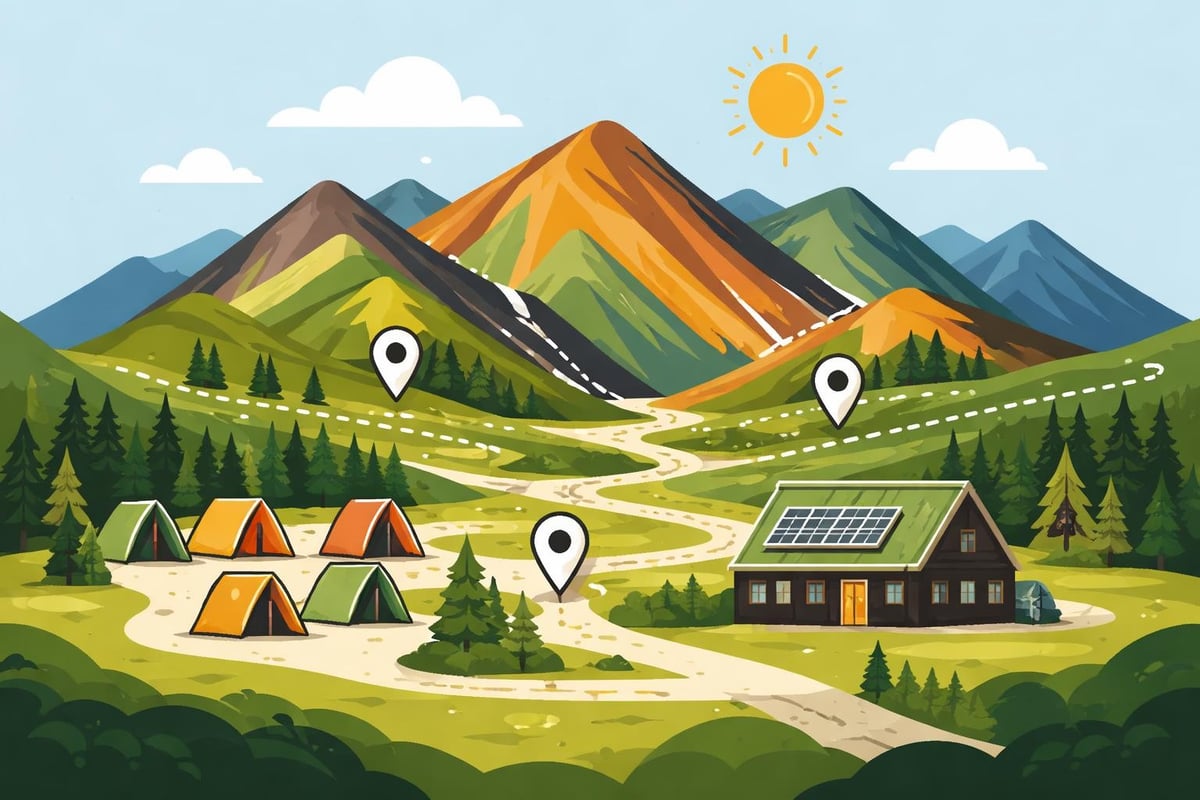
The mountain hut at Landmannalaugar provides basic shelter with sleeping bag accommodation, dining areas, and cooking facilities. The facility operates from mid-June through mid-September, accommodating approximately 75 people per night.
Reservations through the Iceland Touring Association become essential during peak season, as spaces fill months in advance. The hut offers a social atmosphere where international hikers share experiences and trail conditions.
Camping Facilities
A designated campsite adjacent to the hut accommodates those preferring tents. Amenities include:
- Toilet facilities
- Basic washing areas
- Shelter for cooking during inclement weather
- Access to the natural hot spring
Wild camping outside designated areas is prohibited within the nature reserve. This regulation protects fragile vegetation and concentrates environmental impact in managed zones.
For those seeking more comfortable accommodations, the nearest hotels sit approximately 50 kilometers away, making day trips possible but requiring early starts and late returns.
Photography and Optimal Visiting Times
The midnight sun during June and July provides nearly 24-hour daylight, enabling flexible photography schedules. Golden hour extends for hours, bathing the colorful peaks in warm light that intensifies the already vibrant hues.
Seasonal Considerations
| Season | Conditions | Advantages | Challenges |
|---|---|---|---|
| June | Roads opening | Fewer crowds, snow contrasts | Unpredictable access, cold nights |
| July-August | Peak season | Best weather, all facilities open | Crowded trails, higher prices |
| September | Roads closing | Autumn colors, northern lights possible | Limited services, weather deterioration |
Many photographers prefer early September when crowds diminish but facilities remain operational. The changing season adds golden tones to the vegetation, and the returning darkness brings opportunities for aurora photography.
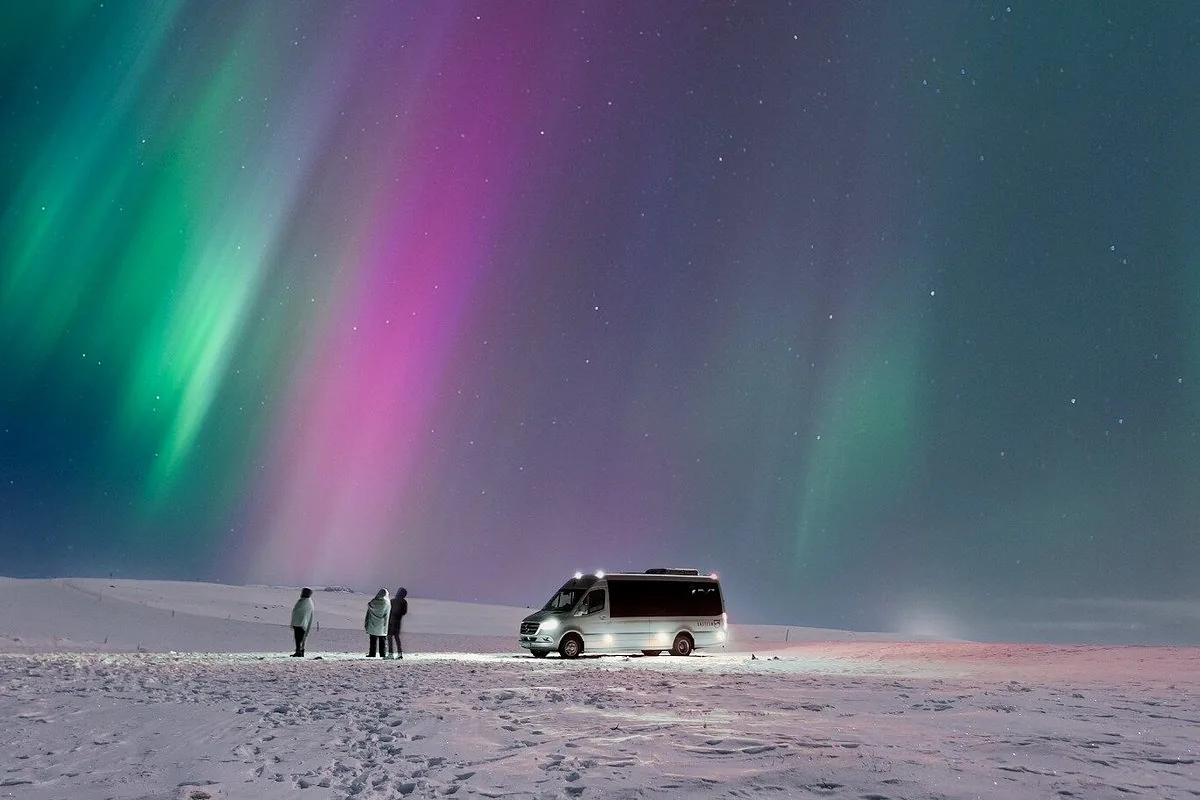
Similar to finding the best places for northern lights, Landmannalaugar offers dark sky conditions from late August onward, combining highland landscapes with auroral displays. The remote location ensures minimal light pollution, though September weather becomes increasingly unpredictable.
Cultural and Historical Significance
Historical accounts document travelers using the Landmannalaugar area for centuries as a crossing point through the highlands. Shepherds traditionally drove sheep through these mountain passes during summer months, following routes established over generations.
The natural hot springs provided essential rest points during these arduous journeys, explaining the area's name and enduring appeal. Archaeological evidence suggests even earlier usage, with settlement-era travelers recognizing the geothermal features' value.
Modern tourism began developing in the mid-20th century as roads improved and outdoor recreation gained popularity. The Iceland Touring Association constructed the first mountain hut in 1951, establishing Landmannalaugar as a hiking destination rather than merely a crossing point.
Integration with Icelandic Folklore
The highlands feature prominently in Icelandic sagas and folklore. While not specifically mentioned as frequently as coastal locations, the volcanic landscape inspired stories about trolls and outlaws seeking refuge in the uninhabited interior.
The isolation and dramatic scenery create an atmosphere that helps visitors understand why Iceland developed such rich storytelling traditions. The landscape itself tells geological stories spanning millions of years, from plate tectonics to recent eruptions.
Combining Landmannalaugar with Other Highland Destinations
Travelers exploring the highlands often combine multiple destinations in single trips. The proximity to other geological wonders allows comprehensive highland experiences for those with appropriate vehicles or joining organized tours.
Nearby Attractions
Þórsmörk Valley: The southern endpoint of the Laugavegur trail, this glacier-surrounded valley offers its own network of day hikes and stunning scenery. The combination creates a natural progression for multi-day adventurers.
Hekla Volcano: One of Iceland's most active volcanoes sits within reach, with hiking routes approaching the summit during quiet periods. The contrast between Hekla's dark, barren slopes and Landmannalaugar's colorful peaks demonstrates Iceland's geological diversity.
Eldgjá Canyon: This massive volcanic fissure created during a 10th-century eruption stretches 40 kilometers and reaches depths of 150 meters. The canyon lies northeast of Landmannalaugar, accessible via F-roads during summer.
Those interested in volcanic hiking experiences find the highlands particularly rewarding, as the remote locations offer solitude impossible at coastal attractions. The comprehensive highland experience requires significant time investment but rewards with landscapes few other destinations can match.
Planning Your Highland Adventure
Successful trips to Landmannalaugar require thorough preparation. Weather in the highlands changes rapidly, with summer snowstorms possible even during July and August. Proper gear proves essential regardless of planned activities.
Essential Equipment Checklist
- Waterproof outer layers with sealed seams
- Warm insulation including hat and gloves
- Sturdy hiking boots with ankle support
- Multiple clothing layers for temperature regulation
- High-energy food and more water than expected needs
Navigation tools remain important even on marked trails, as fog can reduce visibility to mere meters. GPS devices or downloaded offline maps provide backup when visibility drops.
For those incorporating Landmannalaugar into broader Icelandic adventures, coordination with other activities requires flexibility. While northern lights tours operate during winter months, highland access becomes impossible, making careful seasonal planning essential.
The remoteness means self-sufficiency. No shops operate at Landmannalaugar, and cell phone coverage proves unreliable. Emergency preparations should assume no outside help will arrive quickly, making group travel advisable.
Environmental Responsibility and Conservation
The increasing popularity of Landmannalaugar creates conservation challenges. Fragile highland ecosystems recover slowly from damage, making responsible visitor behavior critical for preserving the landscape.
Leave No Trace Principles
- Pack out all trash, including biodegradable items
- Stay on established trails to prevent erosion
- Use designated toilet facilities exclusively
- Avoid disturbing wildlife or vegetation
- Minimize campfire impact by using stoves instead
The volcanic landscape's appearance of barrenness deceives many visitors into underestimating its fragility. Mosses and lichens that appear simple actually represent decades or centuries of growth, easily destroyed by footsteps but requiring generations to regenerate.
Respecting these principles ensures future travelers can experience Landmannalaugar in its natural state. The balance between access and preservation requires conscious effort from every visitor, supported by regulations enforced within the nature reserve.
Understanding these responsibilities enhances rather than limits the experience. Travelers who invest effort in protecting the landscape develop deeper appreciation for the geological processes and ecological adaptations that make Iceland's highlands extraordinary.