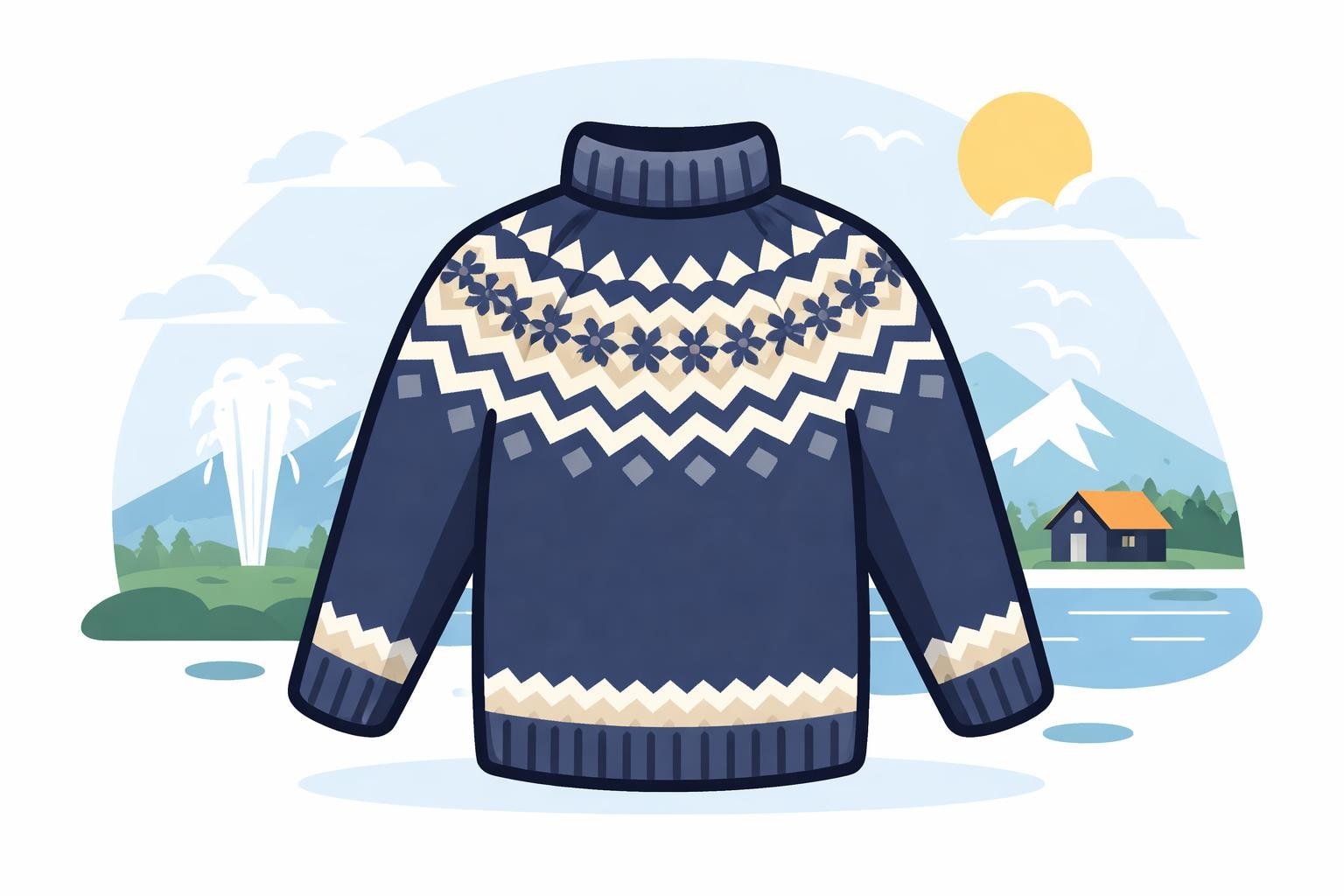
The lopapeysa stands as one of Iceland's most recognizable cultural symbols, a practical wool sweater that has warmed generations against the island's harsh Arctic climate. While many visitors come to Iceland to experience phenomena like the aurora borealis through northern lights tours, they quickly discover that proper clothing, particularly the iconic lopapeysa, becomes essential for comfortable outdoor adventures. This traditional garment combines centuries-old knitting techniques with modern design sensibilities, creating a piece that serves both functional and cultural purposes.
The Origins and Cultural Significance of the Lopapeysa
The lopapeysa emerged as a distinct sweater style in the mid-20th century, though its roots trace back to Iceland's long history of wool production and knitting traditions. The name itself derives from "lopi," the unspun Icelandic wool yarn used in its construction, and "peysa," meaning sweater. Unlike many traditional garments that evolved gradually over centuries, the lopapeysa as we know it today developed relatively recently, gaining popularity in the 1950s and 1960s.
Recognition as Protected Heritage
In a significant cultural milestone, Iceland granted Protected Designation of Origin status to the lopapeysa, recognizing its importance to national identity. This designation ensures that only sweaters meeting specific criteria can bear the authentic lopapeysa label. The standards include using Icelandic wool, following traditional construction methods, and incorporating the characteristic circular yoke pattern.
Key criteria for authentic lopapeysa include:
- Knitted from Icelandic wool (lopi)
- Circular yoke construction
- Traditional geometric patterns
- Seamless round knitting technique
- Made entirely by hand or machine in Iceland
This protection preserves the sweater's authenticity while supporting local craftspeople and wool producers. For visitors exploring Iceland's landscapes, particularly those venturing out on evening adventures to witness the northern lights, understanding this cultural context adds depth to the experience.
The Unique Properties of Icelandic Wool
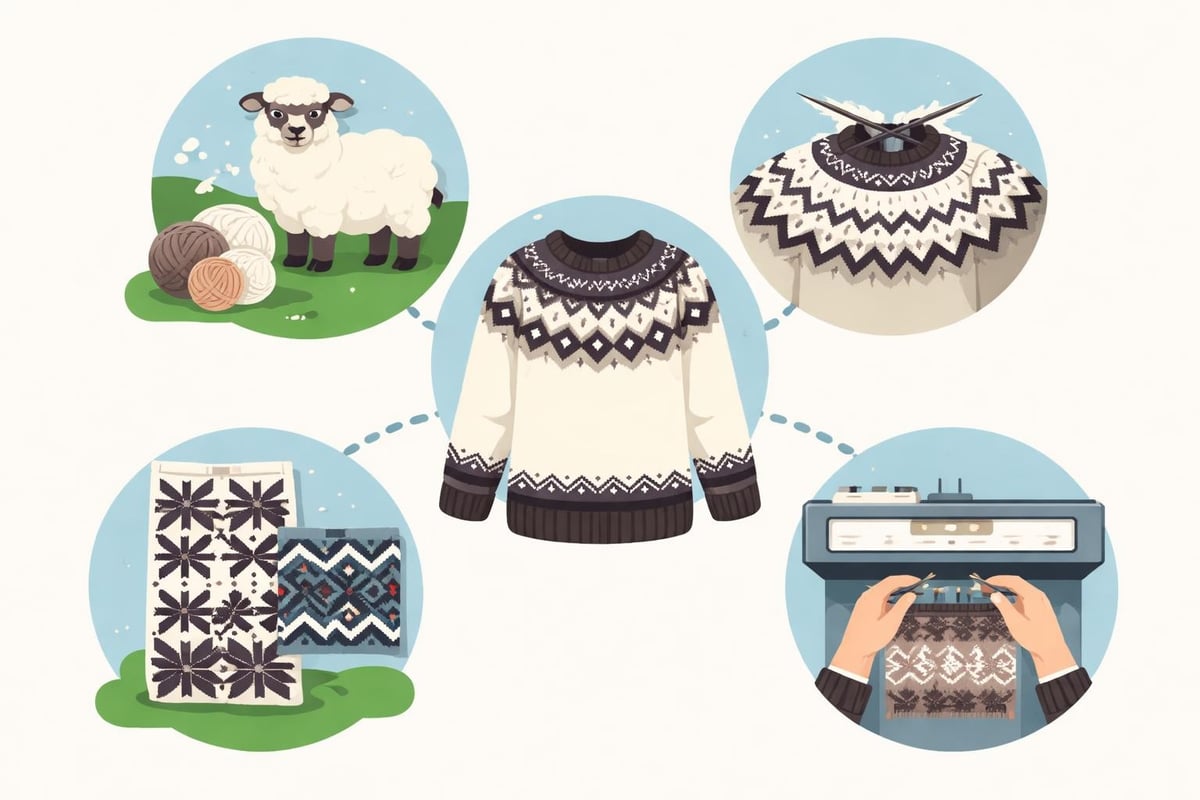
What makes the lopapeysa exceptionally warm lies in the unique characteristics of Icelandic sheep wool. These sheep, descendants of animals brought by Norse settlers over a thousand years ago, produce a dual-coated fleece that provides remarkable insulation. The outer coat (tog) contains long, water-resistant fibers, while the inner coat (þel) features soft, insulating fibers.
When these fibers combine in lopi yarn, they create a material that offers superior warmth-to-weight ratio. The air trapped between the loosely spun fibers provides natural insulation, making the lopapeysa ideal for Iceland's variable weather conditions. This becomes particularly valuable during winter months when temperatures drop and visitors head out to discover the best places for northern lights viewing.
| Wool Type | Fiber Length | Primary Function | Weight |
|---|---|---|---|
| Tog (outer) | 15-20 cm | Water resistance | Heavier |
| Þel (inner) | 5-8 cm | Insulation | Lighter |
| Combined Lopi | Varies | Complete protection | Balanced |
The unspun nature of lopi yarn also contributes to the sweater's breathability. Unlike tightly spun yarns, lopi allows moisture to escape while maintaining warmth, preventing the clammy feeling that can occur with other wool garments during active pursuits.
Traditional Patterns and Design Elements
The most distinctive feature of any lopapeysa is its circular yoke pattern, typically featuring geometric designs that radiate from the neck. These patterns often draw inspiration from Icelandic nature, incorporating elements that represent mountains, glaciers, northern lights, and traditional symbols. The designs are both decorative and structural, as the patterned yoke creates additional thickness around the shoulders and chest.
Popular Pattern Categories
Traditional lopapeysa patterns fall into several recognizable categories. Star patterns create radiating designs that echo the aurora's movement across the sky. Zigzag patterns represent mountain ranges or ocean waves. Cross patterns often reference historical Icelandic symbols and religious heritage.
Common design elements include:
- Radiating star motifs
- Geometric zigzags
- Interlocking crosses
- Abstract natural forms
- Color blocking techniques
Modern designers continue innovating within these traditions, creating contemporary lopapeysa patterns that honor heritage while expressing new artistic visions. Some patterns simplify traditional motifs for easier knitting, while others add complexity through additional color changes and intricate details.
The color palette traditionally included natural sheep colors: white, grey, brown, and black. Contemporary versions incorporate dyed wool in vibrant hues, though many knitters still prefer the classic undyed aesthetic that connects directly to Iceland's landscape.
Knitting Your Own Lopapeysa
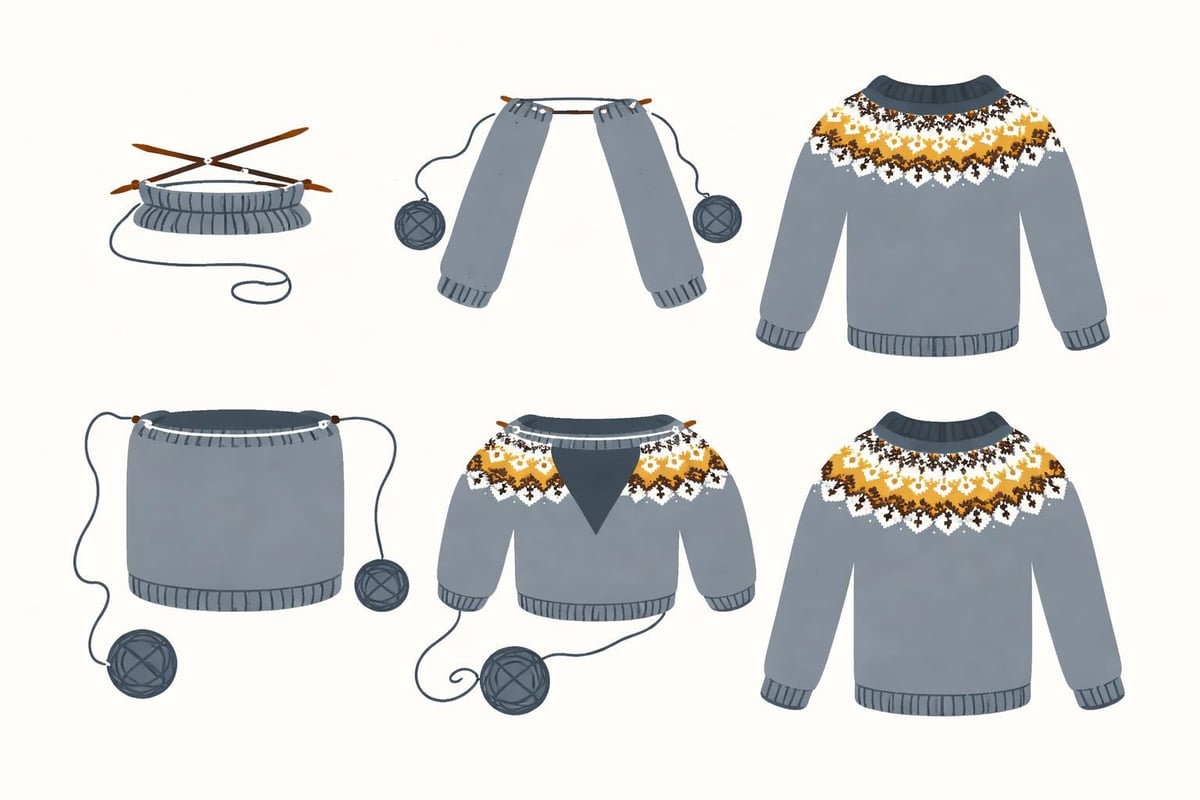
Creating a lopapeysa has become a popular project for knitters worldwide, offering both challenge and reward. The construction typically begins at the bottom hem, working circularly upward to the underarms, where sleeves are knit separately before all pieces join for the yoke. Icelandic Álafoss lopi wool yarn provides authentic materials for those seeking genuine texture and performance.
Essential Knitting Techniques
Step-by-step construction process:
- Cast on for body circumference at hem
- Knit body in round to underarm
- Create sleeve tubes separately
- Join body and sleeves at yoke
- Work circular yoke with pattern
- Complete neckband and bind off
The circular yoke requires understanding decreases and color work, making it an intermediate to advanced project. However, beginner-friendly patterns like the Little Lopapeysa allow knitters to practice techniques on a smaller scale before committing to a full-size garment.
Many knitters find that working from a complete kit, such as the Seifur knitting kit, simplifies the process by providing pre-calculated yarn quantities and detailed instructions. These kits eliminate guesswork about color coordination and ensure sufficient materials.
Choosing and Caring for Your Lopapeysa
Whether purchasing a finished lopapeysa or knitting one yourself, understanding quality markers helps ensure a garment that will last for years. Authentic Icelandic wool should feel slightly coarse to the touch, a characteristic that softens with wear while maintaining durability. The sweater should have even tension throughout, with pattern motifs that align properly around the yoke.
Sizing Considerations
Traditional lopapeysa construction creates a boxy, relaxed fit rather than a tailored silhouette. This loose fit allows for layering underneath, essential for Iceland's variable weather. When selecting size, consider that the sweater will be worn over base layers during outdoor activities like glacier hiking or aurora viewing.
| Size | Chest Circumference | Recommended For | Layering Capacity |
|---|---|---|---|
| Small | 90-100 cm | Fitted wear | Light layers |
| Medium | 100-110 cm | Standard fit | Medium layers |
| Large | 110-120 cm | Relaxed fit | Heavy layers |
| X-Large | 120-130 cm | Oversized | Multiple layers |
Proper care extends the life of your lopapeysa significantly. Hand washing in cool water with wool-specific detergent maintains fiber integrity. Avoid wringing; instead, press water out gently and dry flat on a towel. The natural lanolin in Icelandic wool provides some stain resistance, meaning lopapeysa sweaters require less frequent washing than other garments.
The Lopapeysa in Contemporary Icelandic Culture
Modern Iceland embraces the lopapeysa as both everyday wear and cultural statement. Locals wear them for practical warmth during daily activities, while the sweaters also appear at formal events and celebrations as expressions of national pride. This dual role reflects how the lopapeysa bridges traditional heritage and contemporary life.
The sweater has become synonymous with Icelandic identity in global perception. Visitors often seek authentic lopapeysa as souvenirs, creating a robust market for both handmade and commercially produced versions. This demand supports Iceland's wool industry and provides income for skilled knitters, particularly in rural areas.
Modern lopapeysa applications include:
- Daily winter wear for locals
- Essential gear for outdoor tourism
- Fashion statements in urban settings
- Diplomatic gifts representing Iceland
- Competition pieces in knitting exhibitions
For those exploring Iceland through adventure tours or pursuing the aurora borealis across dark winter landscapes, the lopapeysa provides practical warmth while connecting wearers to Icelandic tradition. Many tour participants discover that this traditional garment outperforms modern synthetic alternatives in Iceland's unique climate conditions.
Regional Variations and Design Innovation
While the classic lopapeysa follows established patterns, regional variations have emerged throughout Iceland. Coastal communities might favor patterns inspired by fishing traditions, while inland areas draw from agricultural heritage. These subtle differences reflect local identity within the broader national tradition.
Contemporary Designer Approaches
Modern Icelandic designers continue pushing lopapeysa boundaries while respecting core elements. Some create minimalist versions with simplified patterns, while others experiment with unconventional color combinations. Patterns like the Mora Icelandic Lopapeysa demonstrate how designers reinterpret traditional forms with fresh perspectives, including short-sleeved summer versions that maintain the characteristic yoke design.
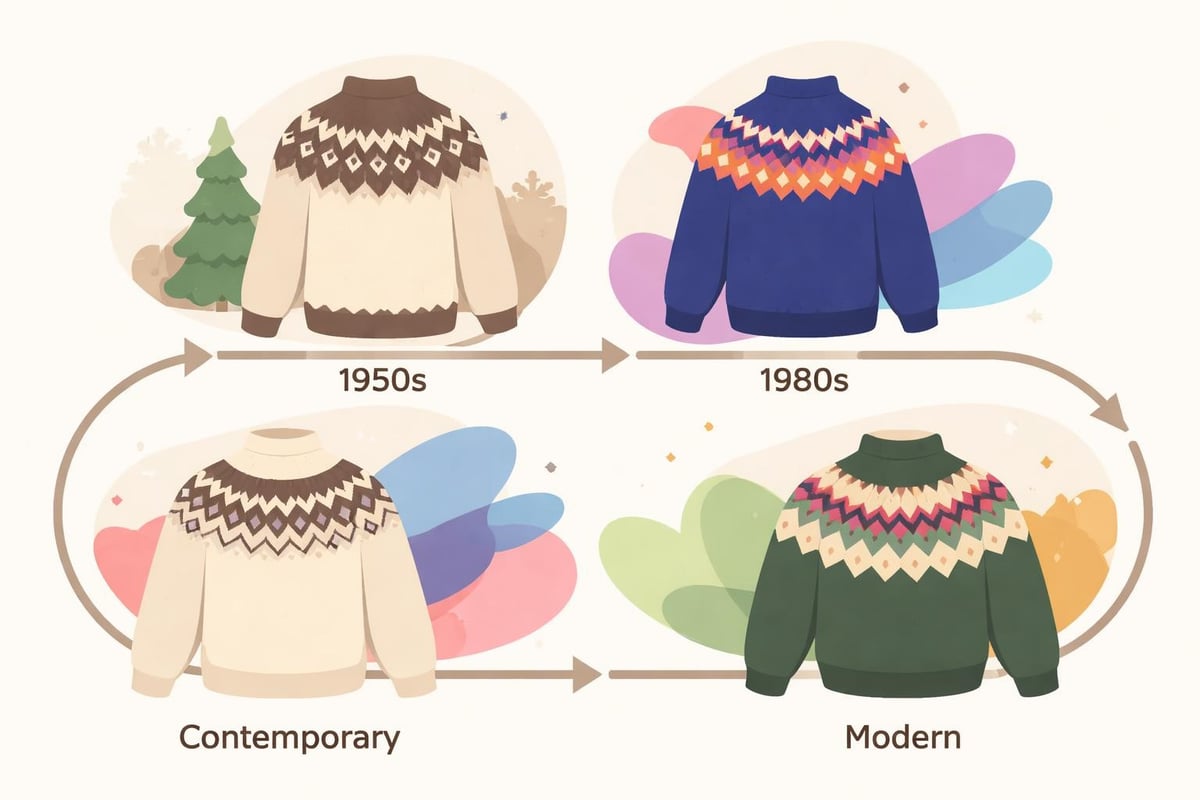
Innovation extends to construction techniques as well. While hand-knitting remains valued, machine knitting has made lopapeysa more accessible and affordable. The Protected Designation of Origin acknowledges both methods, recognizing that machine knitting in Iceland using Icelandic wool produces authentic garments, though hand-knitted versions command premium prices.
Lopapeysa for Outdoor Adventures
The lopapeysa's original purpose was purely functional: providing warmth in one of Earth's harshest climates. This practicality makes it ideal for visitors exploring Iceland's natural wonders. The sweater's water-resistant outer fibers shed light rain and snow, while the insulating inner fibers trap body heat even when damp.
When planning evening excursions to witness the aurora borealis, layering becomes crucial. A lopapeysa serves as an excellent mid-to-outer layer over thermal base layers, providing substantial warmth without bulk that restricts movement. This mobility matters when adjusting camera equipment or moving to better viewing positions as the lights dance overhead.
Recommended layering for northern lights viewing:
- Moisture-wicking base layer (thermal)
- Insulating mid-layer (fleece or wool)
- Lopapeysa as outer or additional mid-layer
- Waterproof shell if conditions require
- Wool accessories (hat, gloves, scarf)
The sweater's breathability prevents overheating during active portions of tours, such as short hikes to optimal viewing locations. Unlike synthetic insulation that can create condensation, wool naturally regulates temperature and moisture. This characteristic proves particularly valuable during multi-hour tours across Iceland where activity levels vary.
The Economics of Lopapeysa Production
Iceland's wool industry centers significantly around lopapeysa production, supporting farmers, processors, and craftspeople throughout the value chain. Sheep farming remains vital to rural economies, with wool providing supplementary income beyond meat production. The Protected Designation of Origin helps maintain premium pricing for authentic products, ensuring economic sustainability.
Hand-knitted lopapeysa command prices reflecting the substantial time investment, typically requiring 30-50 hours to complete. Machine-knitted versions offer more accessible price points while maintaining quality. This pricing spectrum allows the market to serve both luxury buyers seeking unique handmade pieces and practical consumers wanting authentic warmth.
| Production Method | Average Price Range (USD) | Production Time | Market Segment |
|---|---|---|---|
| Hand-knitted custom | $300-600 | 30-50 hours | Luxury/bespoke |
| Hand-knitted standard | $200-350 | 25-40 hours | Premium |
| Machine-knitted premium | $150-250 | 2-4 hours | Mid-range |
| Machine-knitted standard | $80-150 | 1-2 hours | Accessible |
The international market for lopapeysa continues expanding as awareness of Icelandic culture grows. Online platforms allow Icelandic producers to reach global customers, while tourism brings buyers directly to source. Many visitors who experience Iceland through cultural and natural attractions develop lasting connections that extend to purchasing authentic Icelandic products long after returning home.
Learning Resources for Lopapeysa Enthusiasts
Those interested in creating their own lopapeysa have access to numerous resources. Online knitting communities share patterns, techniques, and troubleshooting advice. Video tutorials provide visual guidance for complex techniques, with resources like step-by-step lopapeysa knitting guides breaking down the process into manageable segments.
Pattern libraries offer designs ranging from traditional reproductions to modern interpretations. Some knitters begin with simplified versions before progressing to complex colorwork. The learning curve rewards persistence, with each completed project building skills applicable to future endeavors.
Essential resources for lopapeysa knitters include:
- Online pattern databases with filtering options
- Video tutorials covering specific techniques
- Knitting community forums for problem-solving
- Icelandic wool suppliers with authentic materials
- Books documenting traditional patterns and methods
Workshops in Iceland provide immersive learning experiences, allowing participants to learn from master knitters while surrounded by the landscape that inspired original designs. These educational opportunities often combine knitting instruction with cultural context, exploring how the lopapeysa fits within broader Icelandic heritage.
Environmental and Sustainability Aspects
Icelandic sheep farming practices generally emphasize sustainability, with animals grazing freely on natural pastures during summer months. This extensive farming approach minimizes environmental impact while producing high-quality wool. The sheep's diet of native grasses and herbs contributes to wool characteristics that differ from grain-fed alternatives.
Wool itself represents a renewable, biodegradable fiber requiring no petroleum-based inputs. A well-made lopapeysa can last decades with proper care, contrasting sharply with fast-fashion alternatives requiring frequent replacement. This longevity reduces overall environmental impact per wear, aligning with growing consumer interest in sustainable clothing choices.
The traditional construction method produces virtually no waste, as knitters can unravel and reknit sections if needed. Even yarn scraps find use in smaller projects or as stuffing material. This zero-waste approach reflects historical necessity in isolated Iceland, where resources required careful management.
Lopapeysa as Cultural Ambassador
The lopapeysa's global recognition helps promote Icelandic culture beyond tourism marketing. International celebrities and fashion influencers wearing the sweater create visibility for Icelandic design traditions. This cultural diplomacy strengthens Iceland's international profile while supporting domestic artisans.
Educational institutions worldwide teach lopapeysa knitting as part of textile arts curricula, introducing students to Icelandic culture through hands-on engagement. This educational role extends the sweater's impact beyond immediate economic value, fostering cross-cultural understanding and appreciation for traditional crafts in modern contexts.
For travelers preparing to experience Iceland's winter wonders, whether exploring the Ring Road or pursuing the aurora across dark skies, the lopapeysa represents both practical preparation and cultural respect. Understanding its significance enriches the travel experience, transforming a functional garment into a tangible connection with Icelandic heritage.
The lopapeysa embodies Iceland's ability to preserve tradition while embracing modernity, offering practical warmth wrapped in cultural significance. Whether you're knitting your own or selecting an authentic piece for your Icelandic adventure, this iconic sweater connects you to generations of resilience and craftsmanship. When you're ready to experience the magic of Iceland's winter nights and witness the dancing aurora borealis in comfort, Reykjavik Northern Lights provides expertly guided tours with local insights and warm hospitality, ensuring you stay comfortable while creating unforgettable memories beneath the Arctic sky.