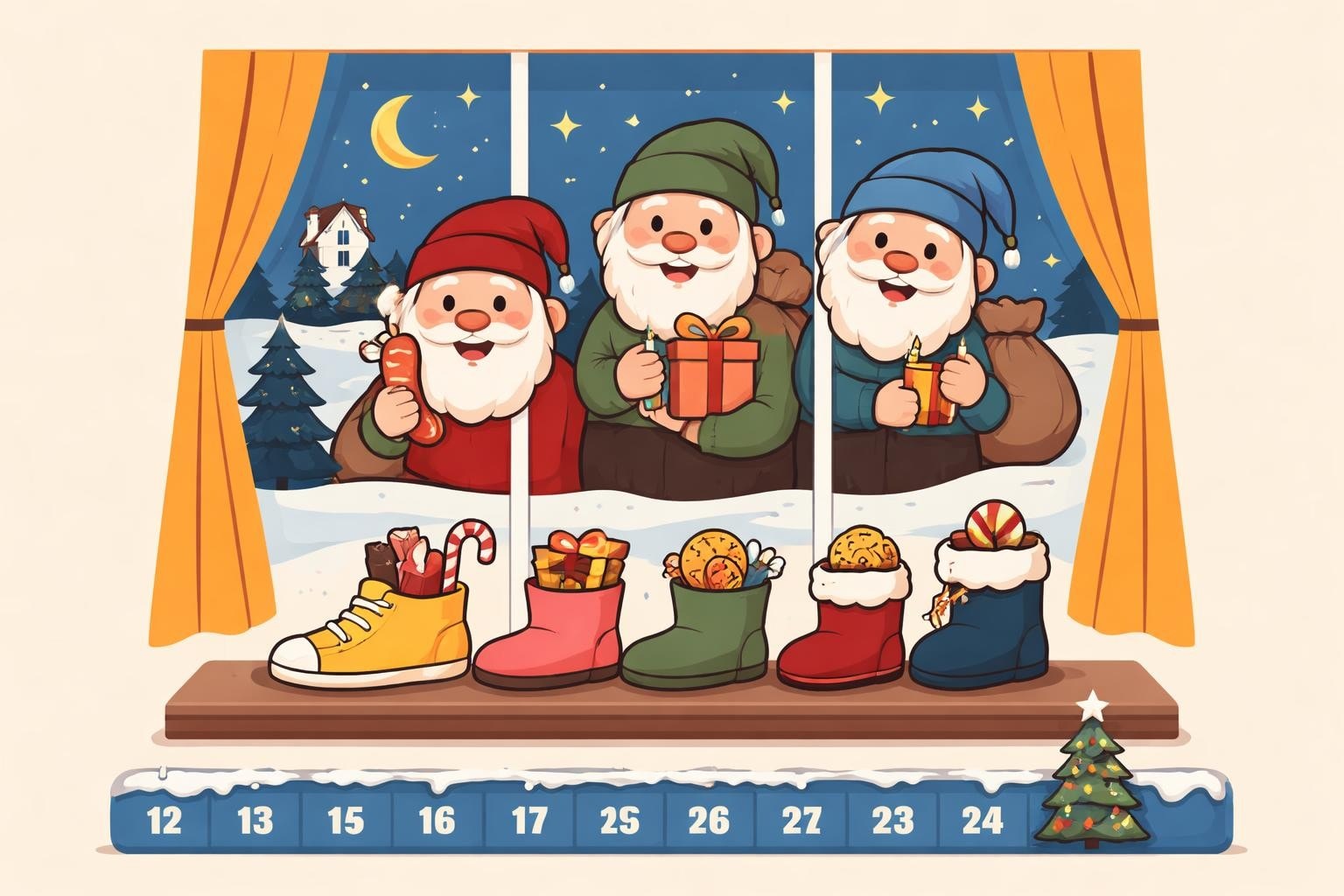
Iceland's winter landscape transforms into something magical during the Christmas season, offering visitors not only the spectacular aurora borealis but also a glimpse into one of Europe's most unusual holiday traditions. While families across Iceland prepare for the festive season, they anticipate visits from thirteen peculiar characters known as the Icelandic Yule Lads. These mischievous troll brothers arrive one by one over thirteen consecutive nights before Christmas, each bringing their own unique brand of chaos and charm to Icelandic households. This ancient folklore remains deeply embedded in modern Icelandic culture, captivating both locals and visitors who travel to experience Iceland's winter wonders.
Origins and Evolution of the Yule Lads Tradition
The history of the Icelandic Yule Lads stretches back centuries, rooted in Nordic folklore and shaped by Iceland's isolated rural communities. These characters originally served as cautionary figures designed to frighten children into good behavior during the harsh winter months. Icelandic Christmas folklore reveals that the earliest versions of these characters were far more sinister than today's playful tricksters.
Historical records suggest the Yule Lads emerged from oral storytelling traditions that predated written Icelandic literature. In medieval Iceland, parents used these tales to keep children close to home during dangerous winter conditions when darkness dominated the landscape. The transformation of these characters from terrifying monsters to beloved holiday figures reflects Iceland's broader cultural evolution.
From Terror to Tradition
During the 17th and 18th centuries, the Icelandic Yule Lads were depicted as genuinely threatening creatures who might kidnap or harm children. The Catholic Church even attempted to ban stories about these figures, considering them too frightening and inappropriate for Christian celebrations. This prohibition, however, proved largely ineffective as the tales remained deeply ingrained in rural Icelandic communities.
The modern conception of the Icelandic Yule Lads took shape in the 20th century, particularly through the poetry of Jóhannes úr Kötlum. His 1932 poem cycle "Jólin koma" (Christmas is Coming) standardized the number at thirteen and established the distinctive personalities we recognize today. This literary work transformed the characters from terrifying outlaws into mischievous but ultimately harmless pranksters.
The Thirteen Characters and Their Distinct Personalities
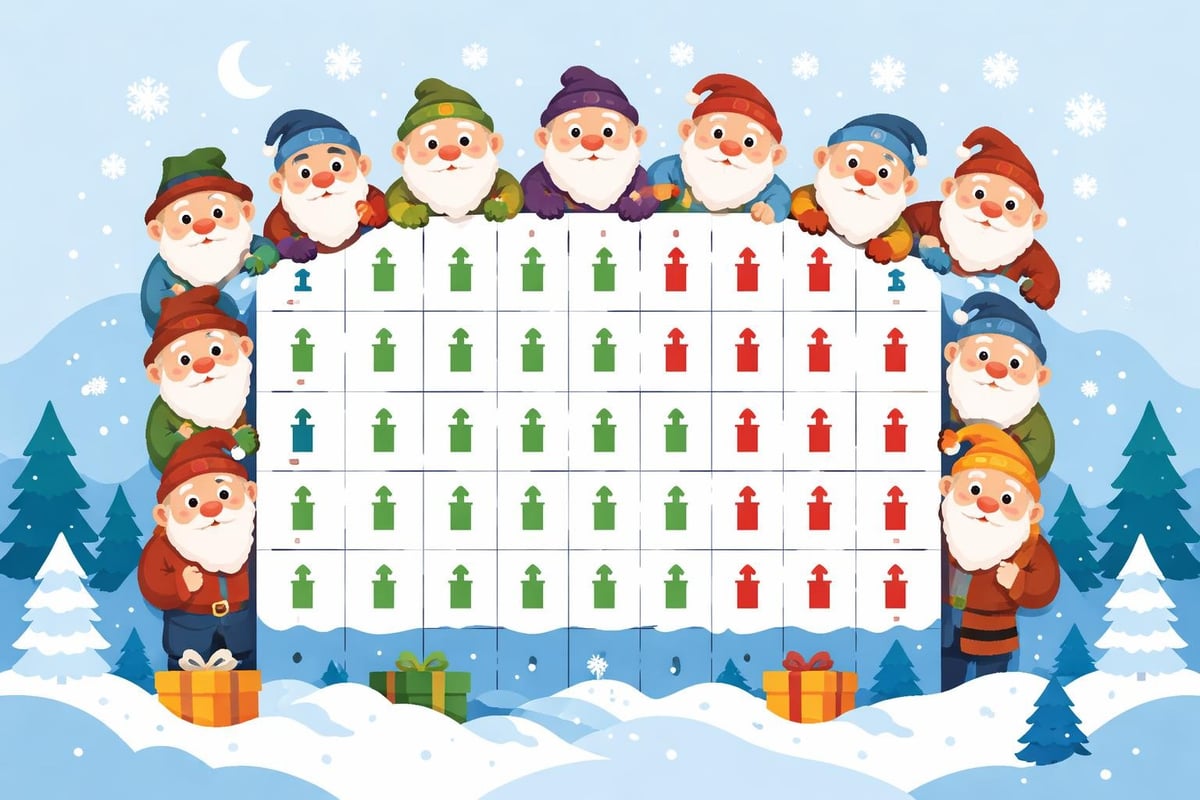
Each of the Icelandic Yule Lads possesses a unique name reflecting their particular mischief or food preference. These characters arrive sequentially, beginning on December 12 and continuing through Christmas Eve, with each staying for thirteen days before departing.
Early Arrivals: The First Six Lads
Stekkjarstaur (Sheep-Cote Clod) arrives first on December 12, known for harassing sheep and attempting to drink their milk. His stiff peg-legs make him clumsy, often resulting in comic failures. Giljagaur (Gully Gawk) follows on December 13, hiding in gullies to steal milk from cowsheds. Stúfur (Stubby) appears on December 14, distinguished by his short stature and preference for stealing pans to eat the crusty residue.
The tradition continues with Þvörusleikir (Spoon-Licker) on December 15, who sneaks into kitchens to lick wooden spoons. Pottaskefill (Pot-Scraper) arrives December 16, scraping leftovers from pots. Askasleikir (Bowl-Licker) completes the first half on December 17, hiding under beds to steal bowls left for pets, particularly the traditional askur (a bowl with a lid).
Middle Arrivals: Lads Seven Through Ten
Hurðaskellir (Door-Slammer) makes his noisy entrance on December 18, disturbing households by slamming doors throughout the night. Skyrgámur (Skyr-Gobbler) appears December 19 with an insatiable appetite for Iceland's traditional yogurt-like dairy product. Bjúgnakrækir (Sausage-Swiper) arrives December 20, hiding in rafters to steal sausages being smoked for Christmas feasts.
Gluggagægir (Window-Peeper) peers through windows on December 21, seeking opportunities to steal toys or small items. According to The Vale Magazine, this character particularly unsettled children in rural farmhouses where windows offered glimpses into warm, well-stocked homes during harsh winters.
Final Arrivals: The Last Three Brothers
| Yule Lad | Arrival Date | Specialty | Departure Date |
|---|---|---|---|
| Gáttaþefur | December 22 | Sniffing out hidden laufabrauð | January 4 |
| Ketkrókur | December 23 | Stealing meat with hooked stick | January 5 |
| Kertasníkir | December 24 | Taking candles (once valuable) | January 6 |
Gáttaþefur (Doorway-Sniffer) possesses an enormous nose that helps him locate laufabrauð, Iceland's traditional Christmas leaf bread. Ketkrókur (Meat-Hook) uses his specialized tool to snatch meat through chimneys or windows. Kertasníkir (Candle-Stealer) arrives last on Christmas Eve, following children to steal their tallow candles, which were once both light sources and edible treats made from sheep fat.
The Extended Family: Grýla and the Yule Cat
The Icelandic Yule Lads don't operate alone in folklore. Their mother, Grýla, represents a far more menacing figure who threatens to boil and eat misbehaving children. This ogress has appeared in Icelandic literature since the 13th century, originally existing independently before becoming associated with the Yule Lads in later folklore.
Grýla lives in a remote cave in Iceland's mountains with her third husband, Leppalúði, who appears largely ineffectual compared to his fearsome wife. She ventures into towns and villages during Christmas, carrying a large sack to collect naughty children. The Icelandic Tourist Board notes that modern depictions have softened her considerably, though she remains a powerful incentive for good behavior.
The Fearsome Yule Cat
The Jólakötturinn (Yule Cat) completes this unusual family unit. This monstrous feline prowls the snowy landscape during Christmas, devouring anyone who hasn't received new clothes before Christmas Eve. This tradition originated from medieval Iceland when farm workers who completed their autumn work before Christmas received new clothing as a reward. Those who failed to work hard enough faced the Yule Cat's wrath.
The Yule Cat tradition served dual purposes: encouraging productivity during harsh times and ensuring everyone received at least one new garment for Christmas. Today, Icelanders maintain this custom by exchanging clothing gifts, though the fearsome cat has become more of a cherished story than a genuine threat.
Modern Celebrations and Gift-Giving Traditions
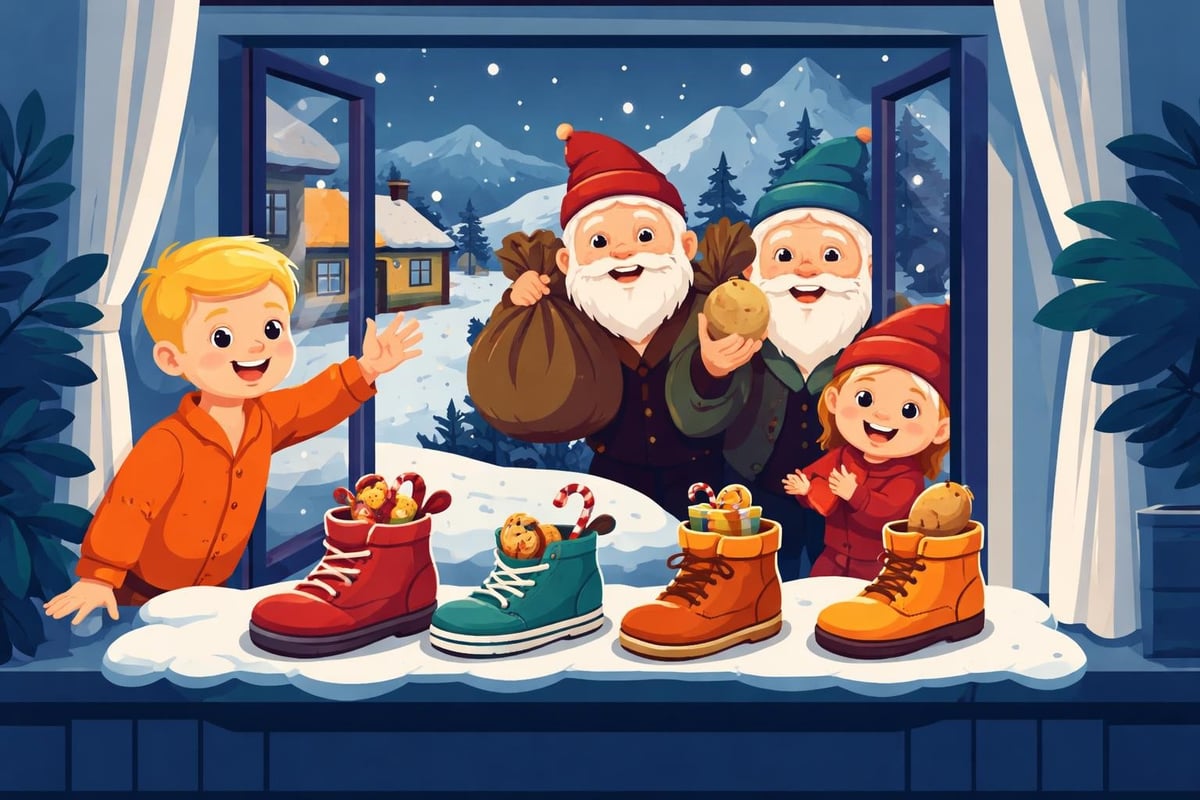
Contemporary Icelandic families have transformed the Icelandic Yule Lads into beloved Christmas figures who reward good behavior rather than simply punish misdeeds. Children place shoes in their bedroom windows beginning December 12, receiving small gifts from the visiting Yule Lad each night. Well-behaved children find sweets, small toys, or fruit, while naughty children discover rotting potatoes.
Gift Exchange Patterns
The thirteen-night gift exchange creates anticipation throughout December. Parents carefully select appropriate treats that fit inside children's shoes, maintaining the tradition's modest scale. Common gifts include:
- Chocolate coins and candy
- Small figurines or collectibles
- Fruit, particularly oranges and apples
- Traditional Icelandic sweets like licorice
- Miniature books or puzzles
This extended celebration means Icelandic children experience Christmas magic over two weeks rather than a single morning, with each Yule Lad bringing unique personality to the festivities.
Cultural Significance for Visitors to Iceland
Travelers visiting Iceland during December encounter the Icelandic Yule Lads throughout Reykjavík and countryside communities. Shops display figurines depicting all thirteen characters, while hotels and restaurants incorporate their images into seasonal decorations. Many visitors who come for northern lights tours discover these traditions add unexpected cultural depth to their winter experience.
Visit Reykjavík organizes events celebrating the Yule Lads throughout December, including storytelling sessions, themed museum exhibits, and public appearances by costumed performers. The Tourism Board actively promotes these traditions as part of Iceland's unique cultural heritage, recognizing their appeal to international audiences seeking authentic local experiences.
Integration with Tourism Experiences
Tour operators increasingly incorporate Yule Lad folklore into winter packages. Guides share stories during aurora viewing excursions, explaining how these characters reflect Iceland's historical relationship with darkness and winter hardship. Visitors staying at recommended accommodations often find hotels celebrating the tradition through daily Yule Lad-themed activities.
The parallel between chasing the northern lights and experiencing Yule Lad traditions creates natural synergies. Both require embracing Iceland's winter darkness, understanding that beauty and wonder emerge from challenging conditions. Many visitors who initially travel solely for natural phenomena leave with equal appreciation for Iceland's rich storytelling traditions.
Educational Value and Children's Literature
Modern Icelandic children learn about the Yule Lads through an extensive collection of books, songs, and educational materials. Publishers release new interpretations annually, ensuring the tradition evolves while maintaining core elements. These publications range from traditional retellings to contemporary reimaginings that place the characters in modern settings.
Schools incorporate Yule Lad stories into December curricula, using them to teach Icelandic language, cultural history, and creative writing. Children create artwork depicting their favorite characters, write alternative stories, and perform plays bringing the brothers to life. This educational integration ensures younger generations maintain connection to their heritage.
Language Learning Through Folklore
The distinctive Icelandic names of each Yule Lad provide excellent language learning opportunities. Each name combines Old Norse elements describing the character's behavior or appearance, offering insight into Iceland's linguistic traditions. Foreign language learners studying Icelandic often begin with these memorable characters, finding their descriptive names easier to remember than abstract vocabulary.
Cultural organizations outside Iceland have recognized these stories' educational potential, translating accounts of the thirteen Yule Lads and their mother Grýla into multiple languages. These efforts spread awareness of Icelandic culture while providing engaging content for children worldwide.
Commercial Aspects and Merchandising
The Icelandic Yule Lads have become significant commercial properties, generating substantial revenue through merchandise sales. Gift shops throughout Reykjavík stock extensive collections including:
| Product Category | Popular Items | Price Range |
|---|---|---|
| Figurines | Complete 13-piece sets, individual characters | $25-$150 |
| Textiles | Sweaters, socks, blankets featuring Yule Lads | $20-$200 |
| Books | Children's stories, folklore collections | $15-$45 |
| Food Items | Themed chocolates, cookies, candy | $5-$30 |
Local artisans create handcrafted versions of the characters, offering premium alternatives to mass-produced items. These pieces often incorporate traditional Icelandic materials like wool, lava rock, and driftwood, appealing to visitors seeking authentic souvenirs.
Brand Protection and Authenticity
Iceland has taken steps to protect the cultural integrity of Yule Lad imagery, ensuring commercial use respects traditional representations. Organizations like the Icelandic Tourist Board provide guidelines for appropriate depictions, maintaining consistency across different products and preventing dilution of the tradition's meaning.
This careful stewardship balances commercial opportunity with cultural preservation, allowing the Icelandic Yule Lads to generate economic benefits while remaining rooted in authentic folklore. The approach serves as a model for other nations seeking to monetize traditional stories without compromising their essence.
Regional Variations and Local Interpretations
While the thirteen-brother framework enjoys widespread acceptance, regional variations persist across Iceland. Some rural communities maintain older versions featuring different numbers of characters or alternative personalities. These local traditions reflect Iceland's geographic isolation, where individual valleys and fjords developed distinct cultural practices.
Certain areas emphasize particular Yule Lads based on local history or agricultural traditions. Farming communities might focus more attention on sheep-related characters like Stekkjarstaur, while fishing villages developed unique stories connecting the characters to maritime activities. These variations demonstrate how folklore adapts to community-specific circumstances.
Contemporary Reinterpretations
Modern Icelandic artists and writers continue creating fresh interpretations of the Icelandic Yule Lads, ensuring the tradition remains dynamic rather than static. Recent adaptations include detective stories featuring the brothers solving Christmas mysteries, romance novels reimagining them as attractive supernatural beings, and science fiction tales transporting them to space colonies.
These creative reinterpretations generate occasional controversy, with traditionalists questioning whether significant departures from established lore dilute cultural heritage. Most Icelanders, however, view evolution as natural and healthy, believing living traditions must grow to remain relevant for new generations.
Connection to Iceland's Winter Landscape
The Icelandic Yule Lads' stories reflect Iceland's harsh winter environment, where survival required resourcefulness and cooperation. Their focus on food stealing makes sense in contexts where winter scarcity threatened communities. Understanding this backdrop helps visitors appreciate how folklore emerged from real survival challenges.
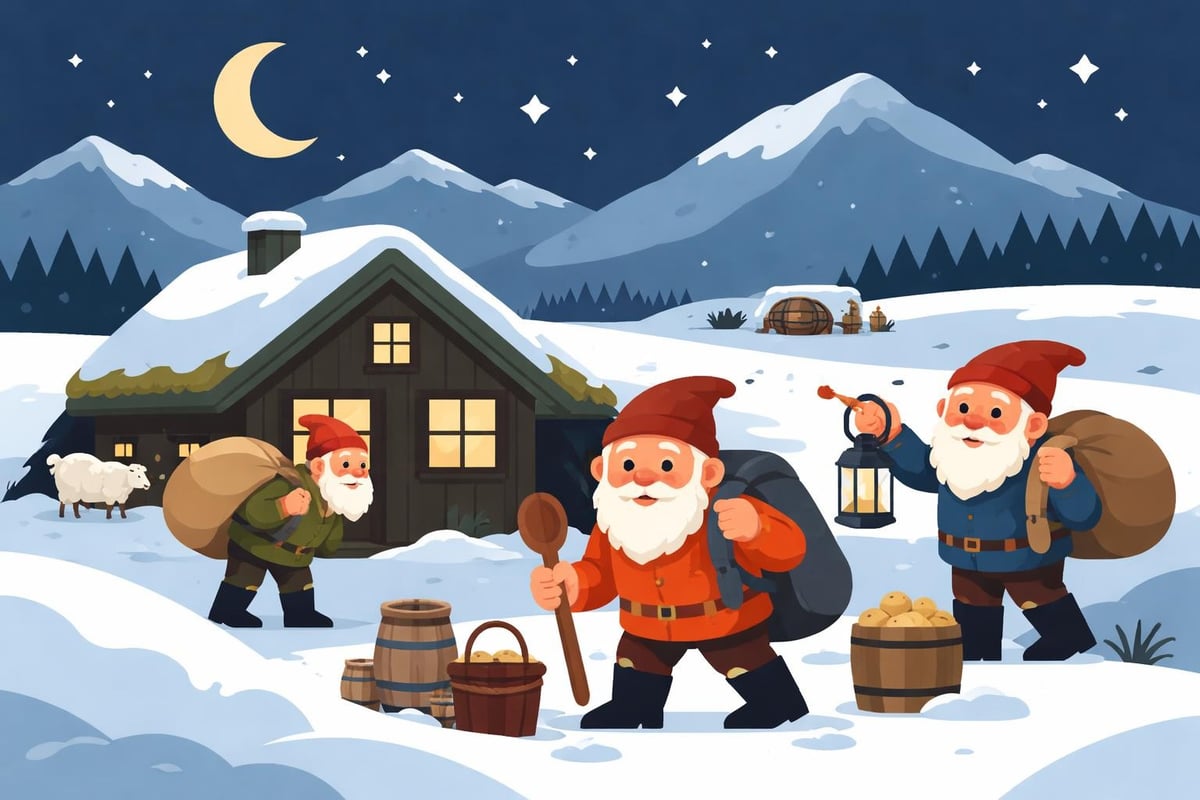
The timing of the Yule Lad visits, beginning December 12, corresponds with Iceland's darkest weeks when daylight dwindles to just four hours daily in Reykjavík and less in northern regions. This darkness creates perfect conditions for both aurora viewing and mysterious visitor tales. Tourists exploring adventure opportunities throughout Iceland's winter landscape experience the same environmental conditions that birthed these enduring stories.
Comparing with Global Christmas Traditions
The Icelandic Yule Lads occupy unique territory in global Christmas folklore, sharing elements with various traditions while maintaining distinctive characteristics. Unlike Santa Claus, who delivers all gifts in one night, the Yule Lads spread giving across thirteen nights, creating extended celebration. Their mischievous nature resembles figures like Krampus from Alpine traditions, though they're ultimately more benevolent.
European Christmas traditions feature numerous supernatural visitors, from Italy's Befana to the Netherlands' Sinterklaas. The Icelandic Yule Lads distinguish themselves through their number, individual personalities, and evolution from genuinely frightening to family-friendly characters. This transformation mirrors broader societal changes regarding childhood, discipline, and holiday celebrations.
Integration with International Holiday Practices
Modern Icelandic Christmas incorporates international elements alongside local traditions. Families decorate Christmas trees, exchange gifts on Christmas Day, and celebrate with festive meals. However, the Icelandic Yule Lads provide unique local flavor that sets Iceland apart from other Nordic countries.
This blending creates rich layered celebrations where traditional folklore coexists with global Christmas culture. Children experience both the thirteen-night Yule Lad visits and conventional Christmas morning gift exchanges, doubling their holiday excitement. Visitors appreciate experiencing this hybrid approach, gaining insight into how small nations maintain cultural identity while engaging with international practices.
Preservation Efforts and Cultural Heritage
Icelandic cultural institutions actively work to preserve accurate Yule Lad traditions for future generations. Museums maintain exhibits documenting the characters' historical development, displaying vintage books, artwork, and artifacts. The National Museum of Iceland holds collections tracing how depictions evolved across centuries.
Academic researchers study these figures as important elements of Icelandic identity, publishing scholarly analyses examining their social functions, literary representations, and contemporary meanings. These efforts ensure the Icelandic Yule Lads remain more than commercial properties, maintaining recognition as significant cultural heritage deserving serious preservation.
Educational initiatives teach traditional stories in schools while allowing creative reinterpretation. This balanced approach acknowledges that folklore must evolve while retaining core elements. Organizations provide resources helping teachers, parents, and cultural practitioners share authentic traditions with new audiences.
The Icelandic Yule Lads represent far more than quirky holiday characters; they embody Iceland's ability to transform harsh realities into enchanting traditions that continue captivating both locals and visitors. Understanding these thirteen mischievous brothers adds meaningful cultural context to any winter visit, whether you're seeking the spectacular aurora borealis or exploring Iceland's unique heritage. When you join Reykjavik Northern Lights for guided tours through Iceland's winter wonderland, our local experts share these beloved stories alongside sky routing for optimal aurora viewing, ensuring your experience captures both natural and cultural magic that makes Iceland truly unforgettable.