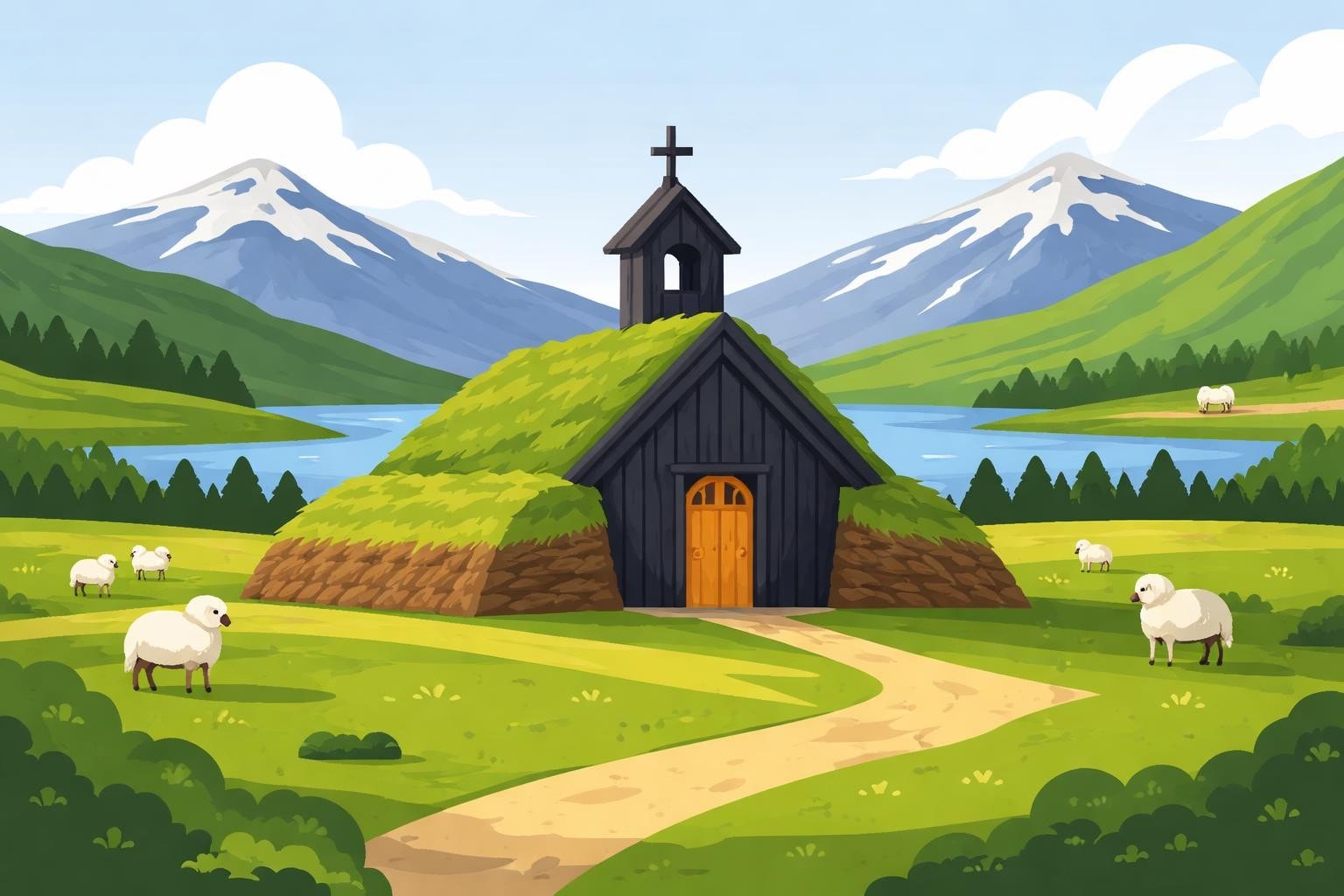
Iceland's northern landscapes hold countless treasures for travelers seeking authentic cultural experiences beyond the typical tourist trail. Among these hidden gems stands Grafarkirkja, a small turf church that represents centuries of Icelandic architectural tradition and spiritual heritage. Located in the Skagafjörður region of North Iceland, this remarkable structure offers visitors a tangible connection to Iceland's past, combining traditional building methods with enduring craftsmanship. For those planning northern lights expeditions or exploring the remote beauty of Iceland's countryside, Grafarkirkja provides a fascinating cultural stop that enriches any journey through this extraordinary landscape.
The Historical Significance of Grafarkirkja
Grafarkirkja dates back to the 17th century, making it one of Iceland's most precious architectural survivors. The church was originally constructed around 1000 AD as a simple wooden structure, but the current building represents a reconstruction that took place in the 1600s. This makes it Iceland's oldest turf church, a designation that carries immense cultural weight in a nation where such structures once dotted the landscape.
The church served as an active place of worship for centuries before being deconsecrated in the early 20th century. During its active years, Grafarkirkja functioned as the spiritual center for the surrounding farming community, hosting baptisms, weddings, and funeral services that marked the rhythms of rural Icelandic life. The building's survival through Iceland's harsh winters and challenging environmental conditions speaks to both the durability of traditional turf construction and the community's dedication to preserving this sacred space.
From Abandonment to Restoration
After falling into disuse, Grafarkirkja faced the same fate as many turf buildings across Iceland: gradual deterioration and potential collapse. However, recognition of its historical importance led to restoration efforts in the mid-20th century. Älgventure documents how local heritage organizations and the Icelandic government collaborated to restore the structure to its former condition, ensuring that future generations could experience this architectural treasure.
The restoration process required specialized knowledge of traditional building techniques that had largely disappeared from common practice. Craftspeople studied historical records and examined surviving turf structures to recreate authentic construction methods, using period-appropriate materials wherever possible.

Architectural Features and Traditional Construction
The architecture of Grafarkirkja exemplifies the ingenuity of Icelandic builders who adapted to limited resources and extreme weather conditions. The church measures approximately 3.7 meters wide and 7.5 meters long, making it an intimate space designed to accommodate small congregations. Despite its modest dimensions, the structure incorporates sophisticated design elements that have allowed it to withstand centuries of Iceland's notorious weather.
Turf Construction Methodology
Traditional turf construction represents one of Iceland's most distinctive architectural contributions. Iceland the Beautiful explains how builders layered cut turf blocks over wooden frames, creating thick walls that provided exceptional insulation against bitter winds and freezing temperatures. The turf walls at Grafarkirkja measure nearly one meter thick in places, creating a thermal barrier that kept worshippers comfortable during winter services.
The construction process followed specific patterns:
- Foundation preparation with stone base layers to prevent moisture damage
- Wooden frame assembly creating the structural skeleton
- Turf block layering in alternating patterns for stability
- Roof construction using timber supports covered with turf
- Interior finishing with wooden paneling and traditional decorative elements
| Architectural Element | Material | Purpose |
|---|---|---|
| Foundation | Stone | Moisture barrier and stability |
| Frame | Driftwood/timber | Structural support |
| Walls | Turf blocks | Insulation and weather protection |
| Roof | Turf over timber | Waterproofing and insulation |
| Interior | Painted wood | Aesthetic finish and additional insulation |
Interior Design and Baroque Carvings
While the exterior showcases functional turf construction, the interior reveals refined artistic sensibilities. The chapel at Gröf features remarkable baroque carvings that demonstrate the skill of Icelandic craftspeople during the 17th and 18th centuries. The altar piece, pulpit, and decorative panels display intricate floral patterns and religious imagery that would have been painstakingly carved by hand.
These interior elements create a striking contrast with the humble exterior. Worshippers entering from Iceland's stark landscape encountered a warm, decorated space that elevated their spiritual experience. The wooden surfaces were often painted in colors that remain surprisingly vibrant even today, thanks to the church's protected interior environment.
Grafarkirkja in Iceland's Cultural Landscape
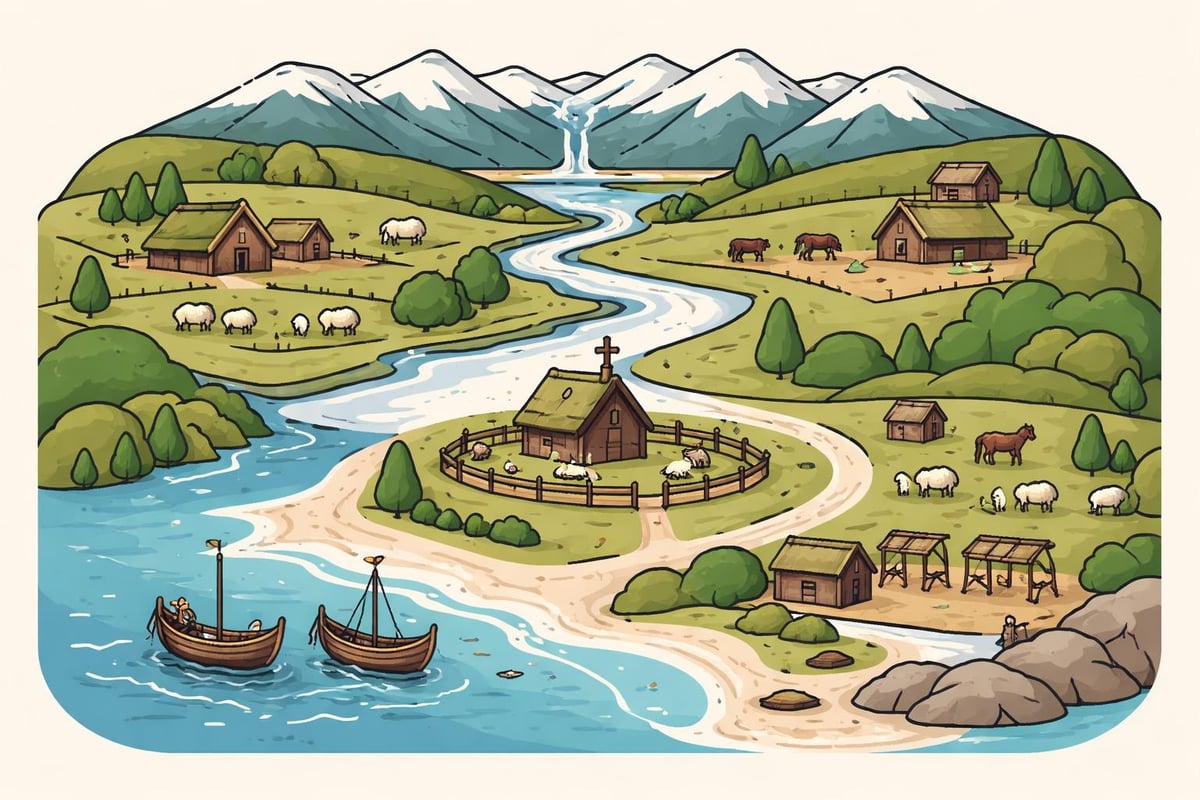
Beyond its architectural merits, Grafarkirkja represents broader patterns in Icelandic cultural development and settlement history. The Skagafjörður region where the church stands has been continuously inhabited since the settlement period beginning in the late 9th century. This area became known for horse breeding, fishing, and agriculture, activities that sustained communities through harsh conditions.
Key cultural aspects Grafarkirkja represents:
- Religious continuity from medieval Christianity through the Reformation and beyond
- Architectural adaptation to Iceland's unique environmental challenges
- Community cohesion around shared spiritual and social spaces
- Craft traditions passed through generations of builders and artisans
- Rural life patterns that defined Icelandic society for centuries
The church's location reflects settlement patterns where farms clustered in fertile valleys while utilizing highland pastures for summer grazing. Travelers exploring this region today can observe how geography shaped human activity, with farms still operating according to patterns established over a millennium ago, much like the areas featured in our Westfjords travel content.
Visiting Grafarkirkja Today
Modern visitors to Grafarkirkja find a well-maintained historical site that offers both aesthetic beauty and educational value. The church stands in a picturesque setting, surrounded by pastoral landscapes that change dramatically with Iceland's seasons. During summer months, green fields and wildflowers frame the turf-covered structure, while winter brings snow-covered silence that evokes centuries past.
Practical Visitor Information
Accessing Grafarkirkja requires some planning, as it sits off the main tourist routes. The church is located approximately 30 kilometers north of Varmahlíð, the largest town in Skagafjörður. Wanderlog's visitor information indicates that the site is accessible by car during most of the year, though winter conditions may require four-wheel drive vehicles.
Travel considerations:
- Located on Route 76 heading toward Hofsós
- Limited signage requires GPS navigation or detailed maps
- No admission fee, but donations welcome for maintenance
- No facilities on-site; plan accordingly for restrooms and refreshments
- Photography permitted and encouraged
- Respectful behavior expected at this historical religious site
The surrounding area offers additional attractions that complement a visit to Grafarkirkja. Hofsós, a charming coastal village, features a remarkable geothermal swimming pool with ocean views. The region also boasts several turf house museums, horse farms offering riding tours, and dramatic coastal scenery that rivals Iceland's more famous destinations.
Photography and Aesthetic Appeal
Grafarkirkja has gained recognition among photographers and visual artists for its distinctive appearance and photogenic qualities. The structure's compact form, traditional materials, and integration with the landscape create compositions that capture Iceland's unique character. Accidentally Wes Anderson features the church for its symmetrical design and color palette that seems almost deliberately artistic.
Capturing Grafarkirkja Through Seasons
Different seasons present distinct photographic opportunities at Grafarkirkja. Spring brings new grass growth on the turf roof, creating a vibrant green crown that contrasts with weathered wooden elements. Summer offers long evening light that bathes the structure in golden tones, ideal for capturing architectural details. Autumn introduces dramatic skies and changing vegetation colors, while winter transforms the church into a snow-covered landmark that stands out against white fields.
Recent photographic documentation showcases how the church appears in contemporary times, maintaining its historical character while serving as a monument rather than active place of worship. These images reveal subtle details often missed during brief visits, including weathering patterns on ancient timbers and the careful placement of stones in the foundation.
Grafarkirkja and Northern Lights Tourism
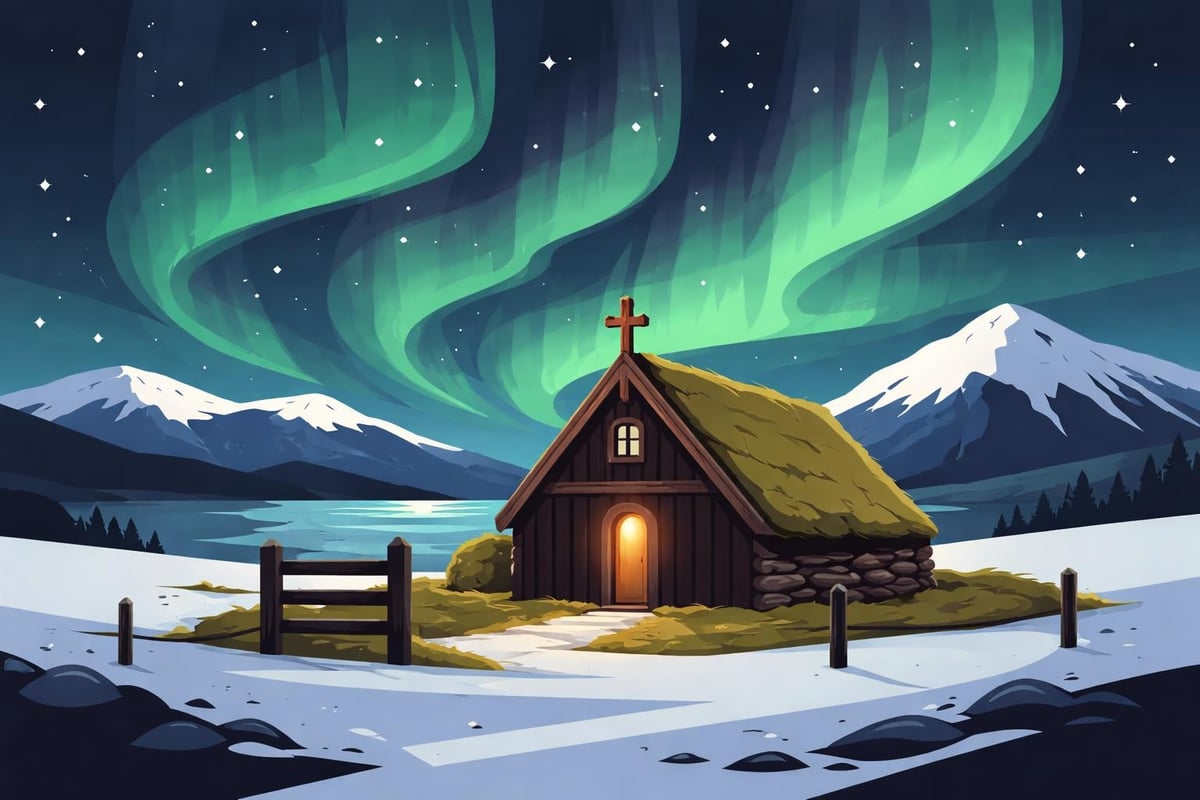
For visitors combining cultural exploration with aurora hunting, the Skagafjörður region offers excellent opportunities. The area's northern latitude and minimal light pollution create favorable conditions for northern lights viewing during winter months. Grafarkirkja itself can serve as a dramatic foreground subject for aurora photography, combining Iceland's cultural heritage with its most famous natural phenomenon.
The region's dark skies rival those found along popular routes like the Golden Circle, but with far fewer tourists competing for viewing spots. Local knowledge proves invaluable when seeking the best vantage points, and many aurora tour operators include North Iceland in their itineraries specifically for its reliable darkness and clear horizons.
Advantages of North Iceland for aurora viewing:
- Lower tourist density than Reykjavík surroundings
- Multiple viewing locations within short driving distances
- Varied landscapes for interesting foreground compositions
- Local accommodations with aurora wake-up services
- Access to knowledgeable guides familiar with regional weather patterns
Connecting Cultural and Natural Exploration
Grafarkirkja represents the type of destination that enriches broader Icelandic travel experiences. Rather than existing as an isolated attraction, the church connects to networks of cultural, historical, and natural sites that collectively tell Iceland's story. Visitors who take time to explore these connections develop deeper appreciation for how Icelanders adapted to their environment while maintaining cultural traditions.
| Experience Type | Related Sites Near Grafarkirkja | Travel Time |
|---|---|---|
| Historical churches | Víðimýri turf church | 15 minutes |
| Museums | Skagafjörður Heritage Museum | 25 minutes |
| Natural attractions | Reykjafoss waterfall | 30 minutes |
| Coastal villages | Hofsós | 20 minutes |
| Horse farms | Multiple breeding operations | 10-30 minutes |
This interconnected approach to travel allows visitors to understand how geography, climate, and resources shaped Icelandic society. The same forces that necessitated turf construction also influenced farming practices, trade patterns, and social organization. Similar cultural insights emerge when exploring other distinctive regions covered in our blog content, from geothermal areas to remote highlands.
Preservation Challenges and Future Outlook
Maintaining Grafarkirkja presents ongoing challenges despite successful restoration efforts. Turf construction requires regular maintenance, as the organic materials naturally decompose over time. Grass must be managed on the roof to prevent root damage while maintaining the traditional appearance. Water infiltration remains a constant concern, requiring vigilant monitoring and prompt repairs.
Modern Preservation Techniques
Contemporary preservation specialists employ advanced techniques while respecting traditional methods. Moisture sensors monitor conditions within the walls, allowing early detection of potential problems. Careful documentation through photography and laser scanning creates detailed records that could guide future restoration work if needed. These modern approaches supplement rather than replace traditional knowledge, ensuring that interventions remain authentic to the structure's character.
Climate change introduces new variables into preservation planning. Altered precipitation patterns and temperature fluctuations may affect how turf structures respond to environmental conditions. Preservation teams study these changes carefully, adapting maintenance schedules and techniques to address emerging challenges while maintaining historical integrity.
Educational Value for Modern Visitors
Grafarkirkja serves important educational functions beyond its role as a tourist attraction. The church provides tangible evidence of pre-industrial building techniques that have largely vanished from common knowledge. Architecture students, historians, and craftspeople study the structure to understand how our ancestors solved practical problems with limited resources.
Educational aspects Grafarkirkja demonstrates:
- Sustainable building practices using renewable local materials
- Thermal design principles relevant to modern green architecture
- Community resource management and shared labor traditions
- Artistic expression within functional constraints
- Adaptive reuse and preservation methodologies
Schools and educational programs incorporate visits to Grafarkirkja into curricula covering Icelandic history, architecture, and environmental adaptation. The church becomes a classroom where abstract historical concepts gain concrete reality, helping students understand how earlier generations lived and worshipped.
Regional Context and Travel Planning
Incorporating Grafarkirkja into broader North Iceland itineraries requires consideration of distances, road conditions, and seasonal factors. The church works well as a stop between Akureyri, Iceland's northern capital, and the Tröllaskagi peninsula with its dramatic mountain scenery and charming fishing villages. Travelers following the Ring Road can make a worthwhile detour to experience this cultural landmark.
Sample itinerary incorporating Grafarkirkja:
- Morning departure from Akureyri (1 hour drive)
- Visit Grafarkirkja and explore grounds (1 hour)
- Continue to Hofsós for lunch and swimming (30 minutes)
- Afternoon exploration of Siglufjörður or Ólafsfjörður
- Evening return via Tröllaskagi scenic route
This routing balances cultural sites with natural attractions and practical considerations like meal opportunities and rest stops. Flexibility remains important, as weather conditions can necessitate route adjustments, particularly during winter months when some roads may be temporarily impassable.
Grafarkirkja stands as a testament to Icelandic resilience, creativity, and cultural preservation across centuries of dramatic change. This small turf church offers visitors far more than architectural curiosity; it provides profound connections to Iceland's past and insights into how communities thrived in challenging environments. When you're ready to explore Iceland's northern treasures while chasing the magical aurora borealis, Reykjavik Northern Lights offers expertly guided tours that combine natural wonders with cultural discoveries, ensuring your Icelandic adventure encompasses both the spectacular and the sublime.