Iceland's east region conceals one of the country's most striking geological formations, a canyon that remained largely hidden until the early 21st century. Stuðlagil Canyon, with its towering basalt columns and brilliant turquoise waters, represents a remarkable intersection of natural geological processes and modern human intervention. This dramatic landscape showcases the raw power of volcanic activity combined with the transformative effects of glacial rivers, creating a destination that has rapidly become essential viewing for travelers exploring Iceland's remote eastern highlands.
The Geological Story Behind Stuðlagil
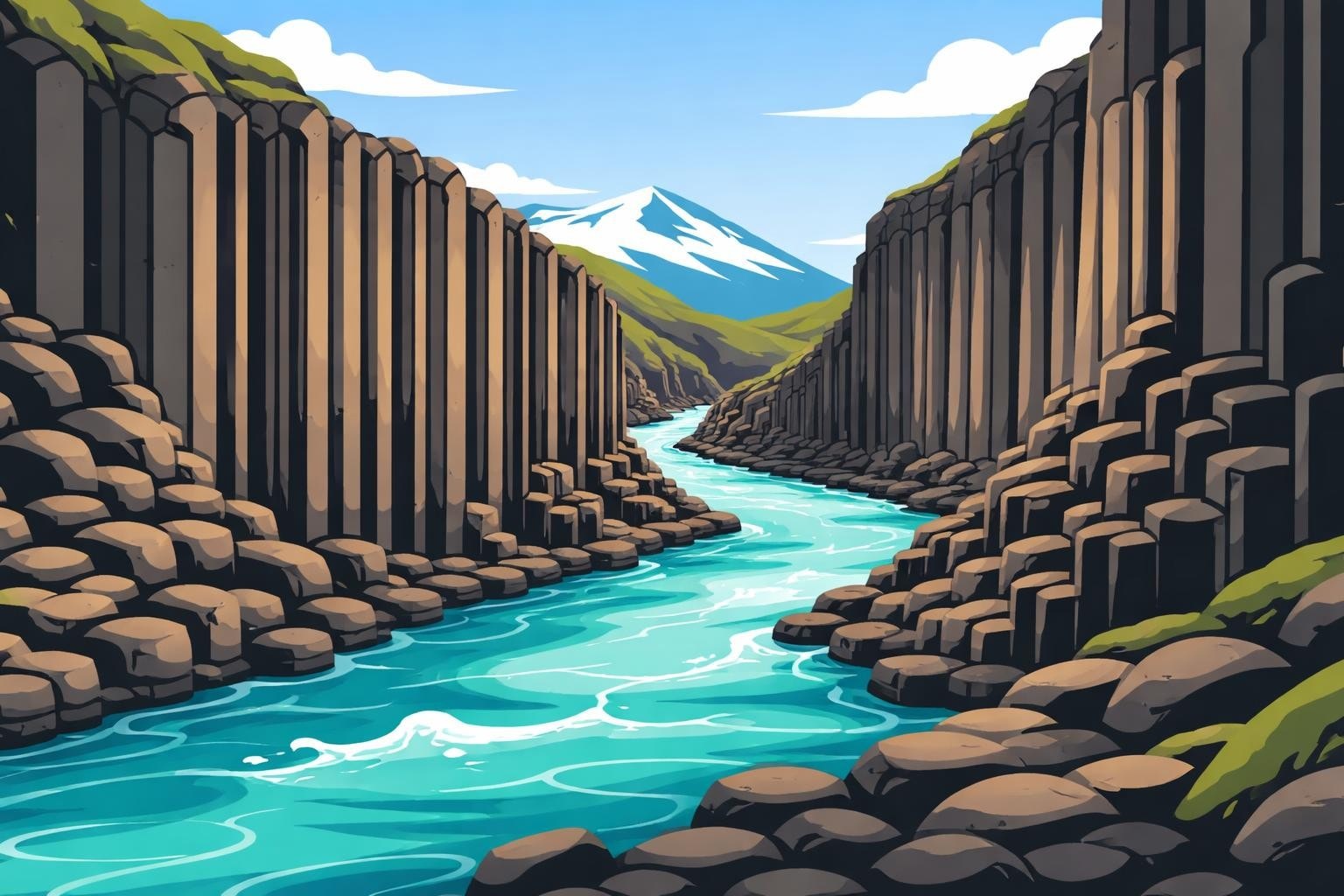
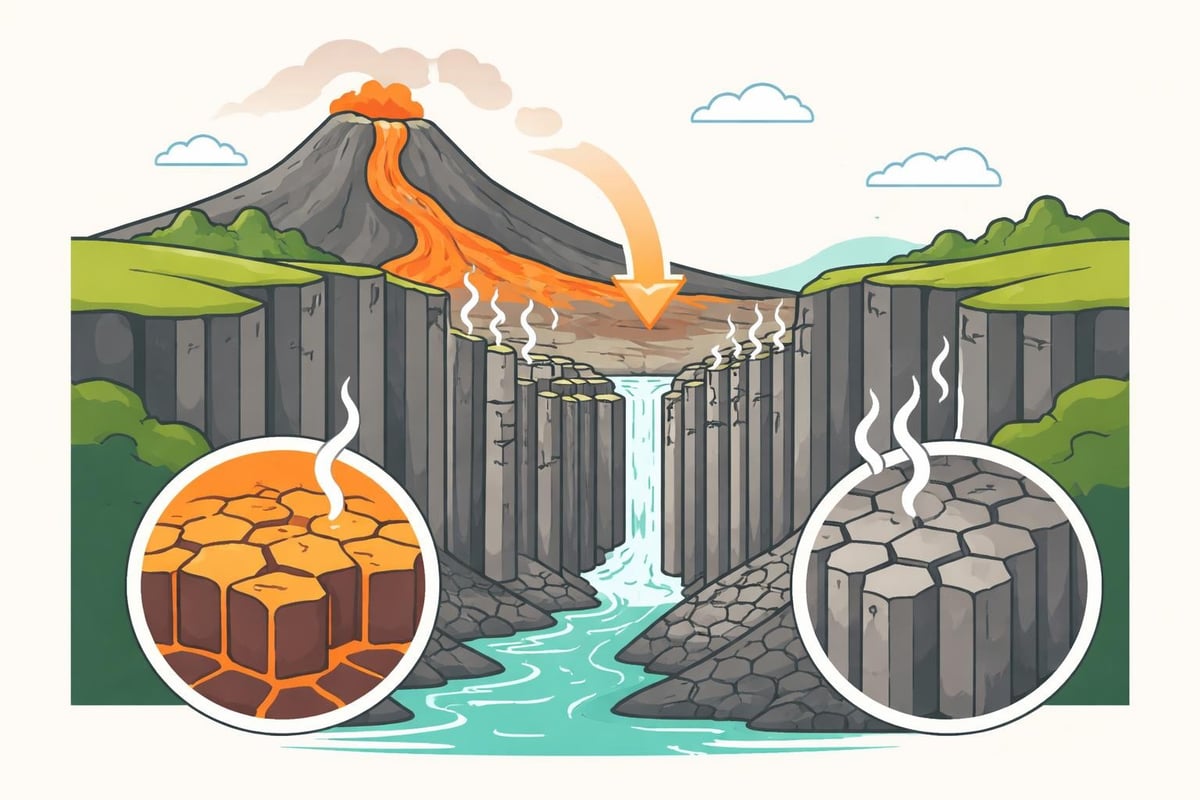
The formation of stuðlagil began approximately two million years ago during intense volcanic activity in eastern Iceland. As lava flows cooled rapidly, they underwent a process called columnar jointing, creating the distinctive hexagonal basalt pillars that define the canyon today. These geometric formations result from contraction and fracturing as molten rock solidified, producing columns that can reach heights exceeding 30 meters in some sections.
The geological significance of Stuðlagil Canyon extends beyond visual impact. The basalt columns demonstrate textbook examples of how cooling rates and mineral composition influence rock formation patterns. Different sections of the canyon display varying column sizes and orientations, providing geologists with valuable insights into the volcanic history of this region.
Understanding the Basalt Column Formation
The hexagonal shape characteristic of stuðlagil columns occurs naturally when basaltic lava cools uniformly from multiple directions. This creates stress patterns that fracture the rock into polygonal shapes, with hexagons being the most efficient geometric form.
Key formation factors include:
- Lava composition and viscosity levels
- Cooling rate and environmental temperature
- Presence of water or ice during solidification
- Underground versus surface flow dynamics
- Regional tectonic activity patterns
The Jökulsá á Brú river carved through these formations over millennia, gradually exposing the vertical columns and creating the canyon walls visitors admire today.
The Kárahnjúkar Transformation
Perhaps the most remarkable aspect of stuðlagil's modern history involves its accidental revelation through hydropower development. Before 2009, the Jökulsá á Brú river ran high and turbulent through the canyon, obscuring most of the basalt columns beneath churning glacial water. The construction of the Kárahnjúkar Hydropower Plant fundamentally altered this dynamic.
When the dam began operations, it significantly reduced water flow through the canyon. The river level dropped dramatically, exposing basalt formations that had remained hidden for thousands of years. This transformation turned stuðlagil from an unremarkable gorge into one of Iceland's most photographed natural wonders.
| Period | Water Level | Visibility | Tourist Interest |
|---|---|---|---|
| Pre-2009 | High, turbulent | Columns mostly submerged | Minimal awareness |
| 2009-2015 | Reduced flow | Partial column exposure | Growing discovery |
| 2016-2026 | Low, stable | Full column visibility | Major destination |
The impact of the Kárahnjúkar Hydropower Plant on stuðlagil represents an unusual case where industrial development inadvertently created a tourist attraction. The reduced flow revealed approximately 20-25 meters of previously submerged basalt, fundamentally changing the canyon's character and accessibility.
Planning Your Visit to Stuðlagil Canyon
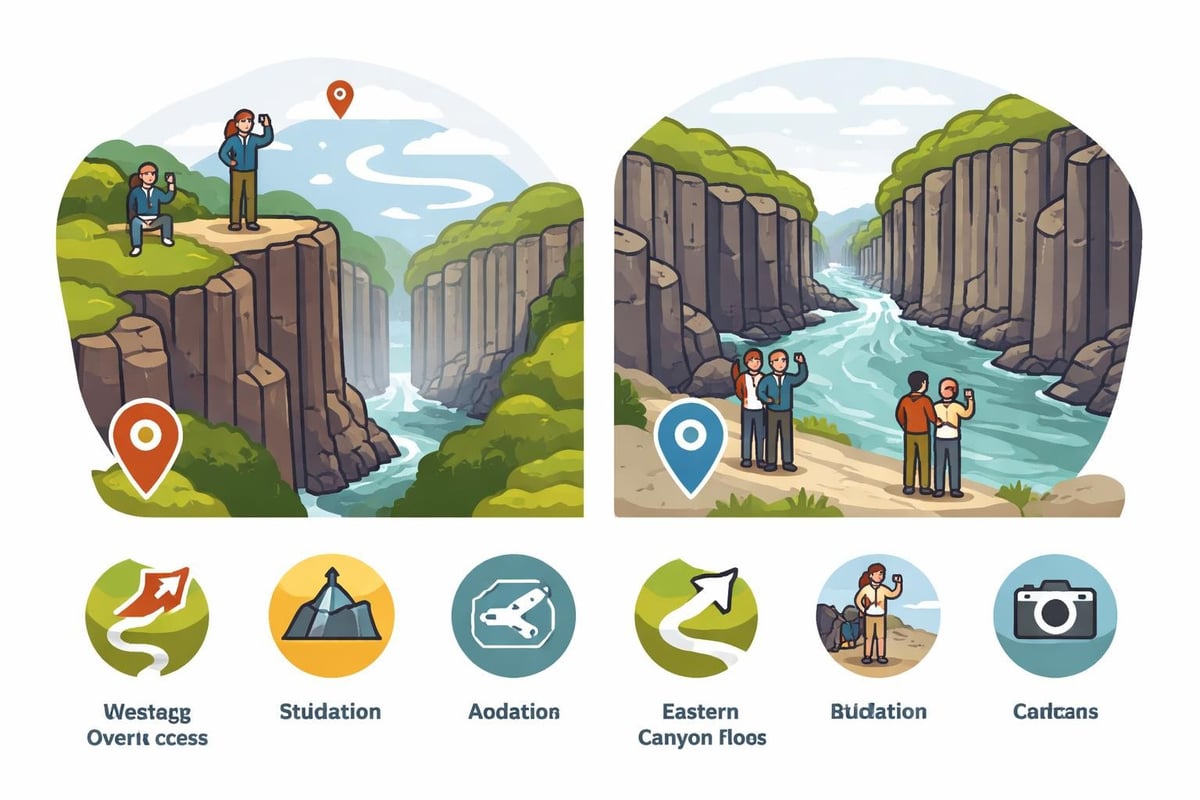
Visiting stuðlagil requires careful planning, as the canyon sits in a remote area of eastern Iceland, approximately 80 kilometers from Egilsstaðir. Two primary access points serve visitors, each offering distinct perspectives and experiences. The western approach provides easier parking and a shorter walk to viewpoints overlooking the canyon from above. The eastern route involves a longer hike but rewards visitors with access to the canyon floor and intimate views of the basalt columns.
Western Access Route Details
The western parking area, located off Route 923, offers the most straightforward access for travelers with limited time. From this approach, visitors walk approximately 1.5 kilometers along a well-maintained path to reach spectacular overlook points. This route works well for those prioritizing photography from elevated positions or travelers who prefer shorter walks.
Western route advantages:
- Shorter walking distance (approximately 30 minutes round trip)
- Panoramic canyon views from above
- Better accessibility for varied fitness levels
- Superior lighting conditions during afternoon hours
- Less crowded during peak season months
Eastern Access Considerations
The eastern approach begins from a parking area accessed via Route 1 and Route 923. This route involves approximately three kilometers of walking each direction, including some elevation changes. However, reaching the canyon floor provides unmatched proximity to the basalt columns and allows visitors to stand beside the turquoise waters of Jökulsá á Brú.
The eastern path includes some uneven terrain and requires moderate fitness levels. Weather conditions can significantly impact trail difficulty, particularly during wet periods when paths become muddy. Most visitors allocate 2-3 hours for the complete eastern route experience, including time for photography and exploration along the riverbank.
Optimal Visiting Conditions and Timing
The question of when to visit stuðlagil depends on multiple factors including weather preferences, crowd tolerance, and lighting priorities for photography. Summer months from June through August offer the most reliable weather and longest daylight hours, but these advantages come with significantly increased visitor numbers. The best times to visit Stuðlagil Canyon balance accessibility with experience quality.
Seasonal Comparison for Stuðlagil
| Season | Temperature Range | Daylight Hours | Road Conditions | Crowd Levels | Photography Light |
|---|---|---|---|---|---|
| Spring (Apr-May) | 0-10°C | Increasing | Variable, some snow | Low-Moderate | Excellent golden hour |
| Summer (Jun-Aug) | 10-15°C | 18-24 hours | Excellent | High | Consistent but flat midday |
| Autumn (Sep-Oct) | 5-10°C | Decreasing | Good early, deteriorating | Moderate | Dramatic, changing conditions |
| Winter (Nov-Mar) | -5 to 5°C | 4-6 hours | Challenging, 4WD required | Very low | Limited window, stunning when clear |
Spring and autumn shoulder seasons offer compelling advantages for visitors who can tolerate less predictable weather. May and September typically provide excellent lighting conditions without summer crowds, though travelers should prepare for variable weather including sudden changes in temperature and precipitation.
Photography Strategies for Stuðlagil
Capturing the essence of stuðlagil through photography requires understanding how light interacts with the canyon at different times. The turquoise color of the river results from glacial flour, fine rock particles suspended in the water that scatter light in specific wavelengths. This color appears most vivid under overcast conditions when diffused light eliminates harsh shadows and glare.
Professional photography considerations:
- Equipment selection - Wide-angle lenses capture canyon scale, while telephoto options isolate column details
- Timing strategies - Overcast days enhance water color, while sunny conditions create dramatic shadow patterns
- Composition approaches - Include river foreground with column backgrounds for depth and context
- Stability requirements - Tripods essential for long exposures that smooth water movement
- Filter applications - Polarizing filters reduce glare and enhance color saturation in water
The contrast between geometric basalt formations and organic river flow creates natural compositional tension. Many photographers position themselves to capture both elements simultaneously, using the river's curves to lead viewers' eyes toward the towering columns.
Combining Stuðlagil With Extended Iceland Exploration
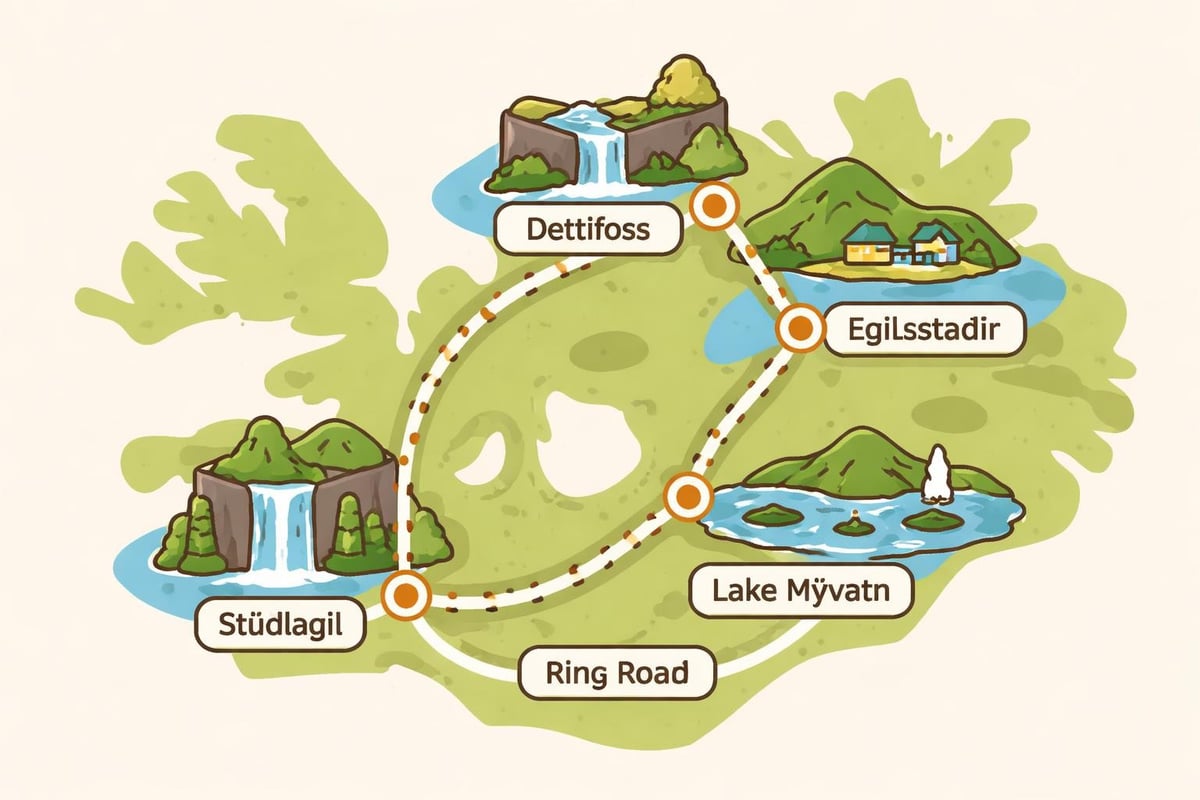
Travelers investing time to reach stuðlagil often integrate the canyon into broader eastern Iceland itineraries. The region contains numerous attractions that complement a canyon visit, including Dettifoss waterfall, Lake Mývatn's geothermal areas, and the remote highlands of the interior. Similar to how visitors explore Iceland's best waterfalls across multiple regions, planning efficient routes maximizes limited travel time.
Regional Attractions Near Stuðlagil
The town of Egilsstaðir serves as the primary base for exploring stuðlagil and surrounding areas. This regional center offers accommodation options, dining facilities, and supply opportunities before venturing into more remote territory. Travelers following Iceland's famous Ring Road can incorporate stuðlagil as a detour that adds approximately half a day to their journey.
Complementary eastern Iceland destinations:
- Hengifoss waterfall, featuring distinctive red clay layers between basalt strata
- Lagarfljót lake and the surrounding forest area, rare in Iceland
- Seyðisfjörður fjord town, known for colorful architecture and artistic community
- Vök Baths geothermal spa offering floating pools with mountain views
- Wilderness areas perfect for aurora viewing during winter months
Visitors pursuing northern lights experiences often appreciate combining daytime geological exploration with evening aurora chasing. Just as exploring locations like Grjótagjá cave offers unique daytime experiences, stuðlagil provides remarkable daylight attractions in regions that become prime aurora viewing territory after dark.
Safety and Environmental Considerations
Responsible visitation of stuðlagil protects both visitors and the fragile environment surrounding the canyon. The area lacks formal infrastructure like guardrails or marked paths in many sections, placing responsibility on individual travelers to assess risks and make appropriate decisions. Weather conditions change rapidly in Iceland's highlands, with fog, rain, and wind appearing with minimal warning.
Essential Safety Protocols
Visitors should maintain safe distances from canyon edges, particularly along the western overlook route where drops exceed 30 meters in some locations. The basalt formations, while visually stable, can include loose rocks and unstable footing. Eastern route travelers crossing streams or approaching the riverbank must recognize that glacial rivers carry strong currents despite appearing calm on the surface.
The remote location of stuðlagil means emergency services require extended response times. Mobile phone coverage remains unreliable throughout much of the area, making self-sufficiency crucial for visitor safety.
Critical preparation elements include:
- Weather-appropriate layered clothing and waterproof outer shells
- Sturdy hiking boots with ankle support and aggressive tread
- Emergency supplies including first aid materials and extra food
- Detailed maps and navigation tools functioning without internet connectivity
- Communication plans and expected return times shared with others
Environmental protection requires visitors to practice Leave No Trace principles rigorously. The increasing popularity of stuðlagil has introduced pressures on vegetation and soil stability around access routes. Staying on established paths, packing out all waste, and avoiding disturbance to river ecosystems preserves the site for future visitors.
Cultural Context and Local Perspectives
Understanding stuðlagil within Iceland's broader cultural framework enhances visitor appreciation. The name itself translates roughly to "basalt column ravine," a characteristically descriptive Icelandic place name that prioritizes geographical accuracy over romantic interpretation. This practical naming convention reflects cultural values that emphasize directness and connection to landscape features.
Local communities in eastern Iceland have experienced significant tourism increases since stuðlagil's popularity surged after 2015. While this growth brings economic benefits, it also introduces challenges related to infrastructure development, seasonal employment patterns, and maintaining quality of life for year-round residents. Responsible visitors recognize these dynamics and support local businesses through purchases and services.
The official information provided by East Iceland tourism authorities reflects efforts to balance visitor access with preservation needs. These local organizations work to develop sustainable tourism practices that protect natural resources while providing economic opportunities for regional communities.
Stuðlagil in Iceland's Natural Wonder Portfolio
Iceland contains numerous examples of exceptional basalt formations, from the famous columns at Svartifoss waterfall to the hexagonal pavement at the Westfjords region. Stuðlagil distinguishes itself through the dramatic scale of exposed columns combined with the striking color contrast provided by the glacial river. While formations like those at Svartifoss offer similar geological interest, stuðlagil's sheer expanse creates a uniquely impressive visual experience.
The canyon represents just one element in Iceland's extraordinary concentration of geological phenomena. Travelers exploring the country encounter active volcanic systems, massive glaciers, powerful waterfalls, and geothermal features within relatively compact geographical areas. This density of natural attractions allows visitors to experience remarkable diversity during single trips, making Iceland particularly appealing for travelers interested in earth sciences and natural beauty.
Comparing Iceland's Geological Destinations
| Destination | Primary Feature | Accessibility | Crowd Level | Unique Characteristics |
|---|---|---|---|---|
| Stuðlagil | Basalt canyon | Moderate | Growing | Turquoise river, column scale |
| Svartifoss | Waterfall with columns | Easy | High | Water cascading over basalt |
| Diamond Beach | Ice on black sand | Easy | Very high | Glacier ice, volcanic sand |
| Landmannalaugar | Rhyolite mountains | Challenging | Moderate | Multicolored peaks, hot springs |
Understanding these comparative contexts helps travelers prioritize destinations based on personal interests, physical capabilities, and time availability. Those fascinated by basalt formations specifically may choose to visit multiple column sites during their Iceland journey.
Practical Logistics and Regional Services
Reaching stuðlagil from Reykjavik requires either a lengthy drive of approximately 650 kilometers via the Ring Road or domestic flight connections to Egilsstaðir followed by ground transportation. Most visitors allocate multiple days for eastern Iceland exploration, making the significant travel investment worthwhile through experiencing numerous regional attractions.
Rental vehicle selection matters considerably for stuðlagil access. While standard two-wheel-drive vehicles suffice during summer months on Route 923, higher-clearance options provide added security on unpaved sections. Winter visitation requires four-wheel-drive capabilities and experience navigating challenging road conditions.
Accommodation options in the region range from camping facilities to guesthouses and hotels in Egilsstaðir. Advance booking becomes essential during peak summer months when availability tightens significantly. Travelers extending their stay often discover that eastern Iceland's relatively lower tourism density compared to southern regions creates more relaxed experiences at popular sites.
Regional service availability:
- Fuel stations concentrated in Egilsstaðir and larger towns
- Grocery and supply options limited outside population centers
- Restaurant choices vary seasonally with tourist volumes
- Emergency services based in Egilsstaðir with extended response times
- Guided tour operations offering transportation and expertise
Independent travelers should prepare thoroughly for extended periods without services, particularly when exploring areas beyond immediate town vicinity. Those preferring supported experiences can access various tour operators providing transportation and interpretation.
The Discovery and Evolution of Tourism at Stuðlagil
The transformation of stuðlagil from unknown gorge to Instagram phenomenon occurred remarkably rapidly in geological terms. Details about the canyon's revelation indicate that widespread awareness began developing around 2016-2017 as early visitors shared dramatic photographs through social media platforms. This viral exposure created exponential growth in visitation that continues accelerating through 2026.
This discovery pattern reflects broader changes in how travelers identify and prioritize destinations. Traditional guidebooks and tour operator routes once dominated destination selection, but modern travelers increasingly rely on visual platforms and peer recommendations. Stuðlagil exemplifies how stunning photography combined with relative accessibility can rapidly transform obscure locations into must-visit destinations.
The rapid tourism growth presents both opportunities and challenges for local management. Unlike established attractions with decades of infrastructure development, stuðlagil must accommodate increasing visitation while developing appropriate facilities and protection measures. This dynamic situation requires ongoing adaptation from local authorities, tour operators, and visitors themselves.
Visitor Growth Trajectory
Early visitors to stuðlagil enjoyed nearly solitary experiences, encountering few other travelers during canyon visits. Current conditions during summer peak season may involve dozens of simultaneous visitors at popular viewpoints, fundamentally changing the experience character. Those seeking solitude increasingly visit during shoulder seasons or early morning hours when fewer people access the site.
Understanding this evolution helps set appropriate expectations and guides timing decisions for prospective visitors. The canyon's inherent beauty remains unchanged by crowds, but the visitor experience differs significantly based on seasonal timing and daily scheduling choices.
Enhanced Experiences Through Expert Guidance
While stuðlagil remains accessible to independent travelers willing to navigate logistics and plan thoroughly, guided experiences offer distinct advantages. Local guides provide geological interpretation that deepens understanding of formation processes and regional context. They also navigate efficiently to optimal viewing locations and time visits to minimize crowds while maximizing lighting conditions.
Professional guides familiar with stuðlagil and surrounding regions often combine canyon visits with lesser-known sites that independent travelers might overlook. This expertise creates more comprehensive experiences that showcase eastern Iceland's full diversity rather than focusing exclusively on single headline attractions. The knowledge shared during guided experiences enriches appreciation and creates memorable learning opportunities beyond simple sightseeing.
For visitors pursuing multiple Icelandic experiences during single trips, efficient planning becomes crucial. Those interested in combining geological wonders with phenomena like the aurora borealis benefit from itineraries that optimize time allocation across diverse experiences throughout their journey.
Stuðlagil Canyon stands as a testament to Iceland's ongoing geological dynamism and the surprising ways human activity can reveal natural beauty. Whether you explore the western overlooks or venture to the canyon floor, this basalt wonder delivers unforgettable experiences that showcase the raw power of volcanic forces and glacial processes working across millennia. After experiencing Iceland's daytime geological marvels, Reykjavik Northern Lights can help you discover the country's most spectacular nighttime phenomenon through expertly guided aurora tours that combine professional sky routing with warm Icelandic hospitality, ensuring your complete Iceland adventure covers both earth and sky.