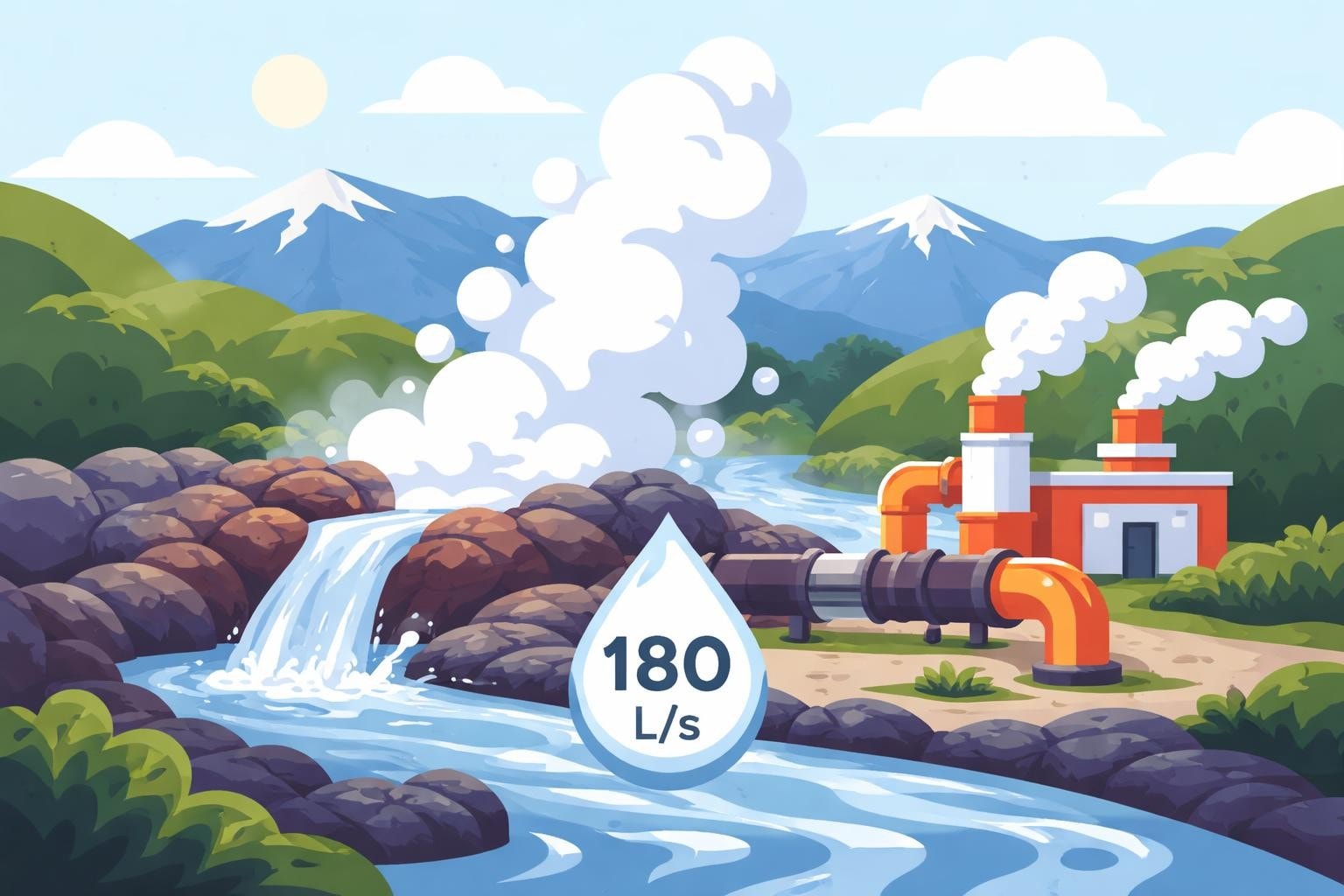
Iceland's geothermal landscape offers countless natural wonders, but few match the raw power and energy output of Deildartunguhver. Located in the western region of Borgarfjörður, this extraordinary hot spring represents the pinnacle of geothermal activity in Europe. With water temperatures reaching 97°C (207°F) and a flow rate that powers entire communities, Deildartunguhver stands as a testament to Iceland's volcanic energy and sustainable approach to natural resources. For travelers exploring Iceland's geological marvels between northern lights tours, this hot spring offers a compelling glimpse into the forces shaping the island nation.
Understanding Deildartunguhver's Geothermal Power
Deildartunguhver holds the distinction of being Europe's most powerful hot spring based on its exceptional flow rate and energy output. The spring produces approximately 180 liters of boiling water per second, creating a spectacle of steam and geothermal activity visible from considerable distances.
Flow Rate and Temperature Specifications
The numbers behind Deildartunguhver's power tell a remarkable story of natural energy generation. Unlike smaller hot springs that serve primarily as tourist attractions, this geothermal giant functions as a critical infrastructure component for surrounding communities.
| Measurement | Specification |
|---|---|
| Water Flow Rate | 180 liters per second |
| Water Temperature | 97°C (207°F) |
| Geographic Location | Borgarfjörður, Western Iceland |
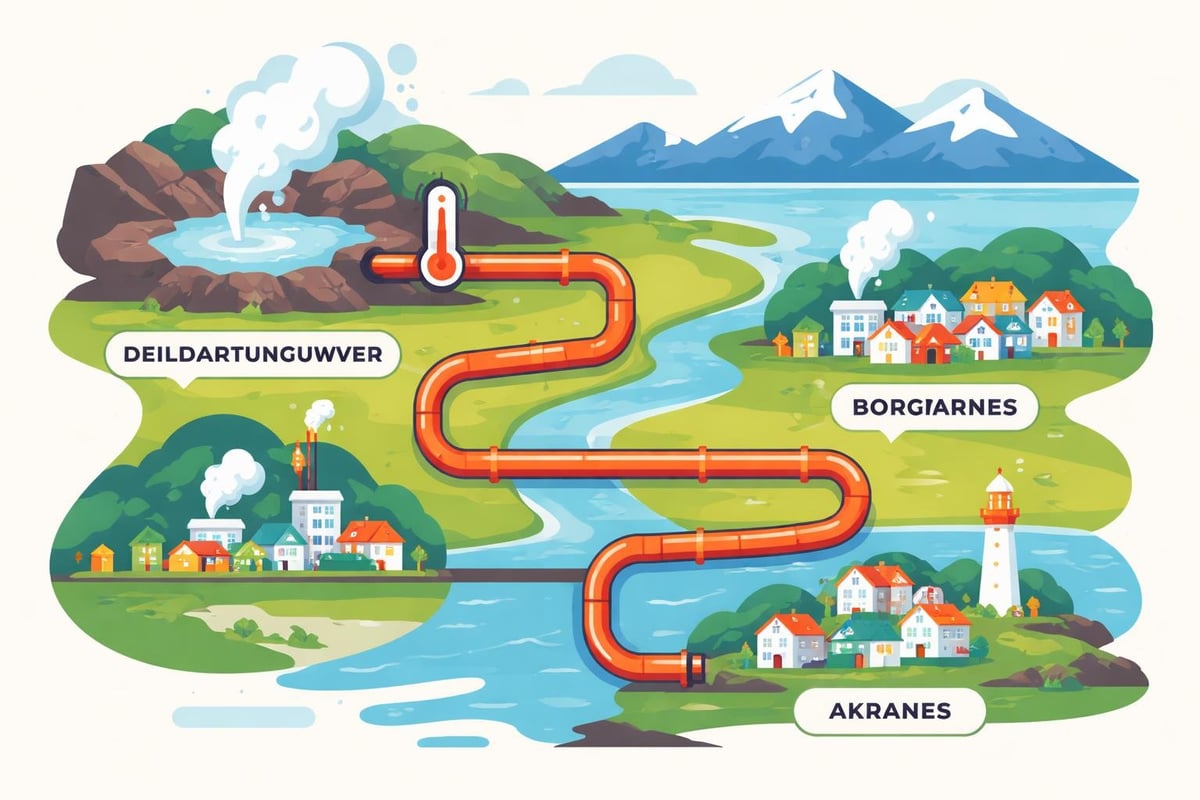
| Energy Output | Heats Borgarnes and Akranes |
| Distance to Reykjavik | Approximately 100 km |
The high temperature and flow rate make Deildartunguhver uniquely powerful among European geothermal features. This combination allows the spring to serve practical heating purposes rather than existing solely as a natural curiosity.
Geothermal Energy Applications and Sustainability
Iceland has mastered the art of harnessing geothermal energy for practical applications, and Deildartunguhver exemplifies this approach perfectly. The hot spring's output doesn't simply evaporate into the atmosphere but instead powers heating systems across multiple municipalities.
Heating Infrastructure and Community Benefits
The geothermal water from Deildartunguhver travels through an extensive pipeline network reaching the towns of Borgarnes and Akranes. This infrastructure represents one of Iceland's longest hot water pipelines, spanning approximately 64 kilometers to deliver sustainable heating.
Key applications include:
- Residential heating for thousands of homes
- Commercial building climate control
- Greenhouse agriculture enabling year-round crop production
- Industrial processes requiring consistent heat sources
- Municipal water heating systems
Iceland's sustainable energy practices have positioned the country as a global leader in renewable resource utilization. Deildartunguhver serves as a prime example of converting natural phenomena into reliable energy infrastructure without depleting resources or generating harmful emissions.
The greenhouse applications deserve particular attention. Using geothermal heat, farmers cultivate vegetables, flowers, and other plants throughout Iceland's harsh winters. This agricultural innovation reduces food import dependency while maintaining environmental sustainability.
Visiting Deildartunguhver: What to Expect
Travelers planning to visit Deildartunguhver will find the experience markedly different from other Icelandic hot springs. Rather than a bathing destination, this site offers observation opportunities and educational value about geothermal processes.
Site Layout and Safety Considerations
The viewing area at Deildartunguhver features raised wooden walkways allowing visitors safe proximity to the boiling springs. Steam rises constantly from multiple vents, creating dramatic visual effects particularly striking during cooler months.
Safety features and restrictions:
- Designated viewing platforms only
- No direct water contact permitted
- Protective barriers around active vents
- Warning signs in multiple languages
- Recommended minimum safe distances
The extreme temperatures make Deildartunguhver unsuitable for bathing or direct interaction. However, this limitation doesn't diminish the site's appeal. The sheer power visible in the churning, bubbling water and constant steam production creates a memorable experience.
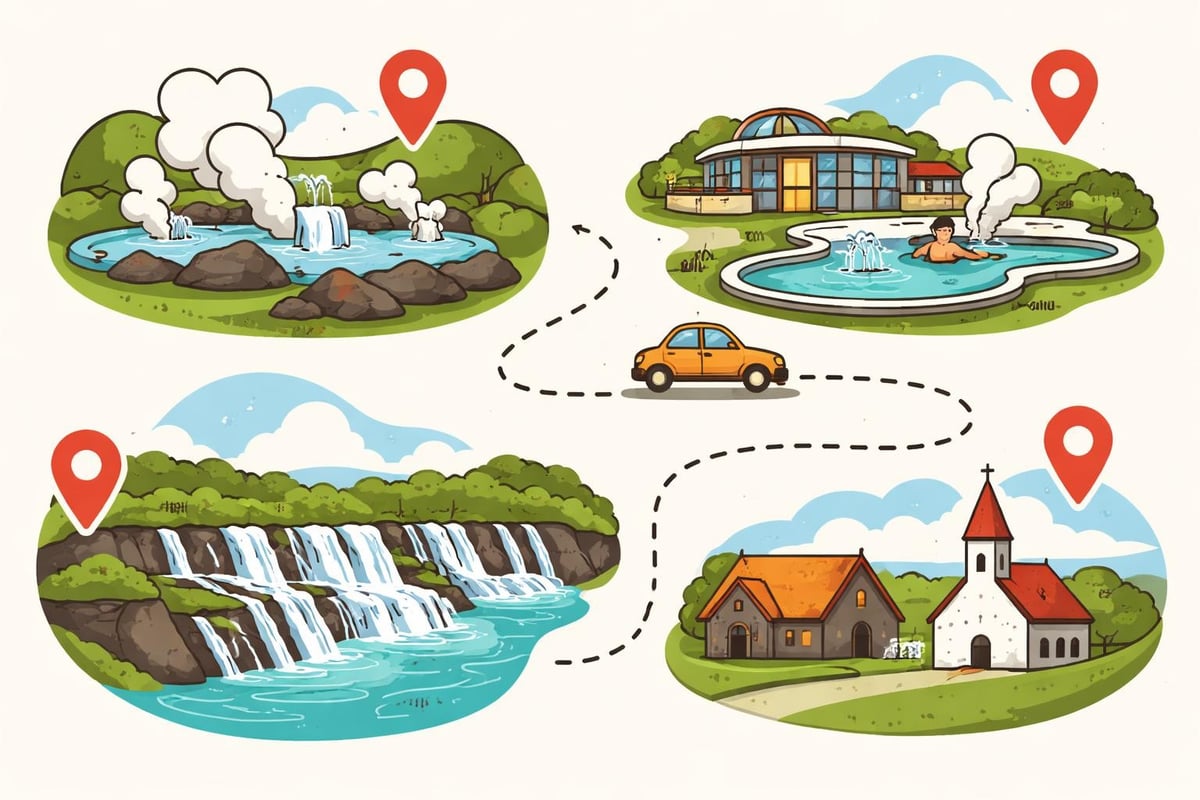
Many visitors combine their Deildartunguhver stop with other western Iceland attractions, creating comprehensive day trips from Reykjavik. The location's accessibility makes it easy to incorporate into broader itinerary planning.
Krauma Geothermal Baths: Harnessing Deildartunguhver's Energy
While visitors cannot bathe in Deildartunguhver itself, the adjacent Krauma geothermal spa offers an opportunity to experience the spring's water in a controlled, comfortable environment. Krauma opened in 2017 specifically to provide bathing facilities using Deildartunguhver's geothermal output.
Spa Facilities and Temperature Management
Krauma features multiple baths with varying temperatures, each carefully regulated by mixing Deildartunguhver's scalding water with cold glacial water from the nearby Ok glacier. This blending creates optimal bathing temperatures while preserving the mineral content and geothermal character.
| Bath Type | Temperature Range | Purpose |
|---|---|---|
| Hot Pools | 38-41°C | Relaxation and circulation |
| Cold Pool | 5-8°C | Invigoration and contrast therapy |
| Sauna | 80-85°C | Deep heat therapy |
| Relaxation Room | 20-22°C | Post-bath recovery |
The Krauma Spa experience combines modern spa amenities with traditional Icelandic bathing culture. Visitors can spend hours alternating between hot and cold pools, following time-honored Nordic wellness practices that promote circulation and relaxation.
The on-site restaurant serves traditional Icelandic fare, allowing visitors to extend their stay and fully immerse themselves in the geothermal experience. This combination of natural wonder observation and spa relaxation creates a comprehensive geothermal tourism experience.
Historical Significance and Cultural Context
Deildartunguhver's history extends beyond modern tourism and energy infrastructure. The site has held significance in Icelandic culture for centuries, with historical records documenting the spring's power and local importance.
Name Etymology and Local Lore
The name "Deildartunguhver" translates roughly to "dividing tongue hot spring," referring to the way the geothermal water splits and flows in different directions from its source. This descriptive naming follows Icelandic traditions of practical, observational place names.
Local communities have utilized Deildartunguhver's warmth for various purposes throughout history:
- Washing clothes in runoff streams
- Cooking food in naturally heated water
- Warming dwellings through primitive heating systems
- Creating microclimates for early agriculture attempts
The spring's location in Borgarfjörður places it within one of Iceland's most historically significant regions. Nearby Reykholt served as home to medieval scholar Snorri Sturluson, and the area features prominently in Iceland's sagas and historical narratives. Visitors interested in Norse mythology and history will find the broader region rich with cultural connections.
Geological Formation and Volcanic Activity
Understanding why Deildartunguhver exists requires examining Iceland's unique geological position. The island sits atop the Mid-Atlantic Ridge, where the North American and Eurasian tectonic plates diverge, creating intense volcanic and geothermal activity.
Tectonic and Volcanic Processes
The geothermal energy powering Deildartunguhver originates from magma chambers deep beneath Iceland's surface. Rainwater and snowmelt percolate down through porous volcanic rock, encountering superheated zones near these magma sources. The water rapidly heats and rises back to the surface under pressure, emerging as hot springs.
Geological characteristics of the area:
- Volcanic bedrock composed of basalt layers
- Fracture zones allowing water circulation
- Proximity to active volcanic systems
- Ongoing tectonic spreading creating fissures
- Continuous magmatic heat sources
The geological features surrounding Deildartunguhver demonstrate typical Icelandic volcanic landscape characteristics. Moss-covered lava fields, steam vents, and mineral deposits paint a picture of ongoing geological processes shaping the terrain.
This volcanic activity connects to the same forces that create Iceland's other natural wonders, from the Golden Circle attractions to the island's numerous waterfalls and glaciers. The interconnected nature of Iceland's geology makes each site part of a larger narrative about Earth's dynamic processes.
Practical Visitor Information and Planning
Incorporating Deildartunguhver into your Iceland itinerary requires some practical planning considerations. The site's location in western Iceland positions it well for various touring routes and combinations with other attractions.
Access and Transportation Options
Deildartunguhver sits approximately 100 kilometers from Reykjavik, making it accessible as a day trip or as part of longer western Iceland explorations. Multiple transportation options serve visitors with different preferences and budgets.
Transportation methods:
- Rental car: Most flexible option, allowing exploration at your own pace
- Tour buses: Convenient for those preferring guided experiences
- Private tours: Customizable itineraries with expert local guides
- Public transportation: Limited but available with planning
The site features a small parking area accommodating personal vehicles and tour buses. No entrance fee applies for viewing Deildartunguhver from the designated platforms, though donations supporting site maintenance are welcomed.
Visitors should allocate 30-45 minutes for exploring the viewing areas and reading interpretive signs explaining the geothermal processes. Those planning to visit Krauma Spa should budget at least two additional hours for a meaningful spa experience.
Seasonal Considerations and Optimal Visiting Times
Iceland's dramatic seasonal variations affect the Deildartunguhver experience in several ways. While the hot spring maintains consistent activity year-round, surrounding conditions and visual drama change substantially between seasons.
Winter Versus Summer Experiences
Winter visits to Deildartunguhver offer perhaps the most visually striking experience. When air temperatures plunge below freezing, the contrast between scalding water and arctic air creates massive steam plumes visible from considerable distances. The steam interacts with cold air, sometimes forming ice crystals that catch sunlight in spectacular displays.
Winter advantages:
- Dramatic steam production and visibility
- Possibility of northern lights viewing in the area
- Fewer crowds compared to summer months
- Enhanced contrast between heat and cold
- Connection with other winter activities
Summer visits provide different benefits, including extended daylight hours allowing more flexible scheduling and easier driving conditions for those uncomfortable with winter roads. The surrounding landscape shows its green, vibrant character, and the midnight sun phenomenon creates unique lighting conditions.
Travelers planning northern lights tours between September and April might coordinate a Deildartunguhver visit with their aurora hunting activities, maximizing their western Iceland experience during a single trip.
Environmental Impact and Conservation Efforts
Iceland's commitment to sustainable tourism extends to managing natural sites like Deildartunguhver. Balancing public access with environmental protection requires ongoing attention and adaptive management strategies.
Sustainable Tourism Practices
The infrastructure around Deildartunguhver reflects careful environmental planning. Boardwalks and viewing platforms minimize ground disturbance while protecting sensitive geothermal features from visitor impact. Signage educates visitors about responsible behavior and the ecological significance of geothermal systems.
| Conservation Measure | Purpose | Implementation |
|---|---|---|
| Designated pathways | Prevent soil compaction | Wooden boardwalks |
| Barrier systems | Protect thermal features | Rope and post fencing |
| Educational signage | Increase awareness | Multilingual information boards |
| Monitoring systems | Track environmental changes | Regular scientific assessment |
The geothermal energy utilization from Deildartunguhver represents sustainable resource use that actually encourages conservation. By providing renewable energy for heating, the spring reduces Iceland's dependence on fossil fuels and demonstrates the practical value of protecting geothermal systems.
Visitors can support conservation efforts by respecting designated areas, following posted guidelines, and choosing tour operators committed to sustainable tourism practices. These individual choices collectively protect Iceland's natural heritage for future generations.
Nearby Attractions and Itinerary Integration
The Borgarfjörður region surrounding Deildartunguhver offers numerous additional attractions worthy of exploration. Strategic itinerary planning allows visitors to experience multiple sites efficiently while avoiding rushed scheduling.
Complementary Regional Attractions
Within a short driving radius of Deildartunguhver, travelers find several notable natural and cultural sites. These proximity advantages make the area ideal for comprehensive day trips or as part of multi-day western Iceland explorations.
Nearby points of interest:
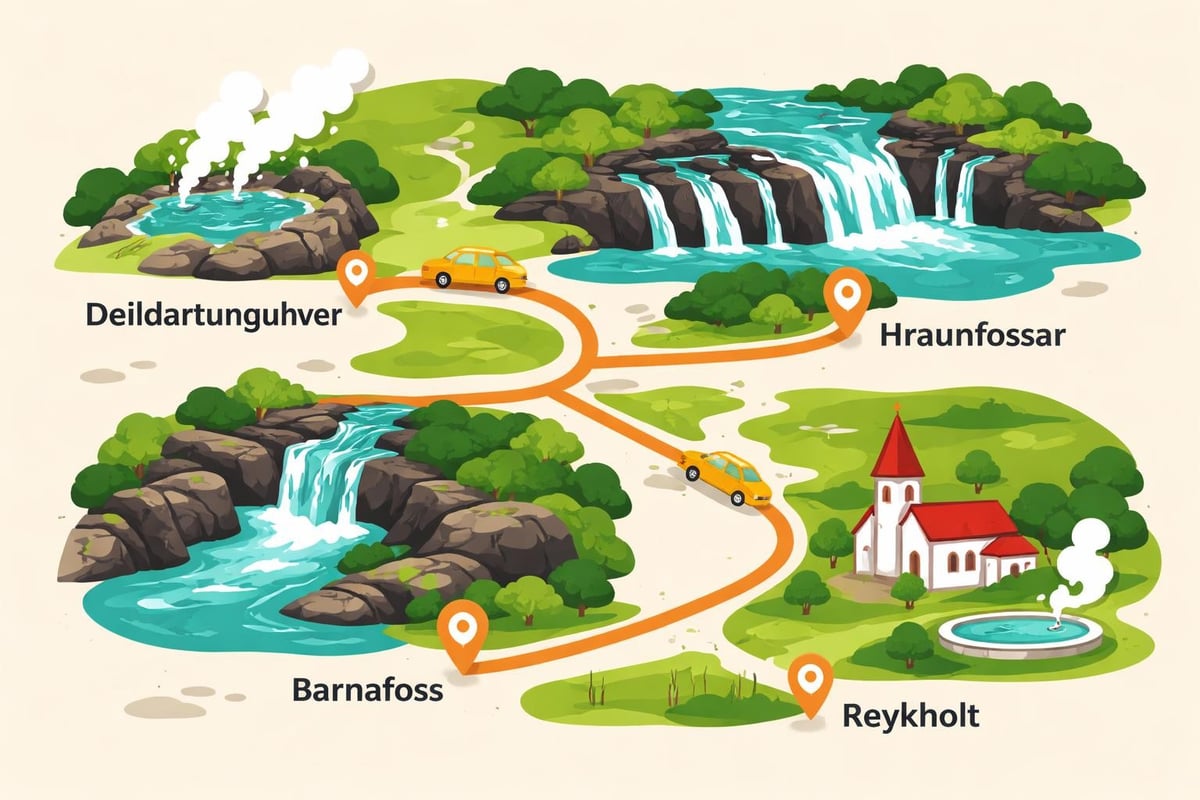
- Hraunfossar and Barnafoss waterfalls: 15 minutes away, featuring unique lava field waterfalls
- Reykholt historical site: Former home of Snorri Sturluson, Iceland's most famous medieval scholar
- Húsafell: Adventure base for glacier tours and cave exploration
- Langjökull glacier: Iceland's second-largest glacier, accessible for ice cave tours
- Víðgelmir lava cave: One of Iceland's largest and most accessible lava tubes
Many visitors create circular routes incorporating multiple attractions, maximizing their time in western Iceland. The detailed exploration of Icelandic attractions often reveals hidden gems and lesser-known sites that complement major destinations.
Those interested in extreme natural features might consider adding glacier hiking experiences or ice cave explorations to their Deildartunguhver visit, creating adventure-focused itineraries showcasing Iceland's geological diversity.
Photography and Visual Documentation
Deildartunguhver presents unique photography opportunities and challenges. The combination of steam, boiling water, and surrounding landscape creates dynamic compositions, but technical considerations affect image quality.
Camera Settings and Technique Recommendations
The constant steam production at Deildartunguhver creates atmospheric conditions that can obscure details or create unwanted moisture on camera lenses. Understanding these challenges helps photographers capture compelling images while protecting equipment.
Photography tips for optimal results:
- Use lens hoods to prevent moisture accumulation
- Bring microfiber cloths for frequent lens cleaning
- Employ faster shutter speeds to freeze steam movement
- Consider polarizing filters to manage reflections
- Shoot during golden hour for enhanced color and contrast
Winter photography at Deildartunguhver offers particularly dramatic opportunities as steam plumes rise against cold air and low-angle sunlight. The contrast between the warm geothermal activity and frozen surroundings creates compelling visual narratives about Iceland's extremes.
Video documentation captures the dynamic nature of the boiling springs more effectively than still photography in some respects. The constant movement of water and steam, combined with the sounds of geothermal activity, creates immersive content that still images cannot fully convey.