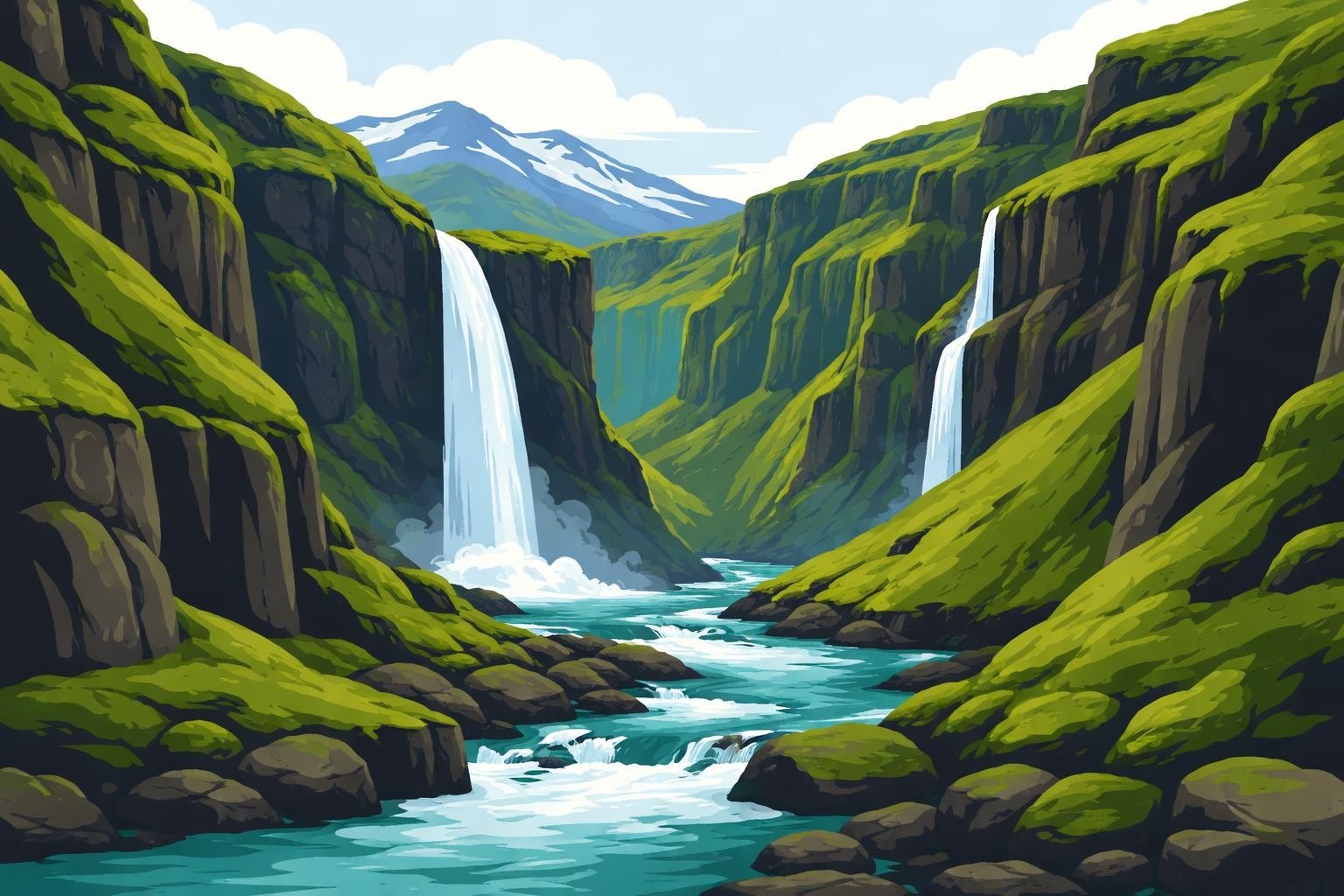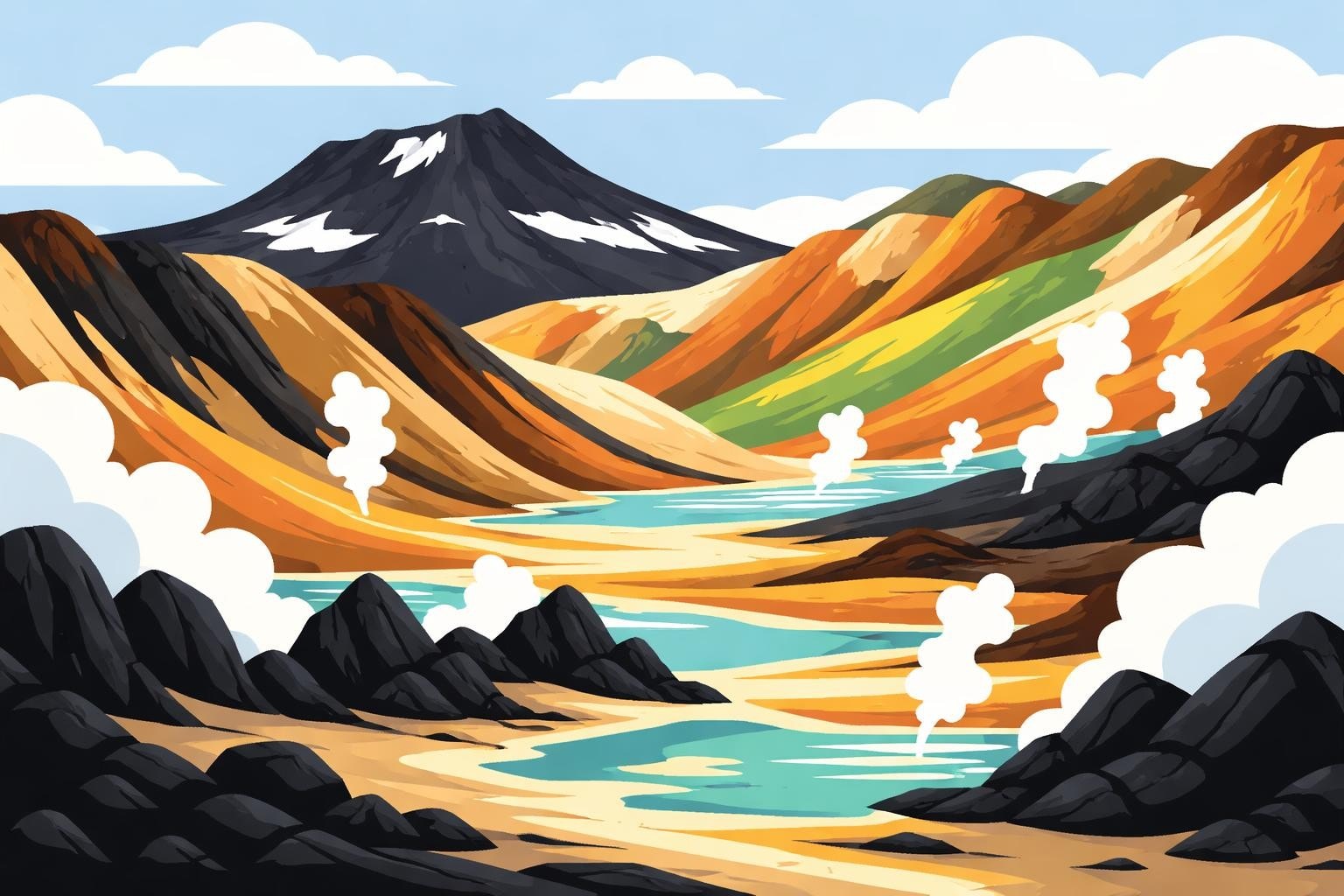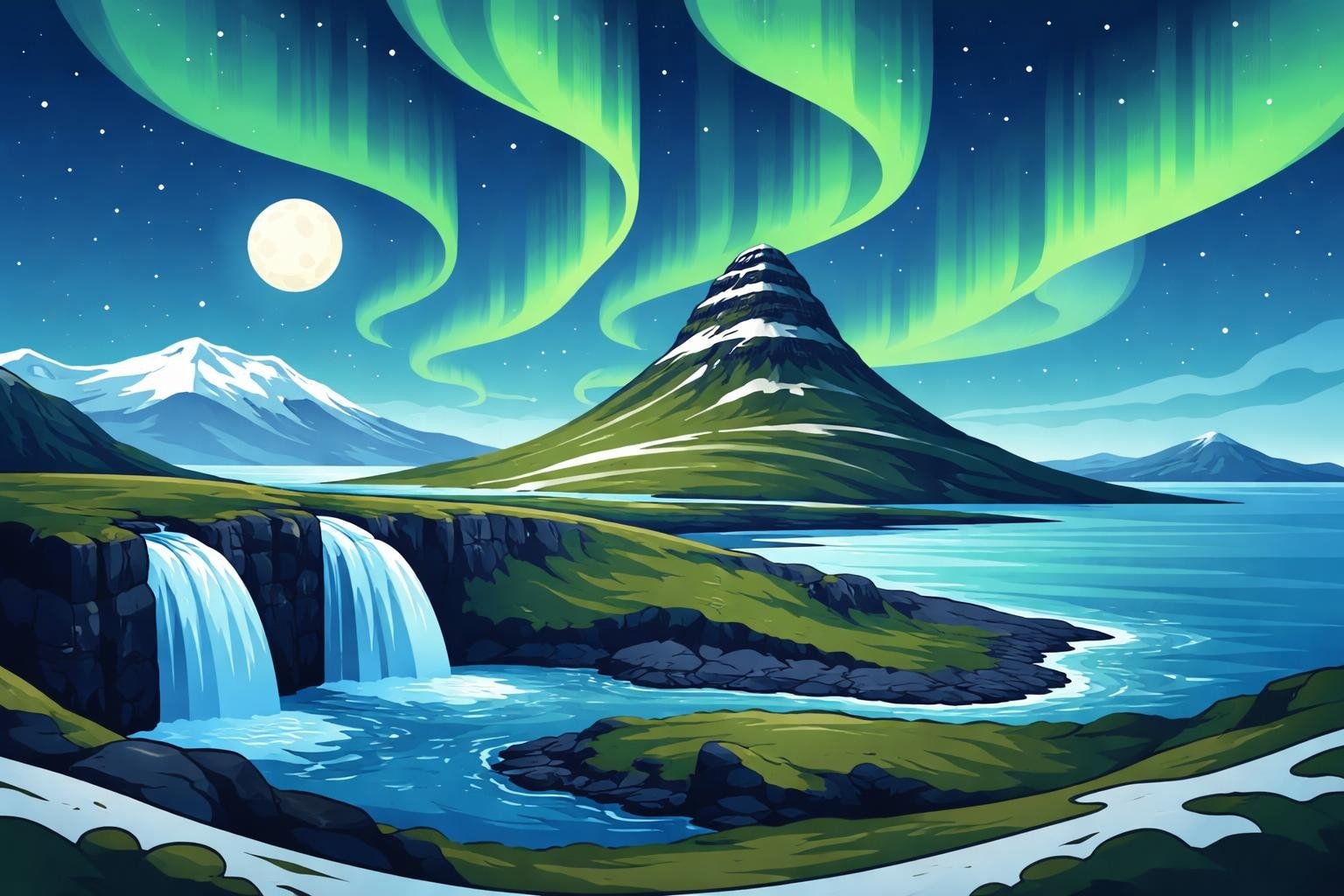
The Snaefellsnes Peninsula stands as one of Iceland's most captivating regions, offering a condensed version of the country's diverse landscapes within a compact area. This 90-kilometer stretch of land jutting into the Atlantic Ocean combines volcanic terrain, glacier-capped mountains, coastal cliffs, and charming fishing villages. For aurora chasers and nature enthusiasts, Snaefellsnes provides exceptional opportunities to witness the northern lights against breathtaking backdrops, making it an essential destination for anyone seeking Iceland's natural wonders. The peninsula's relatively low light pollution, dramatic topography, and accessible viewing locations create ideal conditions for experiencing the dancing auroras.
Geographic Features and Natural Diversity
The Snaefellsnes Peninsula showcases Iceland's geological variety in remarkable concentration. Anchored by the magnificent Snæfellsjökull glacier, a 700,000-year-old stratovolcano that rises 1,446 meters above sea level, the region offers diverse terrain that changes dramatically within short distances.
Volcanic Landscapes and Coastal Formations
This peninsula formed through intense volcanic activity over millennia, creating unique lava fields, craters, and coastal formations. The black pebble beach at Djúpalónssandur demonstrates the raw power of volcanic forces, where visitors can explore remnants of shipwrecks among smoothed stones. Lóndrangar basalt cliffs rise dramatically from the ocean, representing ancient volcanic plugs that withstood erosion while surrounding rock weathered away.
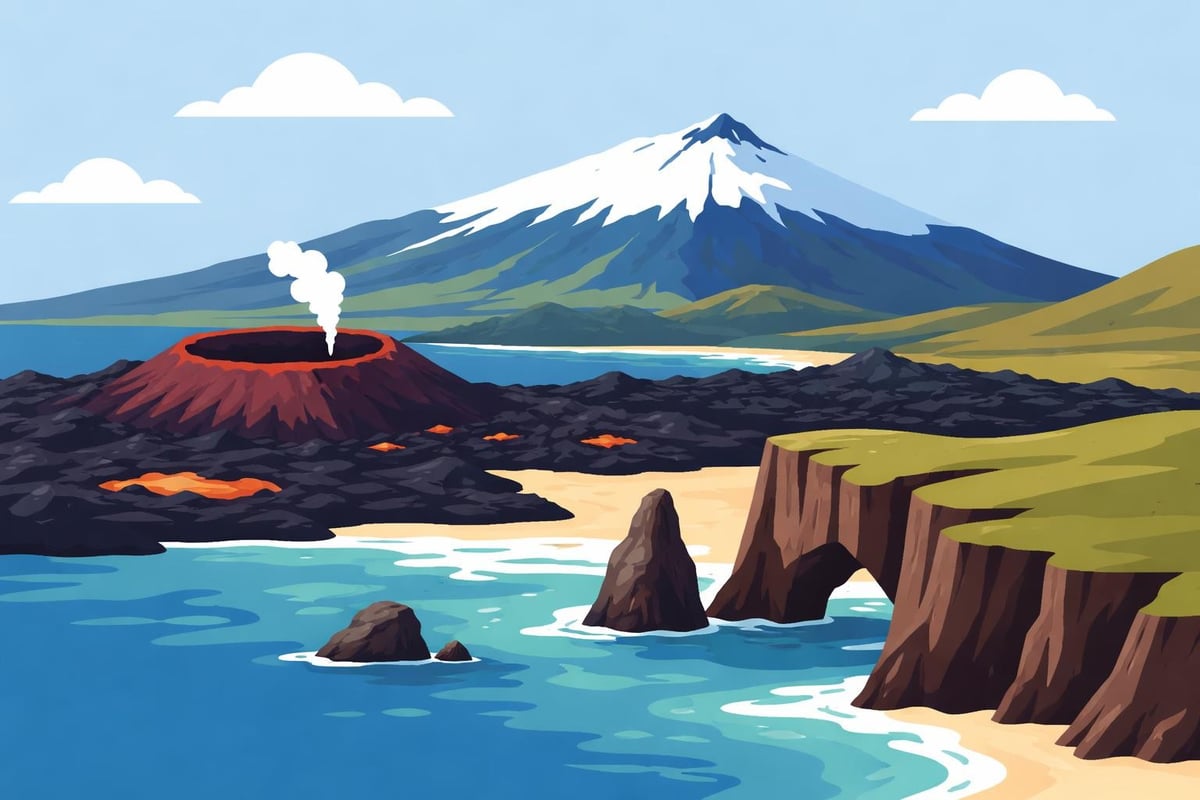
The Snæfellsnes Peninsula's natural attractions include numerous caves and grottos carved by waves and weather. Vatnshellir cave, an 8,000-year-old lava tube, extends 200 meters underground, providing glimpses into the region's volcanic past. These geological features create a landscape that appears otherworldly after dark, especially when illuminated by aurora displays.
Climate Patterns and Aurora Viewing Conditions
Weather patterns on Snaefellsnes shift rapidly due to its exposed position between ocean currents and prevailing winds. This variability affects aurora viewing opportunities throughout the winter season.
Key climate characteristics include:
- Maritime influence moderating extreme temperatures
- Frequent weather changes requiring flexibility in planning
- Microclimates varying between north and south coasts
- Clear sky opportunities interspersed with cloud systems
- Wind patterns that can clear atmospheric conditions quickly
Understanding these patterns helps visitors maximize their chances of witnessing the northern lights. The peninsula's varied geography means that when clouds cover one area, clear skies might exist just a few kilometers away, making it ideal for northern lights tours in Iceland that can adjust routes based on real-time conditions.
Cultural Heritage and Historical Significance
Beyond natural beauty, Snaefellsnes carries deep cultural importance in Icelandic history and literature. The region features prominently in medieval sagas and maintains strong connections to Iceland's seafaring traditions.
Literary Legacy and Modern Recognition
Jules Verne immortalized Snæfellsjökull in his novel "Journey to the Center of the Earth," designating the glacier as the entry point for his fictional expedition. This literary connection draws visitors seeking locations from classic literature while appreciating the mystical qualities that inspired such imagination. According to Wikipedia's entry on Snæfellsjökull, many believe the mountain possesses special energy and spiritual significance.
The peninsula also appears in several Icelandic sagas, including tales of settlers who established communities along its shores during Iceland's settlement era. These historical narratives provide context for understanding the fishing villages and churches that dot the coastline today.
Fishing Villages and Local Communities
Several charming settlements preserve traditional Icelandic coastal life while adapting to modern tourism demands:
| Village | Notable Features | Historical Significance |
|---|---|---|
| Arnarstapi | Ancient fishing harbor, natural rock arches | Viking-age settlement site |
| Hellnar | Coastal walking paths, café in historic building | Trading post history |
| Ólafsvík | Active fishing port, swimming pool | Oldest trading town charter |
| Grundarfjörður | Kirkjufell mountain views, modern amenities | 19th-century fishing expansion |
These communities maintain authenticity while welcoming visitors, offering insights into Icelandic culture beyond tourist attractions. Local restaurants serve fresh seafood, and family-run guesthouses provide warm hospitality characteristic of Icelandic tradition.
Prime Northern Lights Viewing Locations
The Snaefellsnes Peninsula offers numerous exceptional spots for aurora observation, each providing unique foregrounds for photography and memorable experiences.
Kirkjufell Mountain and Waterfall
Kirkjufell stands as perhaps Iceland's most photographed mountain, its distinctive cone shape creating an iconic silhouette against northern lights displays. The nearby Kirkjufellsfoss waterfall adds foreground interest for compositions, making this location particularly popular among photographers. However, its fame means crowds gather here during peak aurora activity, especially when solar forecasts predict strong displays.
Advantages of Kirkjufell for aurora viewing:
- Recognizable landmark for orientation in darkness
- Multiple viewing angles available along the road
- Relatively easy access from parking areas
- Nearby facilities in Grundarfjörður
- Waterfall provides compositional element
Visiting during weekdays or waiting until later evening hours can reduce crowds while still capturing spectacular aurora photographs above this remarkable peak.
Snæfellsjökull National Park Areas
The national park surrounding Snæfellsjökull glacier encompasses diverse viewing locations with minimal light pollution. The glacier itself provides a luminous backdrop when moonlight illuminates its ice cap, creating stunning contrasts with green and purple auroras dancing overhead.
Several parking areas within the park offer safe access to viewing spots without requiring extensive hiking in darkness. The coastal areas near Malarrif lighthouse combine seascapes with aurora reflections, while elevated viewpoints provide panoramic perspectives across the peninsula.
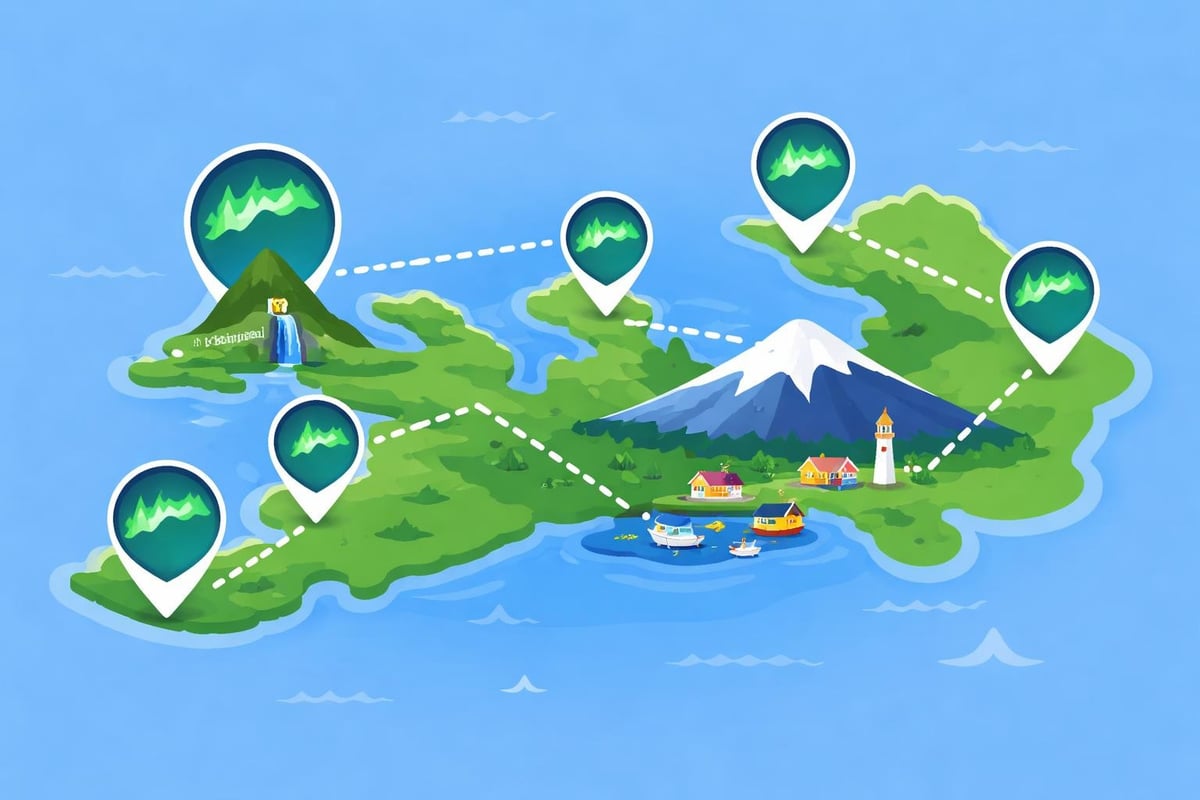
For those exploring beyond Snaefellsnes, the Westfjords region offers even more remote aurora viewing opportunities with exceptionally dark skies.
Remote Coastal Stretches
The southern coast of Snaefellsnes features long stretches of undeveloped shoreline where waves crash against black sand beaches beneath aurora displays. These locations require more careful navigation in darkness but reward visitors with solitude and unobstructed horizons.
Saxhóll crater, an easily accessible volcanic cone, provides elevated views across lava fields toward the ocean. Climbing the metal staircase to the crater rim reveals 360-degree perspectives, ideal for tracking aurora movement across the entire sky vault.
Wildlife and Natural Ecosystems
The diverse wildlife of the Snæfellsnes Peninsula adds another dimension to visits, with opportunities to observe marine mammals, seabirds, and Arctic fox populations.
Marine Life and Whale Watching
Waters surrounding Snaefellsnes support rich marine ecosystems attracting various whale species throughout the year. Orcas frequently hunt in these waters, particularly during herring migrations in winter months. Humpback whales, minke whales, and occasionally blue whales appear during summer seasons.
Seal colonies inhabit rocky outcrops along the coast, visible from shore at locations like Ytri Tunga beach. These creatures lounge on rocks during low tide, providing wildlife viewing opportunities without requiring boat tours.
Birdlife and Seasonal Migrations
The peninsula serves as crucial habitat for numerous seabird species, with colonies nesting on coastal cliffs during breeding seasons. Puffins arrive in late April and remain through August, while other species including fulmars, kittiwakes, and Arctic terns maintain year-round or seasonal presence.
Bird enthusiasts visiting during aurora season in winter months encounter different species, including waterfowl, shorebirds, and occasional raptors hunting across open landscapes.
Sustainable Tourism Initiatives
Recognizing the importance of preserving its natural heritage, Snaefellsnes has implemented various sustainability measures to protect ecosystems while accommodating visitors. The region received EarthCheck certification for sustainable tourism through collaborative efforts among local municipalities, businesses, and conservation organizations.
These initiatives focus on:
- Protecting sensitive geological formations through designated pathways and viewing platforms
- Managing visitor flows to prevent overcrowding at popular sites
- Supporting local businesses that maintain environmental standards
- Educating visitors about responsible behavior in fragile ecosystems
- Monitoring environmental impacts through ongoing research and assessment
Tour operators working in the region increasingly adopt sustainable practices, including limiting group sizes, following designated routes, and educating guests about minimal-impact travel. When choosing tours for aurora viewing, selecting companies committed to sustainability helps preserve these landscapes for future generations.
Practical Travel Considerations
Planning a visit to Snaefellsnes requires understanding seasonal variations, road conditions, and facility availability across this relatively remote peninsula.
Seasonal Access and Road Conditions
Road 54, the main route circling Snaefellsnes, remains generally accessible throughout winter months, though conditions vary with weather events. Mountain roads cutting across the peninsula's interior typically close from October through May due to snow accumulation and avalanche risks.
Winter travelers should monitor weather forecasts closely and maintain flexibility in itineraries. The Icelandic Road and Coastal Administration provides real-time updates on road conditions, essential information for safe travel during aurora season.
| Season | Road Conditions | Aurora Potential | Tourist Density |
|---|---|---|---|
| September-October | Generally good | Increasing | Moderate |
| November-February | Variable, winter maintenance | Peak season | Lower |
| March-April | Improving | Good early season | Increasing |
| May-August | Excellent | No darkness | Highest |
Accommodation and Facilities
The peninsula offers accommodation options ranging from budget guesthouses to upscale hotels, though availability decreases during winter months when some properties close seasonally. Booking advance reservations ensures availability, particularly during periods of high aurora activity when enthusiasts flock to prime viewing locations.
Most services concentrate in larger villages like Ólafsvík, Grundarfjörður, and Stykkishólmur. These towns provide fuel stations, grocery stores, restaurants, and tourist information centers. Smaller settlements offer limited facilities, making preparation essential for self-drive visitors.
Integration with Broader Iceland Itineraries
Snaefellsnes fits naturally into various Iceland travel routes, whether as a day trip from Reykjavik or as part of extended Ring Road Iceland journeys. The peninsula lies approximately 120 kilometers north of the capital, requiring roughly two hours' driving to reach the eastern entrance.
Multi-Day Peninsula Exploration
Thoroughly exploring Snaefellsnes benefits from dedicating two to three days, allowing time to visit major attractions while maintaining flexibility for aurora viewing. This timeframe permits exploration during daylight hours followed by evening sky watching as conditions allow.
Many visitors combine Snaefellsnes with nearby attractions in West Iceland. Deildartunguhver, Europe's most powerful hot spring, lies just east of the peninsula. The historic Bifrost area and Krauma Spa provide additional experiences complementing peninsula adventures.
Day Trip Possibilities
For those based in Reykjavik with limited time, guided day tours offer efficient access to Snaefellsnes highlights. These excursions typically depart early morning and return late evening, covering major sites along the coastal route. While rushed compared to multi-day visits, day trips provide introductions to the peninsula's diversity.
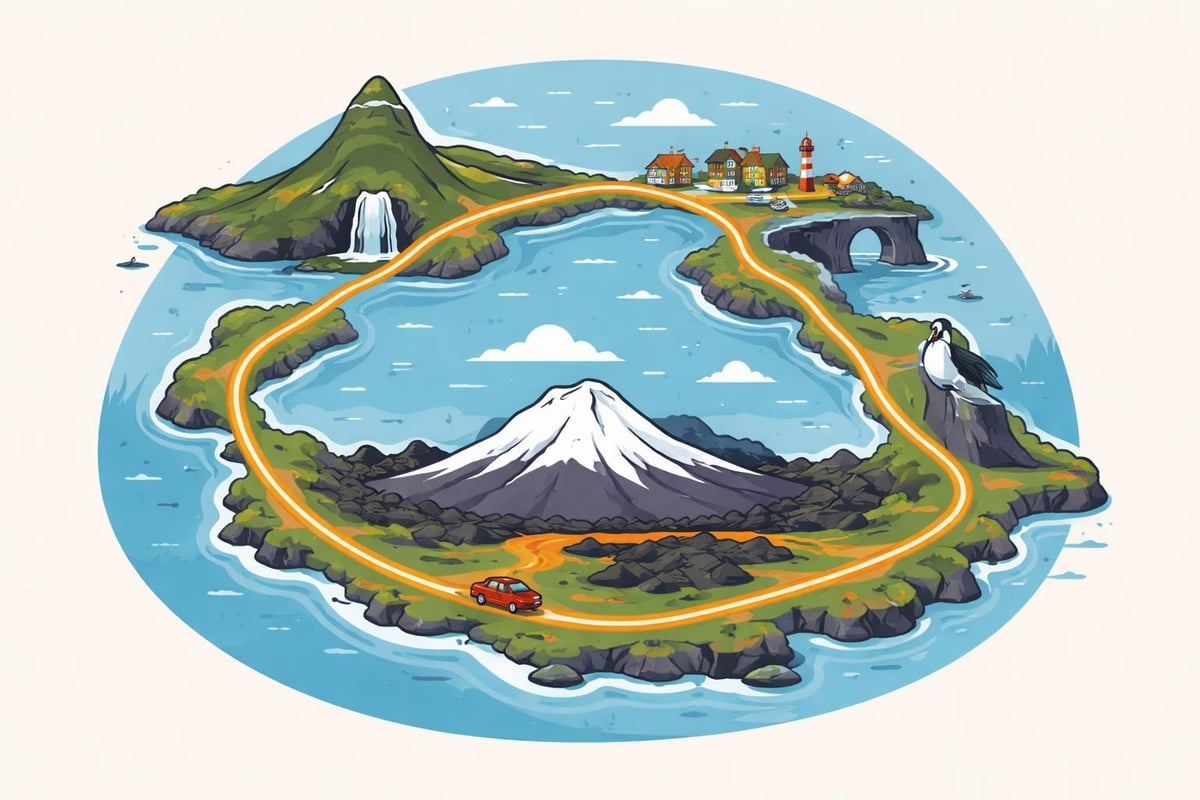
However, combining aurora viewing with day trip schedules proves challenging, as northern lights appear during evening hours when return travel to Reykjavik begins. Dedicated aurora tours that incorporate Snaefellsnes viewing locations provide better options for experiencing both the peninsula and night sky displays.
Photography Opportunities and Techniques
The combination of dramatic landscapes and frequent aurora activity makes Snaefellsnes a photographer's paradise, though capturing compelling images requires technical knowledge and preparation.
Equipment and Settings
Successful aurora photography demands specific camera equipment and settings. Full-frame or crop-sensor cameras with manual controls provide necessary flexibility, while wide-angle lenses (14-24mm range) capture expansive sky displays above foreground landscapes.
Essential technical considerations include:
- Tripod stability for long exposures in coastal winds
- Multiple batteries as cold temperatures drain power quickly
- High ISO capabilities (1600-3200) for aurora sensitivity
- Fast apertures (f/2.8 or wider) gathering maximum light
- Interval timer functions for time-lapse sequences
Experimenting with exposures between 5-20 seconds balances aurora detail against star trailing, while adjusting ISO and aperture compensates for aurora intensity variations. The same techniques apply whether photographing at Snaefellsnes or finding the best place for northern lights elsewhere in Iceland.
Foreground Composition Strategies
What distinguishes exceptional aurora photographs from mediocre ones often involves thoughtful foreground selection. Snaefellsnes provides countless compositional elements:
- Kirkjufell's pyramidal profile
- Coastal rock formations and sea stacks
- Historic churches in fishing villages
- Lava field textures and patterns
- Ice formations along winter shorelines
Scouting locations during daylight hours allows identifying promising compositions before darkness arrives. Using smartphone apps to predict aurora positions helps align foreground elements with expected sky activity.
Weather Monitoring and Aurora Forecasting
Maximizing aurora viewing success on Snaefellsnes requires combining weather predictions with geomagnetic activity forecasts. Cloud cover represents the primary obstacle to aurora observation, making weather monitoring crucial.
The Icelandic Meteorological Office provides detailed regional forecasts showing cloud coverage predictions in three-hour intervals. Cross-referencing these with aurora forecasts from sources like the Space Weather Prediction Center indicates optimal viewing windows.
Effective monitoring strategy involves:
- Checking geomagnetic activity forecasts (KP index) for aurora strength predictions
- Reviewing cloud coverage forecasts for Snæfellsnes region specifically
- Monitoring real-time satellite imagery showing current conditions
- Maintaining route flexibility to access clear sky pockets
- Following local aurora alert services and photographer reports
Professional tour operators like those offering adventure tours in Iceland continuously monitor these conditions, adjusting routes dynamically to position guests beneath clear skies when auroras appear.
Local Cuisine and Dining Experiences
Exploring Snaefellsnes includes opportunities to sample authentic Icelandic cuisine, particularly fresh seafood reflecting the peninsula's fishing heritage. Restaurants in larger villages serve locally caught fish, lamb from nearby farms, and traditional preparations showcasing regional ingredients.
Stykkishólmur, the peninsula's largest town, offers the most dining variety, with establishments ranging from casual cafeterias to upscale restaurants. Narfeyrarstofa, housed in a restored 19th-century building, serves contemporary Icelandic cuisine emphasizing local ingredients and traditional techniques.
Smaller villages provide more limited options, though quality remains consistently high. Many accommodations include breakfast, helping fuel day-long explorations before evening aurora watches.
The Snaefellsnes Peninsula delivers an extraordinary combination of natural beauty, cultural heritage, and northern lights viewing opportunities that capture Iceland's essence in one remarkable region. Whether you're photographing auroras above Kirkjufell, exploring volcanic landscapes, or experiencing authentic fishing village culture, this diverse peninsula rewards every visit with unforgettable moments. Reykjavik Northern Lights can enhance your Snaefellsnes aurora experience through expert-guided tours featuring live sky routing, local knowledge, and the flexibility to chase optimal viewing conditions across this spectacular landscape.