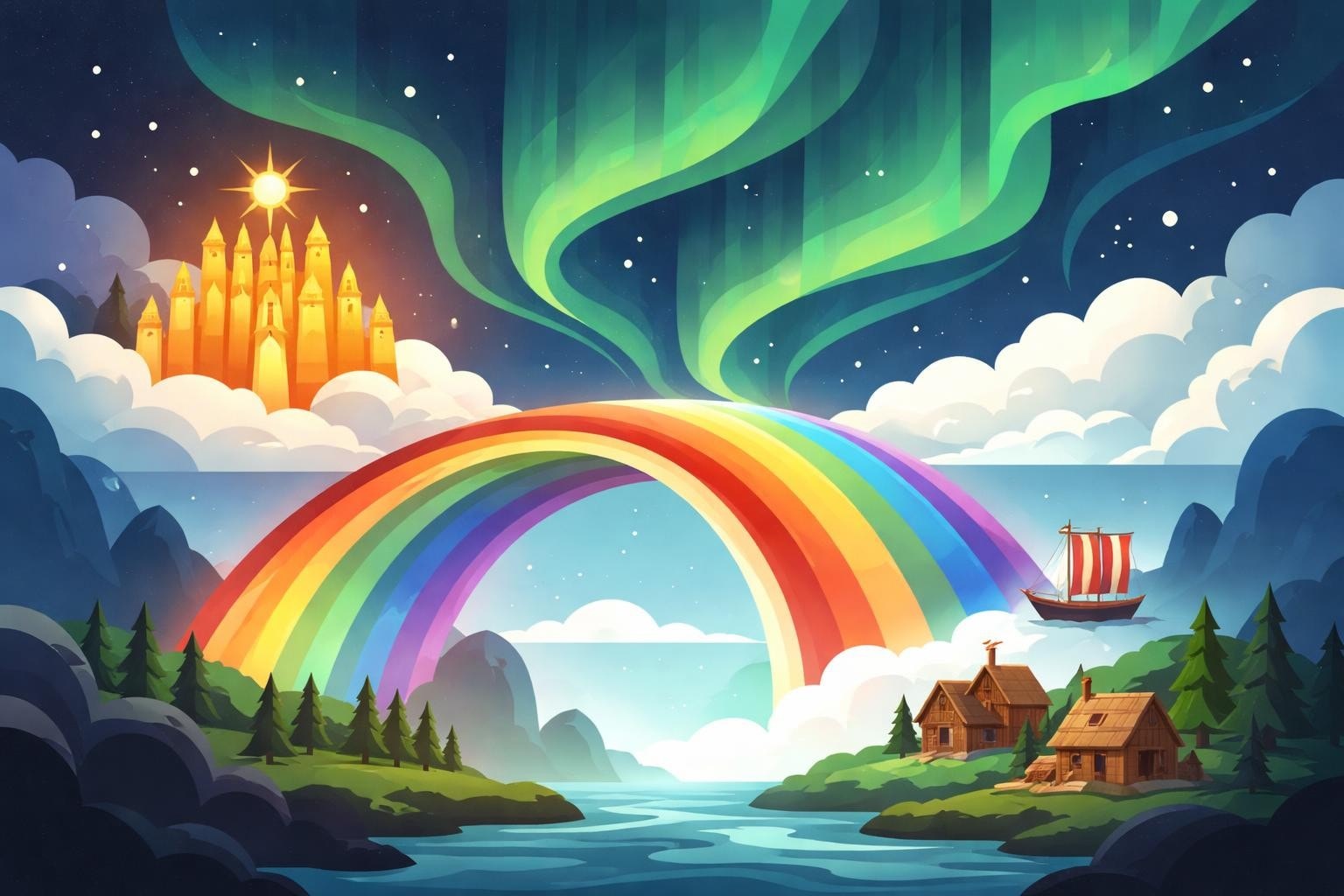
Iceland's dramatic landscape has inspired countless myths and legends, none more captivating than the Norse concept of the celestial rainbow bridge. When visitors witness the aurora borealis dancing across the Arctic sky, they're experiencing a phenomenon that ancient Norse people believed was connected to divine pathways between worlds. This intersection of mythology and natural wonder creates a profound appreciation for Iceland's unique position as a land where earth meets heaven, where ancient stories come alive in vibrant displays of light and color.
The Mythological Foundation of Bifrost
The rainbow bridge known as Bifrost serves as one of the most recognized elements in Norse cosmology. This trembling bridge connected Asgard, the realm of the gods, with Midgard, the world of humans. Unlike ordinary structures, bifrost represented a living pathway that shimmered with ethereal colors, reflecting the mystical nature of the connection between divine and mortal realms.
Ancient texts describe bifrost as a bridge of extraordinary beauty and strength, yet paradoxically fragile. The Prose Edda, written by Icelandic scholar Snorri Sturluson in the 13th century, provides detailed accounts of this celestial structure. According to these narratives, the bridge glowed with three distinct colors, each representing different aspects of divine power and cosmic energy.
Etymology and Linguistic Origins
The term "bifrost" carries deep linguistic significance. Scholars have debated its precise meaning for centuries, with interpretations ranging from "trembling way" to "shimmering path." The etymology of bifrost reveals connections to Old Norse words describing movement, shimmer, and transition. This linguistic complexity reflects the bridge's nature as a liminal space between fixed realities.
Key interpretations include:
- Bif (trembling or shimmering) + rost (path or road)
- Connection to the concept of vibration and movement
- Alternative spelling as Bilrost in some ancient texts
- Relationship to the rainbow phenomenon in Nordic skies
The Guardian of the Rainbow Bridge
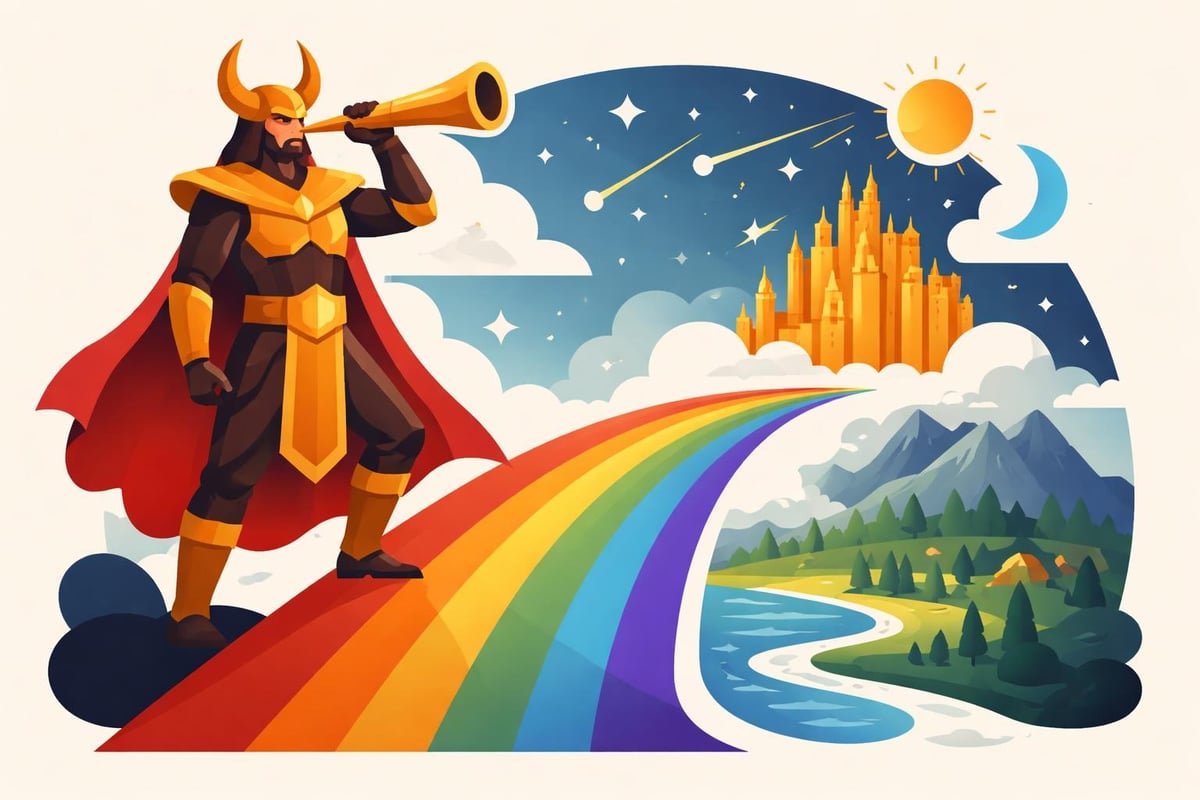
Heimdall, the vigilant watchman of the gods, stood eternal guard at bifrost's entrance. This deity possessed extraordinary senses, able to hear grass growing and see for hundreds of miles in any direction. His role transcended simple guardianship; he embodied the threshold between worlds, maintaining cosmic order through unwavering attention.
The relationship between Heimdall and bifrost illustrates the Norse understanding of boundaries and transitions. Just as modern travelers to Iceland cross physical borders to experience otherworldly landscapes, ancient Norse peoples conceived of divine-mortal interaction as requiring careful mediation and protection.
Gjallarhorn and the End Times
Heimdall carried Gjallarhorn, a mighty horn whose blast would signal Ragnarok, the end of the world. This connection between bifrost and apocalyptic prophecy reveals the bridge's significance beyond mere transportation. The bridge's role during Ragnarok demonstrates how Norse mythology intertwined everyday cosmic structures with ultimate destiny.
During the final battle, bifrost would shatter under the weight of the fire giants' assault. This destruction symbolized the collapse of cosmic order, the breaking of boundaries between realms that had maintained universal balance. The bridge that had facilitated divine movement would become a pathway for chaos and destruction.
Bifrost in Icelandic Natural Phenomena
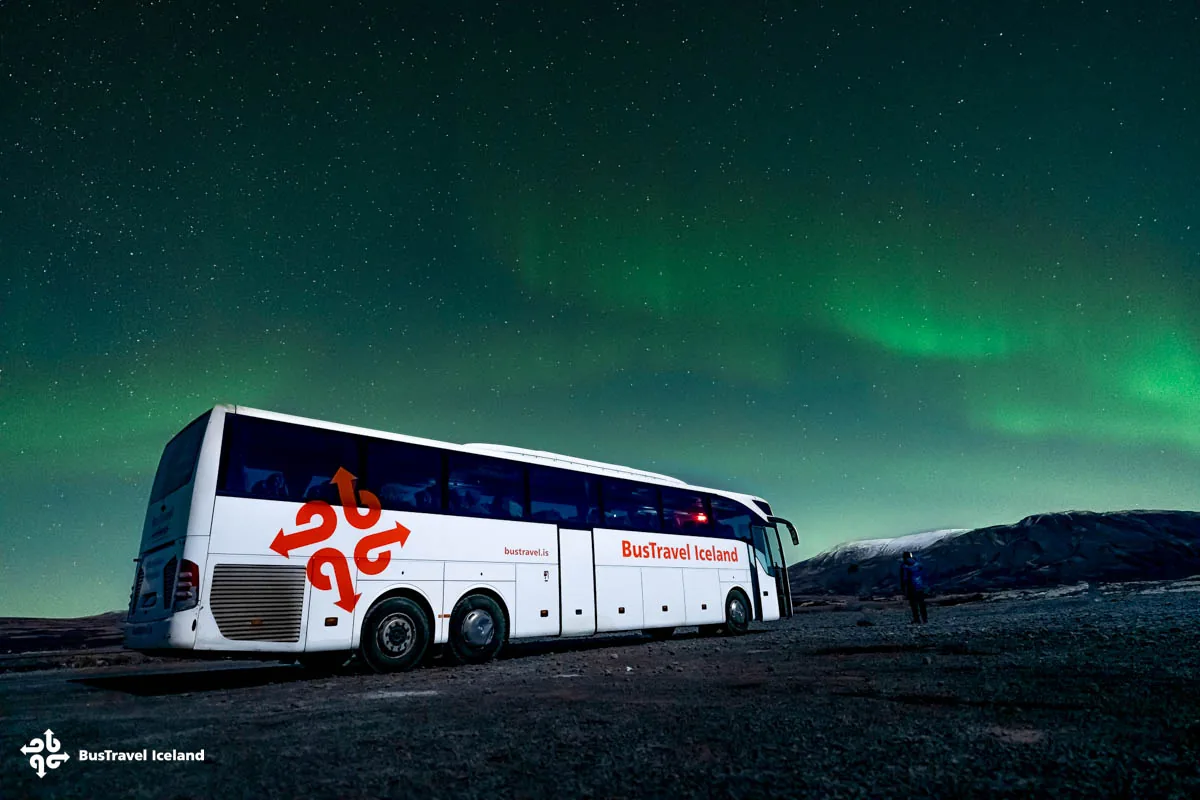
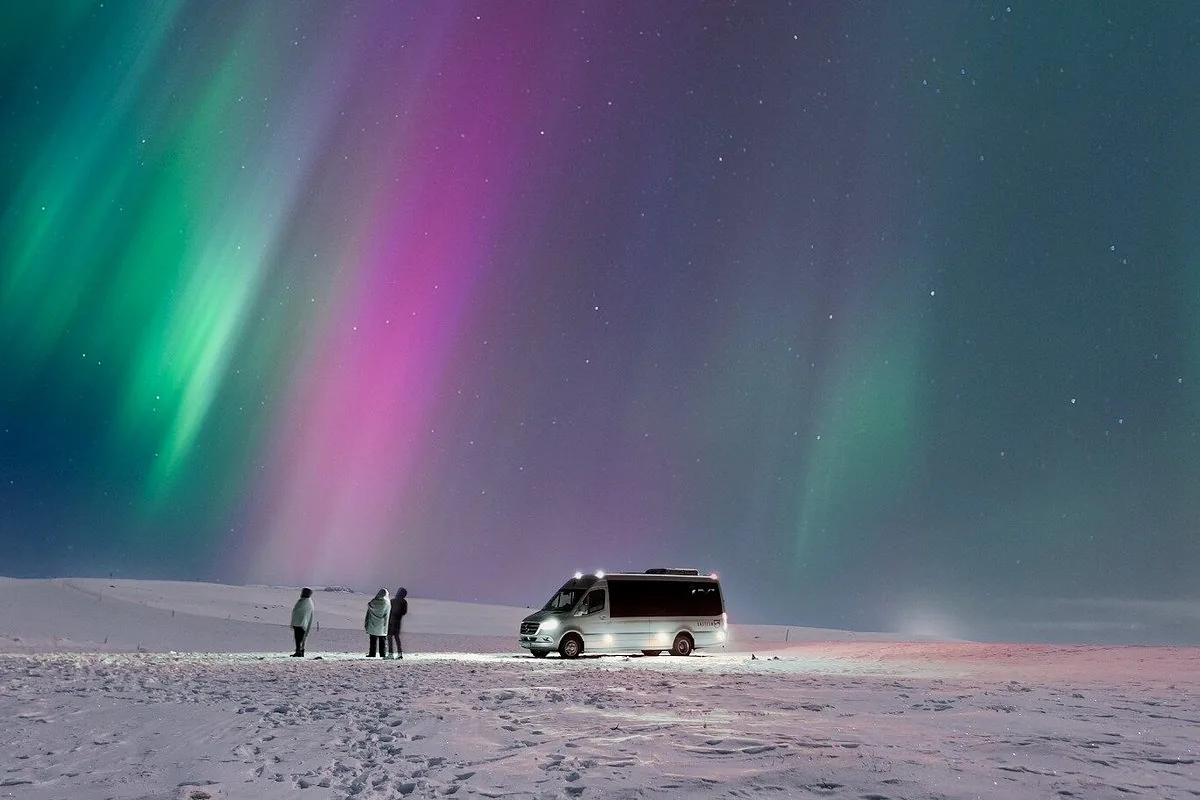
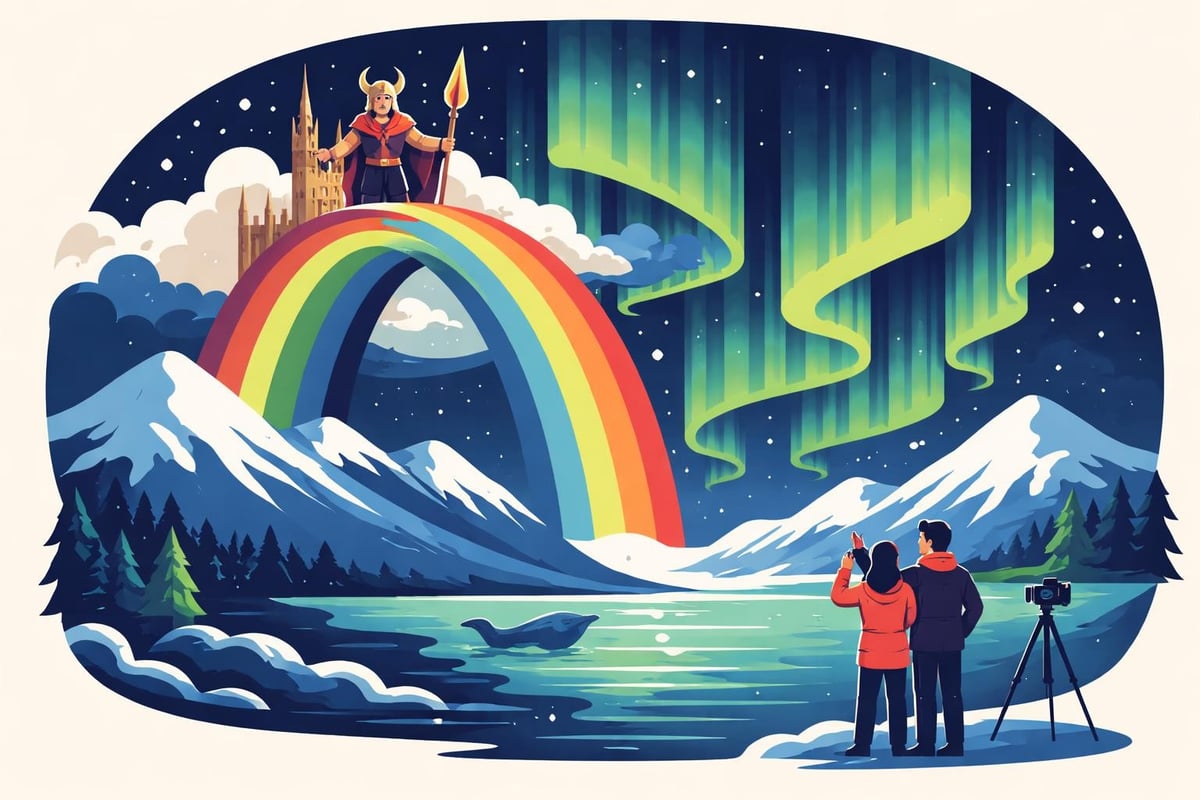
Iceland's unique geographical position creates optimal conditions for witnessing natural phenomena that ancient peoples associated with bifrost. The aurora borealis, with its shimmering curtains of green, purple, and pink light, bears striking resemblance to mythological descriptions of the rainbow bridge. When visitors join northern lights tours, they witness a natural spectacle that connects modern experience with ancient belief systems.
The Norse people who settled Iceland in the 9th and 10th centuries brought their mythology with them. Living beneath Arctic skies where the aurora regularly appeared, they naturally drew connections between their celestial myths and observable atmospheric phenomena. This cultural memory persists in Icelandic consciousness, enriching the experience of witnessing the northern lights.
Physical Characteristics of the Mythical Bridge
According to Norse mythology sources, bifrost displayed remarkable characteristics that distinguished it from earthly structures:
| Feature | Description | Symbolic Meaning |
|---|---|---|
| Three Colors | Red, blue, and green bands | Divine power, protection, life force |
| Trembling Motion | Constant shimmer and movement | Boundary between stability and change |
| Fire Element | Burns to protect divine realm | Purification and selective passage |
| Rainbow Appearance | Visible arc across sky | Hope and divine promise |
These characteristics mirror what aurora observers report when they venture into Iceland's wilderness. The dancing lights shift colors, tremble with movement, and create an arc across the heavens that seems to bridge earth and cosmos.
Cultural Significance and Modern Interpretations
The concept of bifrost extends beyond ancient texts into contemporary Icelandic culture. Modern Icelanders maintain deep connections to their Norse heritage, with many viewing natural phenomena through a lens enriched by mythological understanding. This cultural continuity creates unique opportunities for visitors seeking authentic experiences that blend natural wonder with historical depth.
Educational programs and cultural tours increasingly incorporate Norse mythology when explaining Icelandic natural phenomena. Tour guides who understand both the Norse gods and atmospheric science provide richer context for visitors experiencing the northern lights. This integration of ancient wisdom and modern knowledge creates memorable learning experiences.
Symbolic Representations Across Realms
The symbolic meaning of bifrost encompasses multiple layers of interpretation that remain relevant in 2026:
- Connection and Communication - Bridging different states of existence
- Journey and Transformation - Representing personal growth and change
- Divine-Human Relationship - Illustrating accessible spirituality
- Natural Wonder - Explaining celestial phenomena through narrative
- Cosmic Order - Maintaining balance between opposing forces
These symbolic dimensions resonate with modern travelers seeking meaningful experiences in Iceland. When witnessing the aurora borealis, many report feeling connected to something larger than themselves, echoing the ancient Norse sense of divine proximity facilitated by bifrost.
Bifrost in Broader Norse Cosmology
Understanding bifrost requires appreciation of the nine worlds connected through Yggdrasil, the world tree. While the bridge specifically connected Asgard and Midgard, its existence within this larger cosmological framework reveals sophisticated Norse understanding of reality's interconnected nature. The bridge served as one pathway among many, yet held special significance as the most direct route between gods and humans.
The relationship between bifrost and other cosmic structures demonstrates Norse philosophical sophistication. Rather than conceiving of a simple heaven-earth dichotomy, they envisioned multiple realms requiring various connections and pathways. This complexity mirrors modern understanding of ecological and social networks, where multiple connections create resilient systems.
The Nine Worlds and Their Connections
The Norse cosmological system included:
- Asgard (realm of the Aesir gods)
- Midgard (realm of humans)
- Vanaheim (realm of the Vanir gods)
- Jotunheim (realm of giants)
- Alfheim (realm of light elves)
- Svartalfheim (realm of dark elves)
- Niflheim (realm of ice and mist)
- Muspelheim (realm of fire)
- Helheim (realm of the dead)
Bifrost's specific connection between Asgard and Midgard highlighted the importance of the divine-human relationship in Norse thought. While other realms existed, the pathway between gods and mortals received special architectural expression through the rainbow bridge.
Experiencing Bifrost Through Icelandic Adventures
Modern visitors to Iceland can engage with bifrost mythology through multiple experiential channels. Beyond simply reading about ancient beliefs, travelers can immerse themselves in landscapes that inspired these stories. The combination of active volcanoes, massive glaciers, and frequent aurora displays creates an environment where mythological imagination feels tangible and relevant.
Adventure seekers who explore Iceland's wilderness often report transformative experiences that echo mythological themes of boundary-crossing and realm-shifting. Whether hiking across volcanic plains or witnessing the northern lights from remote locations, these activities create personal narratives that parallel ancient stories of divine encounter.
| Experience Type | Mythological Connection | Physical Activity |
|---|---|---|
| Aurora Viewing | Direct bifrost visualization | Northern lights tours |
| Glacier Hiking | Exploring realm boundaries | Ice climbing expeditions |
| Volcanic Tours | Fire element of bifrost | Lava field exploration |
| Hot Spring Soaking | Liminal space experience | Geothermal bathing |
These experiences, available through various tours and adventures, allow visitors to physically engage with landscapes that shaped Norse mythology. The experiential dimension transforms intellectual understanding into embodied knowledge.
Seasonal Variations and Optimal Viewing
Iceland's position just south of the Arctic Circle creates distinct seasonal patterns that affect how visitors might experience bifrost-related phenomena. The aurora borealis appears most frequently during winter months when darkness provides optimal viewing conditions. This seasonal variation connects to ancient Norse understanding of cosmic cycles and the importance of timing in divine-human interaction.
Planning visits to coincide with peak aurora season demonstrates respect for natural rhythms that Norse peoples understood intuitively. Modern travelers benefit from scientific forecasting while maintaining appreciation for the unpredictable, magical quality that makes each aurora display unique. This balance between knowledge and wonder mirrors the Norse approach to bifrost as both real and mystical.
Literary and Historical Sources
Primary sources for bifrost mythology include the Poetic Edda and Prose Edda, Iceland's most important medieval literary works. These texts, preserved through centuries of oral tradition before being written down, provide detailed descriptions of Norse cosmology. The preservation of these stories in Iceland created a unique cultural continuity that visitors can still access through literary tours and educational programs.
Snorri Sturluson's 13th-century writings remain the most comprehensive source for understanding bifrost's role in Norse mythology. His work as both historian and storyteller created documents that serve dual purposes: preserving ancient beliefs and interpreting them for contemporary audiences. Modern readers benefit from this carefully balanced approach to mythological material.
Archaeological and Cultural Evidence
While bifrost exists primarily in literary sources, archaeological evidence throughout Iceland reveals how deeply Norse mythology influenced daily life. Artifacts, place names, and traditional practices all demonstrate the integration of mythological thinking into practical existence. This material culture provides context for understanding how concepts like bifrost functioned beyond abstract theology.
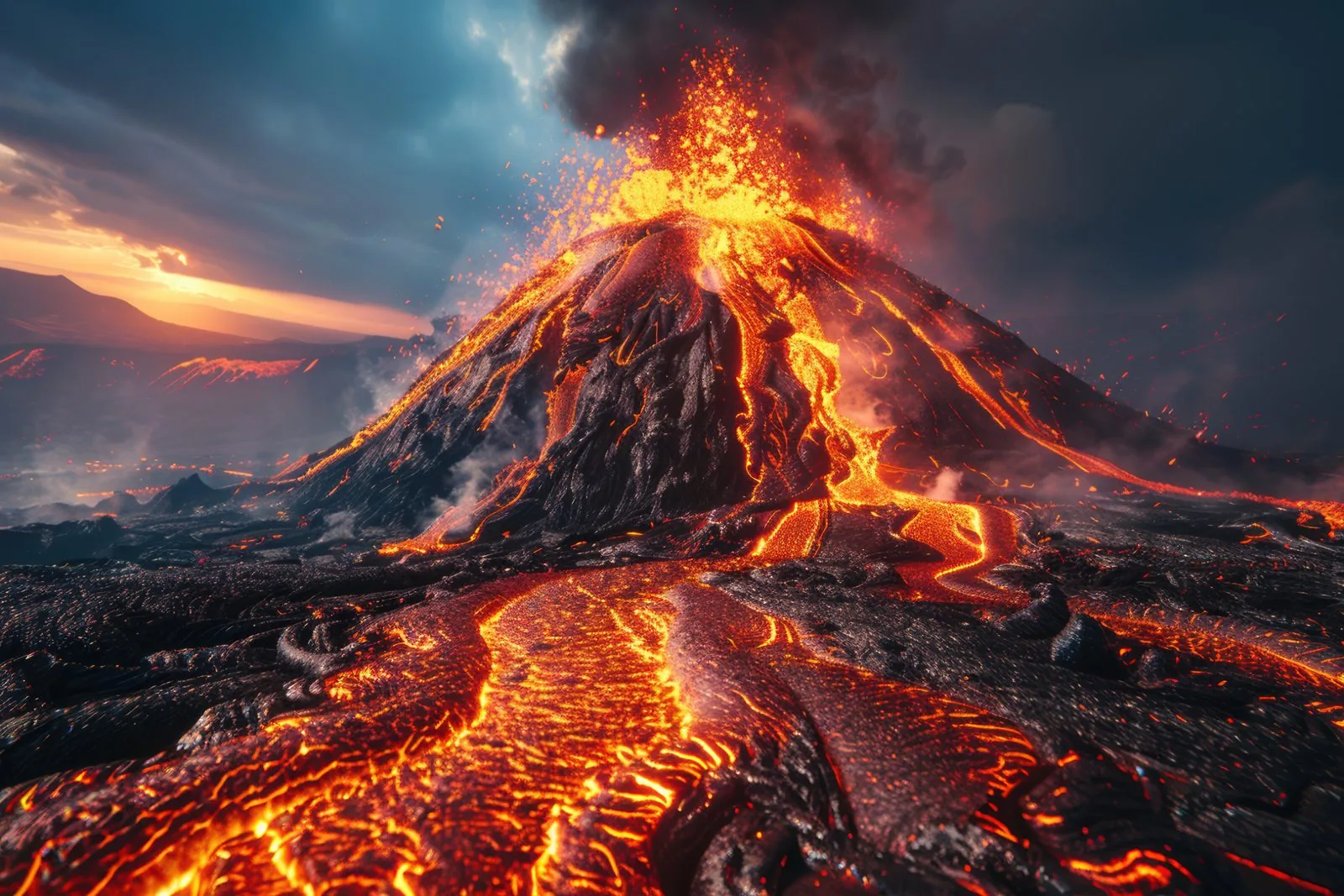
The connection between Ragnarok prophecies and Icelandic volcanic activity shows how natural phenomena shaped mythological narratives. When ancient Icelanders witnessed volcanic eruptions and their destructive power, they incorporated these observations into their understanding of cosmic destruction. Bifrost's prophesied collapse during Ragnarok reflects real experience of landscape transformation through geological forces.
Contemporary Relevance and Applications
In 2026, bifrost mythology continues influencing popular culture, spiritual practices, and tourism marketing. The bridge appears in films, literature, and games, introducing Norse mythology to global audiences. This widespread cultural presence creates opportunities for educational tourism that combines entertainment value with authentic cultural learning.
Iceland's tourism industry has successfully leveraged Norse mythology without compromising authenticity. Rather than creating theme park versions of ancient beliefs, Icelandic tour operators integrate mythological context into authentic nature experiences. This approach respects both the source material and visitors' intelligence, creating meaningful rather than superficial engagement.
Modern applications of bifrost concepts include:
- Metaphors for technological connectivity and global networks
- Spiritual practices emphasizing connection between different consciousness states
- Environmental education highlighting ecosystem interconnections
- Cultural heritage preservation through experiential tourism
- Artistic inspiration across multiple creative disciplines
These contemporary uses demonstrate bifrost's enduring relevance as a symbol of connection, transformation, and the relationship between different levels of reality. The concept's flexibility allows it to speak to modern concerns while maintaining roots in ancient wisdom.