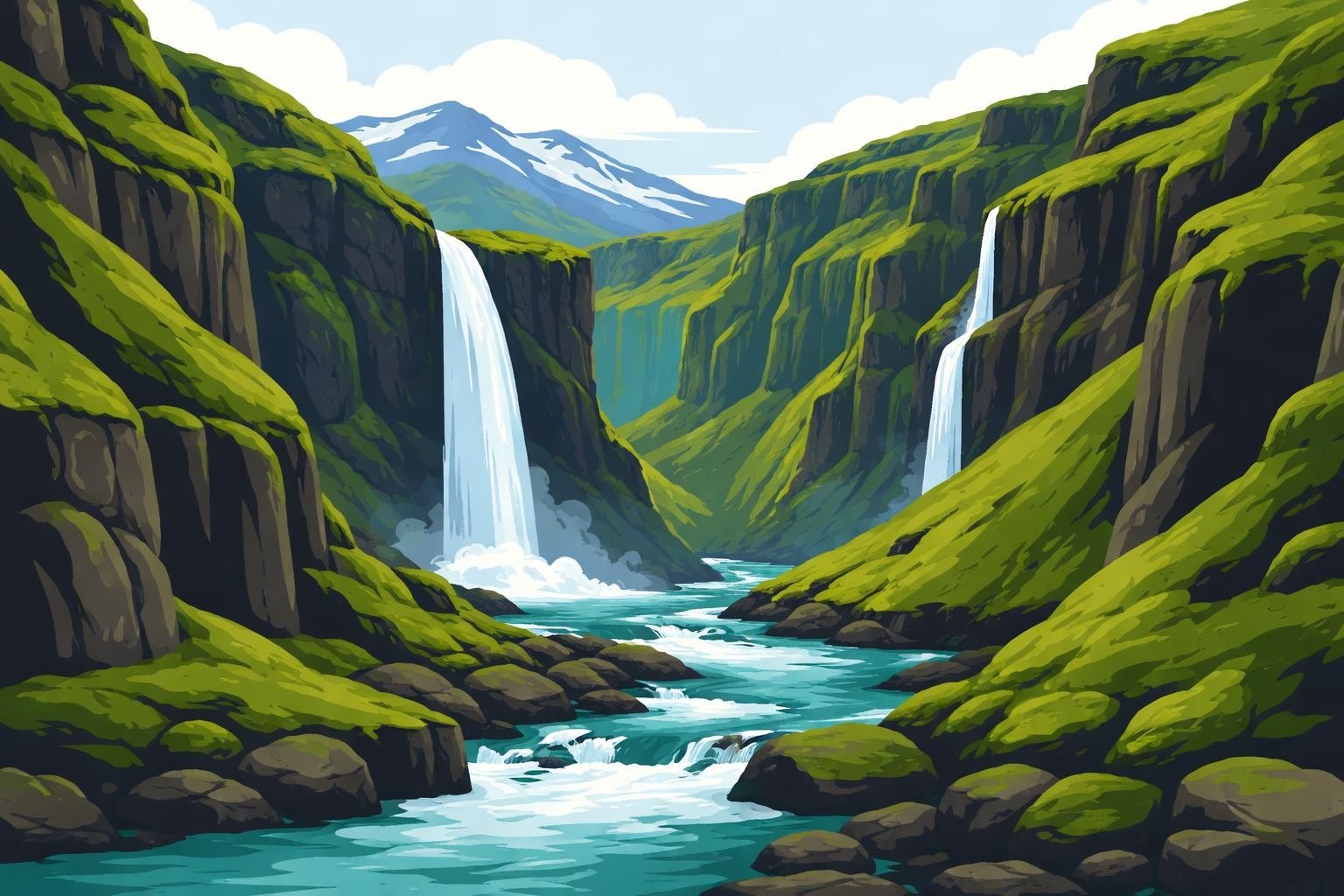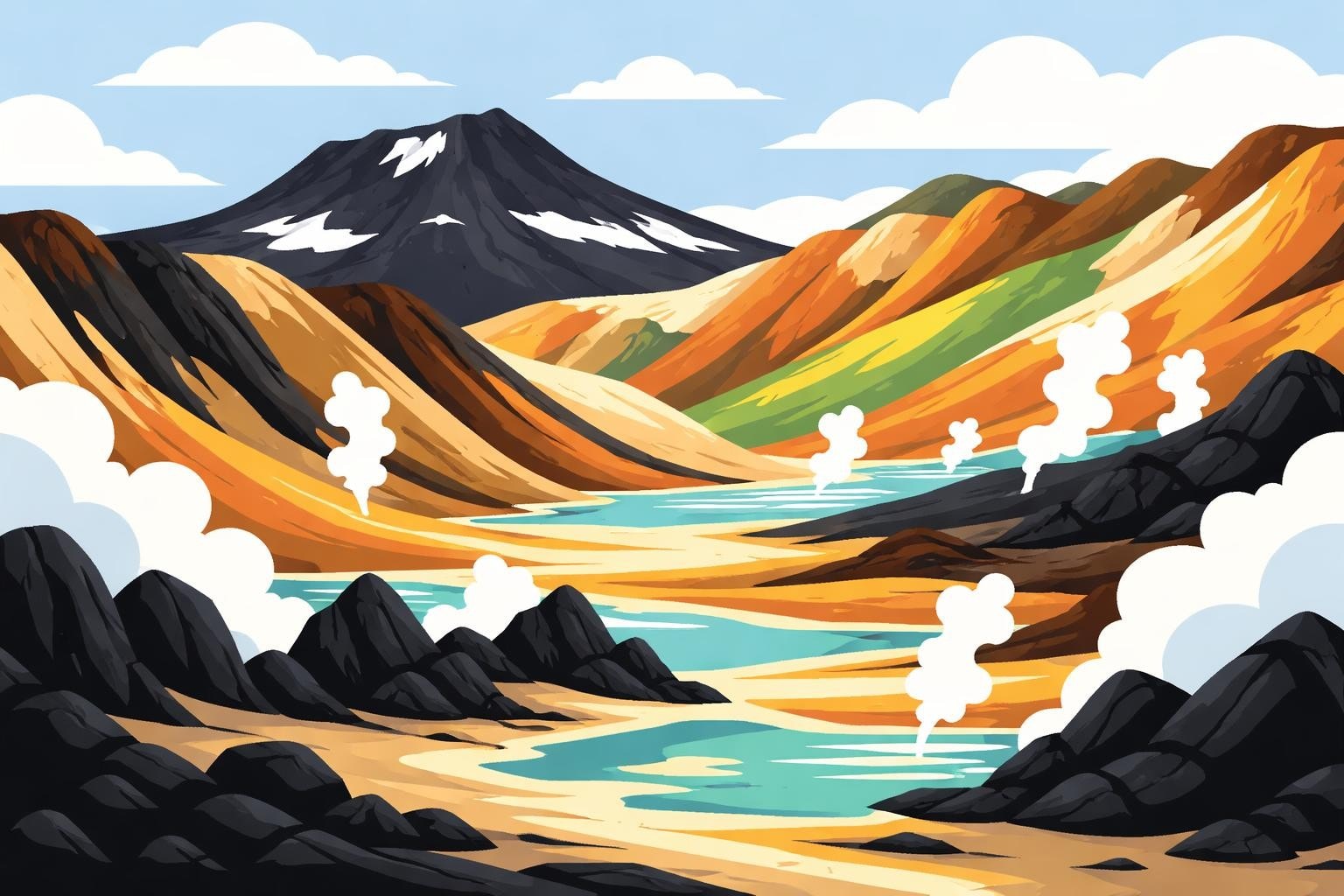
Iceland's highlands offer some of the most spectacular trekking opportunities in the world, and the Laugavegur hike Iceland stands as the country's most celebrated multi-day trek. This 55-kilometer route traverses otherworldly landscapes that shift from vibrant rhyolite mountains to black sand deserts, steaming geothermal valleys to glacier-carved terrain. Whether you're planning your first highland adventure or adding another Icelandic trek to your collection, understanding what makes this trail exceptional will help you prepare for an unforgettable journey through one of Earth's most dramatic environments.
Understanding the Laugavegur Trail Route
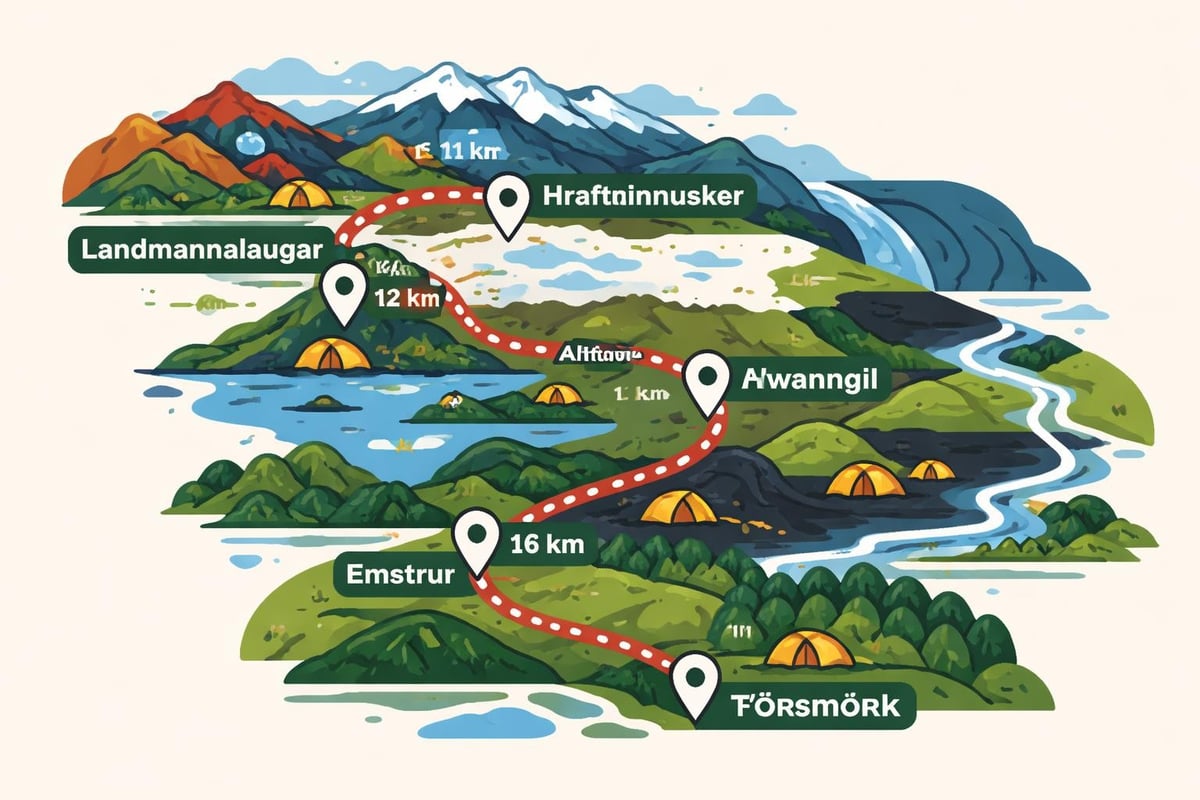
The Laugavegur trail connects Landmannalaugar in the north to Þórsmörk in the south, creating a natural corridor through Iceland's volcanic highlands. The journey typically takes between three to five days, depending on your pace and how much time you spend exploring side trails and geological features along the way.
Geographic Highlights and Terrain Diversity
Starting at Landmannalaugar, hikers encounter the region's famous rainbow-colored rhyolite mountains, created by volcanic minerals interacting over millennia. The terrain here features hot springs, obsidian lava fields, and multicolored peaks that seem almost artificial in their vibrancy.
Key geographical zones include:
- Rhyolite mountain region with geothermal activity
- Black sand desert expanses at Hrafntinnusker
- Green moss-covered valleys near Álftavatn
- Glacial river crossings and canyons approaching Þórsmörk
The elevation changes substantially throughout the trek. You'll climb to approximately 1,050 meters at Hrafntinnusker before descending into lower valleys. This variation creates challenges but also rewards hikers with constantly shifting perspectives of Iceland's geological wonders.
| Trail Section | Distance | Elevation Gain | Typical Duration |
|---|---|---|---|
| Landmannalaugar to Hrafntinnusker | 12 km | 470 m | 4-5 hours |
| Hrafntinnusker to Álftavatn | 12 km | Minimal | 4-5 hours |
| Álftavatn to Emstrur | 15 km | 300 m | 5-7 hours |
| Emstrur to Þórsmörk | 15 km | Variable | 6-7 hours |
Optimal Timing for the Laugavegur Hike Iceland
The Laugavegur hike Iceland operates within a limited seasonal window. Mountain huts typically open from late June through early September, with the exact dates varying annually based on snow conditions and accessibility.
July and August represent peak season when trails are most accessible and weather conditions are generally favorable. However, this popularity means booking accommodations well in advance becomes essential. Many hikers secure reservations six to twelve months ahead for summer dates.
Weather Considerations and Highland Conditions
Highland weather remains notoriously unpredictable regardless of season. Even during summer months, temperatures can drop significantly, and snow flurries aren't uncommon at higher elevations.
Typical summer conditions include:
- Daytime temperatures ranging from 5°C to 15°C
- Overnight lows potentially reaching freezing
- Frequent wind with gusts exceeding 50 km/h
- Rapid weather changes requiring layered clothing systems
Early season hiking in June offers advantages like fewer crowds and potentially witnessing the midnight sun, though snow patches may still cover portions of the trail. September brings autumn colors and solitude, but also increased precipitation and earlier darkness.
Those interested in experiencing Iceland's natural phenomena might consider timing their visit to combine hiking with aurora viewing. The northern lights season begins in late August, creating opportunities to witness both highland landscapes and celestial displays during a single trip.
Essential Preparation and Gear Requirements
Success on the Laugavegur hike Iceland depends heavily on proper preparation and equipment selection. The remote nature of the highlands means self-sufficiency becomes crucial, as rescue operations can be complicated and time-consuming.
Clothing and Equipment Checklist
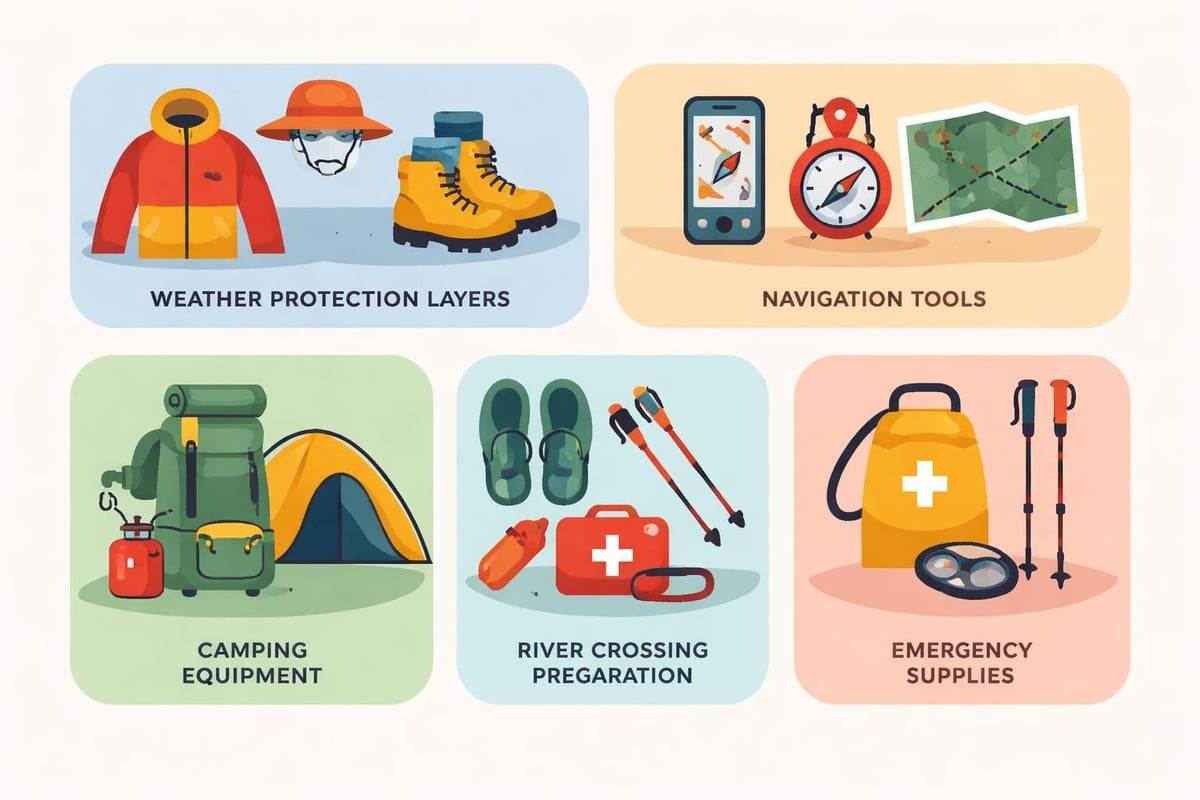
Building a layering system that handles various weather conditions ranks as the most critical gear decision. Base layers should manage moisture, mid-layers provide insulation, and outer shells protect against wind and precipitation.
Required equipment includes:
- Waterproof and windproof outer layer jacket and pants
- Insulated jacket for camp and cold conditions
- Moisture-wicking base layers (synthetic or merino wool)
- Hiking boots with ankle support and waterproofing
- Gaiters for snow, sand, and river crossings
- Trekking poles for stability on uneven terrain
- Sleeping bag rated for freezing temperatures
- Headlamp with extra batteries
Navigation tools remain essential despite well-marked trails. GPS devices or smartphone apps with downloaded offline maps provide backup when visibility decreases or weather obscures trail markers.
Food and Water Planning
Mountain huts provide sleeping accommodations but limited meal services. Most hikers carry their own food supplies, calculating approximately 2,500 to 3,500 calories per day depending on individual needs and hiking intensity.
Water sources exist throughout the trail, with glacial streams providing fresh drinking water. However, carrying water purification tablets or filters offers added security, particularly near camping areas where water sources may be compromised.
Accommodation Options and Booking Strategies
The Icelandic Touring Association manages mountain huts along the Laugavegur trail, offering bunks, cooking facilities, and basic amenities. These huts operate on a reservation system, requiring advance booking during peak season.
Mountain Hut System
Four main huts service the trail, spaced approximately one day's hiking apart. Each facility accommodates between 20 and 75 hikers, with dormitory-style sleeping arrangements and shared cooking and dining spaces.
| Hut Location | Capacity | Elevation | Facilities |
|---|---|---|---|
| Landmannalaugar | 75 | 600 m | Showers, store, ranger station |
| Hrafntinnusker | 52 | 1,050 m | Basic shelter, no showers |
| Álftavatn | 36 | 520 m | Standard hut amenities |
| Emstrur (Botnar) | 60 | 440 m | Multiple buildings, warden services |
Camping represents an alternative to hut accommodations, with designated areas near each facility. This option provides more flexibility and often remains available when huts book completely, though carrying full camping gear adds significant weight to your pack.
For those seeking comprehensive information about planning logistics, Rough Guides offers practical hiking advice covering reservations, transportation, and preparation strategies.
Transportation and Access Points
Reaching the trailheads requires planning since neither Landmannalaugar nor Þórsmörk connects to Iceland's main road network. Both locations require traversing F-roads, mountain roads that demand four-wheel-drive vehicles and, in some cases, river-crossing capabilities.
Getting to Landmannalaugar
Most hikers utilize bus services operating during summer months. These specialized highland buses feature raised chassis for river crossings and run scheduled routes from Reykjavik and other major towns.
Transportation considerations:
- Book bus transfers simultaneously with hut reservations
- Confirm departure times as schedules change with conditions
- Allow buffer days for weather-related delays
- Consider renting a vehicle if planning additional highland exploration
Self-driving to Landmannalaugar requires a proper four-wheel-drive vehicle, ideally with high clearance. The route involves multiple unbridged river crossings where water depth and current strength vary with weather and time of day.
Similar to how superjeep tours navigate challenging terrain for aurora viewing, accessing Laugavegur's endpoints demands vehicles specifically equipped for Iceland's highland conditions.
Safety Protocols and Emergency Preparedness
Highland hiking presents inherent risks that proper preparation and awareness can mitigate. Understanding potential hazards and establishing safety protocols before departing proves essential for all trekkers.
River Crossing Techniques
Several river crossings along the Laugavegur hike Iceland require careful attention and proper technique. Water levels fluctuate based on rainfall, snowmelt, and time of day, with afternoon crossings generally presenting higher and faster-moving water.
Safe crossing procedures include:
- Scouting crossing points from both banks
- Unbuckling pack hip belts for quick release if needed
- Using trekking poles for stability and depth testing
- Crossing in groups when possible, forming human chains
- Timing crossings for morning when glacial melt is lowest
Weather monitoring becomes crucial throughout the trek. Sudden storms can create dangerous conditions, particularly at higher elevations where exposure to wind and precipitation increases hypothermia risk. Hut wardens provide updated weather forecasts and trail condition reports.
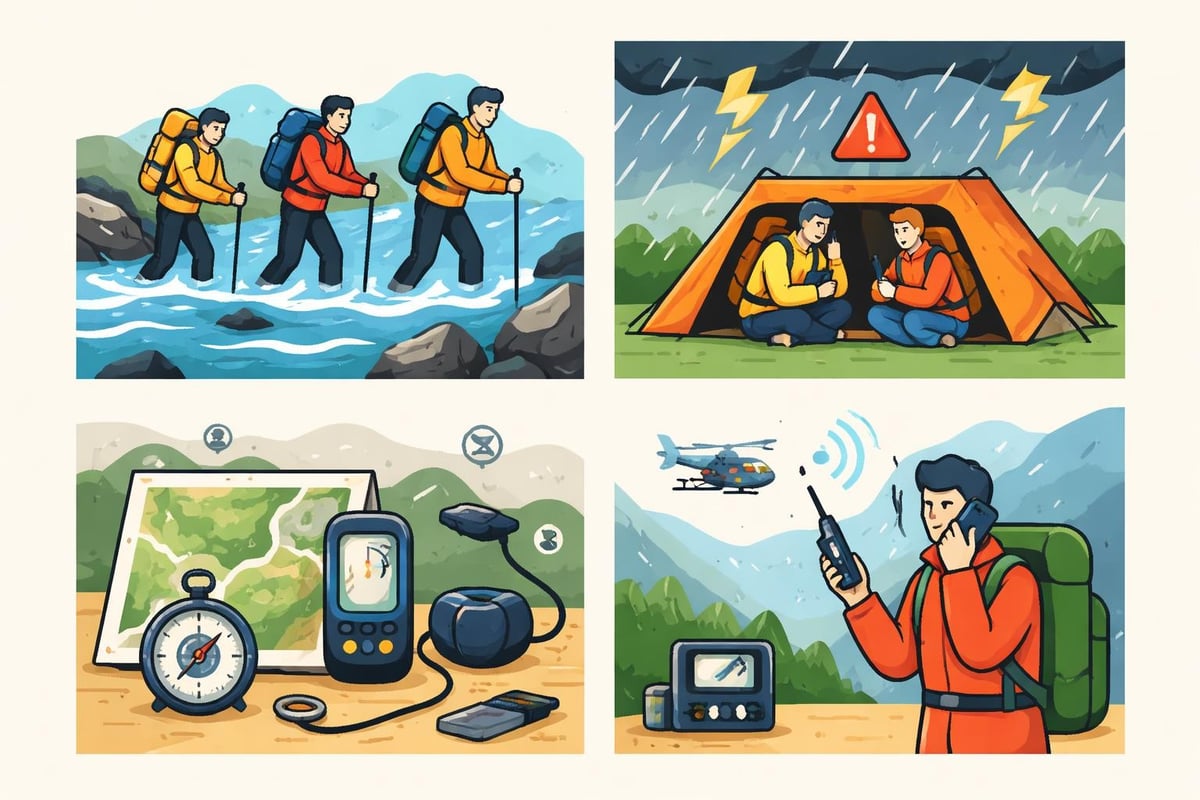
Emergency communication options remain limited in the highlands. While some areas receive mobile phone coverage, connectivity proves unreliable. Carrying emergency contact information and understanding evacuation procedures through hut wardens provides essential safety backup.
Environmental Responsibility and Trail Ethics
Iceland's fragile highland ecosystem requires conscientious behavior from all visitors. The Laugavegur trail crosses areas where vegetation grows incredibly slowly, and human impact can persist for decades.
Leave No Trace Principles
Adhering to established trails prevents vegetation damage and erosion. The volcanic soil and delicate plant life characteristic of Iceland's highlands recover slowly from disturbance, making trail discipline particularly important.
Waste management follows strict protocols. All trash must be packed out, as hut facilities lack capacity for visitor waste disposal. This includes food waste, which doesn't decompose readily in the cold, dry highland environment.
Environmental best practices:
- Stay on marked trails and established paths
- Use designated toilet facilities at huts and camps
- Pack out all waste including biodegradable items
- Minimize campfire impact by using stoves instead
- Respect wildlife by maintaining distance and avoiding feeding
Water source protection ensures quality for all trail users. Washing dishes, bathing, or disposing of any substances should occur at least 50 meters from streams and lakes to prevent contamination.
Extending Your Highland Adventure
Many hikers combine the Laugavegur hike Iceland with the Fimmvörðuháls extension, creating an even longer trek that concludes at Skógar waterfall on the south coast. This addition adds approximately 25 kilometers and showcases the dramatic landscape between the Eyjafjallajökull and Mýrdalsjökull glaciers.
Alternative Highland Routes
When Laugavegur reaches capacity or weather conditions prove challenging, several alternative highland hikes offer exceptional experiences. The Fimmvörðuháls route can be hiked independently, while routes in Hornstrandir Nature Reserve provide remote wilderness trekking for experienced hikers.
Those seeking additional hiking opportunities throughout Iceland will find options ranging from day hikes to multi-week expeditions, each showcasing different aspects of the country's diverse geology and landscapes.
Physical preparation significantly impacts enjoyment and safety on the Laugavegur hike Iceland. Training should include cardiovascular conditioning, leg strength development, and practice hikes with a loaded pack simulating trail conditions.
Cultural and Historical Context
The Laugavegur route follows paths used historically by Icelandic shepherds and travelers crossing between regions. Understanding this heritage adds depth to the hiking experience, connecting modern trekkers with centuries of human interaction with these demanding landscapes.
Highland culture emphasizes self-reliance, community support, and respect for natural forces. Hut etiquette reflects these values, with shared spaces requiring cooperation and consideration among hikers from diverse backgrounds.
Many visitors to Iceland seek multiple nature experiences during their stay. Just as the best places for northern lights offer unique aurora viewing opportunities, the Laugavegur trail provides an unmatched highland hiking experience that complements other Icelandic adventures.
Photography and Documentation Tips
The visual drama of the Laugavegur hike Iceland creates exceptional photography opportunities. However, capturing the landscape's scale and color requires consideration of equipment weight, weather protection, and technical approach.
Photography recommendations:
- Protect gear with waterproof covers and dry bags
- Carry extra batteries as cold temperatures reduce capacity
- Use polarizing filters to enhance sky and mountain colors
- Photograph during golden hour for optimal lighting
- Include human elements for scale in landscape shots
Video documentation adds another dimension but demands significant battery capacity and storage. Solar chargers provide limited benefit given Iceland's variable weather, making portable battery banks more practical for keeping devices powered.
The dramatic landscapes you'll encounter while hiking rival the visual spectacle of other Icelandic natural wonders, from spectacular waterfalls to volcanic terrain, each offering distinct photographic challenges and rewards.
Health and Fitness Considerations
Completing the Laugavegur hike Iceland requires reasonable fitness and the ability to carry a loaded pack over varied terrain for consecutive days. While technical climbing skills aren't necessary, stamina and joint stability play crucial roles in comfortable progression.
Pre-Trek Conditioning
Building endurance through regular hiking with progressively heavier packs prepares muscles and joints for trail demands. Focus areas should include leg strength, core stability, and cardiovascular capacity.
Common physical challenges include blisters from extended walking, muscle soreness from elevation changes, and fatigue from carrying multi-day supplies. Breaking in boots thoroughly before the trip and testing your complete kit during training hikes prevents many issues.
Altitude effects remain minimal given the trail's maximum elevation of approximately 1,050 meters, but individual responses to exertion at elevation vary. Pacing yourself conservatively, especially on the first day, allows proper acclimatization to physical demands.
Seasonal Wildlife and Natural Phenomena
Summer months bring active wildlife to the highlands, though large mammals remain scarce. Bird species, particularly Arctic terns and various waterfowl, nest in the region and may defend nesting areas aggressively.
The midnight sun during peak summer creates extended daylight hours, allowing flexible hiking schedules and evening exploration around camps. Conversely, September hikes face progressively shorter days requiring earlier starts and headlamp use.
Geological activity manifests throughout the route with steaming fumaroles, hot springs, and evidence of past eruptions creating an active landscape. Understanding these features enhances appreciation while emphasizing the need for caution around geothermal areas where ground stability and heat pose risks.
Final Preparations and Departure Planning
The weeks before your Laugavegur hike Iceland should focus on final gear checks, physical conditioning completion, and logistical confirmation. Verify all reservations, review weather patterns for your planned dates, and ensure emergency contacts have your itinerary.
Creating detailed packing lists organized by category prevents omissions and helps manage pack weight. Every item should justify its inclusion through utility, safety contribution, or essential comfort provision.
Mental preparation proves equally important as physical readiness. Multi-day treks test patience, adaptability, and resilience when conditions become challenging. Approaching the experience with realistic expectations and flexibility regarding daily plans creates space for enjoyment regardless of circumstances.
For travelers planning comprehensive Iceland experiences, coordinating your Laugavegur trek with other activities maximizes your visit. Resources available through adventure tour guides help create balanced itineraries combining highland hiking with coastal exploration, cultural experiences, and natural phenomenon observation.
The Laugavegur hike Iceland delivers an unmatched highland trekking experience through some of the planet's most dramatic volcanic landscapes, rewarding proper preparation with memories that endure long after the trail ends. When you're ready to explore more of Iceland's natural wonders, Reykjavik Northern Lights offers expert-guided aurora tours that complement your highland adventure, providing intimate encounters with the dancing lights through personalized small-group experiences and knowledgeable local guides who bring Iceland's magic to life.