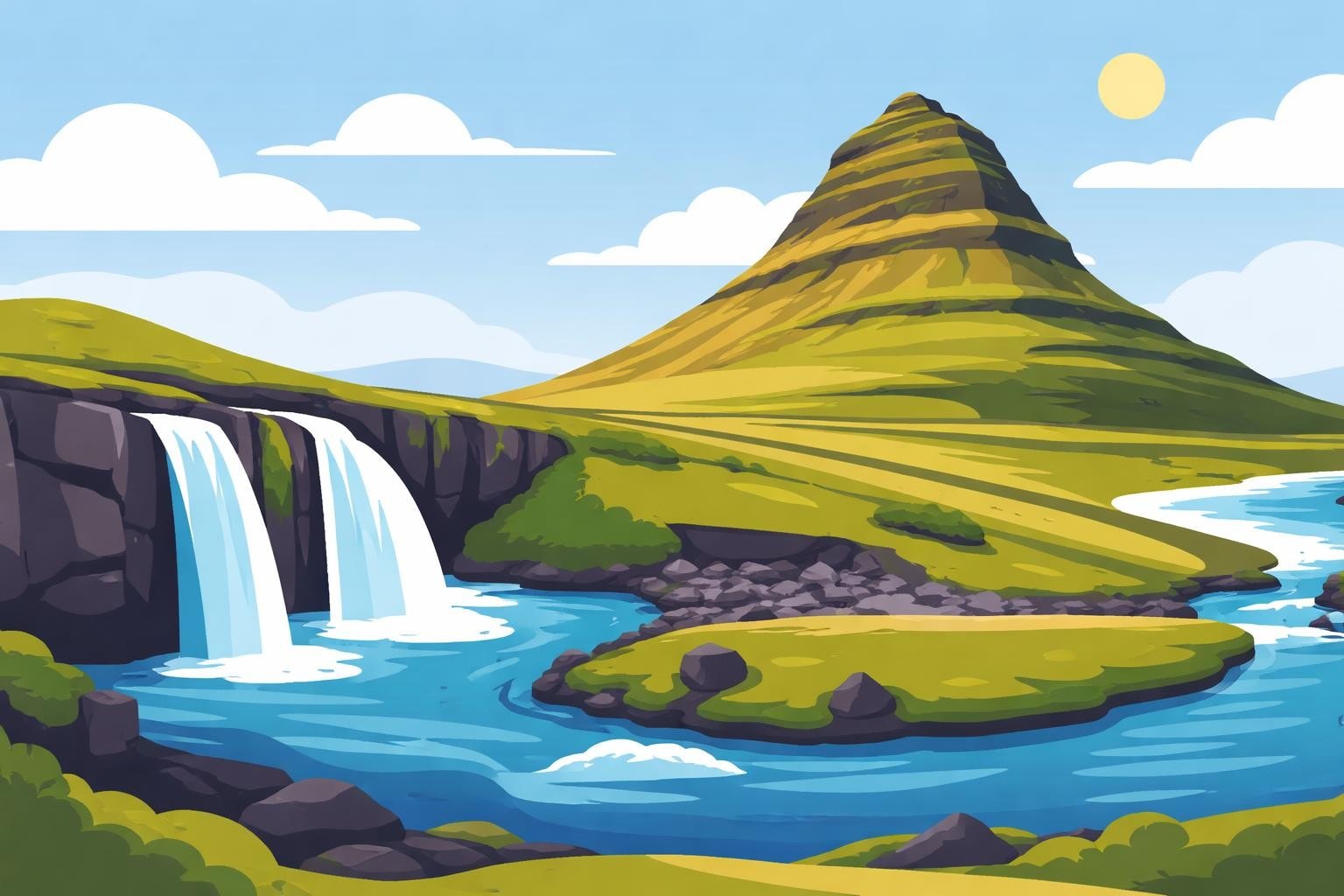
Standing at the base of Iceland's most photographed mountain, kirkjufellsfoss has become an iconic symbol of the country's natural beauty. This three-tiered cascade on the Snæfellsnes Peninsula may be modest in height, but its strategic location beneath the distinctive Kirkjufell mountain creates one of the most captivating compositions in landscape photography. For those visiting Iceland to witness the northern lights, this waterfall offers an unparalleled foreground element that transforms aurora photographs from beautiful to extraordinary. Whether you're planning a dedicated photography expedition or incorporating this stunning location into your Snæfellsnes Peninsula adventure, understanding what makes kirkjufellsfoss special will enhance your Icelandic experience.
Understanding Kirkjufellsfoss and Its Geological Formation
Kirkjufellsfoss flows from the Kirkjufellsá river, creating a series of cascades that span approximately 16 feet in height. While this measurement might seem modest compared to Iceland's towering waterfalls like Skógafoss, the true power of kirkjufellsfoss lies in its composition rather than its scale.
The waterfall formed through thousands of years of glacial meltwater carving through volcanic rock. The geological history of the area reveals layers of lava flows that created the distinct terraced appearance we see today. Each tier represents a different erosion level, where softer rock layers wore away faster than harder basaltic formations.
The Three-Tiered Structure
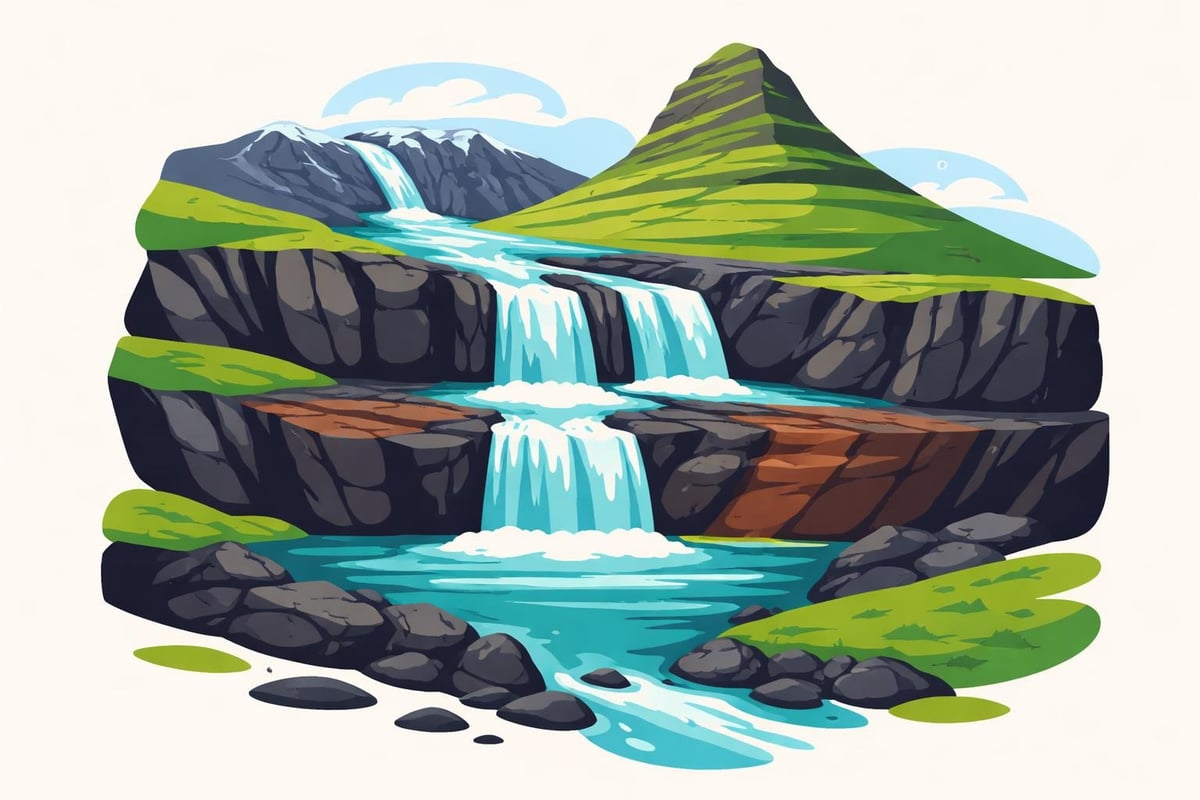
The waterfall's structure consists of three primary cascades that create a harmonious visual rhythm:
- Upper tier: A gentle slope where water begins its descent
- Middle tier: The most pronounced drop, creating the primary cascade effect
- Lower tier: A wider spread where water pools before continuing downstream
This configuration allows photographers to capture multiple water movements within a single frame. The varied flow rates across each tier mean that different shutter speeds reveal entirely different characteristics of the falls.
Seasonal Water Flow Variations
Kirkjufellsfoss experiences dramatic changes throughout the year. Summer months bring increased glacial melt, creating a more powerful flow with heightened sound and mist. Winter transforms the scene entirely, with ice formations clinging to rocks and reduced flow creating delicate frozen sculptures.
| Season | Flow Characteristics | Photography Advantages |
|---|---|---|
| Spring (April-May) | Moderate to high flow from snowmelt | Dynamic water movement, emerging vegetation |
| Summer (June-August) | Highest flow volume | Midnight sun opportunities, lush surroundings |
| Autumn (September-October) | Moderate flow | Colorful moss, fewer tourists, northern lights return |
| Winter (November-March) | Reduced flow, partial freezing | Ice formations, aurora borealis season, dramatic lighting |
Why Kirkjufellsfoss Became Iceland's Photography Icon
The waterfall gained international recognition through countless photographs that pair it with Kirkjufell mountain. This pairing didn't happen by accident. The viewpoint from kirkjufellsfoss provides the perfect distance and angle to frame the 463-meter peak, creating what photographers call a "leading line" composition.
Television and film productions have featured this location prominently. The distinctive mountain-waterfall combination appeared in popular series, instantly making kirkjufellsfoss recognizable to millions of viewers worldwide. This media exposure transformed a relatively unknown cascade into a must-visit destination.
The Perfect Photographic Triangle
Professional photographers recognize kirkjufellsfoss as offering three essential elements simultaneously:
- Foreground interest: The tiered cascades provide texture and movement
- Middle ground: The grasslands and surrounding landscape create depth
- Background drama: Kirkjufell mountain anchors the composition with vertical emphasis
This natural arrangement eliminates the need for extensive location scouting. The composition presents itself, requiring only timing and technique to capture effectively.
Accessibility for All Skill Levels
Unlike many of Iceland's remote waterfalls, kirkjufellsfoss sits just meters from Highway 54. A small parking area provides immediate access, with a short walking path leading to optimal viewing positions. This accessibility means visitors can capture professional-quality images without specialized hiking equipment or dangerous positioning.
The detailed information about kirkjufellsfoss confirms that multiple viewing platforms accommodate different photography styles and mobility levels. Whether you prefer getting close to the water's edge or maintaining distance for wide-angle compositions, the site provides options.
Photographing Kirkjufellsfoss Under the Aurora Borealis
For aurora photographers, kirkjufellsfoss represents the ultimate Icelandic foreground element. The combination of flowing water, dramatic mountain backdrop, and dancing lights creates images that capture multiple natural phenomena simultaneously.
The waterfall's location at 64.9° North latitude places it squarely within the aurora viewing zone. From September through March, clear nights offer regular opportunities to witness the northern lights above this iconic landscape. The best viewing conditions for northern lights occur during the darkest months of winter when solar activity coincides with extended nighttime hours.
Technical Settings for Aurora Photography
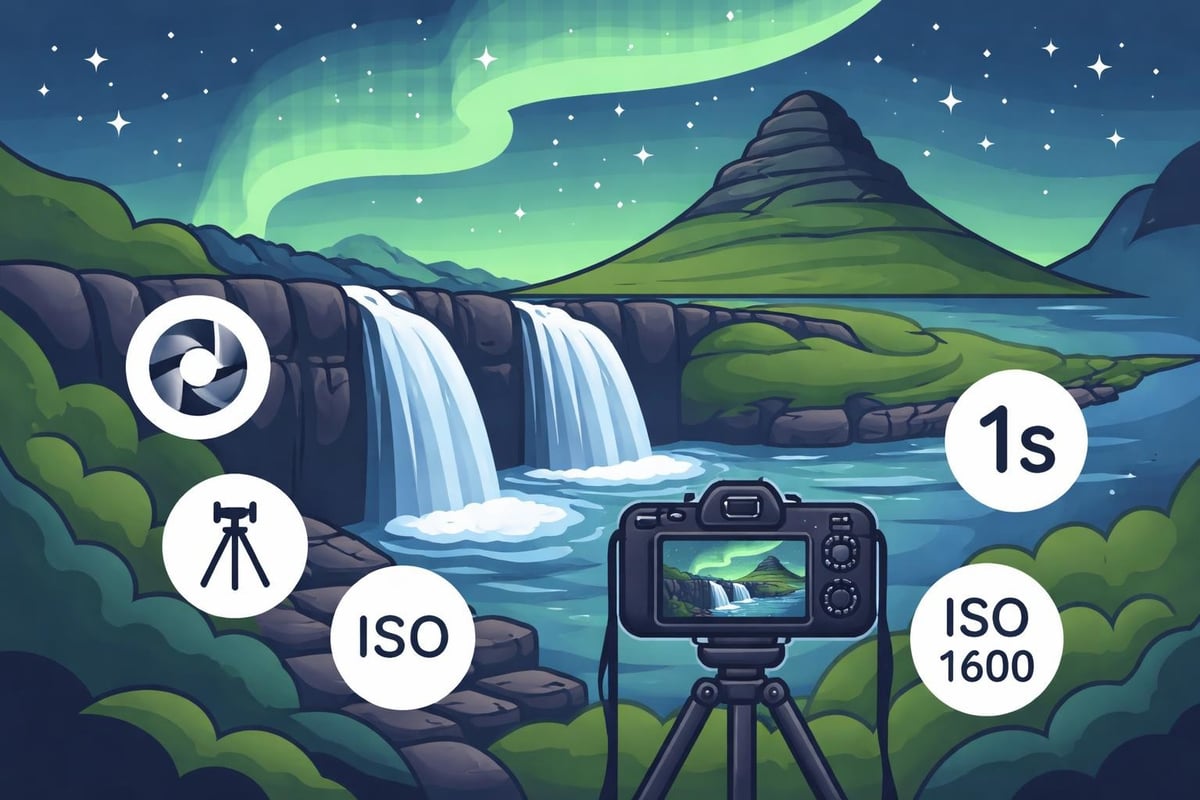
Camera Configuration for Kirkjufellsfoss Aurora Shots:
- ISO: 1600-3200 depending on aurora intensity
- Aperture: f/2.8 or wider for maximum light gathering
- Shutter Speed: 8-15 seconds (balances aurora movement with waterfall blur)
- Focus: Manual focus on hyperfocal distance or focus stacking technique
- White Balance: 3500-4000K to preserve natural aurora colors
The moving water presents a unique challenge during long exposures. While the aurora requires extended shutter times to capture detail, the waterfall creates excessive blur beyond 15-20 seconds. Experienced photographers often blend multiple exposures: one optimized for the aurora and another for the waterfall, combined in post-processing.
Light Pollution Considerations
Kirkjufellsfoss benefits from relatively dark skies despite its accessibility. The nearest significant town, Grundarfjörður, maintains minimal artificial lighting. However, car headlights from Highway 54 can interfere with long exposures. Planning visits during weeknight hours or positioning to block road views helps minimize this interference.
The waterfall itself receives no artificial illumination, preserving the natural darkness required for aurora photography. This stands in contrast to many tourist attractions that install floodlighting, making kirkjufellsfoss particularly valuable for authentic night sky photography.
Planning Your Visit to Kirkjufellsfoss
The European Waterfalls guide to kirkjufellsfoss emphasizes that timing significantly impacts your experience. While the waterfall flows year-round, seasonal variations affect both accessibility and visual character.
Best Times for Different Objectives
For Photography Enthusiasts:
- Winter (December-February): Maximum aurora opportunities, dramatic ice formations, minimal crowds
- Summer (June-July): Midnight sun creates unique golden hour lighting that lasts hours
- September-October: Balanced daylight hours, autumn colors, returning aurora season
For General Sightseeing:
- May-June: Accessible conditions, comfortable temperatures, extended daylight
- August-September: Stable weather patterns, fewer midges than earlier summer
- April: Shoulder season pricing, melting snow increases water volume
Travel Logistics from Reykjavik
Kirkjufellsfoss sits approximately 170 kilometers north of Reykjavik, requiring a 2-2.5 hour drive along Highway 1 and Highway 54. Most visitors incorporate the waterfall into a comprehensive Snæfellsnes Peninsula tour that includes additional attractions like Djúpalónssandur beach, Arnarstapi cliffs, and Búðir black church.
The journey from Reykjavik passes through varied landscapes:
- Hvalfjörður fjord (option to take tunnel or scenic route)
- Agricultural lowlands of Borgarfjörður
- Coastal approaches along Breiðafjörður bay
- Arrival at Grundarfjörður and kirkjufellsfoss
For those focused primarily on aurora photography, joining specialized northern lights tours provides expert guidance on timing, weather interpretation, and optimal positioning.
Combining Kirkjufellsfoss with Regional Attractions
The Snæfellsnes Peninsula offers concentrated natural diversity within a relatively compact area. Kirkjufellsfoss serves as an excellent anchor point for multi-day explorations or intensive single-day itineraries.
Nearby Natural Wonders
Within 30 Minutes of Kirkjufellsfoss:
| Attraction | Distance | Highlight Feature |
|---|---|---|
| Saxhóll Crater | 28 km | Accessible volcanic crater with panoramic views |
| Rauðfeldsgjá Gorge | 24 km | Hidden canyon accessible through narrow opening |
| Ólafsvík | 18 km | Traditional fishing village, whale watching tours |
| Ingjaldshólskirkja | 35 km | Historic church with coastal cemetery |
The waterfall's central location on the peninsula makes it an ideal starting or ending point for circular routes. Many visitors begin their day at kirkjufellsfoss during morning light, continue around the peninsula throughout the day, and return for sunset or aurora photography.
Cultural and Historical Context
Grundarfjörður, the nearby village, provides essential services including accommodations, restaurants, and fuel. The town maintains strong fishing industry traditions while adapting to tourism growth driven largely by kirkjufellsfoss popularity.
Local guides share stories about Kirkjufell mountain's name, which translates to "Church Mountain" due to its resemblance to a church steeple when viewed from certain angles. This cultural connection adds depth to the purely visual experience of kirkjufellsfoss and its mountainous backdrop.
Practical Photography Tips for Kirkjufellsfoss
Beyond basic camera settings, successful kirkjufellsfoss photography requires understanding site-specific challenges and opportunities. The waterfall's popularity means you'll rarely have the location entirely to yourself, necessitating patience and strategic timing.
Composition Strategies
Classic Kirkjufellsfoss Angles:
- Wide-angle view incorporating all three tiers with Kirkjufell centered
- Intimate close-up of the middle cascade using telephoto compression
- Reflection captures during calm conditions in foreground pools
- Aerial perspective from higher ground east of the falls
- Side-angle approach emphasizing the relationship between water and mountain
The most photographed composition positions viewers directly facing the waterfall with Kirkjufell rising behind. However, exploring alternative angles often yields more distinctive images. Moving to the eastern side of kirkjufellsfoss reveals different mountain profiles and reduces the number of other photographers in frame.
Equipment Recommendations
Essential gear for maximizing your kirkjufellsfoss experience includes items that handle Iceland's challenging weather conditions:
- Sturdy tripod: Critical for both daytime long exposures and aurora photography
- Wide-angle lens: 16-35mm range captures the full scene
- Neutral density filters: Enable extended daytime exposures for silky water effects
- Weather-sealed camera: Protection against mist and Iceland's frequent precipitation
- Extra batteries: Cold temperatures drain power rapidly
- Microfiber cloths: Constant mist creates lens-spotting issues
The proximity to the ocean means conditions can change rapidly. Rain gear and wind protection for both yourself and your equipment prevent abbreviated sessions when weather deteriorates.
Environmental Considerations and Responsible Tourism
As kirkjufellsfoss has grown in popularity, environmental impact has become a significant concern. The relatively small site experiences heavy foot traffic, leading to erosion around viewing areas and vegetation damage from visitors seeking unique angles.
Preserving the Natural Setting
Responsible visitors to kirkjufellsfoss observe several important practices:
- Remain on established paths and viewing platforms
- Avoid stepping on moss, which takes decades to regenerate in Iceland's climate
- Pack out all waste, including organic materials like food scraps
- Respect parking area boundaries to prevent grassland damage
- Minimize disturbance to other photographers and nature observers
The Icelandic concept of environmental stewardship applies strongly to high-traffic locations like kirkjufellsfoss. Each visitor's small actions compound when thousands pass through annually, making individual responsibility critical to long-term preservation.
Managing Expectations with Crowds
Summer months and optimal aurora season nights bring substantial visitor numbers to kirkjufellsfoss. Arriving during off-peak hours significantly improves the experience. Early morning visits (before 8 AM) and late evening sessions (after 10 PM outside of summer) typically encounter fewer people.
Weather patterns that deter casual visitors often create the most dramatic photographic conditions. Light rain, fog, or partially cloudy skies can produce atmospheric effects impossible during pristine conditions, while simultaneously reducing crowds.
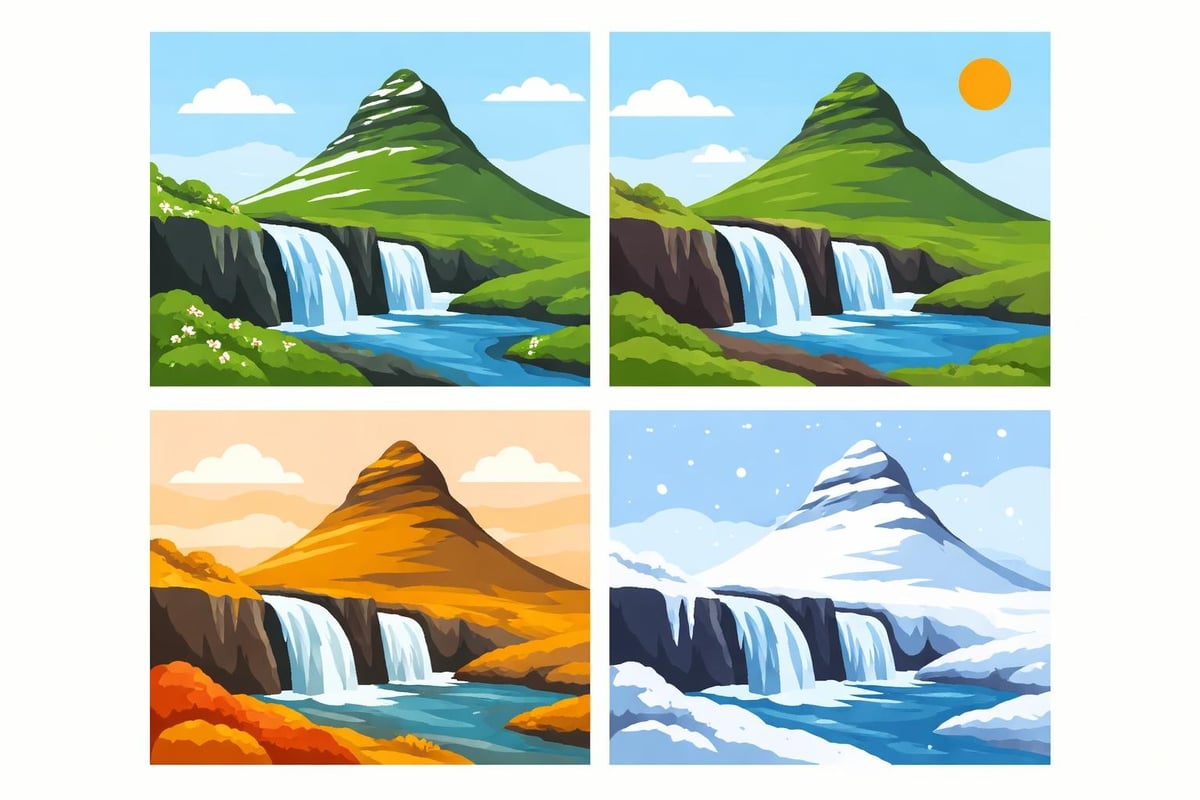
Kirkjufellsfoss Through the Seasons
Each season transforms kirkjufellsfoss into essentially different locations, offering varied experiences and photographic opportunities. Understanding these seasonal personalities helps visitors align their trip timing with personal priorities.
Winter's Frozen Majesty
January and February bring kirkjufellsfoss to its most challenging yet rewarding state. Temperatures frequently drop below freezing, creating ice formations along the waterfall edges and surrounding rocks. The reduced water flow during winter allows ice to build gradually, forming delicate frozen sculptures that catch light beautifully.
Winter also delivers maximum aurora potential. The combination of long nights, frequent clear periods between storms, and active solar cycles creates regular northern lights displays. Photographers willing to endure subfreezing temperatures capture images impossible during other seasons.
Spring's Transition Period
March through May sees kirkjufellsfoss awakening from winter dormancy. Increased daylight triggers snowmelt, gradually boosting water volume. Ice formations persist into April, creating a transitional period where winter and spring elements coexist.
This season offers moderate tourist numbers and improving accessibility as roads clear and services resume full schedules. The landscape retains winter's browns and tans, gradually introducing spring greens as temperatures rise.
Summer's Accessible Glory
June, July, and August transform kirkjufellsfoss into its most accessible incarnation. Road conditions reach optimal status, hiking paths remain completely clear, and extended daylight (including midnight sun phenomena in June) allows flexible visit timing.
Water volume peaks as glacial melt reaches maximum flow. The waterfall roars with increased power, creating substantial mist that can challenge photographers but adds atmospheric quality to the scene. Surrounding vegetation reaches full lushness, introducing vibrant greens to contrast with dark volcanic rock.
Autumn's Photographic Peak
September and October may represent kirkjufellsfoss at its photographic best. Tourist numbers decline significantly after summer, while weather patterns remain relatively stable. Water flow moderates from summer peaks but maintains substantial volume.
The return of dark nights in mid-September reestablishes aurora photography opportunities. Unlike deep winter, autumn offers this advantage with more moderate temperatures and better road conditions. Moss and limited vegetation display autumn colors, adding warm tones to compositions.
Beyond Photography: Experiencing Kirkjufellsfoss
While kirkjufellsfoss has earned fame through photography, the waterfall rewards purely experiential visits equally well. The sound of cascading water, the feeling of mist on your face, and the overwhelming presence of Kirkjufell create sensory experiences that transcend visual documentation.
Many visitors find that spending quiet time at kirkjufellsfoss without photography equipment allows fuller immersion in the environment. The constant water movement creates meditative qualities, while the surrounding landscape invites contemplation of geological time scales and natural processes.
Integration with Broader Iceland Exploration
Kirkjufellsfoss functions effectively as either a destination unto itself or as one component of comprehensive Iceland exploration. Its position on the Snæfellsnes Peninsula places it along natural routing for those traveling Iceland's Ring Road or focusing specifically on western Iceland.
The waterfall pairs logically with other Icelandic waterfall experiences. While kirkjufellsfoss offers intimate scale and compositional complexity, visiting larger falls like Gullfoss provides contrasting perspectives on Iceland's diverse water features. Similarly, comparing kirkjufellsfoss with more remote cascades highlights how accessibility and setting influence the visitor experience.
For those interested in geological features beyond waterfalls, nearby lava tunnels and volcanic formations provide complementary educational experiences that build understanding of the volcanic processes that created Iceland's landscape.
Kirkjufellsfoss stands as one of Iceland's most accessible yet genuinely spectacular natural attractions, offering rewards for both dedicated photographers and casual visitors throughout the year. Whether you're drawn by the prospect of capturing the perfect aurora photograph or simply want to experience Iceland's natural beauty, this modest waterfall delivers experiences that exceed its physical size. When you're ready to explore kirkjufellsfoss and the stunning Snæfellsnes Peninsula while maximizing your chances of witnessing the northern lights, Reykjavik Northern Lights provides expert-guided tours with live sky routing and local knowledge that transforms good trips into unforgettable adventures.