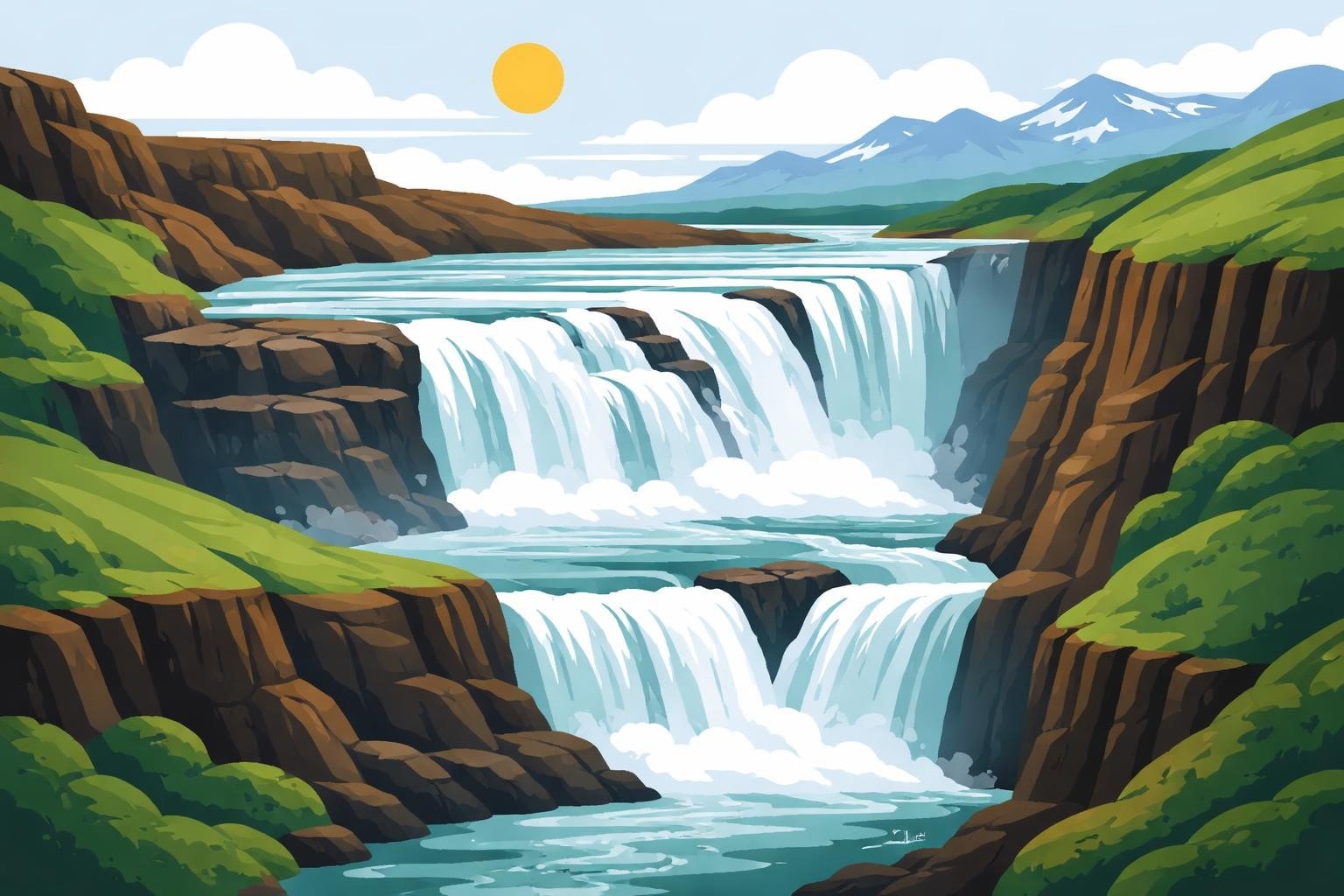
Iceland's landscape is defined by dramatic natural wonders, and few are as breathtaking as Gullfoss. This iconic waterfall, whose name translates to "Golden Falls," stands as one of the country's most visited natural attractions, drawing hundreds of thousands of visitors annually. Located along the popular Golden Circle route, Gullfoss represents not just geological magnificence but also a powerful story of environmental preservation that resonates through Iceland's history. Whether you're planning to chase the northern lights or explore Iceland's natural treasures during daylight hours, understanding what makes this waterfall so extraordinary will enhance your appreciation of the Icelandic wilderness.
Understanding the Geological Marvel of Gullfoss
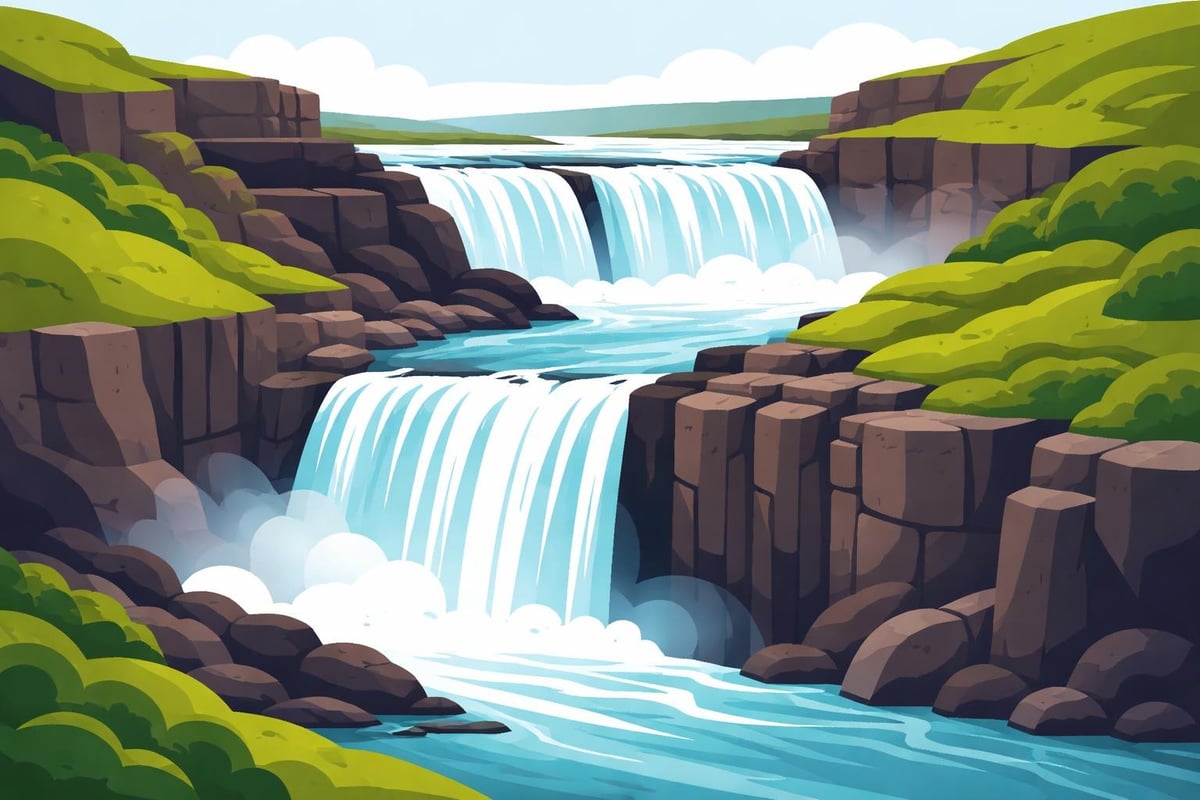
The formation of Gullfoss tells a story millions of years in the making. This powerful waterfall cascades in two distinct stages down the Hvítá river canyon, with the upper tier dropping approximately 11 meters and the lower tier plunging an additional 21 meters into a narrow crevice. The combined height of roughly 32 meters creates a spectacle that varies dramatically with seasonal changes in water flow.
The Power Behind the Falls
The Hvítá river, fed by Iceland's second-largest glacier Langjökull, delivers enormous volumes of water over Gullfoss throughout the year. During summer months, the average flow rate reaches approximately 140 cubic meters per second, but this can surge to over 2,000 cubic meters per second during glacial floods. This immense power has carved the distinctive canyon and continues to shape the landscape.
What makes the geological features of Gullfoss particularly fascinating is the near-perpendicular angle at which the water drops into the crevice. This creates a unique optical effect where, from certain viewing angles, the waterfall appears to vanish into the earth itself, adding to its mystique and visual drama.
| Season | Average Flow Rate | Visual Characteristics | Best Viewing Times |
|---|---|---|---|
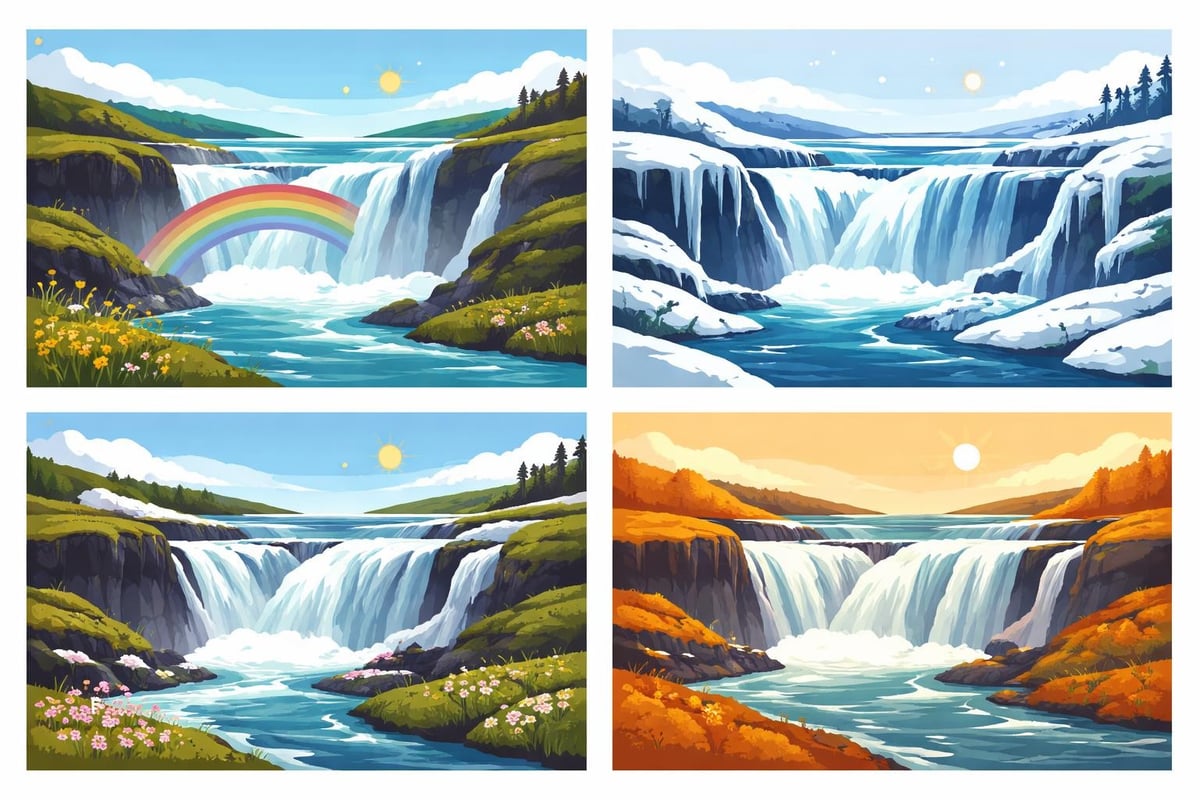
| Summer | 140 m³/s | Full rainbow displays | 10 AM to 4 PM |
| Winter | 109 m³/s | Ice formations, frozen spray | 11 AM to 2 PM |
| Spring | 200+ m³/s | Maximum power, glacial melt | Midday hours |
| Autumn | 110 m³/s | Balanced flow, fall colors | Morning light |
The volcanic bedrock underlying Gullfoss consists primarily of basalt layers from successive lava flows over thousands of years. These layers are clearly visible in the canyon walls, providing a geological timeline that fascinates scientists and visitors alike.
The Historic Preservation Story
The history of Gullfoss extends beyond natural formation into human determination and conservation. In the early 20th century, foreign investors sought to harness the waterfall's power for hydroelectric generation, which would have fundamentally altered or destroyed this natural wonder. The story of how Sigríður Tómasdóttir fought to preserve Gullfoss has become legendary in Icelandic environmental history.
A Daughter's Determination
Sigríður, whose father owned the land containing Gullfoss, walked barefoot to Reykjavik multiple times to protest the development plans. She threatened to throw herself into the falls if the project proceeded, demonstrating extraordinary dedication to preservation. Though the legal battles were complex and she ultimately did not own the land rights herself, her passionate advocacy inspired others and contributed to the eventual abandonment of the hydroelectric project.
This preservation victory predated Iceland's formal environmental protection movements and helped establish a cultural precedent for protecting natural sites. Today, Gullfoss stands as a protected natural monument, ensuring that future generations can experience its raw power and beauty, much like those exploring other remarkable waterfalls throughout Iceland.
Planning Your Visit to Gullfoss
Accessibility makes Gullfoss one of Iceland's most visitor-friendly natural attractions, though planning remains essential for the best experience. The waterfall's location along the Golden Circle route, approximately 110 kilometers from Reykjavik, means it integrates seamlessly into day trip itineraries exploring multiple landmarks.
Best Times and Seasons
Each season offers distinct advantages for visiting Gullfoss:
Summer (June-August)
- Extended daylight hours for photography
- Full water flow creating spectacular mist
- Accessible walking paths to multiple viewpoints
- Crowded conditions requiring early arrival
Winter (December-February)
- Dramatic ice formations along canyon walls
- Fewer crowds providing intimate experiences
- Potential for northern lights viewing after sunset
- Limited daylight requiring midday visits
Spring and Autumn
- Moderate crowds and pleasant temperatures
- Glacial melt in spring increases flow dramatically
- Autumn colors complement the landscape
- Variable weather requiring flexibility
The visitor center hours and seasonal considerations help determine optimal timing for your visit. Understanding that weather conditions in Iceland can change rapidly, regardless of season, ensures you're prepared with appropriate clothing and flexible scheduling.
Getting There and Navigating the Site
Multiple access points serve visitors to Gullfoss, with detailed location and GPS coordinates available for navigation. The site features:
- Paved parking areas with capacity for buses and private vehicles
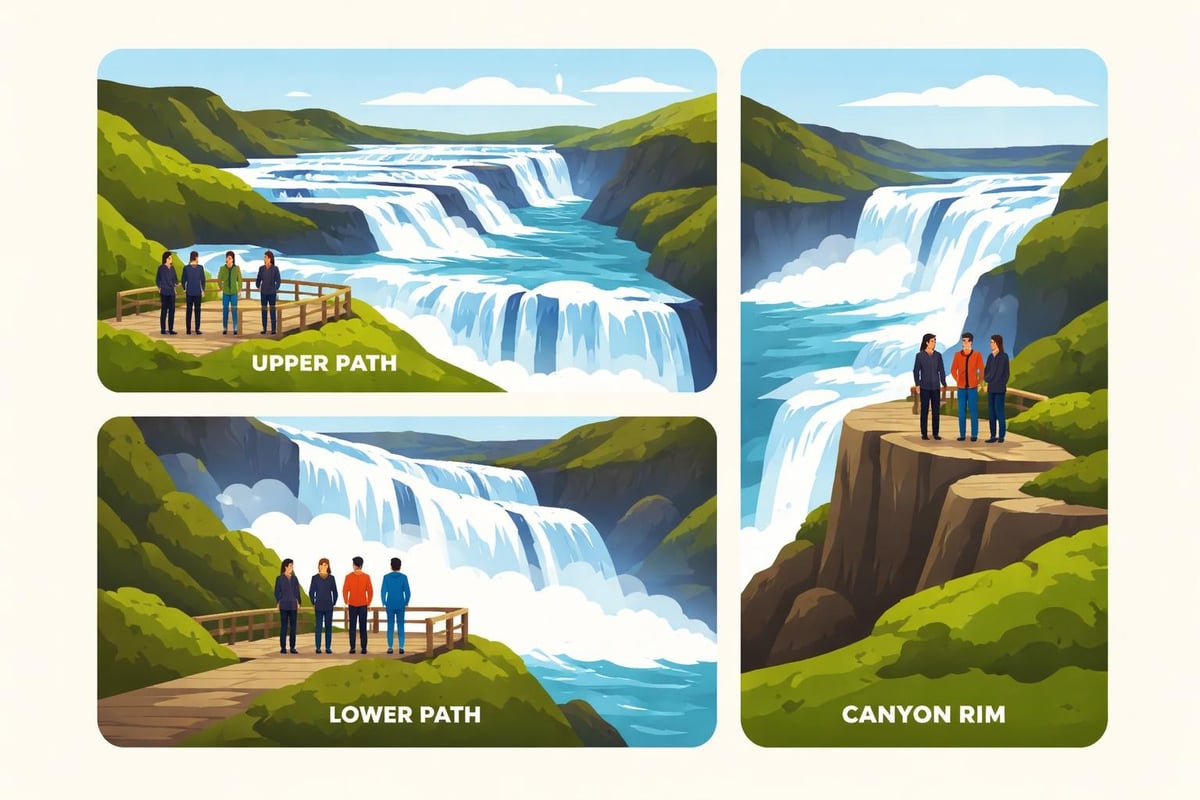
- Marked walking paths connecting viewing platforms
- Upper path providing panoramic perspectives
- Lower path offering closer waterfall access
- Accessibility considerations for mobility-challenged visitors
Visitors integrating Gullfoss into a Golden Circle route exploration typically spend 45 minutes to 90 minutes at the site, allowing time to experience multiple viewpoints and photograph the falls from various angles.
Photographic Opportunities and Techniques
Photographers rank Gullfoss among Iceland's most rewarding subjects, offering diverse compositional possibilities throughout the day and across seasons. The interplay of water, light, and landscape creates constantly changing visual conditions that challenge and inspire creative documentation.
Capturing the Perfect Shot
Several factors contribute to successful Gullfoss photography:
- Morning light illuminates the mist creating rainbow effects
- Overcast conditions reduce harsh contrasts in the white water
- Long exposures smooth water movement for ethereal effects
- Fast shutter speeds freeze water droplets mid-cascade
- Wide angles capture the full canyon context
- Telephoto lenses isolate specific cascade sections
The extensive image collection available through Wikimedia Commons demonstrates the remarkable variety of perspectives and conditions photographers encounter at this location. Studying these images before your visit helps identify preferred shooting locations and optimal timing.
| Photography Challenge | Solution | Equipment Recommendation |
|---|---|---|
| Mist on lens | Microfiber cloth, lens hood | Weather-sealed camera |
| Harsh midday light | Polarizing filter, HDR technique | ND filters |
| Unstable footing | Tripod with spiked feet | Sturdy carbon fiber |
| Rapidly changing weather | Weather protection, backup batteries | Weatherproof bag |
Winter photography at Gullfoss presents unique opportunities with ice formations transforming the landscape into a frozen wonderland. However, the extreme cold demands extra battery capacity and weather protection for both photographer and equipment.
Combining Gullfoss with Northern Lights Experiences
While Gullfoss itself is a daytime attraction, its location makes it an excellent component of extended tours that continue into evening hours for aurora viewing. Understanding how to structure your day around both natural spectacles maximizes your Icelandic adventure.
Daytime Exploration, Nighttime Wonder
The strategic position of Gullfoss within the Golden Circle creates opportunities for comprehensive day-to-night experiences. After exploring the waterfall and nearby attractions like Geysir and Þingvellir National Park during daylight hours, visitors can position themselves in the surrounding countryside for optimal northern lights viewing after dark.
Rural locations near Gullfoss offer minimal light pollution, creating favorable conditions for aurora photography and observation. The same weather systems that bring clear skies for waterfall photography often persist into evening, increasing northern lights visibility chances during winter months.
Many visitors exploring adventure tours throughout Iceland discover that combining multiple natural wonders in single-day or multi-day itineraries provides comprehensive experiences of Iceland's diverse landscapes.
Practical Visitor Information
Successful visits to Gullfoss require attention to practical details that ensure comfort, safety, and enjoyment. The comprehensive practical information available covers essential considerations that many first-time visitors overlook.
Facilities and Amenities
The visitor center at Gullfoss provides:
- Restroom facilities available year-round
- Small café offering refreshments and light meals
- Gift shop featuring Icelandic products
- Information displays about waterfall geology and history
- Parking areas with disabled access spaces
Safety Considerations
Visiting Gullfoss safely requires awareness of several factors:
- Weather changes rapidly in Iceland, requiring layered clothing
- Paths become slippery when wet or icy, demanding proper footwear
- Barriers exist for protection, respecting them prevents accidents
- Wind near canyon rim can be extremely strong, particularly in winter
- Viewing platforms offer safest perspectives for photography and observation
The power evident in comprehensive waterfall data reminds visitors that despite accessible viewing areas, Gullfoss remains a formidable natural force demanding respect and caution.
Environmental Responsibility and Conservation
Modern visitors to Gullfoss bear responsibility for preserving this natural wonder for future generations. The conservation ethic that saved the waterfall from development in the early 1900s continues through contemporary sustainable tourism practices.
Leave No Trace Principles
Applying these guidelines ensures minimal environmental impact:
- Stay on designated paths to prevent erosion
- Pack out all trash and recyclables
- Respect barriers and protected areas
- Avoid disturbing wildlife or vegetation
- Support sustainable tourism operators
The growing popularity of Gullfoss, documented through increasing annual visitor numbers, makes individual responsibility more critical. Each visitor's choices collectively determine whether this natural treasure remains pristine or suffers degradation from excessive tourism pressure.
Iceland's approach to protecting natural areas balances accessibility with preservation, creating frameworks that allow visitation while maintaining ecological integrity.
Cultural Significance in Icelandic Identity
Beyond its geological and aesthetic value, Gullfoss holds deep cultural significance within Icelandic national identity. The waterfall appears in literature, art, music, and film, serving as a symbol of natural power and environmental stewardship that resonates throughout Icelandic culture.
Folklore and Legend
Traditional Icelandic stories incorporate Gullfoss into narratives about the land's supernatural inhabitants. Tales of hidden people and mystical forces associated with powerful natural features reflect the deep connection between Icelanders and their dramatic landscape, similar to stories about trolls and elves found throughout the country.
The waterfall's preservation story has itself become a modern legend, teaching successive generations about the importance of protecting natural heritage against commercial exploitation. This narrative strength continues inspiring environmental activism throughout Iceland and beyond.
Integration with Broader Iceland Exploration
While Gullfoss stands as a remarkable destination in its own right, most visitors experience it as part of broader Iceland exploration. Understanding how the waterfall fits within regional and national touring patterns helps maximize travel efficiency and enjoyment.
The Golden Circle route, featuring Gullfoss as one of three primary stops alongside Geysir geothermal area and Þingvellir National Park, represents Iceland's most popular day trip from Reykjavik. This circuit typically requires five to eight hours, depending on time spent at each location and whether additional stops are included.
Visitors with extended Iceland itineraries often use Gullfoss as a starting point for ventures into the highlands, accessing remote locations like Landmannalaugar or Kerlingarfjöll that showcase Iceland's volcanic interior. These combinations create comprehensive experiences spanning coastal, lowland, and highland environments within single trips.
The comprehensive overview available through Wikipedia provides additional context about Gullfoss's place within Iceland's natural and cultural landscape, offering depth for those seeking detailed knowledge before visiting.