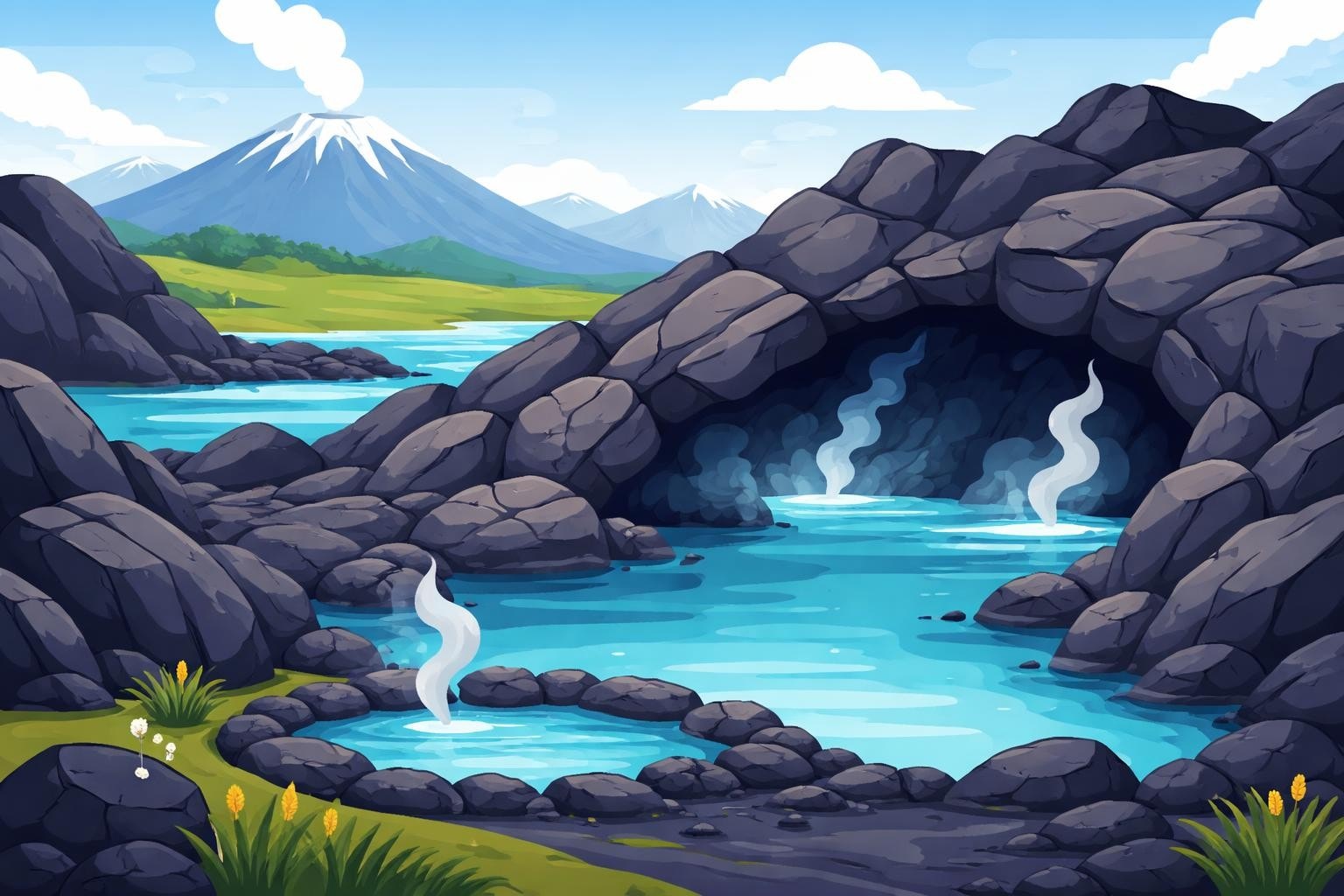
Nestled in the rugged terrain of North Iceland lies Grjótagjá, a small but captivating geothermal cave that has captured the imagination of travelers worldwide. This natural wonder, formed by volcanic activity and tectonic movement along the Mid-Atlantic Ridge, combines Iceland's dramatic geological heritage with contemporary pop culture fame. Once a beloved bathing spot for locals, Grjótagjá now stands as a testament to the raw power of nature and the delicate balance between tourism and environmental preservation. For visitors exploring Iceland's northern regions while searching for the aurora borealis, this geological marvel offers a unique glimpse into the island's volcanic heart.
Understanding Grjótagjá's Geological Significance
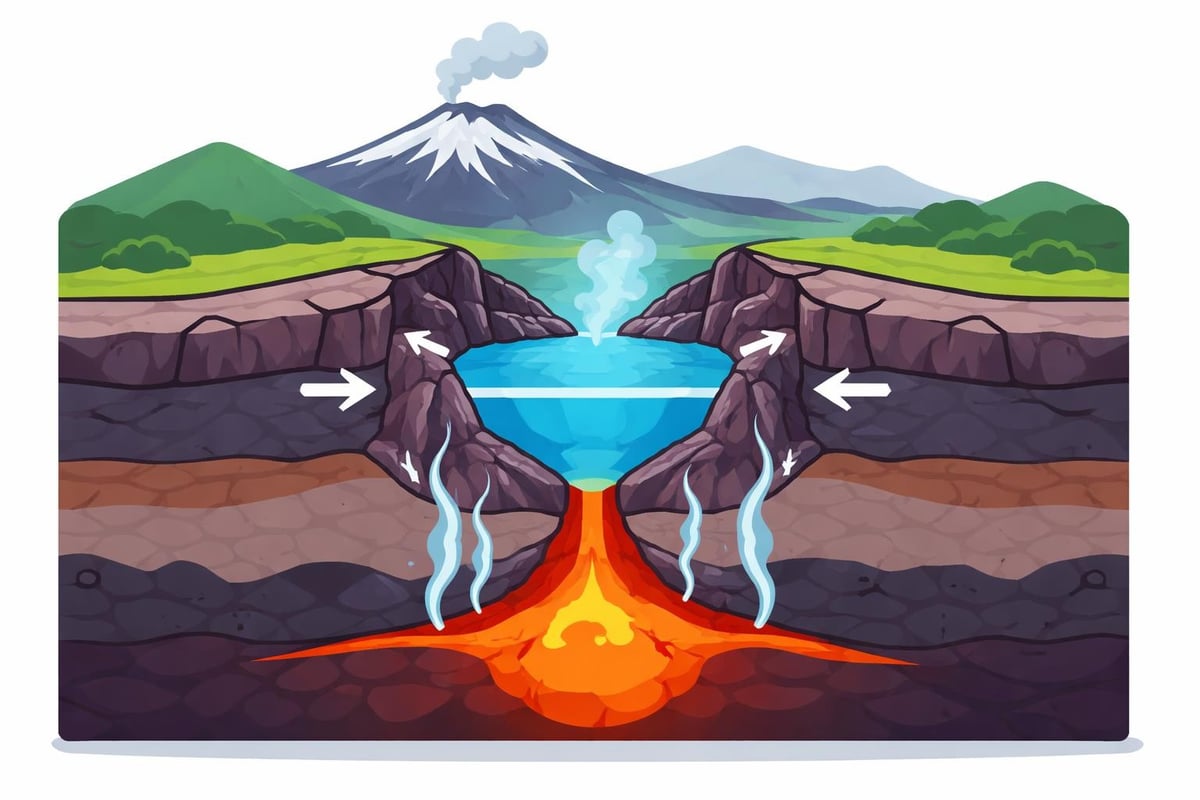
Grjótagjá represents a remarkable example of Iceland's continuous geological evolution. The cave sits directly on the Mid-Atlantic Ridge, where the North American and Eurasian tectonic plates diverge at approximately 2.5 centimeters annually. This gradual separation creates fissures throughout the landscape, and Grjótagjá emerged as one of these dramatic rifts filled with geothermally heated water.
The cave's formation process demonstrates the dynamic nature of Iceland's volcanic systems. Magma chambers beneath the surface heat groundwater to temperatures that can exceed 60 degrees Celsius (140 degrees Fahrenheit). This superheated water rises through cracks in the bedrock, creating the steaming pools that characterize Grjótagjá today.
The Cave's Physical Characteristics
The cave system consists of two main chambers connected by underground passages. Visitors can access the larger chamber through a natural opening in the rock, while the smaller section remains more hidden and challenging to reach. The geological formation of Grjótagjá classifies it as a blister cave, created when molten lava flows over wet ground, causing steam explosions that form cavities.
| Feature | Description | Current Status |
|---|---|---|
| Water Temperature | 43-60°C (109-140°F) | Too hot for bathing |
| Cave Length | Approximately 60 meters | Accessible to visitors |
| Depth | 3-4 meters average | Varies by chamber |
| Formation Type | Blister cave | Active geothermal site |
Historical Context and Cultural Heritage
For generations, locals used Grjótagjá as a natural bathing spot, taking advantage of the warm geothermal waters in Iceland's harsh climate. The cave provided a sheltered refuge where people could relax and socialize while enjoying the therapeutic benefits of the mineral-rich water. This tradition continued until significant volcanic activity in the 1970s dramatically altered the site's character.
The 1975-1984 Volcanic Events
The Krafla Fires, a series of volcanic eruptions and seismic events between 1975 and 1984, transformed Grjótagjá permanently. These powerful geological episodes raised the water temperature to dangerous levels, making bathing impossible and unsafe. The increased heat also widened existing fissures and created new cracks throughout the cave system.
Key impacts of the Krafla Fires included:
- Temperature elevation from comfortable bathing range to scalding levels
- Structural changes to cave walls and ceiling stability
- Expansion of the rift valley surrounding the site
- Altered water chemistry and mineral content
The comprehensive history of Grjótagjá reveals how this small cave mirrors Iceland's larger geological narrative, where human activity must constantly adapt to volcanic forces.
The Game of Thrones Effect
Grjótagjá achieved international recognition when it appeared in the HBO series "Game of Thrones" during the third season. The cave served as the romantic meeting place for Jon Snow and Ygritte, introducing millions of viewers to this hidden Icelandic treasure. This exposure triggered a dramatic increase in visitor numbers, transforming Grjótagjá from a local curiosity into a must-see destination for fans and tourists alike.
The cultural impact of Game of Thrones filming at Grjótagjá demonstrates how popular media influences modern tourism patterns. Following the episodes' broadcast, the site experienced unprecedented foot traffic, raising concerns about environmental protection and visitor safety.
Tourism Management Challenges
The surge in popularity created several management issues that continue to affect Grjótagjá today:
- Overcrowding during peak season - Summer months see hundreds of daily visitors
- Safety concerns - Unstable cave structures and hot water pose risks
- Environmental degradation - Increased foot traffic damages fragile geological features
- Infrastructure limitations - Minimal facilities for large tourist groups
Site managers have implemented protective measures including warning signs, restricted access to certain areas, and educational materials about respectful visitation. These efforts aim to preserve Grjótagjá for future generations while accommodating legitimate tourism interest.
Visiting Grjótagjá: Practical Information
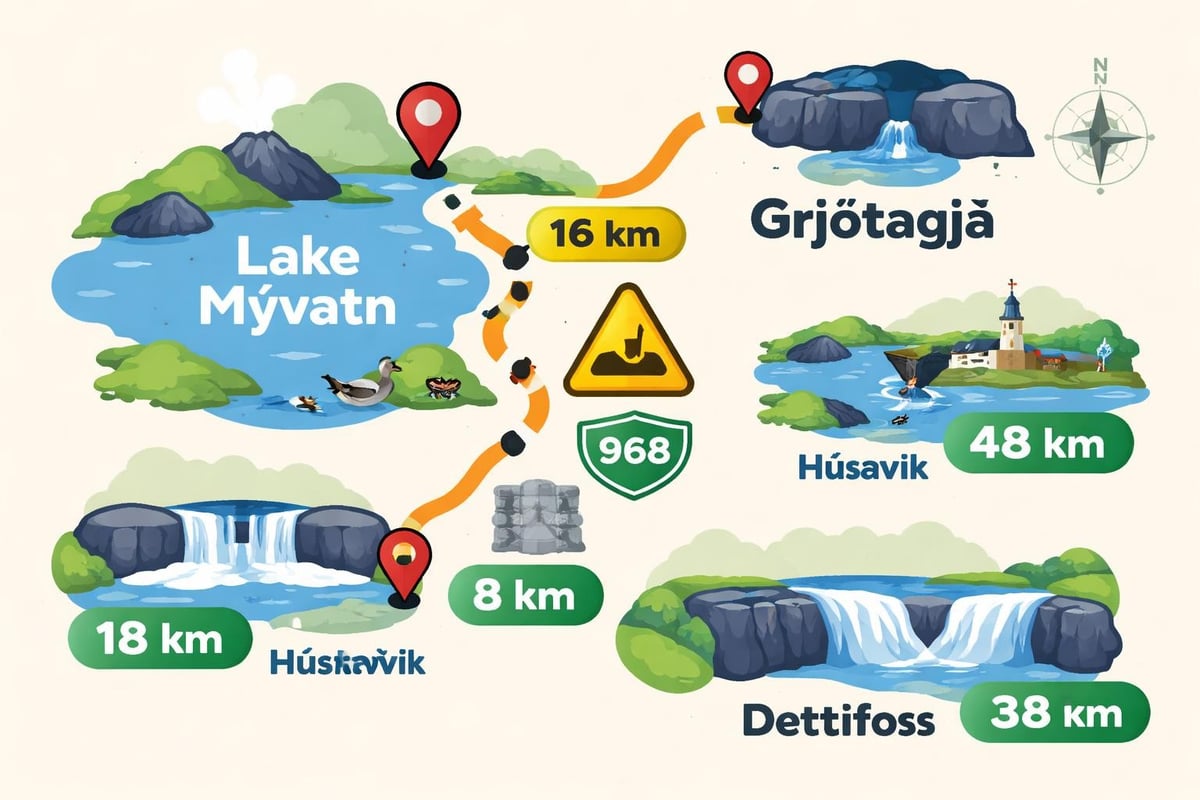
Located approximately 8 kilometers east of Lake Mývatn, Grjótagjá sits within one of Iceland's most geologically active regions. The cave is easily accessible from Route 860, with a small parking area nearby. For travelers exploring northern Iceland's attractions, Grjótagjá makes an excellent addition to a comprehensive itinerary.
Getting There
Driving directions from popular starting points:
- From Akureyri: 90 kilometers, approximately 1 hour 15 minutes via Route 1 and Route 860
- From Reykjavik: 475 kilometers, approximately 6 hours via Route 1
- From Húsavík: 55 kilometers, approximately 45 minutes via Route 87 and Route 1
The practical visitor information for Grjótagjá emphasizes the importance of proper vehicle selection, especially during winter months when roads may require four-wheel-drive capability.
Best Times to Visit
Grjótagjá remains accessible year-round, though conditions vary significantly by season. Summer visitors enjoy extended daylight hours and easier road conditions, while winter travelers face shorter days but may witness the northern lights dancing above the rift valley. The cave's proximity to dark sky areas makes it an excellent location for aurora viewing when combined with guided northern lights tours.
| Season | Advantages | Considerations |
|---|---|---|
| Summer (June-Aug) | Midnight sun, warm weather, easy access | Crowded, higher prices |
| Autumn (Sept-Nov) | Aurora season begins, fewer crowds | Variable weather, shorter days |
| Winter (Dec-Feb) | Northern lights peak, dramatic landscapes | Difficult driving, very cold |
| Spring (Mar-May) | Improving weather, aurora still visible | Unpredictable conditions |
Safety Considerations and Environmental Ethics
Visiting Grjótagjá requires awareness of both personal safety and environmental responsibility. The cave's unique characteristics present specific hazards that all visitors should understand before exploring the site.
Physical Safety Guidelines
The elevated water temperature at Grjótagjá makes bathing strictly prohibited. Despite tempting appearances, the water can cause severe burns within seconds of contact. Additionally, the cave structure shows signs of instability in certain areas, with loose rocks and weakened ceiling sections posing falling hazards.
Essential safety practices include:
- Maintaining safe distance from the water's edge
- Wearing sturdy footwear with good traction
- Avoiding touching cave walls or ceiling structures
- Supervising children closely at all times
- Respecting posted warning signs and barriers
The safety information and accessibility details for Grjótagjá stress the importance of personal responsibility in this minimally regulated environment.
Environmental Protection Principles
Iceland's natural sites face increasing pressure from tourism growth, and Grjótagjá exemplifies the need for responsible visitor behavior. The cave's delicate geological features can be permanently damaged by careless actions, and the surrounding ecosystem requires protection from human impact.
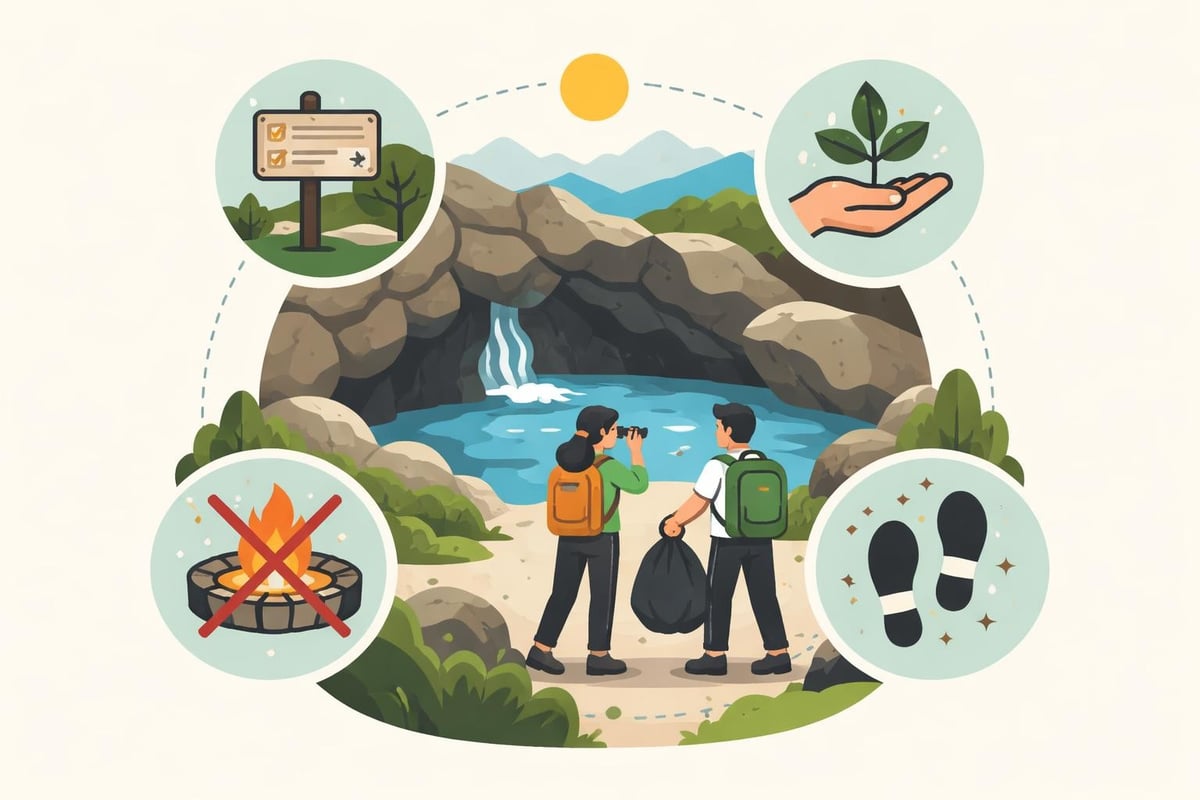
Travelers should adhere to Leave No Trace principles, which include packing out all waste, staying on designated paths, and avoiding any actions that might disturb the site's natural state. Photography is permitted and encouraged, but visitors should resist the temptation to collect rocks or other geological samples as souvenirs.
Grjótagjá Within the Diamond Circle Route
Grjótagjá serves as one of the highlights along North Iceland's Diamond Circle, a scenic route that rivals the famous Golden Circle in geological diversity and natural beauty. This 260-kilometer circuit connects several of the region's most impressive attractions, creating an ideal framework for exploring Iceland's northern wonders.
Complementary Attractions Nearby
Within 30 kilometers of Grjótagjá, visitors can explore:
- Lake Mývatn and its unique pseudo-craters
- Hverir geothermal area with bubbling mud pools
- Dimmuborgir lava formations and walking trails
- Námafjall mountain with panoramic views
- Krafla volcano and geothermal power station
The Diamond Circle information positions Grjótagjá as an essential stop for understanding the region's volcanic character and ongoing geological processes.
Creating a Comprehensive Itinerary
Travelers planning to visit Grjótagjá benefit from allocating at least two to three days for exploring the broader Lake Mývatn region. This timeframe allows for thorough exploration of multiple sites without rushing, and provides flexibility for weather-dependent activities like hiking adventures and aurora viewing.
Morning visits to Grjótagjá typically offer the best lighting conditions for photography and the calmest atmosphere before tour groups arrive. The cave's compact size means most visitors spend 20-30 minutes on-site, though photographers and geology enthusiasts may linger longer to capture the perfect images or study the rock formations in detail.
Photography Tips for Grjótagjá
The cave's dramatic lighting conditions and striking geological features create exceptional photographic opportunities. The contrast between the dark volcanic rock and the bright blue thermal water produces visually stunning compositions that capture Iceland's raw beauty.
Technical Considerations
Optimal camera settings for Grjótagjá:
- Wide-angle lens (16-35mm) to capture the full cave interior
- Tripod for stability in low-light conditions
- ISO 800-1600 depending on available light
- Slow shutter speeds to smooth water surface
- Bracketed exposures to handle high contrast scenes
Natural light enters through the cave opening, creating dramatic shadows and highlighting the steam rising from the water. Early morning and late afternoon produce the most attractive light angles, while midday sun can create harsh contrasts that challenge even experienced photographers.
Composition Strategies
The cave's confined space requires creative framing to avoid cluttered compositions. Successful photographs often emphasize the relationship between the cave's rough volcanic walls and the serene water surface, or capture the interplay of light and shadow on the rock formations. Including human elements for scale helps viewers appreciate the cave's dimensions.
The Future of Grjótagjá
As Iceland continues to experience record tourism growth, the long-term preservation of sites like Grjótagjá becomes increasingly important. Balancing public access with environmental protection requires ongoing management efforts and visitor education initiatives.
Conservation Initiatives
Recent discussions among local authorities and conservation groups have focused on implementing more structured visitor management at Grjótagjá. Proposed measures include designated viewing platforms, improved safety barriers, and potential limitations on daily visitor numbers during peak season. These interventions aim to protect both the cave's geological integrity and visitor safety while maintaining the site's accessibility.
The historical evolution and current status of Grjótagjá illustrate how volcanic sites must adapt to changing conditions while preserving their essential character.
Ongoing Geological Activity
Grjótagjá remains an active geothermal site where conditions continue to evolve. Scientists monitor water temperature fluctuations and structural changes as indicators of broader volcanic system activity. These measurements contribute to understanding the Krafla volcanic system and predicting potential future eruptions in the region.
The cave serves as a natural laboratory where researchers study geothermal processes, tectonic movement, and the interaction between groundwater and volcanic heat sources. This scientific value adds another dimension to Grjótagjá's significance beyond its tourism appeal and cultural associations.
Planning Your North Iceland Adventure
For travelers incorporating Grjótagjá into a broader Icelandic journey, the site exemplifies the country's accessible geological wonders. Unlike some remote attractions that require specialized equipment or guided access, Grjótagjá welcomes independent visitors who follow basic safety guidelines and respect environmental protection principles.
The combination of easy accessibility, dramatic natural beauty, and cultural significance makes Grjótagjá an essential destination for understanding Iceland's volcanic character. Whether you're drawn by Game of Thrones nostalgia, geological interest, or simple curiosity about Iceland's hidden treasures, this small cave delivers an outsized experience that captures the essence of the island's raw natural power.
Visitors exploring the region for northern lights viewing opportunities find that Grjótagjá's location in North Iceland's dark sky area provides excellent aurora photography potential when weather conditions cooperate. The surrounding rift valley creates dramatic foreground elements that enhance northern lights images with Iceland's distinctive volcanic landscape.
Grjótagjá stands as a powerful reminder of Iceland's dynamic geological forces and the need for responsible tourism practices that preserve natural wonders for future generations. The cave's transformation from local bathing spot to international tourist destination illustrates both the opportunities and challenges of modern travel. When you're ready to explore North Iceland's remarkable landscapes and witness the dancing northern lights above volcanic terrain, Reykjavik Northern Lights offers expert-guided tours that combine natural wonder with local knowledge, ensuring you experience Iceland's magic safely and memorably.