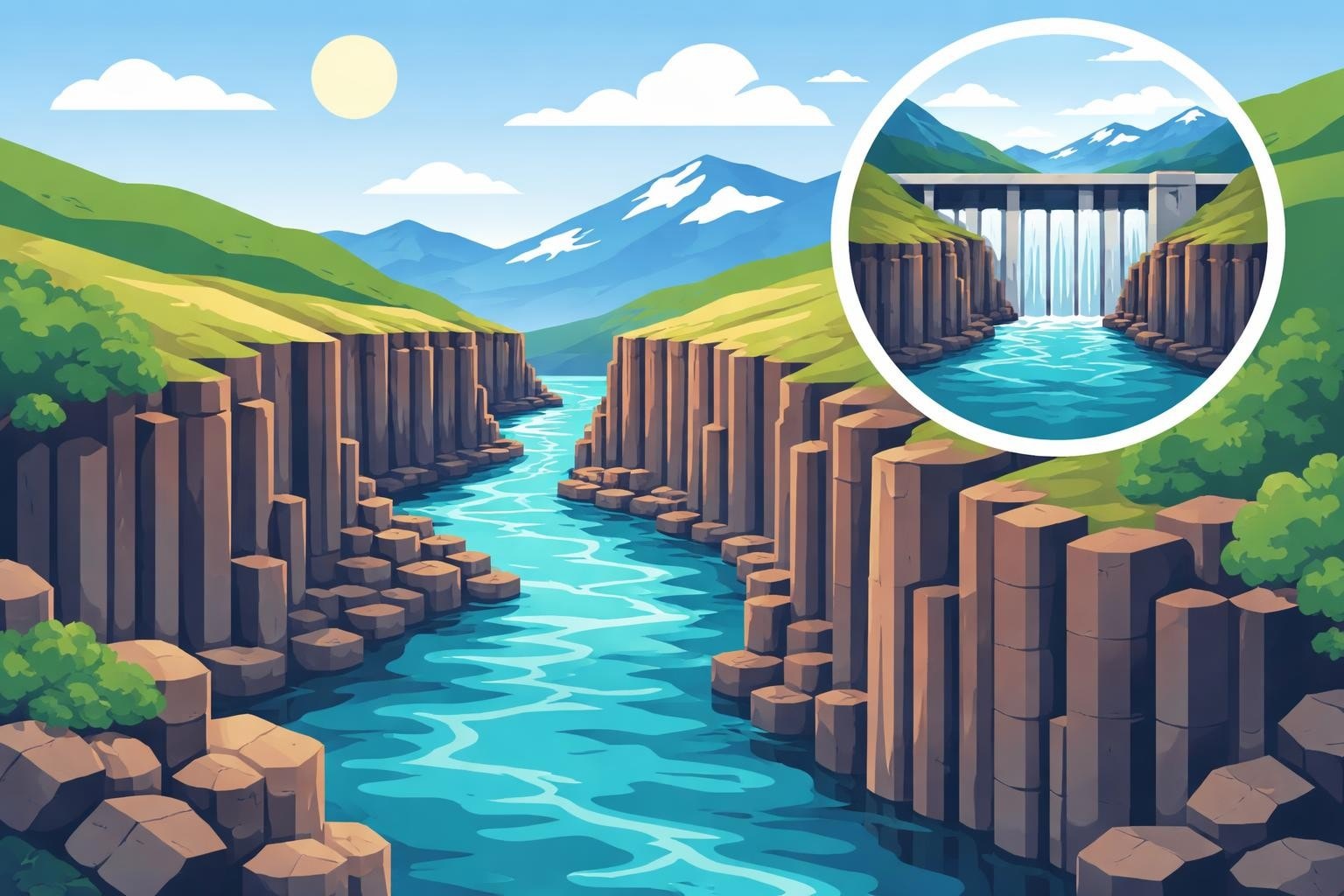
Iceland continues to reveal geological wonders that captivate travelers from around the world, and studlagil canyon stands among the most remarkable discoveries of the past decade. Nestled in the East Highlands, this breathtaking canyon features towering basalt columns that frame a brilliant turquoise river, creating a landscape that seems almost otherworldly. Once hidden beneath the glacial waters of Jökulsá á Dal, the canyon became accessible only after the construction of the Kárahnjúkar hydroelectric dam reduced water levels, exposing this natural masterpiece to visitors and photographers seeking Iceland's most dramatic scenery.
Geological Formation and Discovery
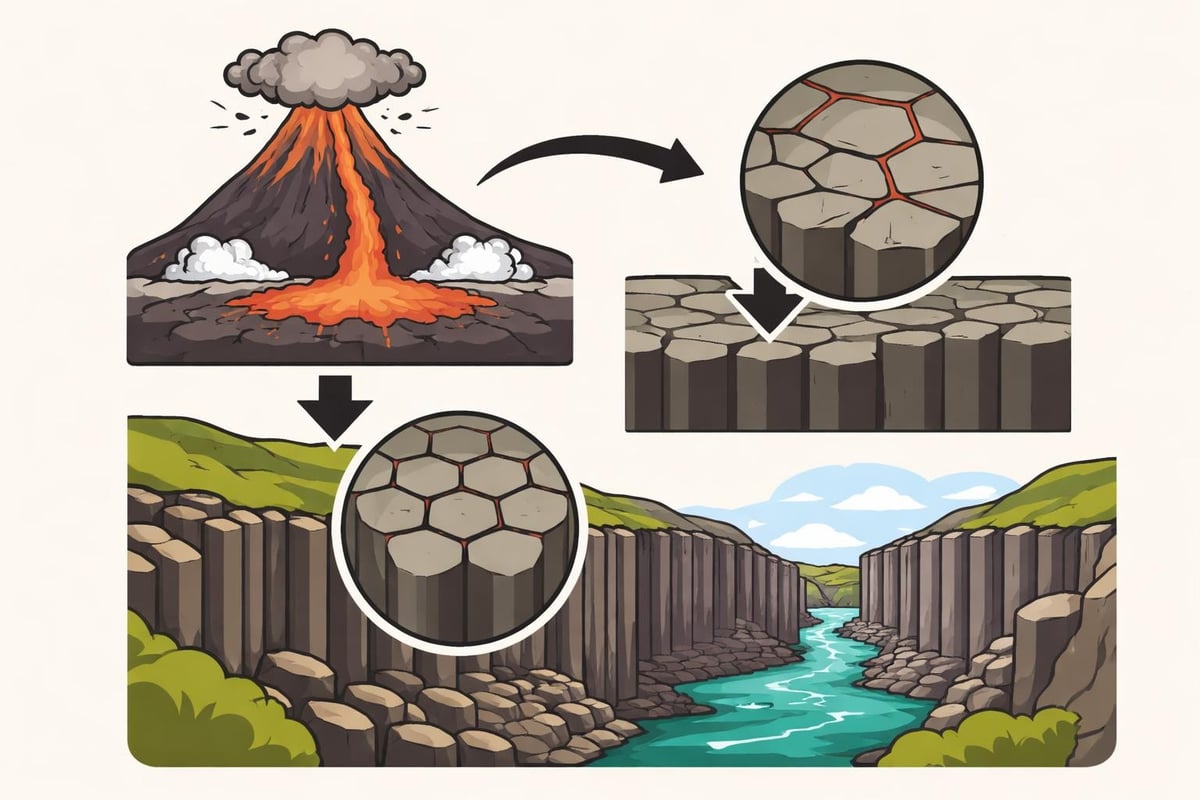
The basalt columns that define studlagil canyon formed through volcanic processes thousands of years ago. When lava flows cooled rapidly and contracted, they created the distinctive hexagonal patterns visible throughout the canyon walls today. These formations, technically known as columnar jointing, represent one of nature's most precise geometric achievements.
What makes this location particularly special is its relatively recent accessibility. Prior to 2009, the Jökulsá á Dal river flowed at much higher volumes, completely obscuring the canyon's remarkable features beneath glacial meltwater. The construction of the Kárahnjúkar dam upstream fundamentally changed the river's flow patterns, reducing water levels enough to reveal the spectacular basalt formations that had remained hidden for millennia.
The Role of Iceland's Glacial Rivers
Iceland's glacial rivers carry sediment that gives them a distinctive milky appearance, but the reduced flow at studlagil canyon has allowed the water to take on a stunning blue-green hue. This color contrast against the dark basalt creates the photographic appeal that has made the canyon famous among landscape photographers worldwide. The transformation from a powerful glacial torrent to a calmer, clearer river has fundamentally altered the canyon's character and accessibility.
The geological processes that created these basalt columns showcase natural precision rarely seen elsewhere in the world. Each column represents a cooling center in the original lava flow, and the uniformity of their formation demonstrates the consistent conditions under which the lava cooled.
Planning Your Visit
Access to studlagil canyon requires careful planning, as the location sits in Iceland's remote East Highlands region. The canyon lies approximately 80 kilometers southwest of Egilsstaðir, the largest town in East Iceland, making it a significant detour from the popular Ring Road circuit.
Best Time to Visit
Summer months (June through August) offer the most reliable access:
- Road conditions are optimal with minimal snow
- Extended daylight hours provide flexibility for photography
- River levels remain stable and predictable
- Weather conditions are generally more favorable
Shoulder season considerations (May and September):
- Fewer crowds at popular viewpoints
- Potential for dramatic lighting conditions
- Road conditions can be variable
- Some facilities may have reduced hours
Winter visits remain challenging due to road closures and harsh weather conditions. The highland roads leading to studlagil canyon typically close from October through April, making summer the practical choice for most travelers.
| Season | Road Access | Crowds | Photography Conditions | Difficulty Level |
|---|---|---|---|---|
| Summer | Full | High | Excellent | Moderate |
| Spring | Limited | Low | Variable | Challenging |
| Fall | Limited | Low | Dramatic | Challenging |
| Winter | Closed | None | N/A | Extreme |
Accessing the Canyon
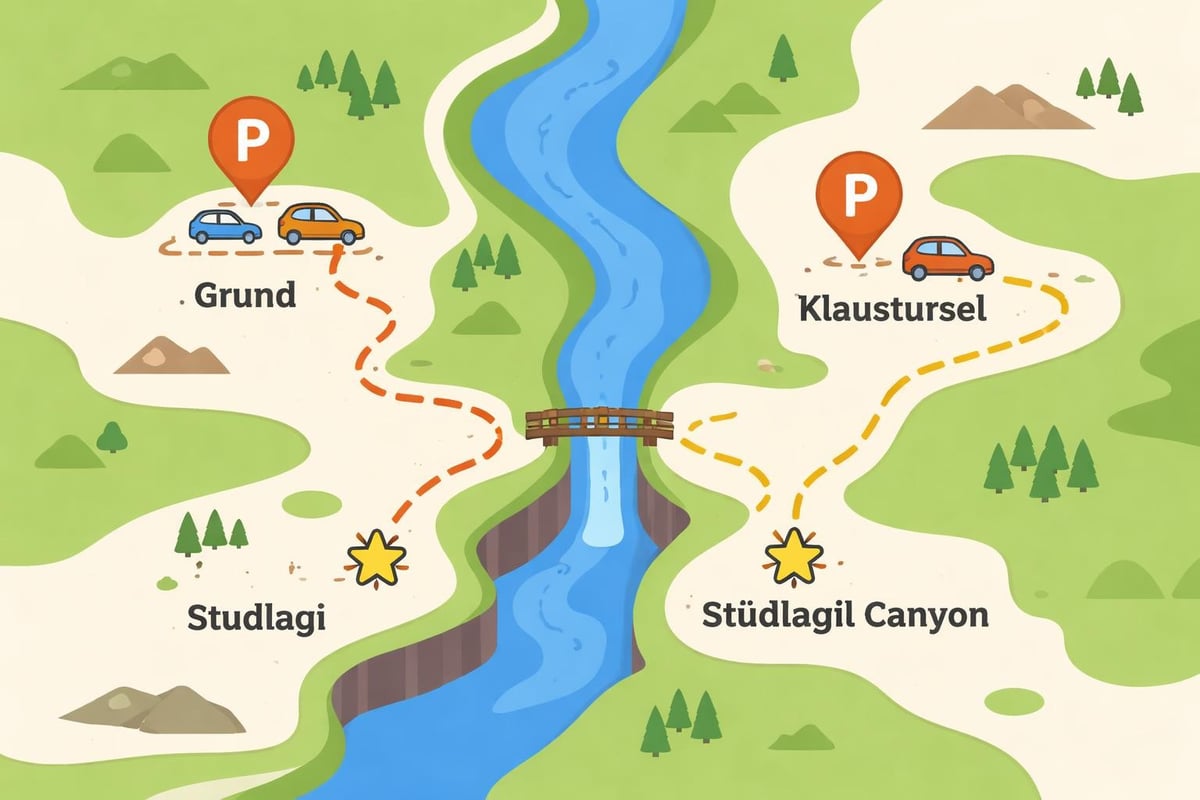
Two primary routes provide access to studlagil canyon, each offering distinct perspectives and experiences. Understanding these options helps travelers choose the approach that best matches their capabilities and interests.
Eastern Route via Klaustursel
The eastern approach begins at a parking area near Klaustursel farm and involves a relatively straightforward hike of approximately 1.5 kilometers. This route gained popularity first and remains the more accessible option for travelers with standard vehicles. The trail follows the canyon rim, offering dramatic views down into the formations below.
Hiking routes to the canyon provide varying levels of difficulty depending on which approach you select. The eastern path requires moderate fitness but doesn't demand technical skills or specialized equipment during summer months.
Western Route via Grund
The western approach offers a different perspective, with parking near Grund farm. This route provides closer access to the riverbed itself, allowing visitors to walk among the basalt columns. However, reaching the western parking area requires crossing a river ford, making it accessible only to vehicles with higher clearance.
Western route advantages:
- More intimate experience with the formations
- Better opportunities for unique photography angles
- Less crowded than the eastern viewpoint
- Direct access to the canyon floor
Western route challenges:
- Requires 4x4 vehicle for river crossing
- Road conditions can change rapidly
- Limited parking availability
- Longer overall drive time
The various viewpoints and routes to studlagil canyon cater to different visitor preferences and vehicle capabilities, ensuring most travelers can experience this natural wonder.
Photography Opportunities
Studlagil canyon has become a premier destination for landscape photographers, and understanding the optimal conditions enhances the creative potential of any visit. The interplay between basalt formations, river colors, and changing light creates endless compositional possibilities.
Optimal Lighting Conditions
Midday sun can create harsh shadows within the canyon, but the high latitude means that golden hour extends considerably during summer months. Many photographers prefer morning light, which illuminates the eastern canyon walls while keeping the river in partial shade, enhancing the water's turquoise tones.
Key photography considerations:
- Wide-angle lenses capture the canyon's scope
- Polarizing filters enhance water color and reduce glare
- Tripods help with long exposures of flowing water
- Weather changes rapidly, requiring flexible planning
The distinctive basalt formations provide strong leading lines that draw viewers into compositions. Photographers often position themselves to emphasize the vertical columns against the horizontal flow of the river, creating dynamic tension within the frame.
Unique Perspectives
Different seasons and water levels create varying photographic opportunities. Higher water flows can obscure some basalt columns but create more dramatic river dynamics. Lower levels expose more geological detail but may reduce the color intensity of the water.
Professional photographers have captured studlagil canyon's unique character through various techniques and perspectives. Studying existing work helps newcomers understand the location's potential while inspiring original interpretations.
Practical Considerations
Visiting studlagil canyon requires preparation beyond basic sightseeing. The remote location and variable conditions demand respect and appropriate planning to ensure both safety and enjoyment.
What to Bring
Essential items for any visit:
- Sturdy hiking boots with ankle support
- Waterproof jacket and layers for changing weather
- Food and water (no services nearby)
- Fully fueled vehicle (limited gas stations)
- Offline maps or GPS device
- Emergency contact information
The nearest services are in Egilsstaðir, approximately 80 kilometers away. This distance means self-sufficiency is essential. Cell phone coverage can be unreliable in the highlands, making offline navigation tools critical.
Safety Guidelines
Highland weather changes without warning, and studlagil canyon sits in an exposed area where conditions can deteriorate quickly. Check weather forecasts before departing and be prepared to adjust plans if conditions worsen. The Icelandic Meteorological Office provides detailed highland forecasts that should guide decision-making.
River crossings on the western route present particular hazards. Water levels can rise rapidly due to upstream rainfall or glacial melt, making previously passable fords dangerous within hours. Never attempt a crossing if uncertain about depth or current strength.
Combining with Other Attractions
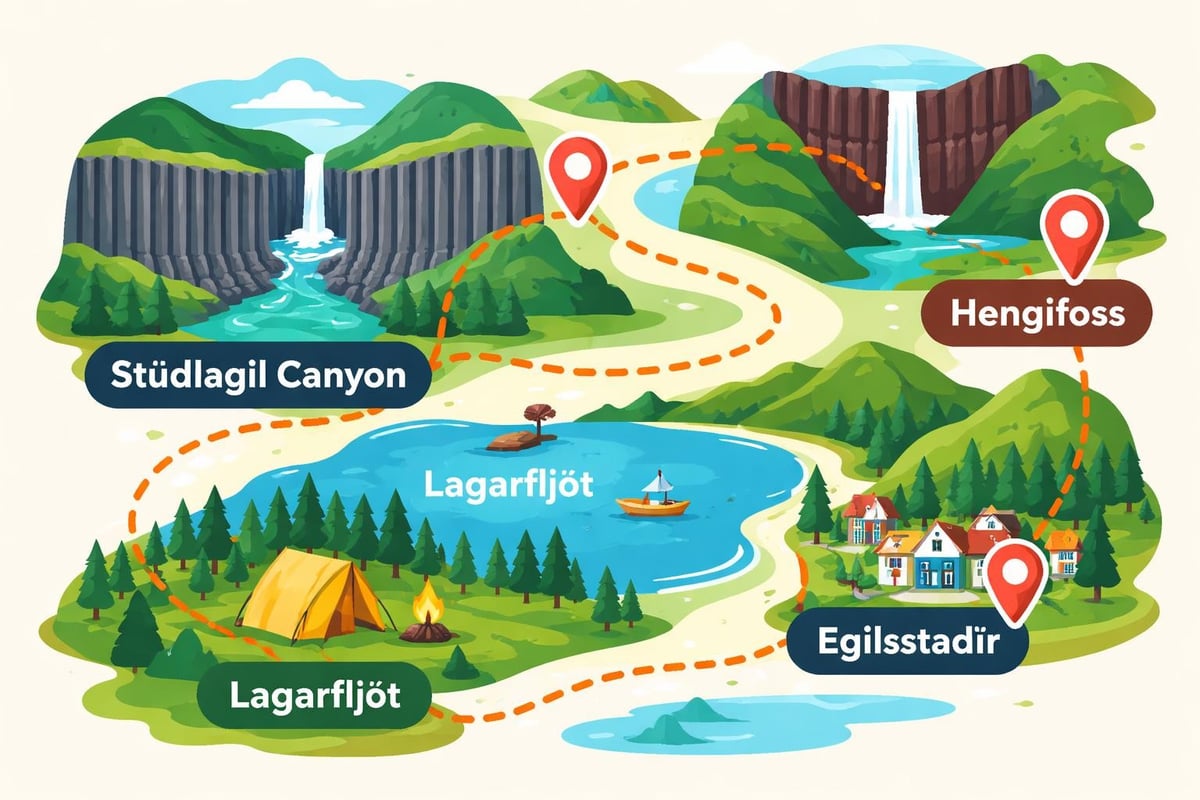
The journey to studlagil canyon passes through East Iceland's diverse landscape, providing opportunities to explore additional attractions. Strategic planning can create a comprehensive East Iceland itinerary rather than treating the canyon as an isolated destination.
Nearby Points of Interest
East Iceland highlights within reasonable proximity:
- Hengifoss waterfall (one of Iceland's tallest)
- Lagarfljót lake with its legendary serpent
- Hallormsstaður national forest
- Vök Baths geothermal spa
For travelers exploring multiple regions of Iceland, the East Highlands connect naturally with the Ring Road circuit that circles the entire country. Many visitors incorporate studlagil canyon into longer journeys that include both coastal and highland destinations.
The drive from Reykjavik to studlagil canyon covers approximately 650 kilometers and typically requires a full day of driving. Most travelers choose to base themselves in Egilsstaðir or another East Iceland location, using it as a hub for exploring the region's attractions over several days.
Environmental Responsibility
As studlagil canyon gains popularity, environmental impact becomes an increasing concern. The fragile highland ecosystem requires careful stewardship from visitors who wish to preserve its pristine character for future generations.
Leave No Trace Principles
Iceland's "Leave No Trace" guidelines apply particularly to remote locations like studlagil canyon. Stay on established trails to prevent erosion, pack out all waste including organic materials, and respect private property boundaries near farms that provide access.
The basalt formations themselves are fragile despite their imposing appearance. Climbing on the columns or removing pieces as souvenirs damages these geological features and violates Icelandic law. Photography should be the only thing taken from the canyon.
Respecting Local Communities
The farms near studlagil canyon have welcomed tourists despite the disruption to their operations. Visitors should respect property boundaries, close gates they open, and avoid disturbing livestock. Some landowners have established paid parking to help manage the influx while maintaining their agricultural activities.
Weather and Seasonal Variations
Highland weather patterns differ significantly from coastal conditions, and studlagil canyon experiences the full range of Iceland's climatic variability. Understanding these patterns helps set realistic expectations and improves safety.
Summer Conditions
Even during peak summer, temperatures in the highlands rarely exceed 15°C (59°F), and wind can create much colder perceived temperatures. Rain is common, arriving with little warning as weather systems move rapidly across the landscape. Multiple layers and quality rain gear transform potentially miserable conditions into comfortable experiences.
The extended daylight of Icelandic summer provides flexibility unavailable in many destinations. With nearly 24 hours of usable light in late June, photographers can work during optimal morning and evening hours without time pressure.
Shoulder Season Challenges
Spring and fall visits offer rewards but demand greater preparation. Road conditions vary significantly based on recent weather, and services operate on reduced schedules. The potential for snow exists from September onward, creating hazards for unprepared travelers.
| Month | Avg. Temperature | Precipitation | Road Status | Visitor Level |
|---|---|---|---|---|
| June | 8-12°C | Moderate | Open | Growing |
| July | 10-14°C | Moderate | Open | Peak |
| August | 9-13°C | Moderate | Open | High |
| September | 6-10°C | High | Variable | Declining |
Cultural Context
Understanding studlagil canyon within Iceland's broader cultural landscape enriches the visitor experience beyond simple sightseeing. The canyon represents both geological processes and the dynamic relationship between Icelanders and their challenging environment.
The Impact of Hydroelectric Development
The Kárahnjúkar project that revealed studlagil canyon sparked significant debate within Iceland about balancing energy needs with environmental preservation. The dam flooded pristine wilderness areas while creating the conditions that exposed the canyon's beauty. This paradox reflects ongoing tensions in Icelandic society about development and conservation.
For visitors interested in Iceland's broader cultural narratives, exploring how Icelanders view their landscape provides deeper context. The concept of "þetta reddast" (it will work out) that permeates Icelandic culture applies to how people adapt to an environment that constantly changes and surprises.
Extending Your Iceland Adventure
While studlagil canyon deserves dedicated attention, most travelers visit Iceland to experience multiple facets of this remarkable country. East Iceland serves as an excellent base for diverse adventures beyond canyon exploration.
The region offers opportunities for glacier hiking on Vatnajökull's outlet glaciers, exploring lesser-known waterfalls throughout Iceland, and experiencing the solitude that characterizes Iceland's eastern regions. Winter visitors to other parts of Iceland can pursue northern lights tours that showcase the aurora borealis, though studlagil canyon itself remains inaccessible during those months.
Multi-Region Itineraries
Comprehensive Iceland itineraries often combine multiple regions, allowing travelers to experience the country's geographic diversity. Starting or ending with studlagil canyon provides a compelling bookend to journeys that might also include the Golden Circle route, South Coast attractions, or the remote Westfjords.
Sample week-long East Iceland focus:
- Reykjavik to Egilsstaðir (with stops along the way)
- Studlagil canyon day trip
- Hengifoss and Lagarfljót exploration
- Coastal fjord communities
- Vatnajökull glacier activities
- Return journey with highland route
- Arrival back in Reykjavik
Vehicle Requirements and Road Conditions
The question of whether a 4x4 vehicle is necessary for studlagil canyon depends entirely on which route you choose. This decision significantly impacts both accessibility and experience.
Standard Vehicle Access
The eastern route via Klaustursel remains accessible to standard 2WD vehicles during summer months when roads are dry and well-maintained. The gravel road requires careful driving but doesn't present technical challenges for experienced drivers comfortable with gravel conditions.
4x4 Requirements
The western approach absolutely requires a 4x4 vehicle with adequate clearance for river fording. Rental agreements typically prohibit taking 2WD vehicles across rivers, and attempting to do so risks both vehicle damage and invalidating insurance coverage.
4x4 advantages for highland travel:
- Access to both canyon routes
- Greater confidence on gravel roads
- Ability to navigate variable conditions
- Options for exploring additional highland areas
Iceland's F-roads (mountain roads) require 4x4 vehicles by law, and while the main access roads to studlagil canyon aren't classified as F-roads, the western route shares similar characteristics. Travelers planning extensive highland exploration should prioritize 4x4 rentals despite higher costs.
Historical Perspective
The story of studlagil canyon as a tourist destination spans barely more than a decade, making it one of Iceland's newest attractions. This recent emergence provides interesting perspective on how tourism evolves in Iceland.
Before 2009, only a handful of locals knew about the basalt formations hidden beneath the river. The dam's completion transformed an inaccessible geological feature into a visitable wonder, demonstrating how infrastructure projects can inadvertently create tourism opportunities.
Social media accelerated the canyon's rise to prominence. As early visitors shared photographs of the striking basalt columns and turquoise water, studlagil canyon rapidly gained international recognition. By 2015, it appeared regularly in Iceland photography collections, and by 2020, it had become an essential stop for serious landscape photographers visiting the country.
This rapid transition from obscurity to popularity illustrates broader trends in Iceland tourism, where social media exposure can transform remote locations into must-see destinations within just a few years.
Studlagil canyon represents Iceland's ability to continually surprise even seasoned travelers with unexpected natural wonders. Whether you photograph the basalt columns, hike the canyon rim, or simply absorb the geological majesty, this East Highland treasure rewards those who make the journey. When you're ready to explore Iceland's other remarkable attractions, Reykjavik Northern Lights offers guided aurora borealis tours that bring you face-to-face with nature's most spectacular light show, complete with expert local guides who ensure you experience the best Iceland has to offer.