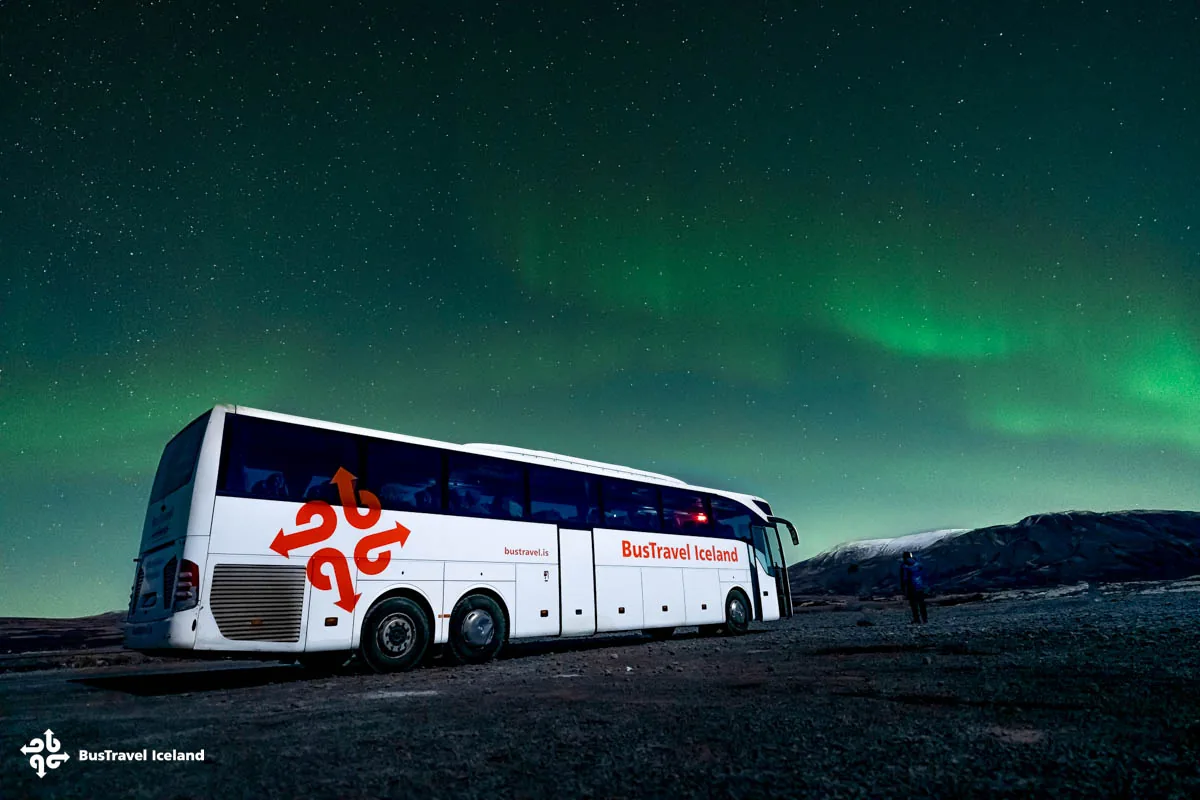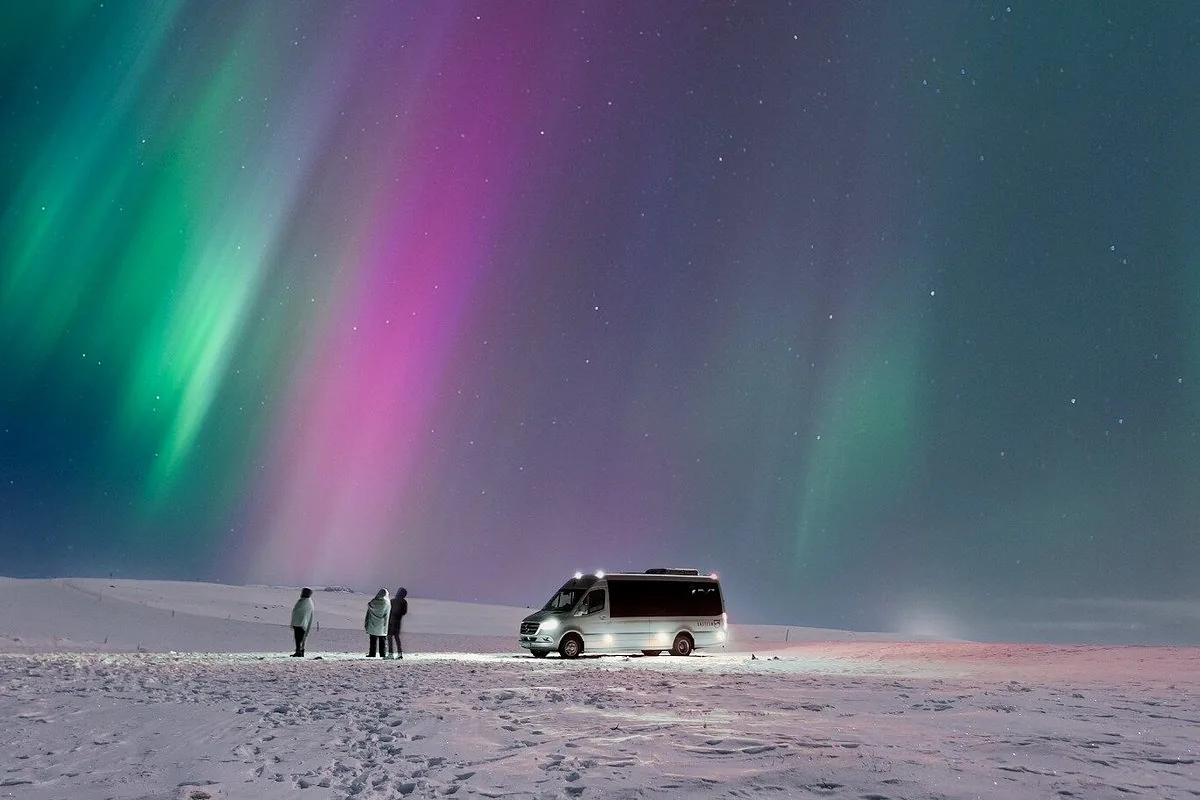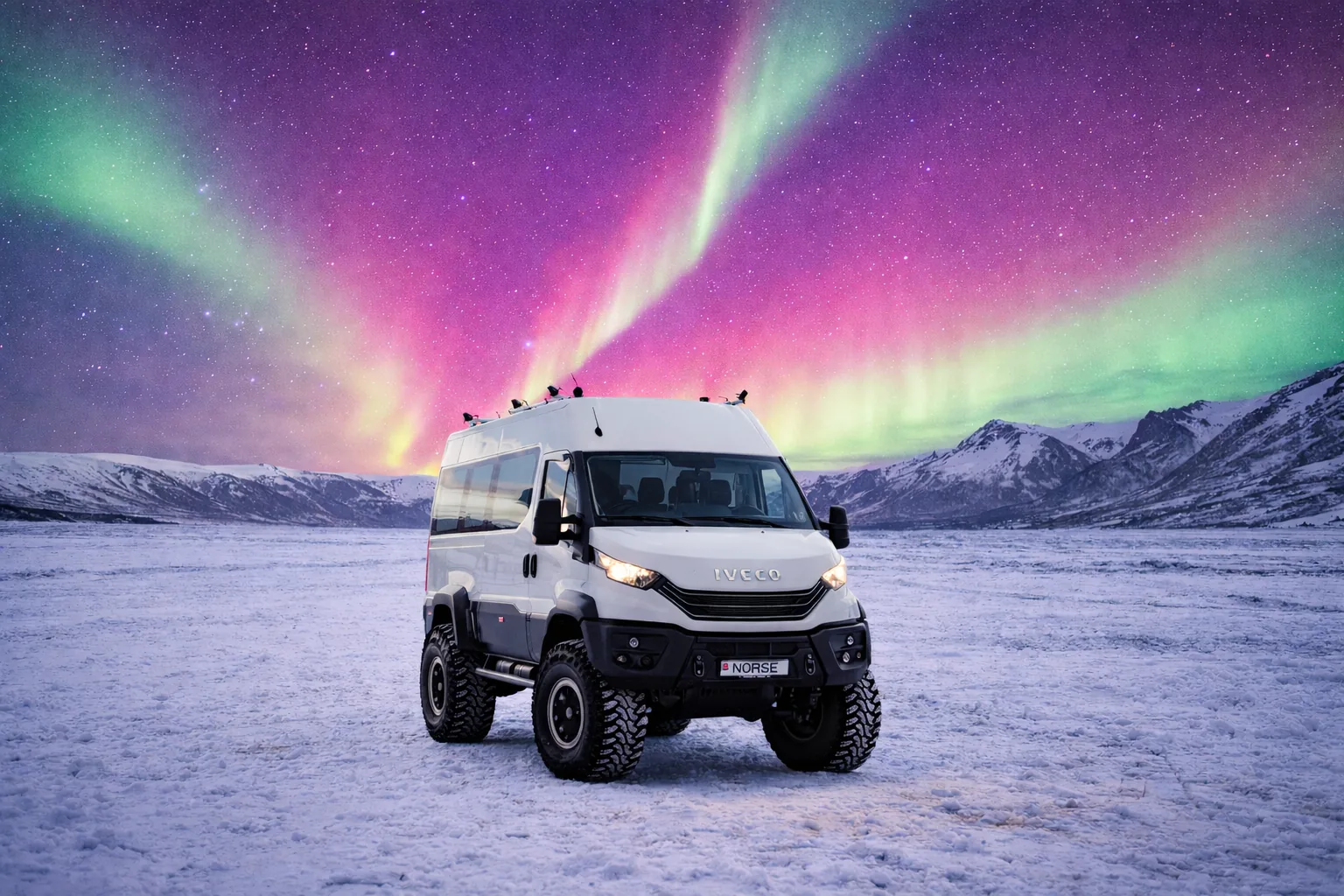
Iceland stands as a living testament to the raw power of nature that ancient Norse peoples witnessed and wove into their mythology. Among the most compelling narratives from this rich tradition is the concept of the end times, a prophesied cataclysm that would reshape the cosmos entirely. For visitors exploring Iceland's dramatic landscapes under the dancing northern lights, understanding this mythological framework adds profound depth to the experience, connecting modern travelers to stories that have shaped Nordic culture for over a millennium.
Understanding the Norse End Times
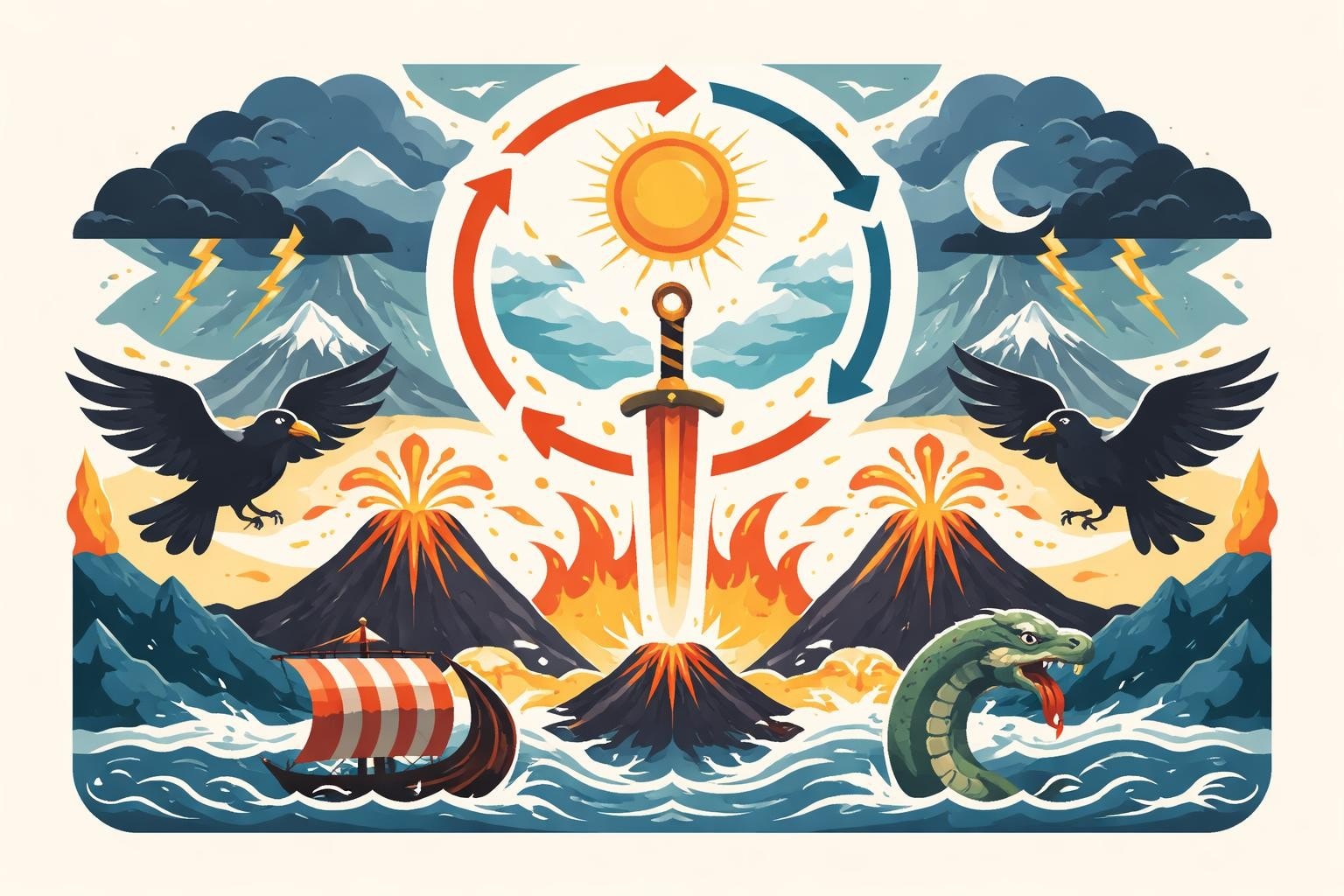
The prophesied end of the world in Norse mythology represents one of the most detailed apocalyptic narratives in ancient literature. Unlike many mythological traditions where the cosmos remains eternal, the Norse worldview embraced the concept of inevitable destruction followed by renewal. Ragnarok, the end times of Norse mythology, describes a series of catastrophic events that would ultimately lead to the death of major deities, natural disasters, and the submersion of the world in water.
This apocalyptic vision wasn't merely destructive. The narrative contained seeds of hope, promising that a new world would emerge from the ashes of the old. This cyclical understanding of time and existence reflected the harsh realities of life in Scandinavia, where survival depended on understanding nature's cycles of destruction and renewal.
The Prophecy and Its Origins
The primary sources for understanding this mythology come from the Poetic Edda and the Prose Edda, medieval Icelandic texts that preserved oral traditions dating back centuries. The völva, a seeress in the poem Völuspá, delivers the most comprehensive prophecy of these end times, describing events from the beginning of time through to the world's destruction and eventual rebirth.
According to these ancient texts, several warning signs would herald the approaching apocalypse:
- Fimbulwinter: Three consecutive winters with no summer between them
- Moral collapse: Brothers fighting brothers, families torn apart by conflict
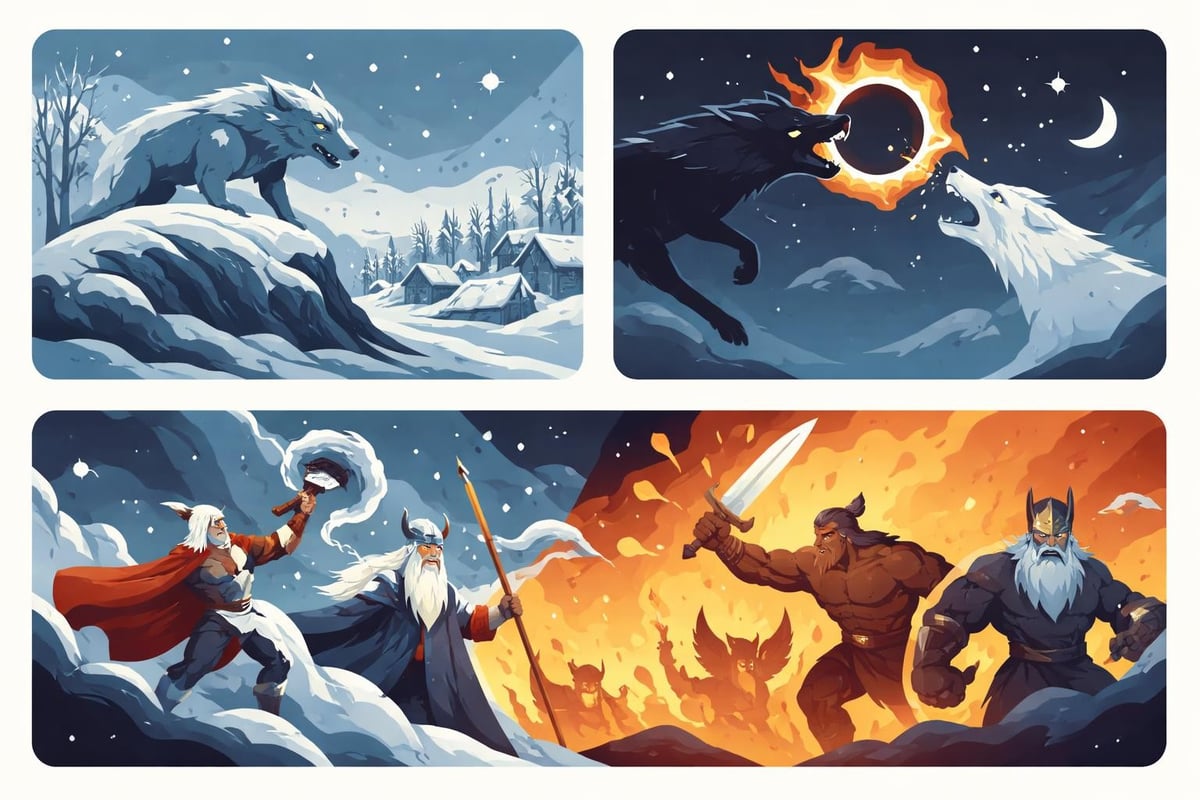
- Cosmic disruption: The sun and moon devoured by the wolves Sköll and Hati
- Breaking of bonds: The monstrous wolf Fenrir freed from his chains
- The Gjallarhorn: Heimdall's horn sounding the alarm across all nine realms
The significance of Ragnarok in Norse spirituality extends beyond simple doom prophecy. It represented a fundamental belief in fate and the courage to face inevitable destiny with honor.
The Battle That Reshapes the Cosmos
When the prophesied day arrives, the mythology describes an epic confrontation between the forces of order and chaos. The gods of Asgard, led by Odin, would face their ancient enemies in a battle that determines the fate of all existence. This wasn't simply good versus evil but rather the culmination of tensions that had built throughout cosmic history.
Key Confrontations
| Divine Warrior | Opponent | Outcome |
|---|---|---|
| Odin | Fenrir | Both perish |
| Thor | Jörmungandr | Thor slays the serpent but dies from its venom |
| Freyr | Surtr | Freyr falls without his sword |
| Týr | Garmr | Mutual destruction |
| Heimdall | Loki | Both die in combat |
These matchups weren't random. Each represented the resolution of conflicts and relationships established throughout Norse mythology. The wolf Fenrir, for instance, had been bound by the gods after they recognized the threat he posed, and his breaking free symbolized chaos overthrowing order.
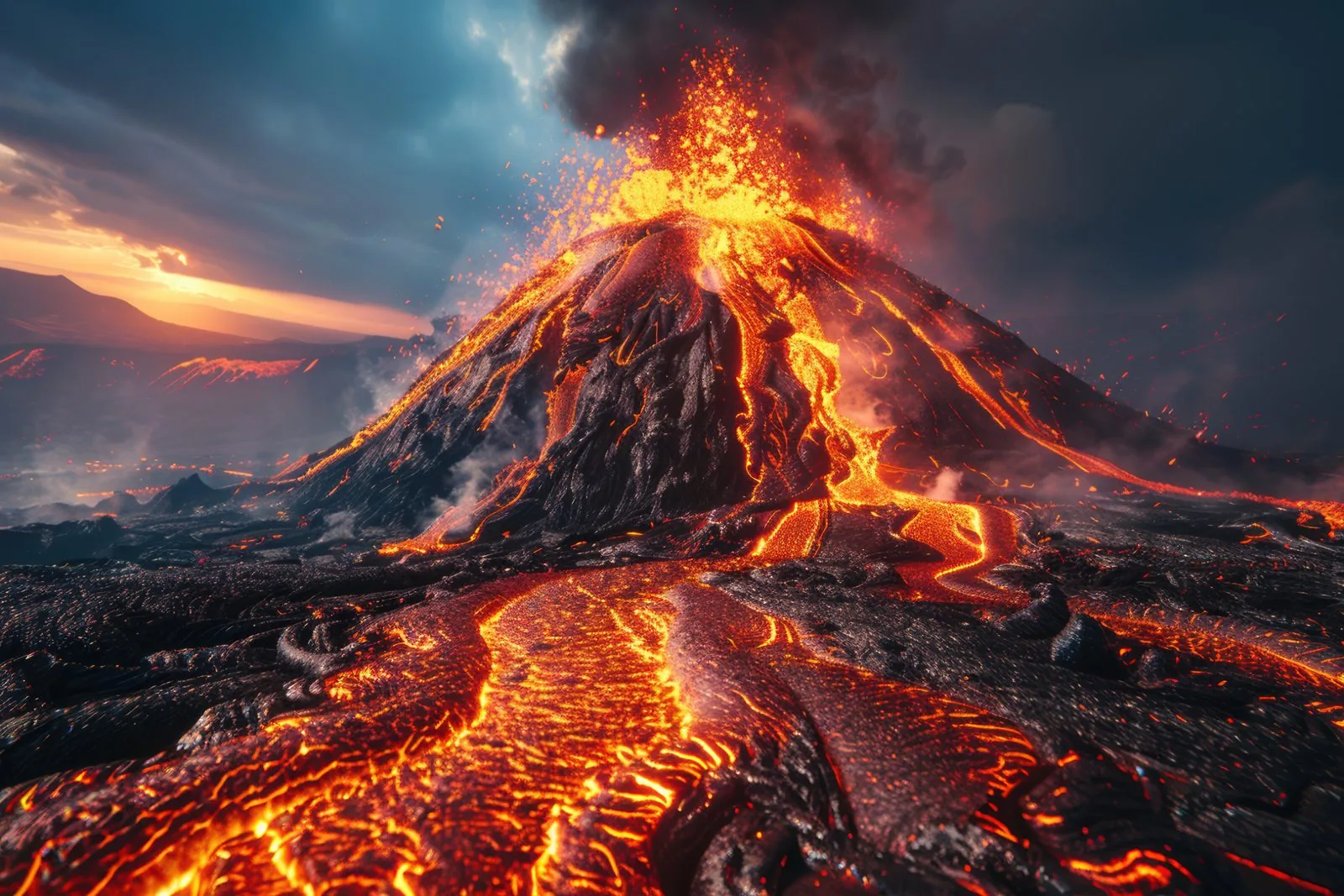
The fire giant Surtr plays a particularly crucial role, wielding a flaming sword that would engulf the world. Ragnarok's great flood and fire would cleanse the earth, destroying the old world completely before the new one could emerge.
Iceland's Connection to the Mythology
For visitors to Iceland, the landscape itself seems to embody the dramatic imagery of Norse end times. The island's volatile geology, with its active volcanoes, geothermal activity, and stark beauty, provided the perfect backdrop for ancient storytellers crafting tales of cosmic destruction.
Walking across Iceland's lava fields or witnessing volcanic eruptions offers insight into why these myths took the form they did. The land demonstrates nature's power to destroy and create simultaneously. When Icelanders settled the island in the 9th century, they brought these stories with them, and the landscape reinforced their relevance.
Natural Phenomena and Mythological Parallels
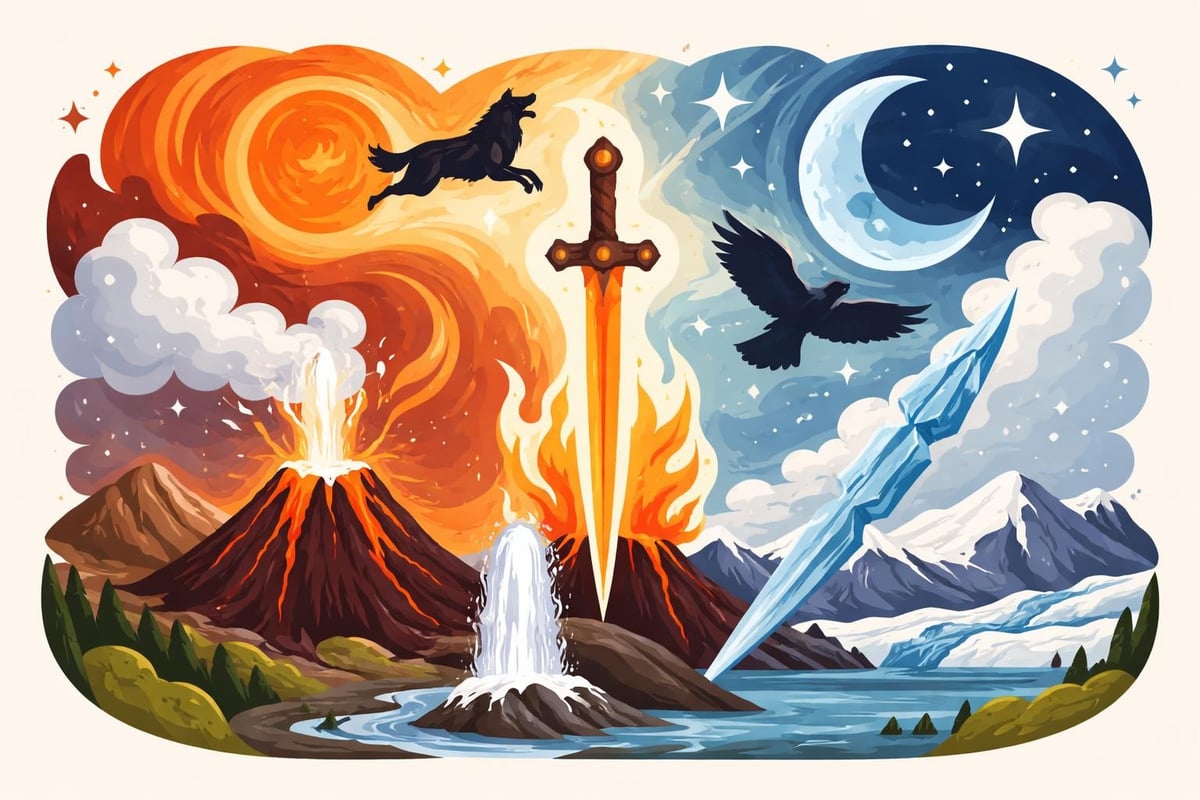
Volcanic activity mirrors Surtr's fire consuming the world. Glaciers represent the ice giants threatening the gods. Geothermal springs suggest the underground forces at work beneath reality's surface. Even the northern lights, visible throughout Iceland's dark winter months, carry mythological significance in Norse culture.
Many travelers who book northern lights tours in Iceland find themselves contemplating these ancient stories while watching the aurora dance overhead. The same night skies that inspired Viking-age poets continue to captivate modern visitors.
Cultural Impact and Modern Interpretations
The influence of these end times myths extends far beyond academic study. Modern popular culture has embraced these narratives, adapting them for contemporary audiences while maintaining core themes. From Marvel's cinematic interpretations to Netflix's series exploring Norse mythology in modern contexts, the apocalyptic vision continues to resonate.
Contemporary Relevance
The mythology's themes of environmental catastrophe feel particularly relevant in 2026. Ragnarok as a Norse perspective on environmental catastrophe offers interesting parallels to modern climate concerns. The ancient Norse people understood their environment's power and created myths acknowledging humanity's vulnerability to natural forces.
Key themes that resonate today:
- Cyclical time: Understanding that destruction enables renewal
- Environmental awareness: Recognizing nature's overwhelming power
- Moral responsibility: The connection between ethical behavior and cosmic order
- Inevitable change: Accepting transformation as fundamental to existence
- Hope through darkness: Finding optimism even in apocalyptic scenarios
Artists throughout history have drawn inspiration from these narratives. Understanding the Norse apocalypse through art reveals how visual interpretations have evolved while maintaining the mythology's essential drama.
The Survivors and Renewal
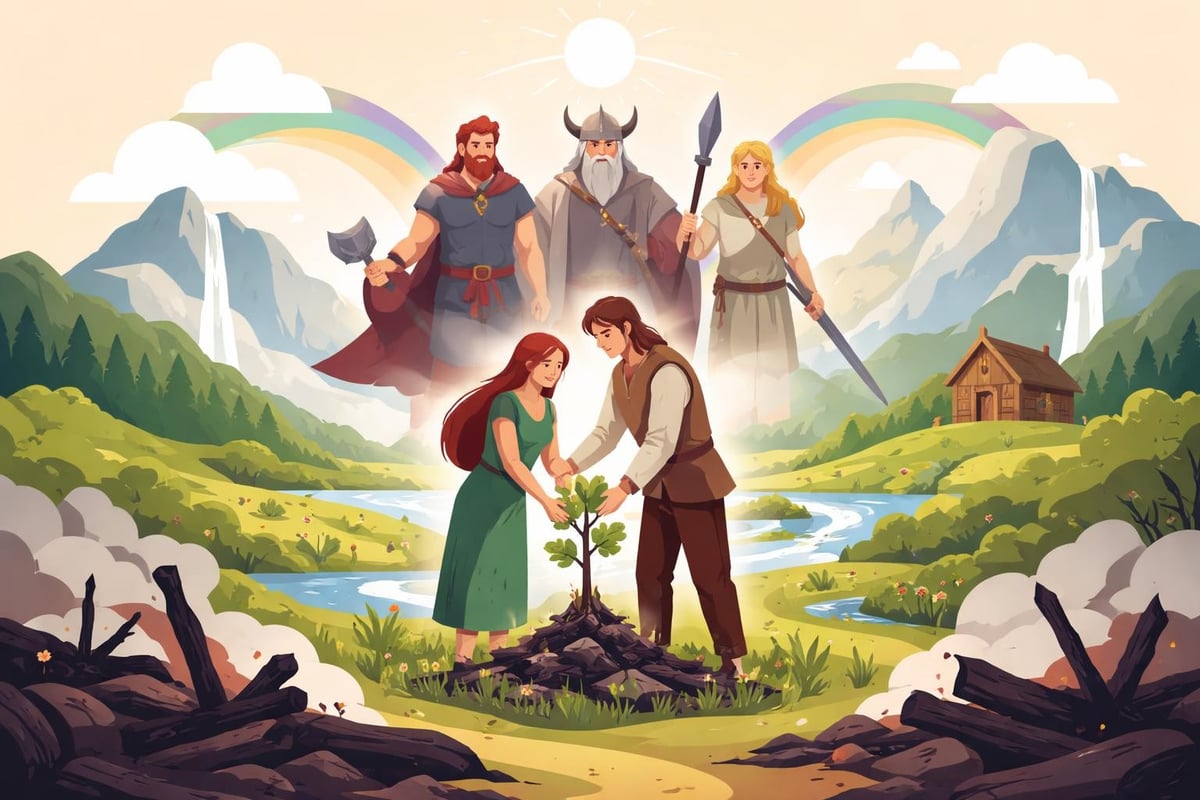
What distinguishes Norse apocalyptic mythology from many other traditions is its emphasis on what comes after destruction. The prophecy doesn't end with the world's submersion but continues to describe rebirth and renewal. A new world emerges from the sea, green and fertile, populated by survivors who build a better existence.
Who Survives the End
According to the myths, not everything perishes in the final battle. Two human survivors, Líf and Lífthrasir, hide in Hoddmímis holt (Mimir's wood) and emerge after the cataclysm to repopulate the earth. Several gods also survive, including:
- Baldr and Höðr: Previously dead, they return from Hel
- Víðarr and Váli: Odin's sons who survive the destruction
- Móði and Magni: Thor's sons who inherit his hammer Mjölnir
- Hoenir: Who lives to cast lots in the new world
These survivors represent continuity amidst change. They carry forward the wisdom of the old world while building something new. This aspect of the mythology speaks to resilience and adaptation, qualities essential to survival in harsh Nordic environments.
Exploring Norse Heritage in Iceland
Understanding this mythological framework enriches any visit to Iceland. The island preserves not just the landscape that inspired these stories but also cultural traditions connecting modern Icelanders to their Norse heritage. Visitors interested in Norse gods and mythology find Iceland an ideal destination for deeper exploration.
Many locations throughout Iceland carry names and associations linked to this mythological tradition. The country's settlement-era texts, particularly the sagas, reference these myths constantly, showing how deeply embedded they were in medieval Icelandic culture.
Experiencing Mythology Through Nature
| Experience | Mythological Connection | Best Season |
|---|---|---|
| Volcanic landscapes | Surtr's fire | Year-round |
| Glacier hiking | Ice giants' realm | Summer |
| Northern lights | Cosmic phenomena | Winter |
| Geothermal areas | Underworld forces | Year-round |
| Winter darkness | Fimbulwinter | December-February |
Travelers seeking adventure tours in Iceland often discover that physical experiences in the landscape create deeper connections to these ancient stories than any book could provide alone.
The Enduring Legacy
Over a thousand years after Iceland's settlement, these myths continue shaping cultural identity and artistic expression. The prophesied end times represent more than ancient superstition. They embody profound philosophical insights about existence, change, and humanity's relationship with forces beyond our control.
For modern audiences, whether through popular media interpretations or scholarly study of ancient sources, these narratives offer frameworks for processing uncertainty and change. The mythology acknowledges destruction's inevitability while maintaining hope for renewal.
Living Mythology
Iceland's cultural landscape keeps these traditions alive through various means:
- Language preservation: Old Norse remains partially intelligible to modern Icelandic speakers
- Naming traditions: Places, people, and businesses reference mythological figures
- Literary heritage: The Eddas and sagas remain central to Icelandic education
- Cultural festivals: Celebrations incorporating Norse themes and traditions
- Tourism experiences: Tours and attractions highlighting mythological connections
The Icelandic approach to cultural heritage extends beyond formal mythology to include folklore and supernatural beliefs that persist alongside modern society. This integration of old and new reflects the mythological theme of continuity through transformation.
Personal Encounters with Ancient Stories
Visitors to Iceland often report that experiencing the landscape firsthand makes the mythology tangible. Standing beneath the aurora borealis on a winter night, with volcanic mountains looming in the distance and the raw power of nature evident all around, these ancient stories feel less like fantasy and more like attempts to process overwhelming reality.
The mythology's emphasis on courage in the face of inevitable doom resonates differently when you're surrounded by Iceland's dramatic environment. The gods knew they would fall in the final battle but fought anyway. This stoic acceptance of fate while refusing to surrender embodies values that helped Norse peoples survive in challenging conditions.
Practical connections for modern travelers:
- Visit volcanic sites to understand the fire imagery
- Explore glaciers to comprehend the ice giant mythology
- Experience winter darkness to grasp Fimbulwinter's significance
- Witness the northern lights to connect with cosmic wonder
- Study Icelandic sagas to see how myths influenced literature
Those interested in comprehensive exploration might consider touring Iceland's highlights, which often include sites with mythological associations alongside natural wonders.