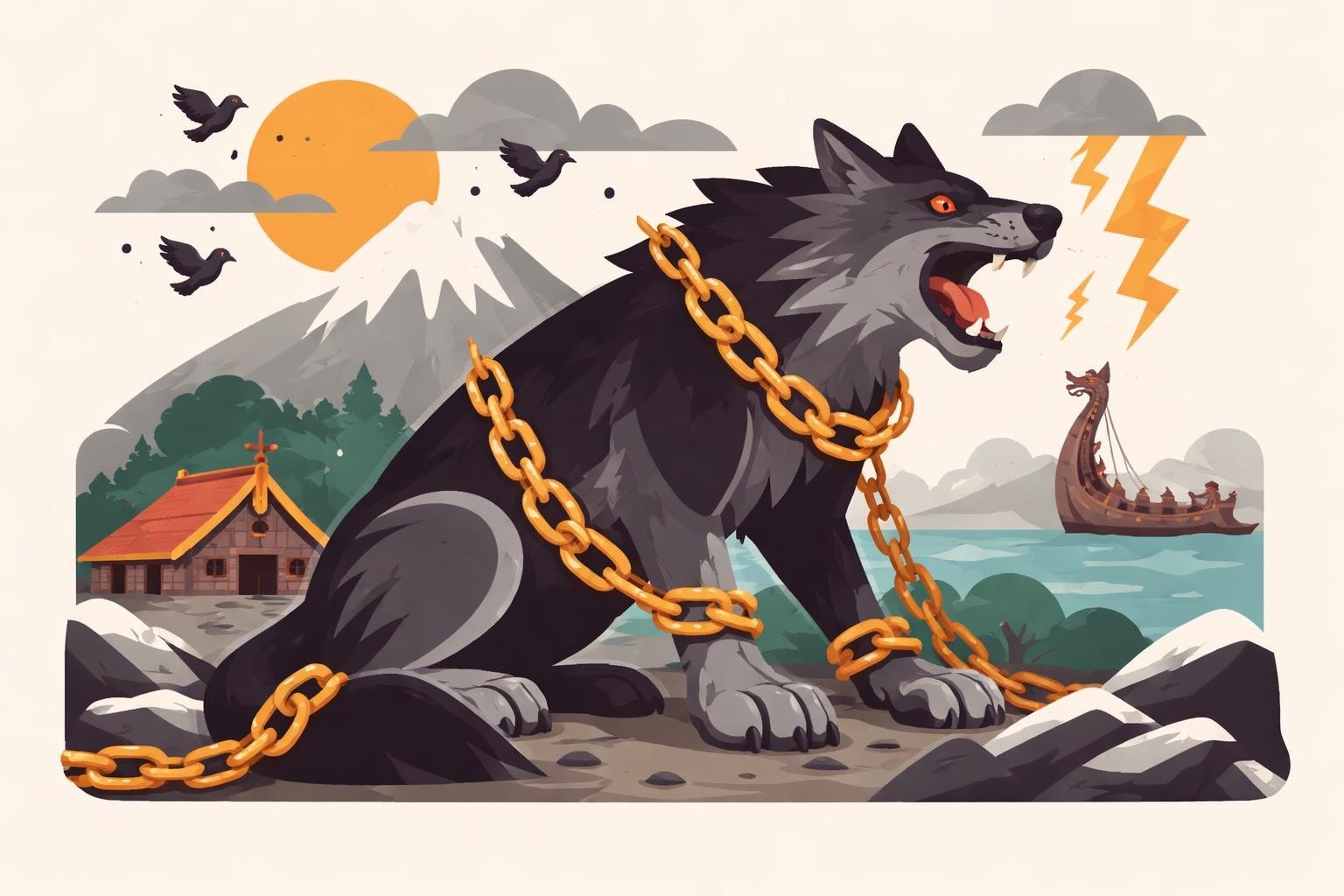
When travelers journey to Iceland to witness the northern lights, they step into a land steeped in ancient Norse mythology. Among the most captivating figures from these legendary tales is Fenrir, the enormous wolf whose destiny intertwines with the gods themselves. This mythological creature represents more than just an ancient story; Fenrir embodies the raw power of nature, the inevitability of fate, and the delicate balance between order and chaos that early Icelanders understood deeply. For visitors exploring Iceland's dramatic landscapes and seeking the aurora borealis, understanding Fenrir enriches the cultural context of this remarkable island nation.
The Origins and Family of the Great Wolf
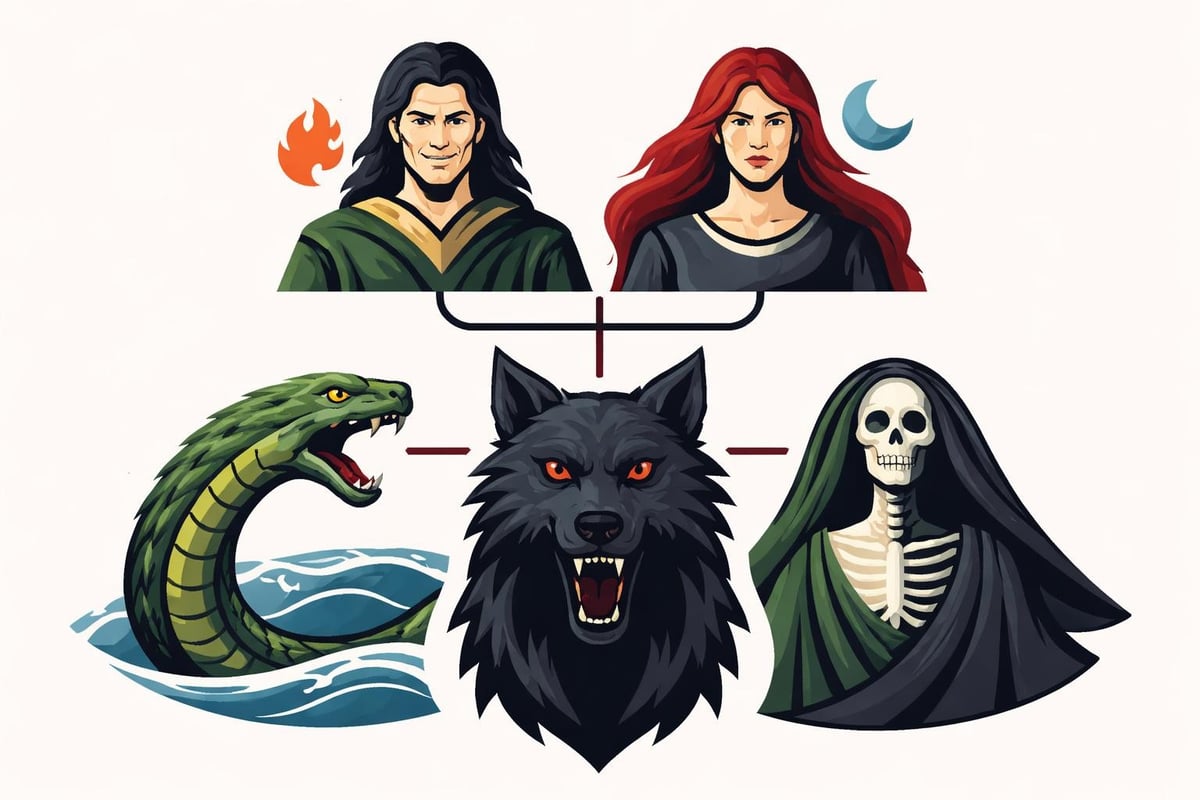
Fenrir stands as one of the most fearsome creatures in Norse mythology, born from a union that foretold disaster for the gods. According to ancient Norse texts, this monstrous wolf descended from Loki, the trickster god, and Angrboda, a giantess whose name translates to "she who brings grief." This lineage alone marked Fenrir as a being of immense power and potential destruction.
The wolf's siblings included equally terrifying figures:
- Jörmungandr, the world serpent who encircled Midgard
- Hel, the goddess who ruled over the realm of the dead
- Together, these three children represented fundamental threats to the cosmic order
From birth, the gods recognized that Fenrir posed an exceptional danger. Prophecies foretold that he would play a catastrophic role during Ragnarök, the twilight of the gods. Yet the Aesir gods chose to raise the wolf pup in Asgard, hoping to control his destiny through close supervision. Only Tyr, the god of war and justice, possessed the courage to feed the growing beast.
The Rapid Growth of a Mythical Beast
As Fenrir matured, his size increased at an alarming rate. The wolf's strength soon surpassed that of any creature the gods had encountered. His jaws could crush mountains, and his howl struck terror into the hearts of even the bravest warriors. This unprecedented growth alarmed the gods, who realized their attempt to control Fenrir through proximity had failed spectacularly.
The Norse mythology surrounding Fenrir reveals how deeply the ancient Scandinavians understood the concept of uncontrollable natural forces. In Iceland, where volcanic eruptions, earthquakes, and harsh weather constantly reminded settlers of nature's dominance, Fenrir symbolized those powers that humans could never truly tame.
The Binding of Fenrir
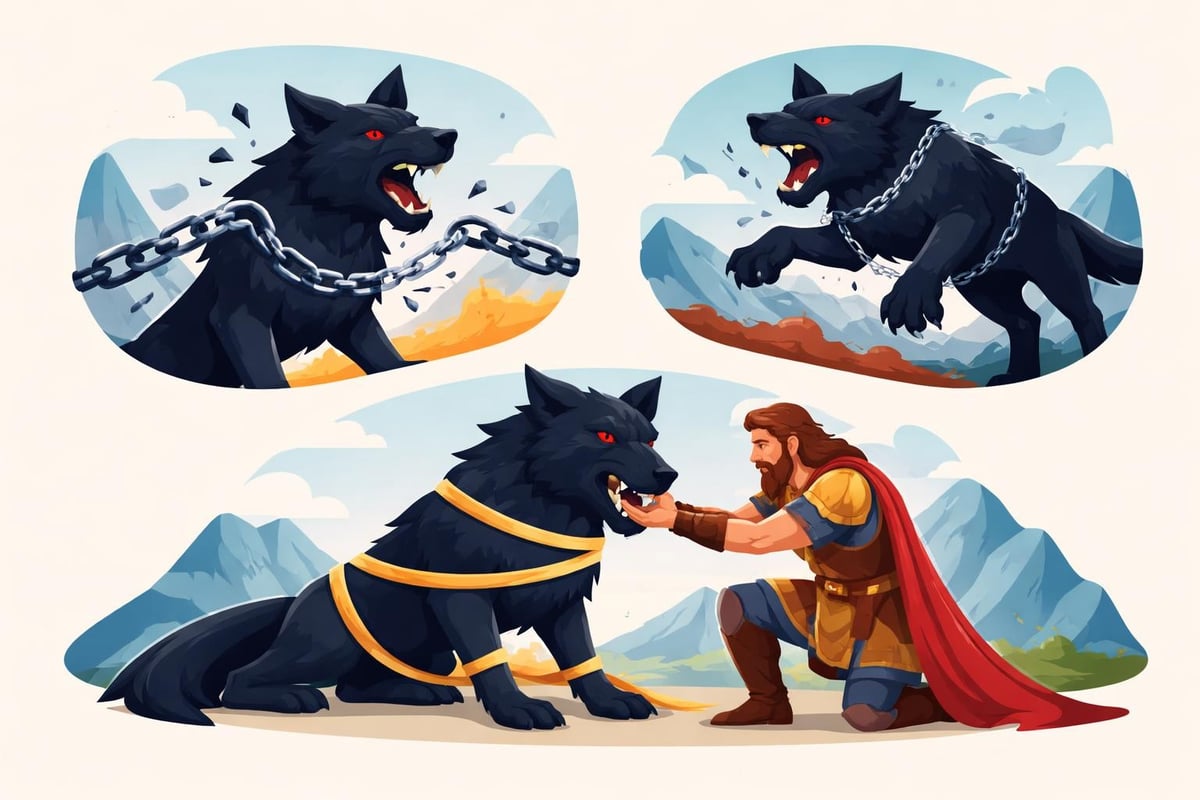
Faced with a growing threat, the gods devised a plan to restrain Fenrir before he could fulfill his destructive destiny. They approached the wolf with a challenge, framing it as a test of strength rather than imprisonment. The gods commissioned two chains, each supposedly unbreakable, yet Fenrir shattered both with minimal effort.
| Binding Attempt | Material | Outcome |
|---|---|---|
| First Chain (Leyding) | Iron forged by gods | Broken easily |
| Second Chain (Dromi) | Reinforced iron, twice as strong | Shattered with one flex |
| Third Binding (Gleipnir) | Magical ribbon from dwarves | Successfully held Fenrir |
The third attempt proved different. The gods commissioned the dwarves to create Gleipnir, a magical binding that appeared as a simple silk ribbon. According to detailed accounts of Fenrir's binding, this enchanted restraint contained six impossible ingredients:
- The sound of a cat's footfall
- The beard of a woman
- The roots of a mountain
- The sinews of a bear
- The breath of a fish
- The spittle of a bird
By this point, Fenrir had grown suspicious of the gods' intentions. He agreed to be bound by Gleipnir only if one of the gods placed their hand in his mouth as a pledge of good faith. Tyr volunteered, knowing full well the cost. When Fenrir discovered he could not break free from the magical ribbon, he bit off Tyr's hand at the wrist. The gods anchored the wolf to a massive boulder called Gjöll and thrust a sword into his jaws to keep them open, from which a river called Ván flowed.
Fenrir's Role in Ragnarök
The binding of Fenrir served only as a temporary solution. Prophecies clearly stated that during Ragnarök, the apocalyptic battle that would reshape the cosmos, Fenrir would break free from his restraints. This event would signal one of the most devastating phases of the end times.
The Prophesied Actions
When Ragnarök arrives, Fenrir's liberation triggers catastrophic consequences. The mythological accounts describe how the wolf's jaw stretches so wide that his lower jaw scrapes the earth while his upper jaw touches the sky. Fire blazes from his eyes and nostrils as he charges across the battlefield.
Fenrir's most significant act during Ragnarök involves his confrontation with Odin, the All-Father and king of the gods. Despite Odin's wisdom, power, and countless preparations for this moment, the prophecy states that Fenrir will swallow him whole. This represents the ultimate triumph of chaos over order, of raw natural force over divine authority.
However, the cycle of vengeance continues. Vidar, one of Odin's sons, avenges his father by slaying Fenrir. Vidar accomplishes this feat wearing a special shoe made from all the leather scraps ever discarded by cobblers throughout history, which he uses to pry open Fenrir's jaws before driving a sword through the wolf's heart.
Cultural Significance in Iceland
For those traveling to Iceland on northern lights tours, understanding Fenrir provides deeper appreciation for the island's cultural heritage. The early Norse settlers who established communities in Iceland brought these myths with them, and the stories shaped their worldview in fundamental ways.
The harsh Icelandic environment naturally reinforced the themes present in Fenrir's tale:
Respect for Uncontrollable Forces: Just as the gods could not permanently contain Fenrir, Icelanders learned to respect rather than attempt to dominate volcanic activity, glacial movements, and extreme weather patterns.
Inevitability of Fate: The concept of fate, central to Fenrir's story, permeated Norse culture. Icelanders accepted that some events lay beyond human control, promoting resilience and adaptability.
Balance Between Order and Chaos: Fenrir represented necessary chaos in a cosmos that required both creation and destruction to function. This philosophy helped settlers cope with Iceland's unpredictable natural disasters.
When modern visitors explore Iceland's dramatic landscapes during adventure tours, they walk through terrain that ancient settlers interpreted through these mythological frameworks. The geysers, glaciers, and volcanic formations served as constant reminders of the powerful forces that myths like Fenrir's story attempted to explain.
Fenrir in Modern Interpretations
The wolf's influence extends far beyond ancient texts and oral traditions. Contemporary culture continues to reference and reimagine Fenrir across multiple media formats, demonstrating the enduring power of this mythological figure.
Literature and Entertainment
Modern fantasy literature frequently incorporates Fenrir or characters inspired by him. Authors appreciate the wolf's complex nature as a being who isn't simply evil but rather fulfills a necessary role in the cosmic order. This nuance makes Fenrir compelling for contemporary storytelling that favors morally complex characters over simple good-versus-evil narratives.
Video games, television series, and films have featured Fenrir in various forms. Popular depictions range from faithful adaptations of the original myths to creative reinterpretations that maintain the core themes while adapting them for modern audiences.
Symbolism in Modern Iceland
Iceland's tourism industry, including experiences like northern lights tours, often incorporates Norse mythology to enrich visitor experiences. Understanding figures like Fenrir helps travelers appreciate:
- The cultural context behind place names throughout Iceland
- Traditional Icelandic art and literature references
- Contemporary Icelandic identity rooted in Norse heritage
- The philosophical approaches to living in harmony with powerful natural forces
Tour guides sharing stories during excursions to remote locations connect ancient myths to modern landscapes, creating memorable experiences that transcend simple sightseeing. When aurora borealis dances across the Arctic sky, hearing tales of Fenrir and other mythological beings adds profound depth to the visual spectacle.
Comparative Mythology and Global Parallels
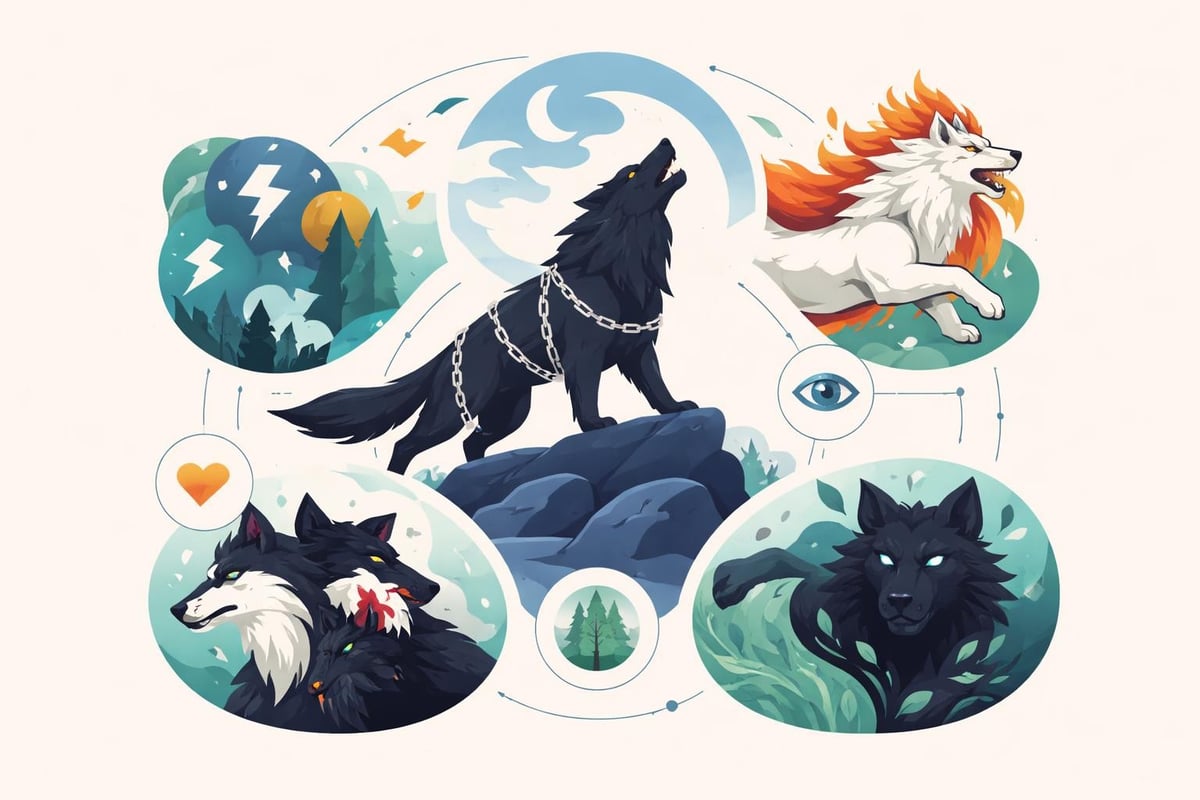
Examining Fenrir within the broader context of world mythology reveals fascinating parallels with wolf figures from other cultures. This comparative approach demonstrates universal human themes that transcend geographical and temporal boundaries.
| Culture | Wolf Figure | Similar Themes |
|---|---|---|
| Roman | Fenris (borrowed from Norse) | Destruction, prophecy |
| Native American | Various wolf spirits | Balance, natural power |
| Japanese | Ōkami | Divine power, protection |
| Turkish | Asena | Origins, ancestry |
These parallels suggest that wolves held special significance across numerous cultures. Their qualities-strength, cunning, pack loyalty, and predatory prowess-made them natural symbols for exploring complex themes about humanity's relationship with nature and the divine.
Archaeological and Historical Evidence
While Fenrir exists as a mythological figure, archaeological discoveries throughout Iceland and Scandinavia provide context for understanding how ancient peoples engaged with these stories. Excavations have uncovered artifacts depicting wolves and scenes from Norse mythology, offering tangible connections to these ancient beliefs.
Physical Artifacts
Researchers have identified several significant artifact types:
- Runestones featuring carved scenes potentially depicting Fenrir's binding
- Jewelry showing wolf motifs that may reference Fenrir or general wolf symbolism
- Weapons decorated with engravings of mythological scenes including the great wolf
- Settlement remains suggesting ritual practices connected to Norse mythology
The historical documentation of Fenrir comes primarily from medieval texts like the Prose Edda and Poetic Edda, written centuries after Iceland's settlement. These sources compiled oral traditions that had been passed down through generations, preserving stories that shaped Norse culture for hundreds of years.
Lessons from the Fenrir Myth
Beyond entertainment value, Fenrir's story conveys philosophical insights relevant even in 2026. These lessons resonate particularly strongly in Iceland, where the natural environment continues to demonstrate awesome power.
The Consequences of Fear-Based Decisions: The gods' choice to bind Fenrir stemmed from fear of prophecy rather than actual wrongdoing by the wolf. This preemptive action guaranteed the very outcome they sought to prevent, illustrating how fear can become self-fulfilling.
Honoring Commitments: Tyr's willingness to sacrifice his hand demonstrated the importance of keeping oaths, even when costly. This value permeated Norse society and influenced Icelandic legal traditions.
Accepting Limits: The gods, despite their power, could not escape fate. This acceptance of limitations encouraged practical approaches to problem-solving rather than denial of reality.
Respecting Natural Forces: Fenrir represented uncontrollable natural power. The myth taught respect rather than futile attempts at complete domination.
For modern visitors seeking the best places for northern lights viewing, these lessons remain relevant. Successful aurora hunting requires accepting that nature cannot be commanded, only respectfully witnessed when conditions align.
The Wolf's Legacy in Contemporary Iceland
Today's Iceland maintains strong connections to its mythological heritage. While modern Icelanders embrace technology and contemporary culture, Norse mythology remains an integral part of national identity. Fenrir and similar figures appear in:
- Educational curricula teaching Icelandic history and literature
- Tourism marketing that highlights Iceland's unique cultural heritage
- Artistic expressions from traditional to contemporary mediums
- Popular culture including music, fashion, and design
Visitors exploring Iceland through various experiences, from glacier hikes to cultural tours, encounter these mythological references throughout their journeys. The stories provide narrative frameworks that help explain Iceland's dramatic geology, extreme weather patterns, and the resilient character of its people.
Understanding Fenrir's complex mythology enriches any Icelandic adventure. Whether standing beneath the aurora borealis, hiking across ancient lava fields, or exploring Reykjavik's cultural attractions, recognizing these deep mythological roots transforms a trip from simple tourism into genuine cultural immersion. The great wolf's story reminds us that Iceland's most compelling attractions extend beyond physical landscapes into realms of imagination, philosophy, and timeless human questions about fate, power, and our place within forces greater than ourselves.
Fenrir's enduring presence in Norse mythology offers profound insights into how ancient cultures understood uncontrollable natural forces and the inevitability of fate, themes that remain deeply relevant in Iceland's dramatic landscape. Whether you're fascinated by these ancient stories or simply seeking to experience the magic of the aurora borealis against the backdrop of Iceland's mythological heritage, Reykjavik Northern Lights provides expert-guided tours that combine spectacular natural phenomena with rich cultural storytelling. Our knowledgeable guides bring Iceland's legendary past to life while helping you chase the northern lights across landscapes that inspired these timeless tales.