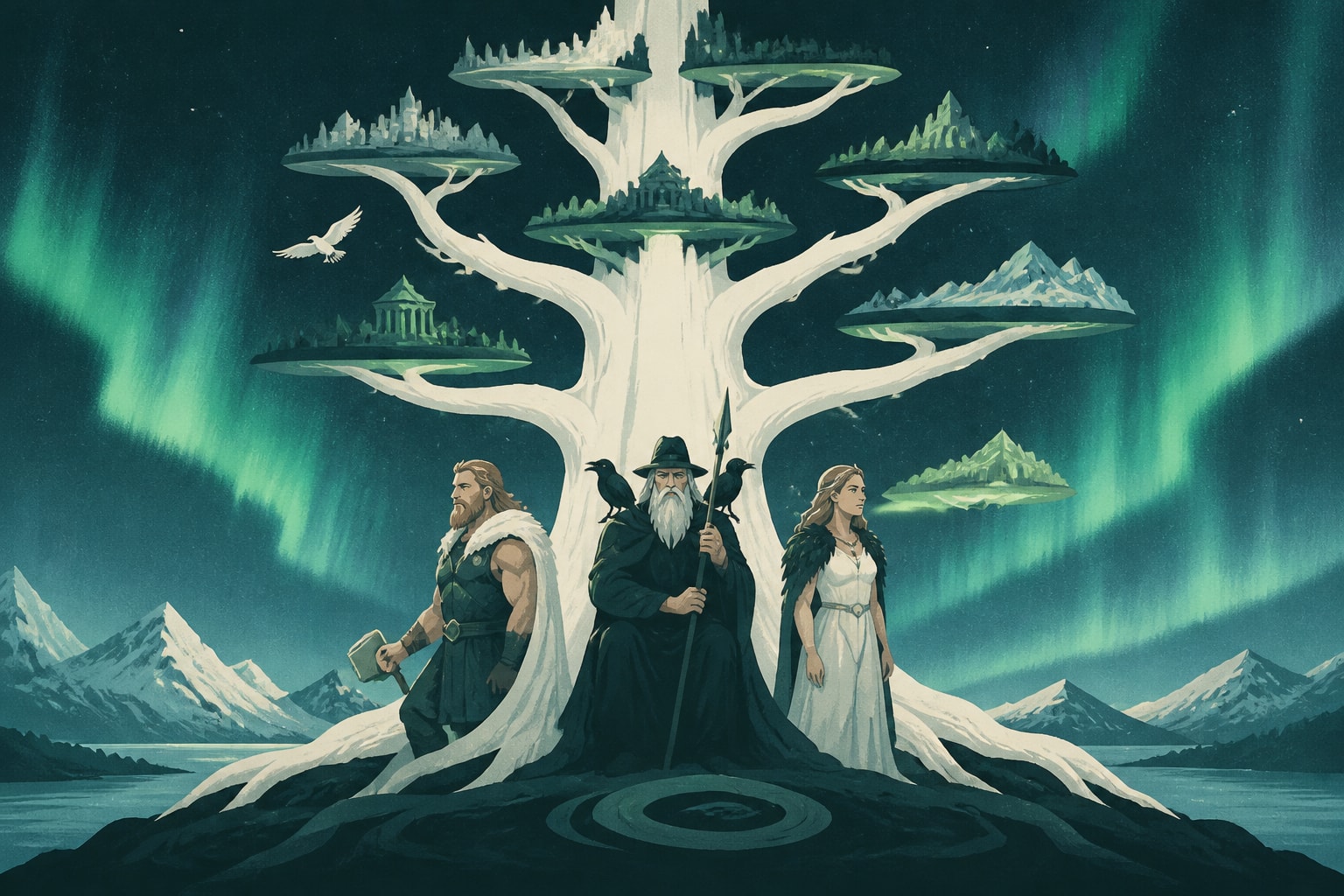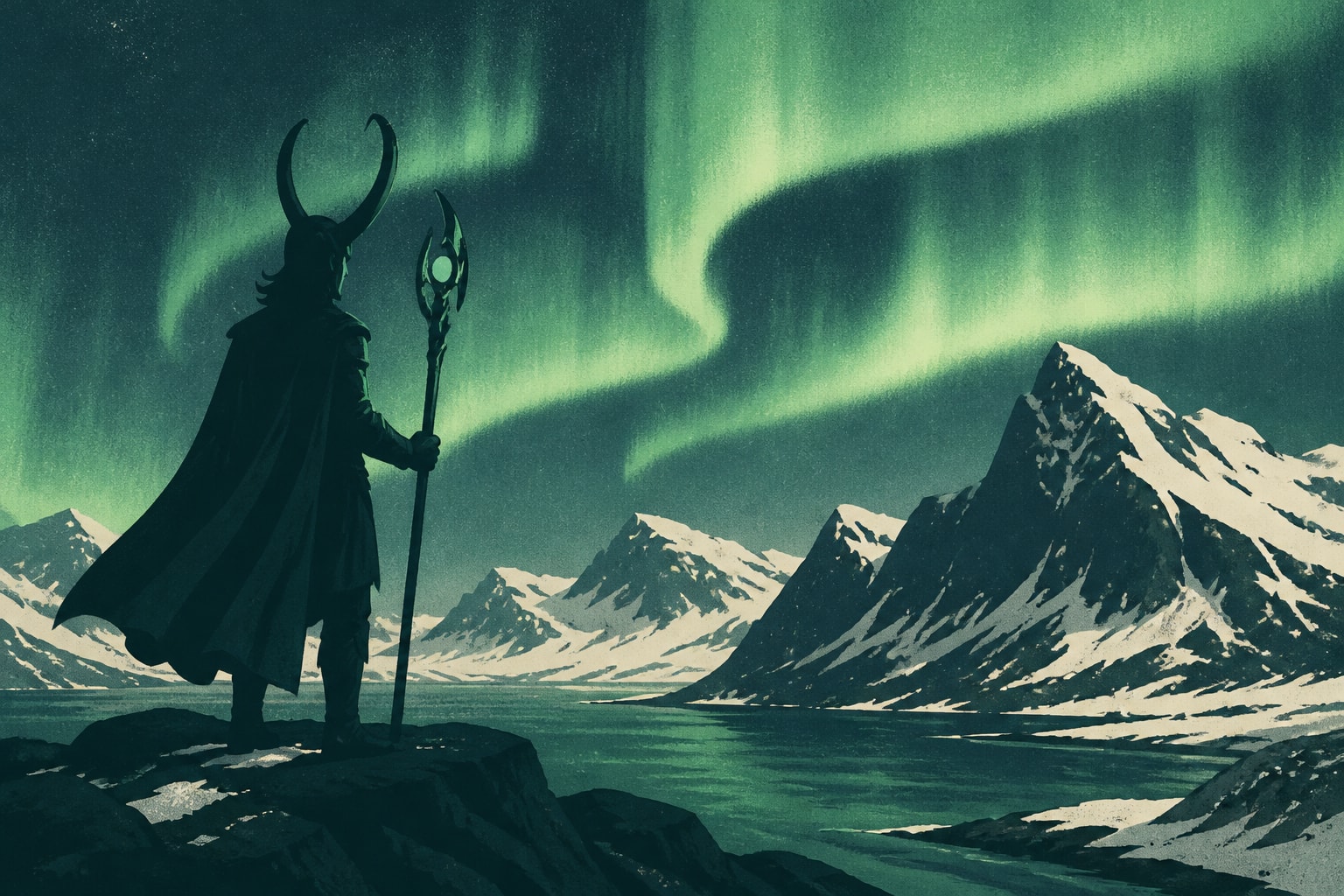
Loki is a shape-shifting trickster god from Norse mythology who Marvel adapted into the God of Mischief, Thor's adopted brother and a recurring MCU villain turned antihero. The character began in Old Norse poetry and prose, and the Marvel version borrows his name, his cunning and a few family ties while reworking nearly everything else.
Searchers usually want one of three things: the myth, the Marvel character, or the Disney+ series. This article covers all three, then explains why a visit to Iceland, the home of the surviving Loki stories, is one of the best ways to experience the mythology in person.
What Was Loki the God Of?
Loki was not the god of any single domain in the way Thor ruled thunder or Odin ruled wisdom and war. He is better described as a god of trickery, chaos and change, a figure who stirs trouble among the gods and then, often, rescues them from it.
Medieval Icelandic sources, chiefly the Poetic Edda and Snorri Sturluson's Prose Edda, show him as clever and unreliable. He steals, lies, shapes his body into other forms and talks his way out of danger. Many of his schemes begin as a prank and end in a crisis that only his wits can solve.
Several roles define him in the myths:
- The shape-shifter: He appears in different forms at various points in the myths, including as a mare.
- The problem-solver: He recovers stolen treasures, including Thor's hammer, usually after causing the problem himself.
- The agent of the end: He turns against the gods and is tied to Ragnarök, the destruction of the old world.
What Does Loki Mean?
The name Loki has no settled meaning, and scholars have proposed several competing explanations. The most common suggestions link it to words for "knot" or "tie," to a root meaning "lock" or "close," or to a term for fire or spider-like threads.
Each theory fits a different side of the character, though none is confirmed. A knot suits a god who ties the plot of so many myths into tangles, while a "closer" suits the figure tied to the end of the old world at Ragnarök. The fire and spider readings point to a more elemental, slippery nature. None of these theories has won universal agreement, and the medieval sources never explain the name themselves. What the name does show is that his identity was rooted in Old Norse language and belief, not invented later. Marvel kept the name, which now calls to mind the God of Mischief, and moved the meaning toward mischief, which fits the myth's overall impression even if the etymology stays uncertain.
Loki in Norse Mythology
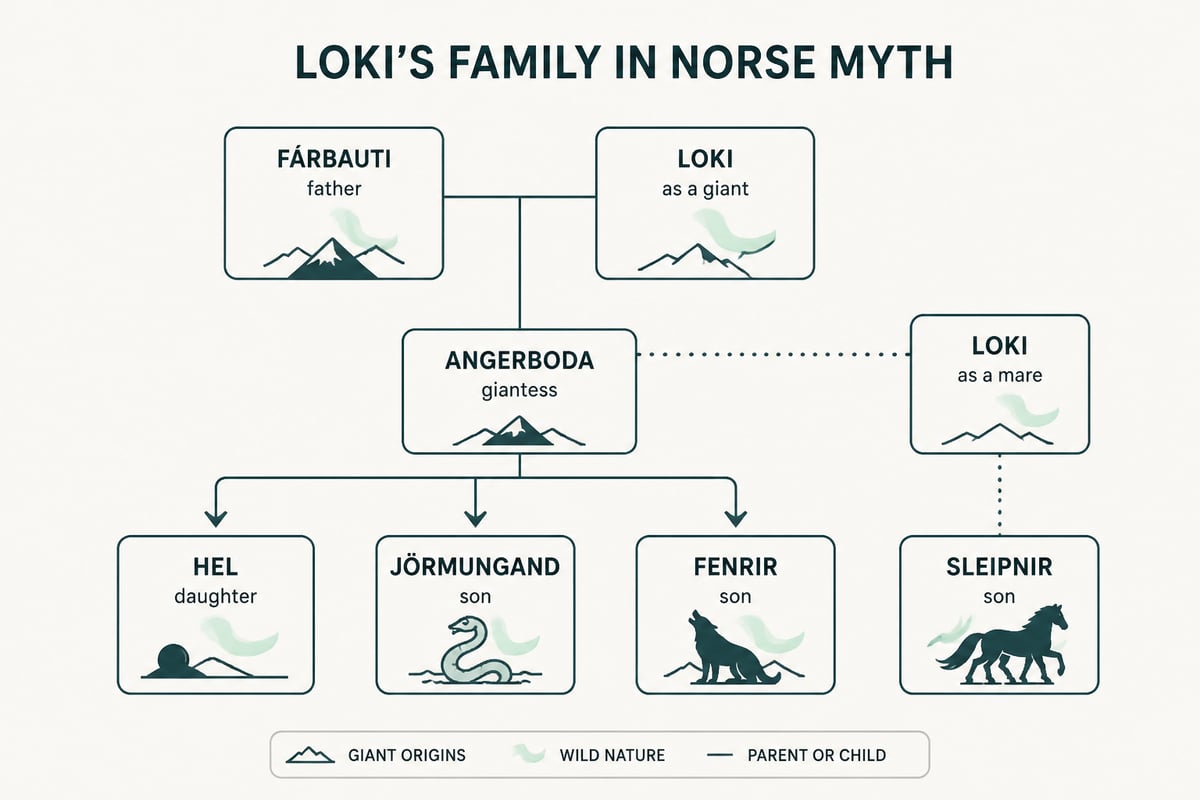
In Norse mythology, Loki is a shape-shifting trickster associated with the Aesir, the main group of gods, though his father is the giant Fárbauti, according to Encyclopaedia Britannica. That mixed ancestry places him between two worlds, which helps explain why his loyalty never feels fixed.
His family history is among the strangest in the myths. Britannica's account of his offspring credits him with fathering Hel, Jörmungand and Fenrir with the giantess Angerboda, and with giving birth to Odin's eight-legged horse Sleipnir. In the story of Sleipnir, Loki turns into a mare to distract a giant's stallion, and the foal that results is Sleipnir.
The Path to Ragnarök
The myths show Loki's relationship with the gods collapsing over time. In the tale known as Lokasenna, he crashes a feast and insults nearly every god present. The gods bind him as punishment, and in later tradition he is chained beneath a venom-dripping serpent until Ragnarök, when he breaks free and fights against them.
Britannica's broader entry on Loki in Germanic mythology traces how his role shifts from companion of the gods to their enemy. It is a useful reference if you want the full range of the sources.
Who Is Loki in Marvel?
In Marvel, Loki is the God of Mischief and Thor's brother, and his schemes reach from Asgard to Earth, as Marvel's character page describes. The comics introduced him as an antagonist for Thor, and the films carried that rivalry to a global audience.
The MCU version departs from the myth in important ways:
- Family: Marvel makes him Odin's adopted son and Thor's brother. In the myths he is a blood-brother to Odin by oath, not a son.
- Role: He begins as a villain, leading the invasion of New York in The Avengers, then drifts toward an uneasy ally.
- Tone: The films emphasize charm, wit and wounded pride, which keeps the trickster spirit while softening the cruelty of the original.
Marvel's on-screen biography of Loki summarizes his MCU backstory, motivations, abilities and magical artifacts. Tom Hiddleston's portrayal has defined the role for more than a decade, and Marvel's featurette on Loki through the years covers the character's history on screen.
The Loki Series on Disney+
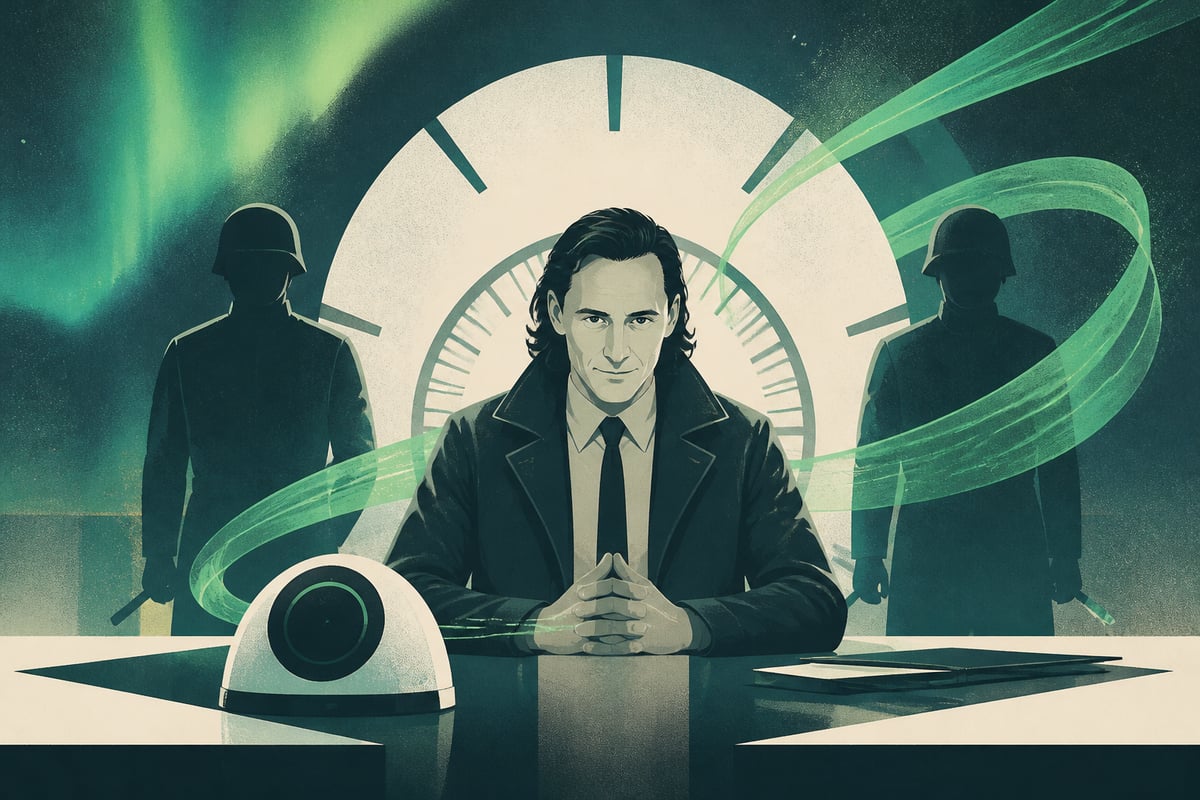
The Loki series follows a variant of the god who escapes custody after the events of Avengers: Endgame and is pulled into the Time Variance Authority, an agency that polices the flow of time. Season 1 premiered in 2021, and Marvel announced that the six-episode second season would launch on October 5, 2023, at 6:00 p.m. PT.
The show shifts the character from villain to protagonist. It asks whether a being defined by deception can change, and it introduces the multiverse as a central idea in the franchise. Sylvie, a female variant of Loki, drives much of the emotional and plot tension.
Is the Loki Series Worth Watching?
Yes, for most viewers the Loki series is worth watching, especially if you enjoy character-driven science fiction with strong production design and a distinctive musical score. It stands reasonably well alone, though familiarity with Thor and The Avengers adds context for the first episode.
A quick guide to who it suits:
- Good fit: Viewers who like time travel puzzles, witty dialogue and morally gray protagonists.
- Less ideal: Anyone who wants fast action in every episode, since the early installments are talk-heavy and slowly paced.
- Prior knowledge: Helpful but not mandatory, because the series recaps what you need.
How Is Loki LGBTQ?
Loki is portrayed as bisexual and gender-fluid in some Marvel comics, and the Disney+ series acknowledged his bisexuality on screen in a brief line of dialogue.
The idea of gender fluidity has roots in the myths themselves. In Norse stories Loki changes sex and form more than once, most famously as the mare who bears Sleipnir. According to Encyclopaedia Britannica, Norse accounts credit him with giving birth to Odin's eight-legged horse, alongside the children he fathers with the giantess Angerboda. Modern portrayals draw on that tradition of fluid identity, even though the medieval sources did not describe it in modern terms. The on-screen acknowledgment came in a single short line of dialogue, so readers curious about the full picture will find more depth in the comics and in the myths themselves, where the shape-shifting is a defining trait rather than a passing detail.
Loki and Iceland: Where the Myths Survived
Iceland is where most of the Loki stories were written down, and the country still carries that heritage in its landscape and culture. The Eddas were preserved by Icelandic scribes in the medieval period, which means a visit to the island puts you in the setting where these tales were kept alive.
Icelandic folklore blends easily with the natural world. Mountains and lava fields are often linked in folklore to trolls, elves and hidden people, and old stories connect the gods to the land. If you enjoy this side of Iceland, the posts on the Norse gods and on elves in Iceland give useful background before you travel.
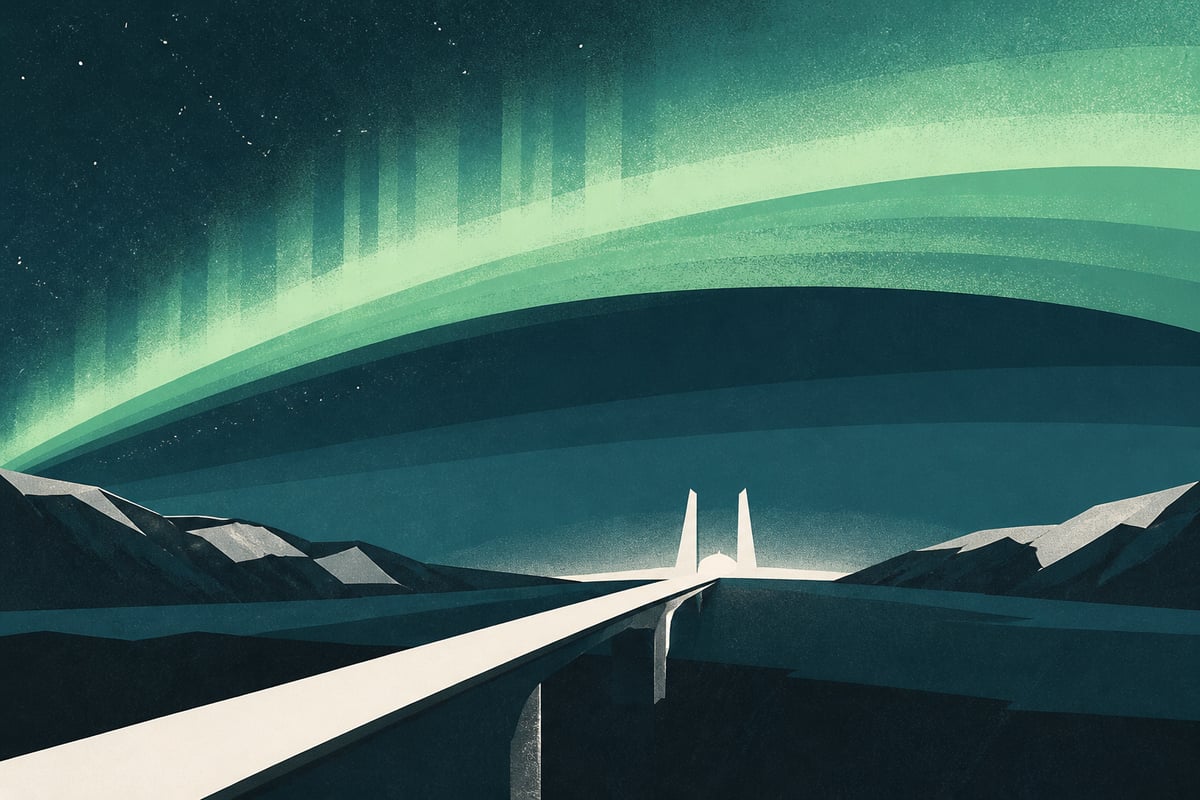
The northern lights have their own link to the mythology. The Norse imagined Bifröst, the burning rainbow bridge between worlds, and some storytellers connect the shimmering sky to that image. Whether or not you believe it, an evening under a green aurora is a fitting way to take in these stories.
Seeing the Northern Lights With a Local Guide
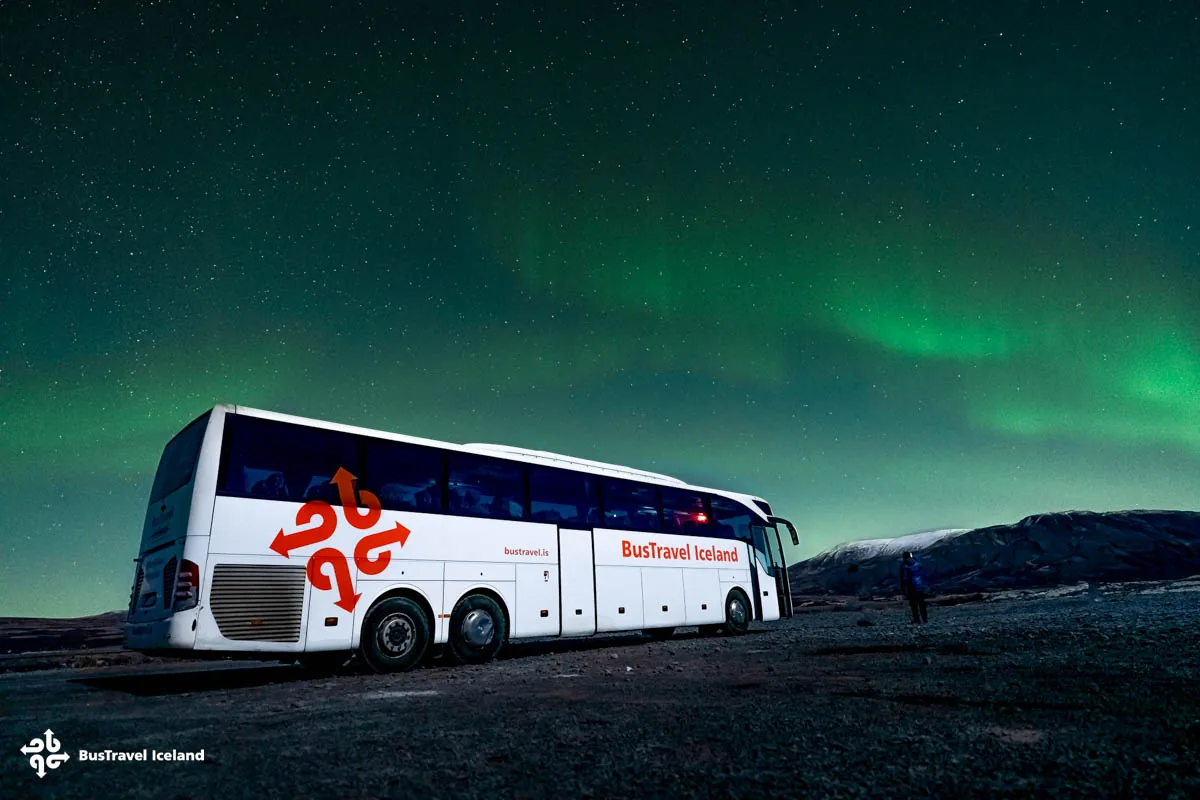
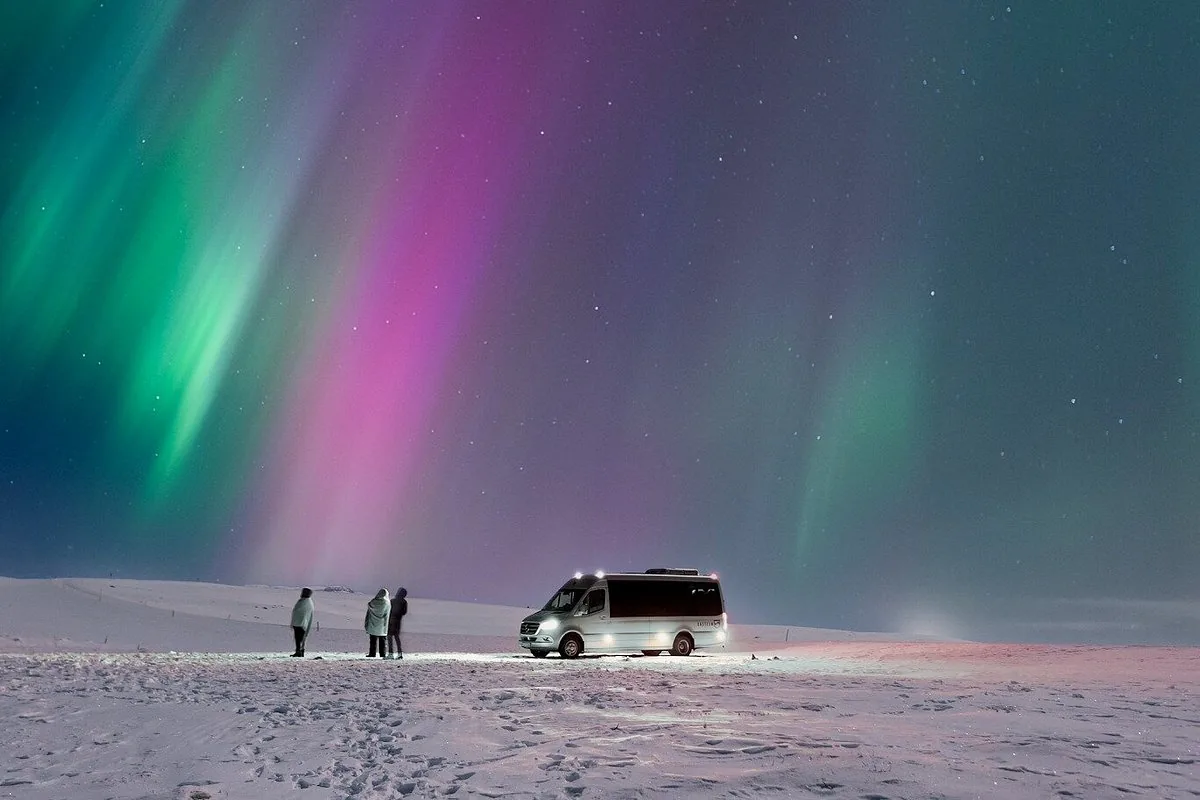
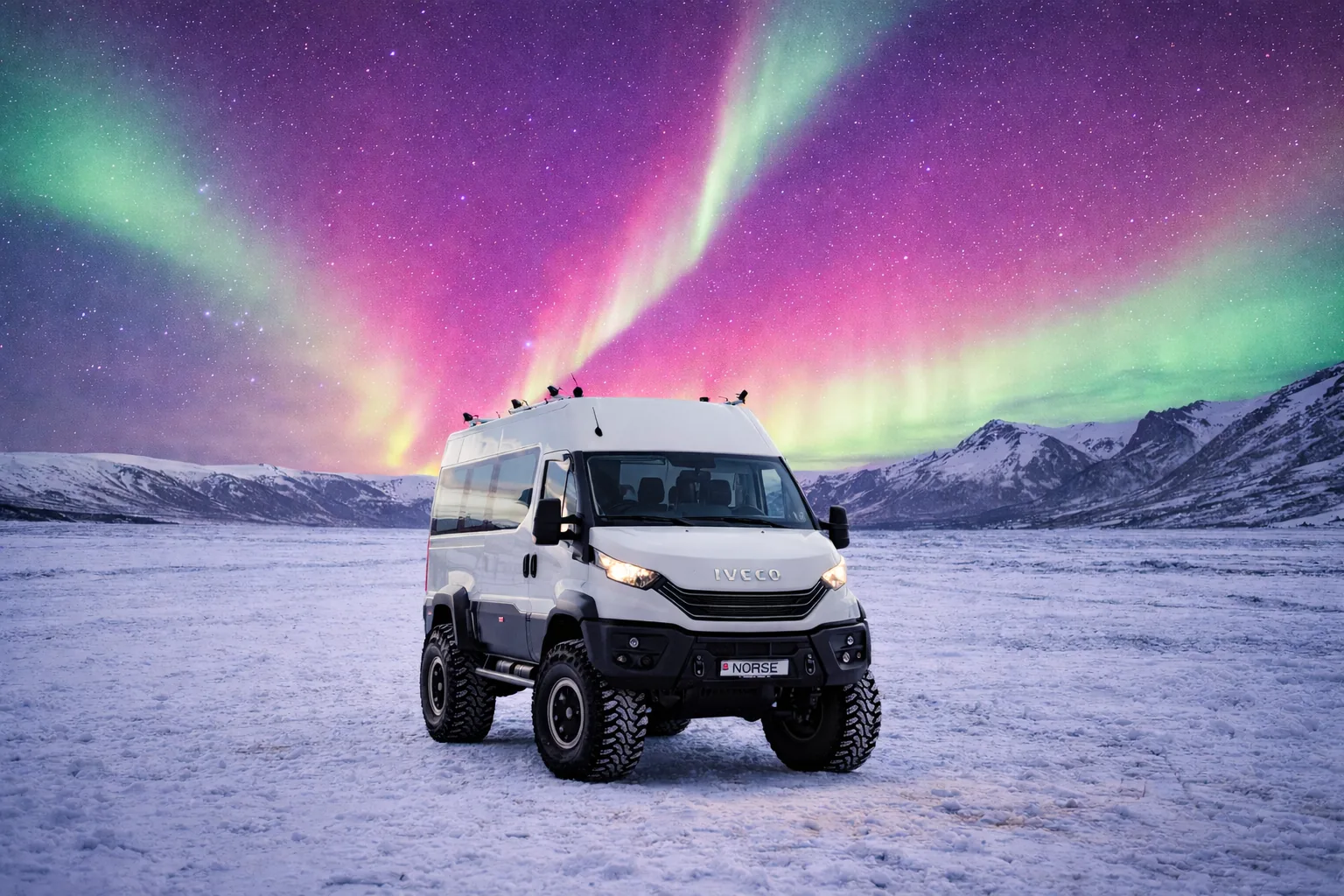
A guided aurora evening gives you local weather knowledge, forecast reading and storytelling in one trip, which matters because the lights depend on clear skies and solar activity. No operator can promise a sighting, but a good guide improves your chances by moving to where the sky is clearest.
| Tour format | Group size | Best suited to |
|---|---|---|
| Coach | Larger group | Visitors comparing price first |
| Minibus | Small group | Small groups wanting a more personal evening |
| Superjeep | Small group | Couples and small groups who want the most intimate setting |
Local guides plan viewing stops around cloud cover and the aurora forecast. The team has more than 10 years of experience and has hosted thousands of guests.
A few practical points help you prepare:
- Check the best time for northern lights in Reykjavik before choosing your dates.
A storyteller-led evening suits a topic like Loki especially well. Out in the dark, with the sky shifting overhead, tales of tricksters, wolves and the end of the world land very differently than they do on a screen.
FAQ
Is Loki a villain or a hero?
Loki is both, depending on the version. In Norse myth he helps the gods many times but ultimately sides against them at Ragnarök. In Marvel he begins as a villain and develops into an antihero, and the Disney+ series makes him its protagonist.
Is Marvel's Loki the same as the Norse god?
No. Marvel borrows the name, the trickster personality and some family links, but changes his parentage, powers and story. The Norse Loki is a blood-brother to Odin and a father of monsters, while the MCU Loki is Odin's adopted son and Thor's brother.
Do you need to watch the Marvel films before the Loki series?
You can start the series without seeing every film, since it recaps Loki's history early on. Watching Thor and The Avengers first gives better context for his character and makes the opening episode more rewarding.