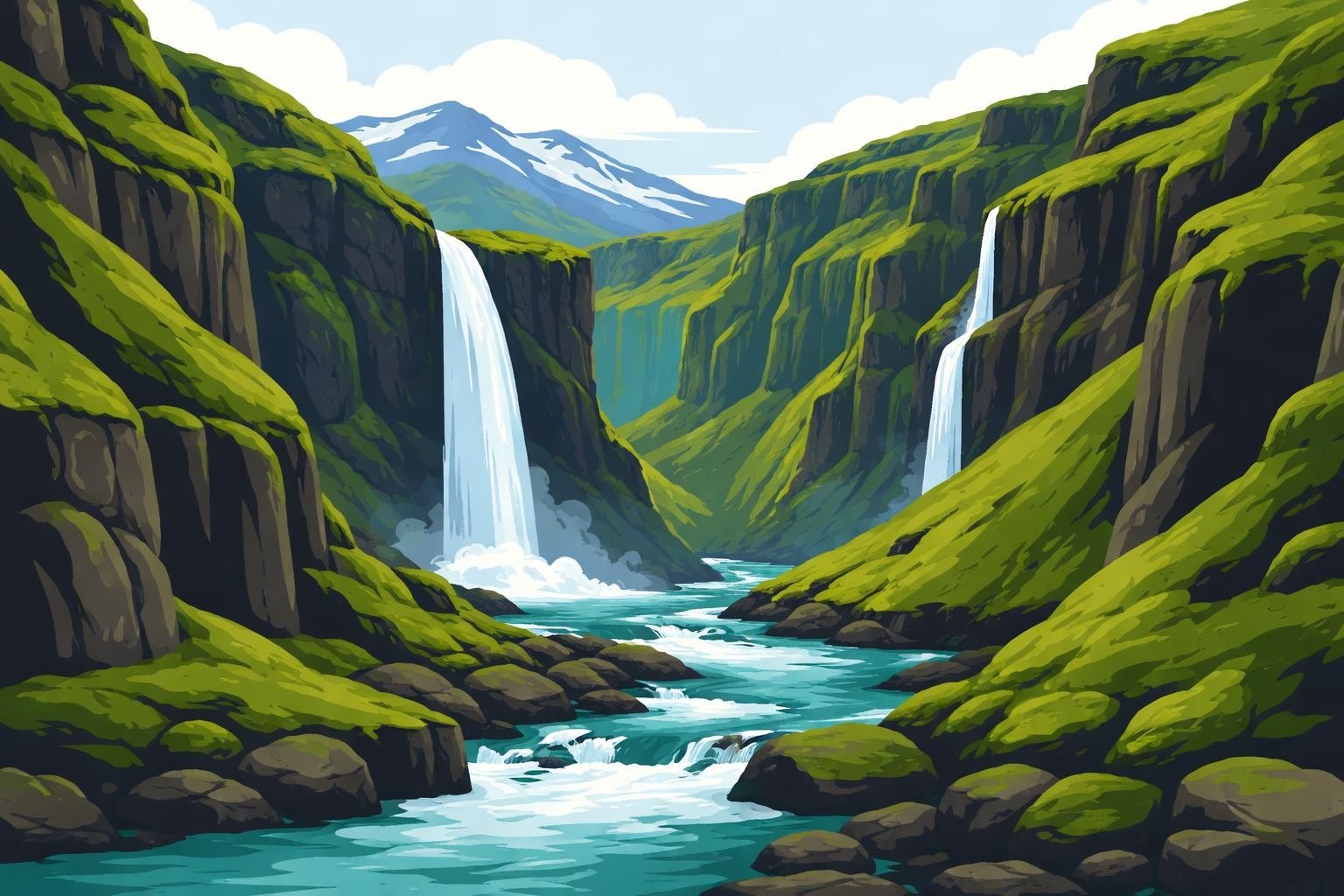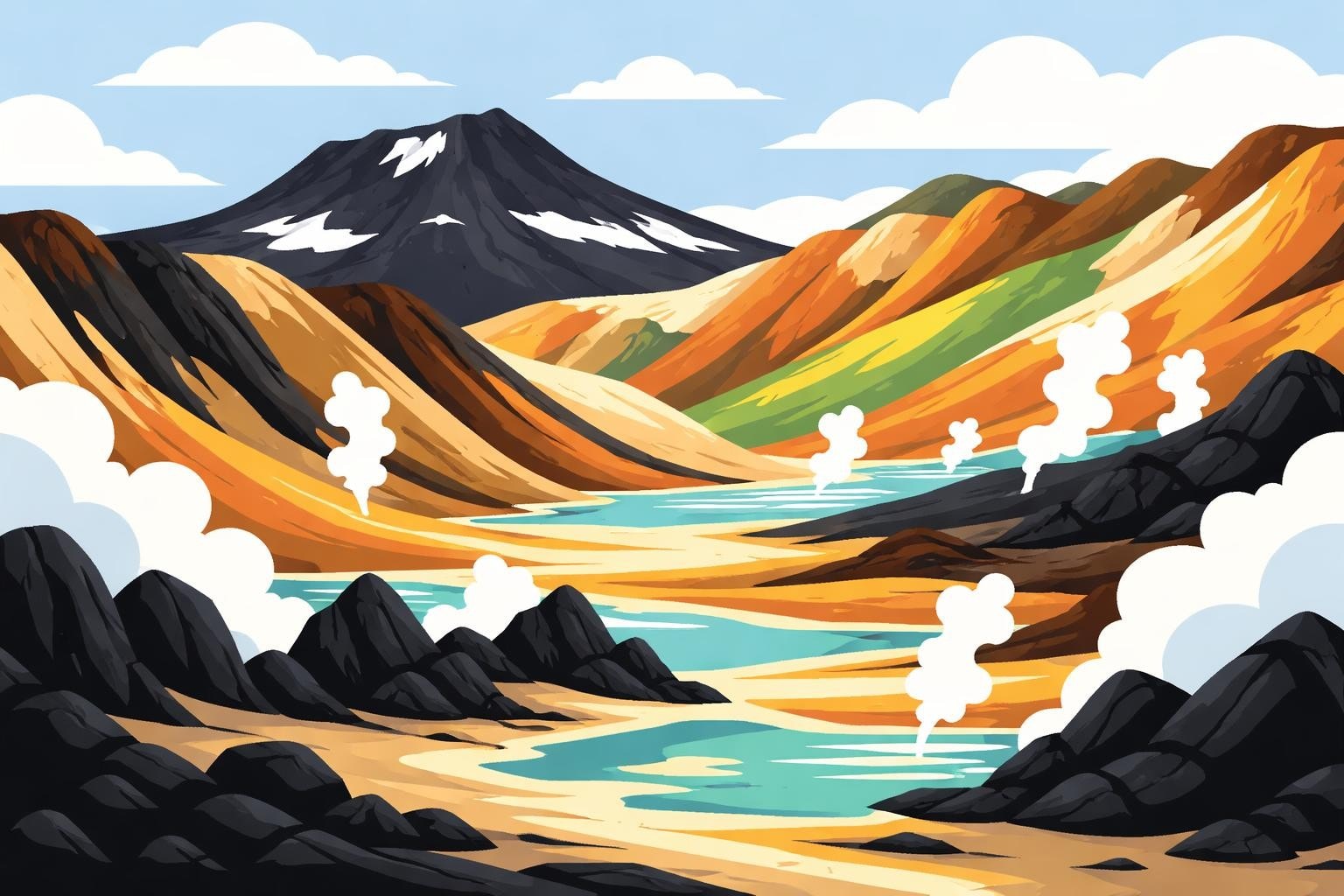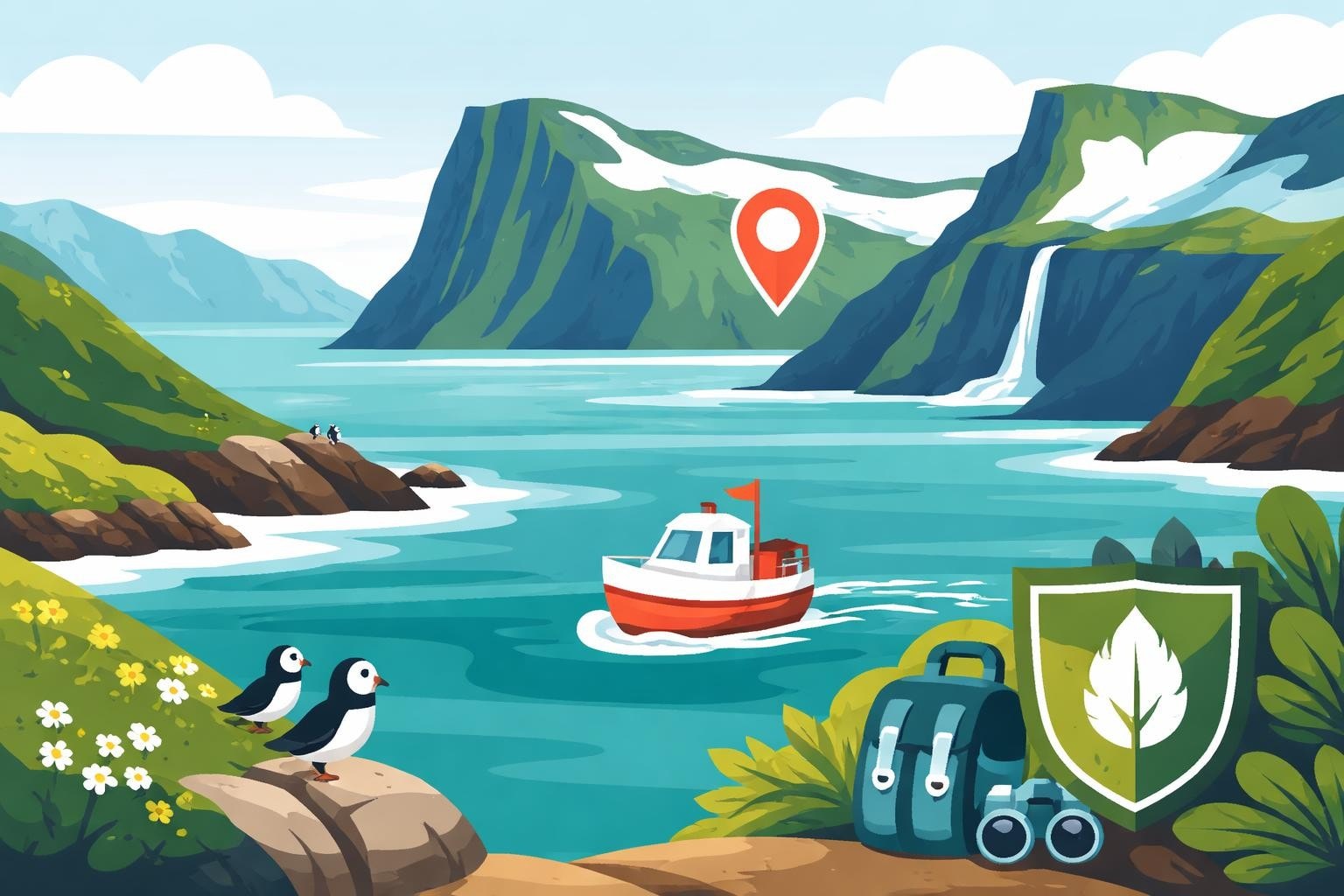
Iceland's remote Westfjords harbor one of Europe's last true wilderness areas, where human footprints remain scarce and Arctic nature thrives undisturbed. Hornstrandir represents the ultimate frontier for travelers seeking authentic wilderness experiences far from Iceland's well-trodden tourist circuits. This former farming region, abandoned in the mid-20th century, has transformed into a pristine nature reserve where Arctic foxes roam freely, dramatic cliffs plunge into icy waters, and silence reigns supreme. Understanding this remote peninsula reveals why adventurous travelers increasingly add it to their Icelandic itineraries, even as they chase the northern lights in more accessible regions.
Understanding Hornstrandir's Unique Geography
The northernmost peninsula of Iceland's Westfjords stretches into the Arctic Circle, creating a landscape defined by extreme isolation and raw natural beauty. Hornstrandir covers approximately 580 square kilometers of protected wilderness, characterized by steep mountain ranges, deep fjords, and coastal cliffs that rise dramatically from the Greenland Sea.
Location and Accessibility Challenges
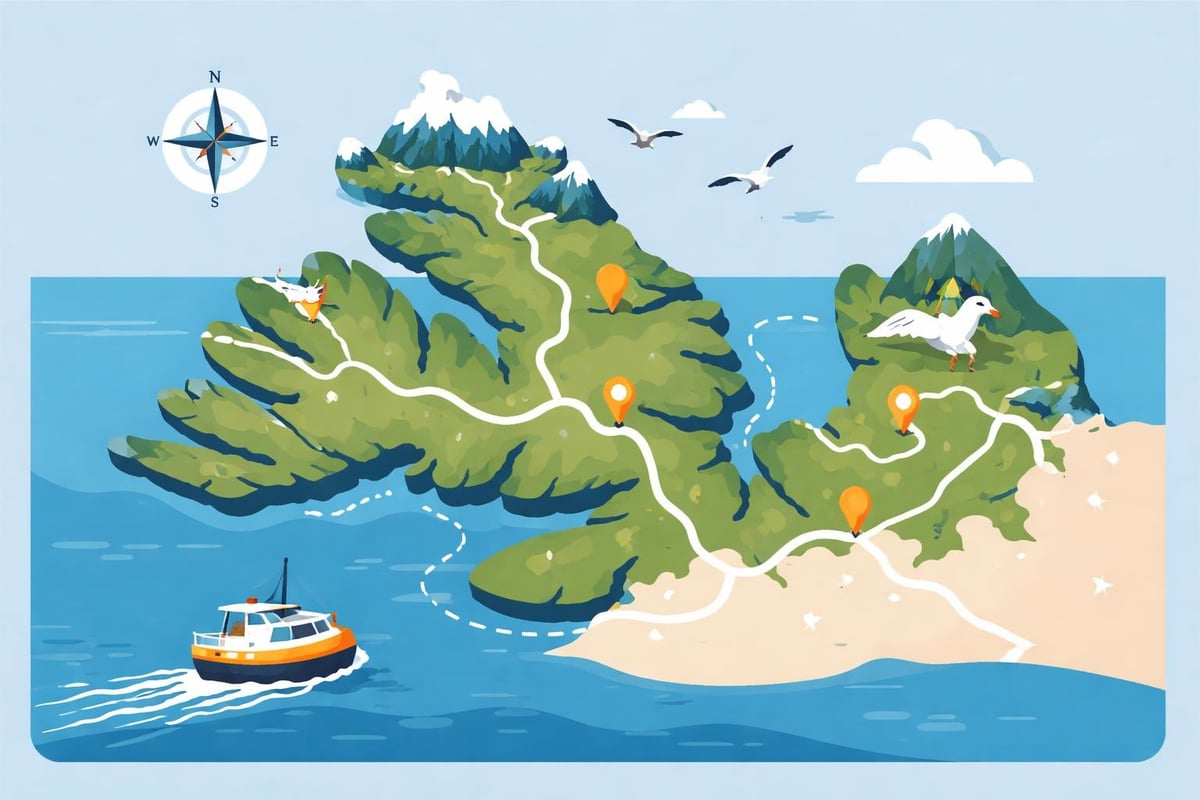
Reaching this remote reserve requires significant planning and commitment. No roads connect Hornstrandir to Iceland's main transportation network, making boat access the only viable option for visitors. Ferry services operate seasonally from Ísafjörður and Bolungarvík, typically between June and August when weather conditions permit safe passage.
The official Visit Westfjords website provides essential planning information for travelers considering this journey. Weather patterns shift rapidly in this northern location, with fog, wind, and rain common even during summer months. Winter access remains virtually impossible for tourists, with darkness, extreme cold, and storm conditions dominating from October through April.
Climate and Seasonal Variations
Arctic influences dominate weather patterns throughout the year. Summer temperatures rarely exceed 12°C (54°F), while winter brings harsh conditions with temperatures frequently dropping below freezing. The region experiences the midnight sun phenomenon from late May through July, providing nearly 24 hours of daylight for summer visitors.
| Season | Temperature Range | Accessibility | Key Features |
|---|---|---|---|
| Summer (June-August) | 5-12°C (41-54°F) | Boat services available | Midnight sun, wildlife activity |
| Autumn (September-October) | 0-8°C (32-46°F) | Limited access | Migration patterns, early snow |
| Winter (November-March) | -5 to 3°C (23-37°F) | Inaccessible | Darkness, extreme weather |
| Spring (April-May) | -2 to 7°C (28-45°F) | Gradually opening | Returning wildlife, ice breakup |
This climatic reality shapes visitor experiences dramatically, concentrating tourism into a brief summer window when conditions allow safe exploration.
Wildlife and Natural Heritage
The absence of permanent human settlement since 1952 has allowed nature to reclaim Hornstrandir completely. This ecological recovery makes the reserve particularly significant for conservation and wildlife observation.
Arctic Fox Population
Iceland's only native land mammal thrives in Hornstrandir's protected environment. The wildlife-focused resources at Wildlife Worldwide highlight how this reserve provides critical habitat for one of Europe's healthiest Arctic fox populations. Unlike other Icelandic regions where foxes face persecution due to livestock concerns, Hornstrandir's fox population lives without human interference.
Photographers and wildlife enthusiasts frequently visit specifically to observe these charismatic animals. Foxes in Hornstrandir show less fear of humans than their counterparts elsewhere in Iceland, often approaching campsites and hiking trails with curiosity rather than caution.
- Den sites cluster in cliffsides and rocky outcrops throughout the reserve
- Summer breeding season provides optimal viewing opportunities from June through August
- Color variations include both white winter coats and blue-gray morphs year-round
- Hunting behavior can be observed as foxes patrol beaches for seabird eggs and marine resources
Seabird Colonies and Marine Life
Towering cliffs provide nesting habitat for millions of seabirds during breeding season. Puffins, guillemots, razorbills, and kittiwakes create cacophonous colonies that transform cliffsides into vertical cities of avian activity.
Gray seals frequent the coastline, hauling out on beaches and rocks throughout the reserve. Whales, including minke and humpback species, often appear in the waters surrounding the peninsula during summer months, following rich feeding grounds along the continental shelf.
Historical Significance and Human Heritage
Understanding Hornstrandir requires acknowledging its human history, which ended relatively recently but left lasting marks on the landscape.
Farming Settlement and Abandonment
For centuries, hardy farmers eked out existences in this challenging environment. Small communities occupied fjord heads and coastal valleys, raising sheep and maintaining subsistence lifestyles in extreme isolation. The harsh climate, difficult communication, and lack of modern amenities eventually proved unsustainable.
The final permanent residents departed in 1952, ending human habitation that had persisted since Iceland's settlement era. Ruins of farmsteads, churches, and community buildings now dot the landscape, slowly returning to nature while serving as poignant reminders of human perseverance.
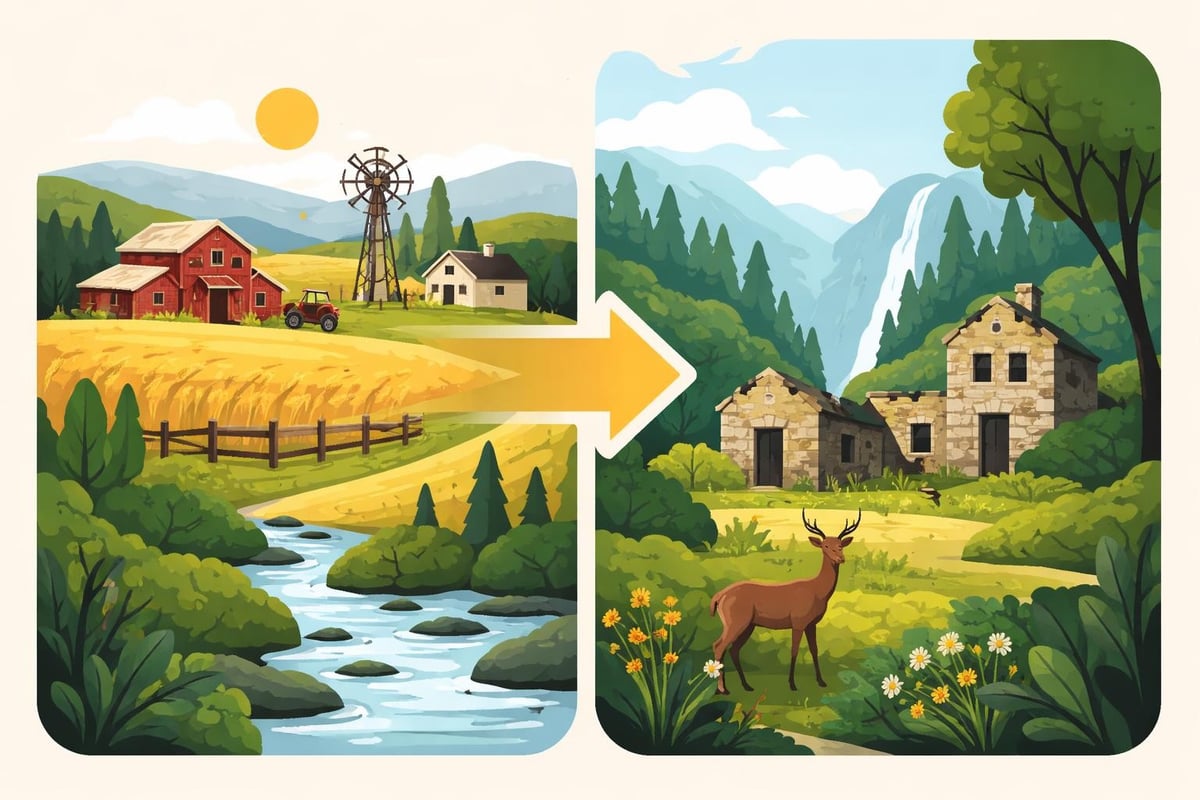
Visitors exploring areas like Hesteyri discover remnants of a once-thriving whaling station and fishing community. Stone walls, collapsed turf houses, and rusted equipment tell stories of isolation and adaptation that characterized life in Iceland's most remote corners.
Hiking and Outdoor Recreation
Hornstrandir draws serious hikers and backpackers seeking multi-day wilderness adventures. The detailed hiking information at Iceland.org outlines trails and preparation requirements essential for safe travel.
Popular Hiking Routes
Several established routes traverse the reserve, ranging from day hikes to week-long expeditions:
- Hesteyri to Aðalvík - A challenging coastal route showcasing dramatic cliffside scenery and Arctic fox habitat (approximately 15 kilometers)
- Hornvík Bay Circuit - Circumnavigating one of Iceland's most spectacular bays with opportunities for wildlife observation (2-3 days)
- Drangajökull Approach - Routes leading toward Iceland's northernmost glacier, offering alpine terrain and ice features (advanced hikers only)
- Furufjörður to Veiðileysufjörður - A traverse crossing mountain passes and descending into protected fjords (3-4 days)
The comprehensive guide at Lonely Planet provides additional context for planning multi-day adventures in this wilderness environment.
Essential Preparation and Safety
Unlike day hikes near Reykjavik or along the popular routes throughout Iceland, Hornstrandir demands complete self-sufficiency. No facilities, emergency services, or rescue infrastructure exists within the reserve.
Required Equipment Includes:
- Four-season tent capable of withstanding high winds
- Complete camping and cooking gear for extended stays
- Water filtration system (streams provide abundant water)
- Detailed topographic maps and compass (GPS recommended as backup)
- Emergency communication device (satellite phone or emergency beacon)
- Complete first aid supplies and emergency shelter
Weather changes occur with minimal warning, transforming sunny conditions into zero-visibility fog within minutes. River crossings present serious challenges, with water levels fluctuating based on recent precipitation and snowmelt.
Conservation and Environmental Regulations
Protected status since 1975 ensures Hornstrandir remains pristine for future generations. The Icelandic Environment Agency enforces strict regulations governing visitor behavior and activities.
Protected Area Guidelines
All visitors must adhere to conservation principles designed to minimize human impact:
- Leave No Trace practices are mandatory, with all waste requiring pack-out
- Camping restrictions limit where tents may be pitched to designated areas or minimum distances from ruins
- Fire bans prohibit campfires throughout the reserve (portable stoves only)
- Wildlife disturbance regulations prevent approaching or feeding animals
- Historical site protection requires leaving all ruins and artifacts undisturbed
| Activity | Regulation | Penalty for Violation |
|---|---|---|
| Waste disposal | Pack out all trash | Fines up to ISK 100,000 |
| Wildlife approach | Minimum 50m distance | Possible prosecution |
| Camping | Designated areas only | Removal from reserve |
| Fire building | Prohibited entirely | Fines and prosecution |
The detailed information at Iceland Travel Guide explains how these regulations protect both the ecosystem and the visitor experience.
Research and Monitoring
Scientific studies conducted in Hornstrandir contribute valuable data about Arctic ecosystems, climate change impacts, and wildlife populations. Researchers monitor Arctic fox populations, seabird breeding success, vegetation changes, and other indicators of environmental health.
This ongoing research helps inform management decisions and provides baseline data for understanding how climate change affects high-latitude ecosystems. Visitors may occasionally encounter research teams conducting fieldwork during summer months.
Connecting Hornstrandir to Broader Iceland Travel
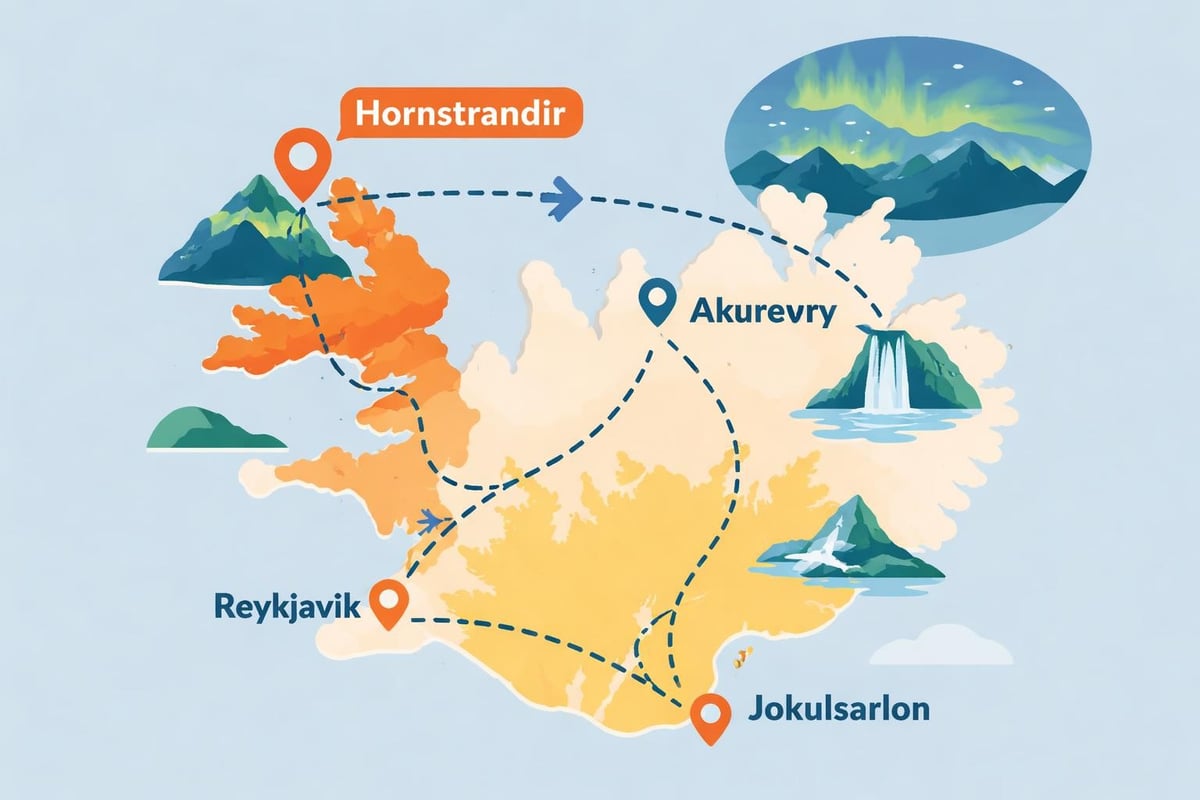
While Hornstrandir represents Iceland's extreme wilderness, it exists within the context of the broader Westfjords region, which offers varied experiences for travelers with different interests and fitness levels.
Planning Multi-Region Itineraries
Travelers often combine Hornstrandir expeditions with other Icelandic experiences. The journey to the Westfjords typically begins in Reykjavik, where most international visitors arrive. Those with limited time might focus on more accessible destinations like the Golden Circle route or southern Iceland attractions.
However, adventurous travelers increasingly recognize that Iceland's remote regions provide experiences fundamentally different from popular tourist sites. The contrast between chasing the northern lights in accessible locations and hiking Hornstrandir's uninhabited wilderness showcases Iceland's remarkable diversity.
Seasonal Considerations for Iceland Travel
Summer visitors to Hornstrandir miss the aurora borealis entirely due to midnight sun conditions. The northern lights appear only during dark months, primarily from September through March, when Hornstrandir becomes inaccessible to casual travelers.
This seasonal split means visitors must choose between summer wilderness adventures and winter aurora experiences. Some dedicated Iceland enthusiasts return multiple times to experience different seasonal highlights, while others select their travel timing based on primary interests.
Practical Logistics and Tour Options
Independent Travel Versus Guided Expeditions
Experienced wilderness travelers often tackle Hornstrandir independently, arranging boat transport and navigating using maps and GPS. This approach offers maximum flexibility but requires substantial outdoor skills and complete self-reliance.
Guided expeditions provide safer alternatives for those lacking wilderness experience. Several operators based in Ísafjörður offer multi-day hiking tours with experienced guides who handle logistics, navigation, and safety management. These tours typically include:
- Boat transportation to and from the reserve
- Guide services throughout the expedition
- Group camping equipment (tents, cooking gear)
- Route planning and navigation
- Emergency communication and safety protocols
Cost Considerations
Visiting Hornstrandir involves significant expenses beyond typical Iceland travel costs:
Estimated Budget Breakdown:
- Boat transport (round-trip): ISK 15,000-25,000 per person
- Guided tour (5-7 days): ISK 150,000-250,000 per person
- Independent gear rental: ISK 10,000-20,000 for complete kit
- Food and supplies: ISK 8,000-15,000 per person per week
These costs position Hornstrandir as a premium wilderness experience, attracting serious outdoor enthusiasts rather than casual tourists seeking convenient Iceland adventures.
Best Time to Visit and Optimal Conditions
Summer Season Advantages
The brief summer window from mid-June through mid-August offers the most favorable conditions. Daylight extends nearly 24 hours, maximizing hiking time and providing flexibility for weather delays. Wildlife activity peaks during breeding seasons, with seabird colonies at maximum occupancy and Arctic fox kits emerging from dens.
Wildflowers bloom across the tundra landscape, transforming the austere environment with surprising color. Purple lupine, yellow buttercups, and delicate Arctic flora create displays that contrast dramatically with the rugged terrain.
Weather Variability
Even optimal summer conditions include challenges. Visitors should expect:
- Rain on 50-70% of days (even if brief)
- Fog reducing visibility without warning
- Wind gusting above 30 mph regularly
- Temperature fluctuations requiring layered clothing systems
The background information at Wikipedia provides additional context about climatic patterns and geographic factors influencing weather in this northernmost region.
Cultural and Philosophical Significance
Beyond physical challenges and natural beauty, Hornstrandir holds deeper meaning in Icelandic consciousness. The abandoned settlements represent both the resilience and limitations of human habitation in extreme environments.
Wilderness Values in Modern Iceland
Iceland's rapid modernization and tourism growth have sparked conversations about wilderness preservation and authentic experiences. Hornstrandir exemplifies landscapes that resist commodification, remaining genuinely wild rather than curated for visitor convenience.
This authentic wilderness attracts travelers seeking alternatives to Instagram-famous locations crowded with tour buses. The commitment required to reach Hornstrandir ensures visitor numbers remain sustainable and that those who arrive genuinely appreciate the environment's significance.
Connecting to Iceland's Broader Identity
Just as Icelandic folklore and mythology reflect relationships between humans and dramatic landscapes, Hornstrandir embodies the ongoing conversation between civilization and wild nature. The reserve demonstrates that some places thrive best without permanent human presence, serving essential ecological and spiritual functions precisely because they remain untamed.
Photography and Documentation Opportunities
Professional and amateur photographers prize Hornstrandir for its unique light, wildlife subjects, and dramatic landscapes. The combination of midnight sun, Arctic atmosphere, and pristine conditions creates exceptional opportunities for nature photography.
Subject Matter and Approaches
- Wildlife photography focusing on Arctic foxes in natural behavior
- Landscape compositions capturing fjords, cliffs, and mountain ranges
- Ruins documentation preserving images of disappearing historical structures
- Bird photography during active breeding colonies
- Macro work highlighting Arctic flora and small-scale details
The extended daylight hours allow photographers to work during typically "off" hours, capturing subjects in soft light that would be unavailable elsewhere. The lack of light pollution means clear nights occasionally offer aurora opportunities during shoulder seasons, though these remain rare given the brief darkness periods.
Hornstrandir stands as Iceland's premier wilderness destination, offering experiences that test endurance while rewarding commitment with unforgettable encounters in pristine Arctic environments. Whether you're drawn to wildlife observation, challenging multi-day hikes, or the solitude of truly remote landscapes, this nature reserve delivers authenticity impossible to find in more accessible locations. While your Hornstrandir adventure unfolds during summer months, consider extending your Icelandic journey into darker seasons to witness another natural wonder. Reykjavik Northern Lights specializes in aurora borealis experiences with expert guides, live sky routing, and multiple tour options designed to maximize your chances of witnessing the dancing lights that illuminate Iceland's winter skies.