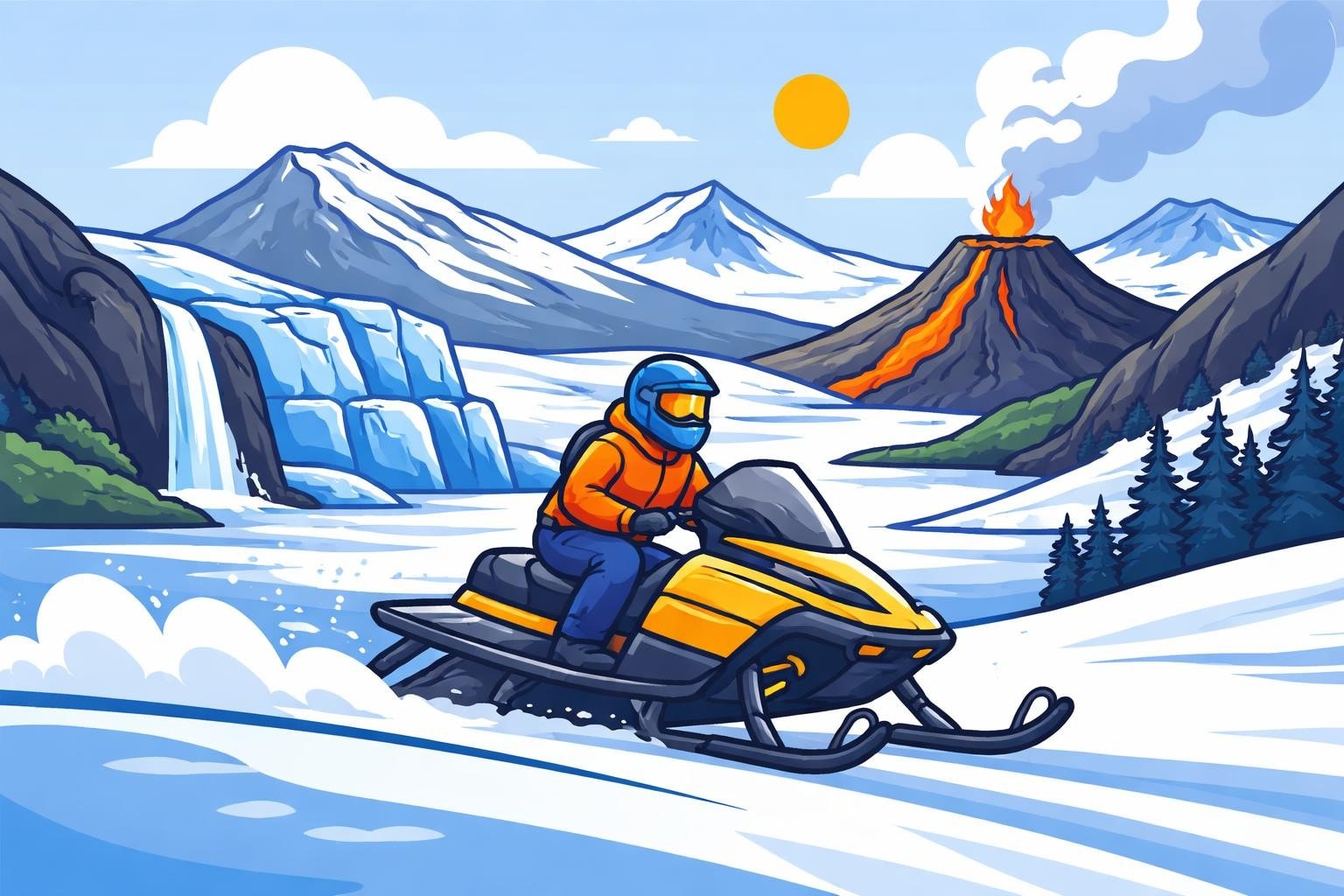
Iceland's dramatic winter landscape transforms into an adventure playground for thrill-seekers and nature enthusiasts alike. When exploring snowmobile iceland opportunities, travelers discover pristine glaciers, volcanic plains, and remote highlands accessible only during winter months. This specialized form of Arctic exploration combines adrenaline-pumping adventure with Iceland's unique geological wonders, creating experiences that remain etched in memory long after the journey ends. From navigating Europe's largest glacier to racing across ancient lava fields, snowmobiling reveals Iceland's winter beauty in ways few other activities can match.
Why Choose Snowmobiling in Iceland
Iceland offers snowmobiling conditions found nowhere else on Earth. The country's unique position on the Mid-Atlantic Ridge creates a geological wonderland where fire and ice meet, resulting in terrain that challenges and excites riders of all skill levels.
Access to Restricted Terrain
Glacier access represents the primary appeal for most visitors. Several massive ice caps dominate Iceland's interior, and snowmobiles provide the safest, most efficient method to explore these frozen expanses. Langjökull, Iceland's second-largest glacier, hosts multiple tour operators who navigate marked routes across its vast white wilderness.
The highlands remain completely inaccessible by standard vehicles during winter. Snowmobiles open these remote regions to exploration, revealing:
- Untouched volcanic landscapes covered in pristine snow
- Frozen crater lakes and geothermal areas
- Mountain passes that summer visitors never experience
- Wildlife viewing opportunities in their natural winter habitat
Year-Round Glacier Riding
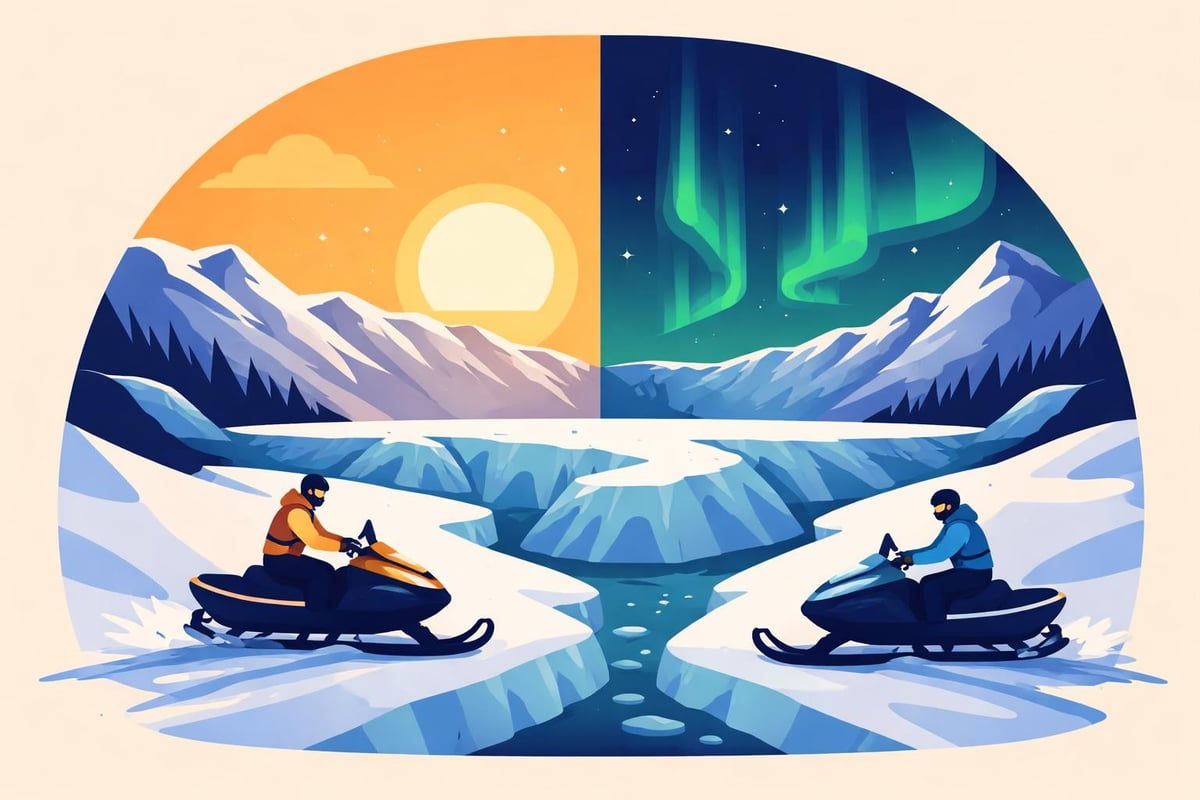
Unlike many winter sports destinations, snowmobile iceland adventures operate throughout the year. Summer glacier riding provides a surreal contrast, where riders wear light layers while surrounded by ice and snow. Winter tours offer the chance to combine snowmobiling with northern lights viewing, creating dual-purpose adventures that maximize limited daylight hours.
Top Snowmobiling Locations
Iceland's diverse geography provides multiple distinct snowmobiling environments. Each location offers unique characteristics that appeal to different rider preferences and experience levels.
Langjökull Glacier
Langjökull stretches across 360 square miles, making it the most accessible major glacier for snowmobile tours. Located between the Golden Circle and West Iceland, tour operators depart from both Reykjavik and regional staging areas.
| Feature | Details |
|---|---|
| Elevation Range | 400-1,450 meters above sea level |
| Typical Tour Duration | 1-3 hours on glacier |
| Skill Level Required | Beginner to advanced options |
| Best Months | Year-round, peak December-March |
The glacier's relatively gentle terrain suits first-time riders while still offering challenging routes for experienced snowmobilers. Clear days provide panoramic views stretching to the highlands and coastal areas.
Mýrdalsjökull Glacier
Southern Iceland's Mýrdalsjökull covers the active Katla volcano, creating unique riding conditions where geothermal heat occasionally melts surface ice. This glacier requires more technical skill due to variable conditions and steeper terrain sections.
Experienced riders appreciate Mýrdalsjökull for its dramatic scenery and proximity to black sand beaches. Tours often combine snowmobiling with visits to nearby waterfalls and ice caves, maximizing the adventure quotient for those traveling from Reykjavik.
Vatnajökull Glacier
Europe's largest glacier by volume offers the most extensive snowmobiling territory. Multiple access points around its perimeter allow tours from different regions, though eastern and southeastern staging areas remain most popular.
Advanced riders seeking multi-day expeditions find Vatnajökull's vast expanse ideal for extended exploration. The glacier's size and complexity demand experienced guides familiar with constantly changing ice conditions. Safety considerations on Vatnajökull exceed other locations due to its scale and active volcanic systems beneath the ice.
Planning Your Snowmobile Adventure
Successful snowmobile iceland experiences require careful planning that accounts for weather, logistics, and personal preparation. Iceland's rapidly changing conditions demand flexibility and realistic expectations.
Booking Considerations
Tour selection should match your experience level and physical fitness. Most operators categorize tours as:
- Beginner tours: Short duration (1-2 hours), gentle terrain, comprehensive instruction included
- Intermediate excursions: Extended glacier time (2-3 hours), some challenging terrain, basic experience helpful
- Advanced expeditions: Full-day adventures, technical routes, previous snowmobile experience required
Peak season (December through March) sees highest demand, particularly around holidays. Booking 2-3 weeks ahead ensures availability during these periods. Summer glacier tours offer more spontaneous booking options, though popular dates still fill quickly.
What to Wear
Layering proves essential for snowmobile iceland comfort. Base temperatures range from -10°C to +5°C depending on season and elevation, but wind chill while riding drops perceived temperatures significantly.
- Base layer: Thermal underwear (wool or synthetic, never cotton)
- Mid layer: Fleece or down insulation
- Outer layer: Tour operators typically provide waterproof suits and helmets
- Extremities: Warm gloves, thick socks, face covering for wind protection
- Footwear: Insulated waterproof boots (tour providers often supply overboots)
Most reputable operators include necessary outerwear in tour pricing. Verify what equipment tours provide versus what you must bring when booking.

Safety and Regulations
Iceland maintains strict safety standards for snowmobile operations, protecting both riders and the fragile Arctic environment. Understanding these requirements ensures smoother experiences and demonstrates respect for local regulations.
Licensing Requirements
Anyone born after 1985 must hold a valid driver's license to operate a snowmobile in Iceland. International visitors can use their home country license, though tour operators verify documentation before departing. Two riders can share a snowmobile, with one passenger riding behind the driver.
Age restrictions vary by tour operator but generally require:
- Drivers: Minimum 17 years old with valid license, or 18+ for some glacier tours
- Passengers: Usually 5-6 years minimum, though some operators set higher age limits for safety
Environmental Guidelines
The Environment Agency of Iceland establishes protected area boundaries and usage rules that all tour operators must follow. Snowmobiling outside designated routes damages fragile vegetation and disturbs wildlife, resulting in significant fines.
Responsible tour companies adhere to environmental best practices including:
- Staying exclusively on marked glacier routes and approved trails
- Maintaining appropriate distances from geothermal areas
- Minimizing noise pollution near wildlife habitats
- Following leave-no-trace principles for all waste
Weather and Road Conditions
Iceland's weather changes rapidly, sometimes within minutes. SafeTravel.is offers essential safety guidelines and real-time alerts for outdoor activities, including current conditions affecting snowmobile tours.
Before any trip, check current road conditions to ensure access routes remain open. Winter storms can close highland roads for days, preventing access to glacier staging areas. Reputable tour operators monitor conditions constantly and reschedule tours when safety concerns arise.
Combining Snowmobiling with Northern Lights
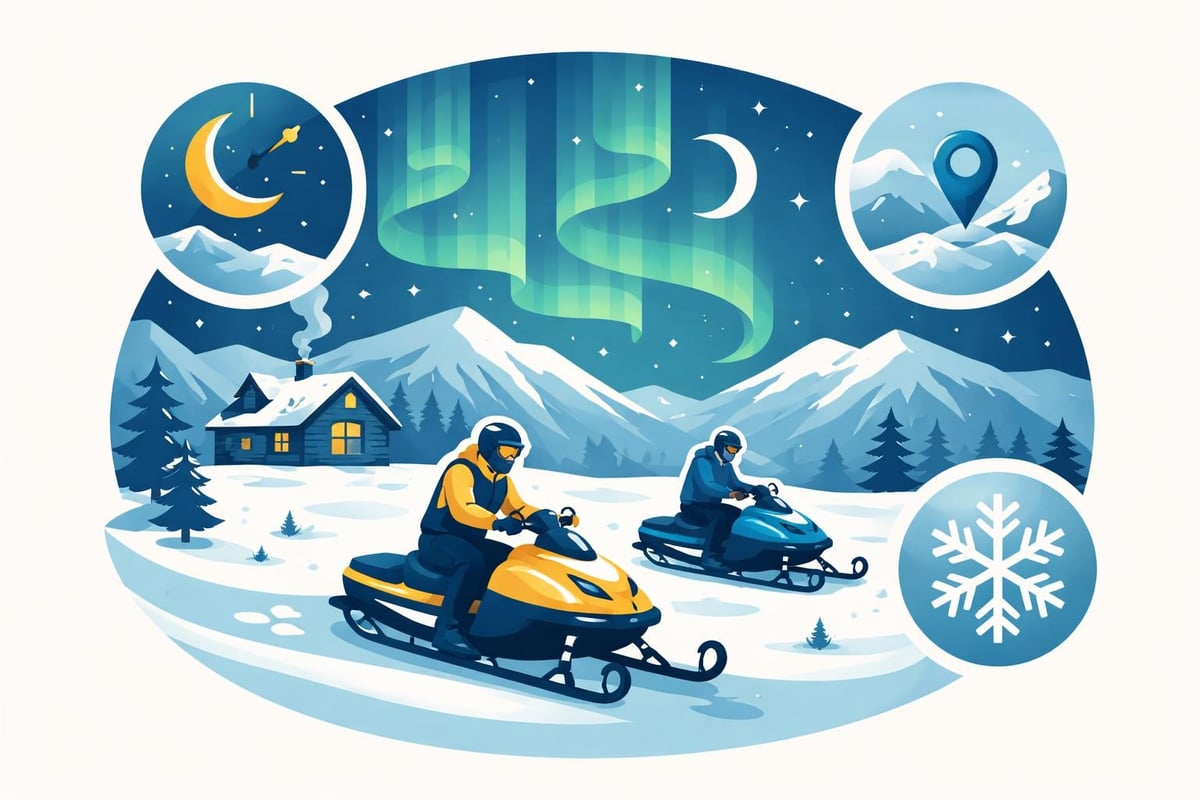
Winter snowmobile iceland adventures pair perfectly with aurora hunting. The remote locations accessed by snowmobile often provide darker skies than coastal areas, increasing northern lights visibility on clear nights.
Evening and Night Tours
Specialized evening departures time glacier access with peak aurora hours. These tours typically begin in late afternoon, allowing riders to reach remote locations before darkness falls. Experienced guides monitor aurora forecasts and cloud cover, positioning groups in optimal viewing areas.
Multi-activity packages combine daytime snowmobiling with separate northern lights tours, maximizing winter adventure opportunities. This approach allows dedicated focus on each activity rather than compromising either experience.
| Tour Type | Advantages | Considerations |
|---|---|---|
| Combined Tours | Single booking, coordinated logistics | Less time for each activity |
| Separate Tours | Optimal timing for each, specialized guides | More planning required |
| Evening Departures | Potentially see aurora while snowmobiling | Weather-dependent, limited glacier time |
Best Months for Dual Experiences
September through March provides aurora visibility, with December through February offering longest darkness periods. January and February combine peak aurora activity with stable winter conditions, making them ideal for visitors seeking both experiences.
Consider staying multiple nights near tour departure points. This flexibility allows rescheduling if weather cancels tours, increasing chances of completing both snowmobile and aurora experiences. Many visitors exploring adventure tours in Iceland find three to four days minimum provides adequate buffer time.
What to Expect on Tour Day
Understanding typical tour structure helps set realistic expectations and maximizes enjoyment of your snowmobile iceland experience.
Pre-Tour Briefing
Professional operators dedicate significant time to safety instruction before anyone touches a snowmobile. Expect 15-30 minutes covering:
- Snowmobile operation basics (throttle, brake, steering)
- Hand signals for group communication
- Emergency procedures and guide contact methods
- Environmental rules and designated route boundaries
- Group formation and spacing requirements
Practice sessions on flat terrain allow riders to develop comfort before accessing challenging areas. Guides assess rider competency during this phase and may adjust group arrangements based on observed skill levels.
On the Glacier
Travel to glacier access points varies by tour. Some operators use super jeeps for staging area transfers, while others arrange transport in standard buses or vans. The journey itself often provides scenic value, passing waterfalls, lava fields, and mountain vistas.
Once on the glacier, groups typically ride in single file following an experienced guide. A sweep guide brings up the rear, ensuring no one falls behind and assisting with any mechanical or rider issues. Scheduled photo stops allow participants to capture memories and rest between riding segments.
Duration and Distance
Tour descriptions specify glacier time versus total tour time. A "two-hour snowmobile tour" might include:
- 30-45 minutes transfer to glacier
- 15 minutes safety briefing and gear fitting
- 60-75 minutes actual riding time
- 30-45 minutes return transfer
Confirm exact breakdown when booking to ensure expectations align with reality. Actual riding distance varies based on conditions, route difficulty, and group pace, typically covering 15-30 kilometers on glacier surface.
Costs and Value Considerations
Snowmobile iceland tours represent significant investment compared to other activities. Understanding pricing factors helps assess value and choose appropriate options.
Pricing Structure
Standard glacier snowmobile tours in 2026 range from $150-$400 per person depending on:
- Duration: Longer tours cost more, though per-hour rates often decrease
- Group size: Private tours command premium pricing (2-4x standard rates)
- Included services: Transportation from Reykjavik adds $50-80 per person
- Season: Peak winter months sometimes carry surcharges
- Equipment: Tours including photography services or premium gear cost more
Two-person snowmobile sharing reduces per-person costs compared to single-rider machines. Most operators price both options, allowing flexibility based on preference and budget.
What's Included
Reputable tour packages should include:
- Professional guide services and safety briefing
- Snowmobile and helmet rental
- Waterproof outer gear (suit, gloves, boots)
- Basic insurance coverage
- Photo stops and basic photography assistance
Additional costs might include transportation if not included, food and beverages, and gratuities for exceptional guide service (10-15% customary for outstanding experiences).
Comparing Tour Operators
Research multiple providers before booking. Key evaluation criteria include:
| Factor | Why It Matters |
|---|---|
| Safety record | Operator experience directly impacts risk management |
| Group size limits | Smaller groups receive more individual attention |
| Guide qualifications | Experienced guides enhance safety and educational value |
| Equipment age | Modern, well-maintained snowmobiles provide better experiences |
| Cancellation policy | Weather-dependent activities need flexible rebooking |
Reading recent reviews reveals actual customer experiences versus marketing promises. Look for patterns in feedback rather than focusing on isolated complaints or praise.
Beyond Basic Tours
Experienced snowmobilers seeking more than standard glacier circuits find specialized options throughout Iceland.
Multi-Day Expeditions
Advanced riders can book multi-day highland crossings that traverse volcanic deserts and connect multiple glaciers. These expeditions require:
- Previous snowmobile experience: Multi-hour daily riding demands physical fitness and riding competence
- Cold weather camping tolerance: Accommodations range from basic mountain huts to winter camping
- Flexibility: Weather can force route changes or delays at any point
Few operators offer these specialized experiences, and they typically run only during March and April when conditions stabilize but daylight extends. Expect costs exceeding $2,000 per person for 3-4 day expeditions.
Photography-Focused Tours
Specialized tours cater to photographers seeking optimal shooting conditions. These experiences prioritize:
- Strategic timing for best light (golden hour, blue hour)
- Unique vantage points and compositions
- Extended time at prime locations
- Smaller group sizes to reduce crowding
Guides on photography tours understand camera needs and allow participants time to set up tripods, adjust settings, and capture multiple compositions. These tours cost 25-40% more than standard options but deliver significantly better photographic opportunities.
Combination Adventures
Package tours bundle snowmobiling with complementary activities, creating comprehensive winter experiences. Popular combinations include:
- Glacier hiking and snowmobiling on the same ice cap
- Ice cave exploration followed by glacier riding
- Superjeep tours accessing remote snowmobile starting points
- Helicopter transfers to isolated glaciers for exclusive riding
These packages appeal to travelers maximizing limited Iceland time, though independent booking of separate tours sometimes provides better value and scheduling flexibility.
Accessibility and Physical Requirements
While snowmobile iceland tours accommodate various fitness levels, realistic assessment of physical capabilities ensures enjoyable experiences.
Physical Demands
Operating a snowmobile requires:
- Upper body strength: Steering through snow demands continuous arm and shoulder engagement
- Core stability: Maintaining balance over uneven terrain uses core muscles extensively
- Leg strength: Positioning on the machine and bracing during maneuvers works leg muscles
- Endurance: Multi-hour tours test stamina, particularly in cold conditions
Most healthy adults handle standard tours without difficulty, though expect muscle soreness the following day if unaccustomed to similar activities. Shorter introductory tours allow gauging personal tolerance before committing to extended experiences.
Limitations and Alternatives
Certain medical conditions or physical limitations may restrict snowmobiling participation. Tour operators typically require disclosure of:
- Pregnancy (usually prohibited after first trimester)
- Recent back, neck, or joint injuries
- Heart conditions or blood pressure issues
- Severe respiratory problems
Alternative glacier experiences for those unable to snowmobile include:
- Super jeep tours to glacier viewpoints
- Ice cave tours accessing glacier interiors on foot
- Glacier hiking with qualified guides and safety equipment
- Aerial tours providing glacier views from helicopters or small planes
Discussing specific concerns with tour operators before booking prevents disappointment and ensures appropriate activity selection.
Making the Most of Your Experience
Small preparation details and mindset adjustments significantly enhance snowmobile iceland adventures.
Pre-Trip Preparation
Physical conditioning helps, though extensive training isn't necessary for standard tours. Light cardiovascular exercise and basic strength training in the weeks before travel improve stamina and recovery. Visitors coming from sea level should allow a day to adjust before high-altitude glacier tours.
Research basic snowmobile operation if completely unfamiliar with powered recreational vehicles. Understanding throttle, brake, and steering concepts before arrival maximizes briefing time effectiveness. Numerous online tutorials demonstrate basic techniques, though tour guides provide all necessary instruction.
During the Tour
Focus on the experience rather than constant photo documentation. While capturing memories matters, many riders spend so much time filming that they miss actually experiencing the moment. Designated photo stops provide dedicated opportunities for documentation without compromising riding safety or enjoyment.
Follow guide instructions precisely. Experienced guides understand glacier conditions and group dynamics. Riders who lag behind, skip ahead, or deviate from instructions compromise group safety and diminish everyone's experience. Driving in Iceland requires similar attention to safety guidelines and local regulations.
Post-Tour Reflection
Allow time after intense activities for rest and recovery. Many visitors schedule demanding adventures back-to-back, leading to exhaustion and reduced enjoyment. Consider following your snowmobile experience with lighter activities like visiting Reykjavik's best restaurants or exploring the city's cultural attractions.
Share feedback with tour operators. Constructive comments help companies improve experiences, while positive reviews support quality operators who prioritize safety and customer satisfaction. Detailed reviews assist future visitors in selecting appropriate tours for their interests and abilities.
Regional Variations and Seasonal Differences
Iceland's snowmobiling landscape varies dramatically by region and season, each offering distinct characteristics and appeal.
South Iceland Focus
Southern glaciers provide easiest access from Reykjavik, making them most popular for day-trippers. Proximity to other major attractions like waterfalls and black sand beaches allows comprehensive itineraries. However, this accessibility means larger tour groups and more crowded glacier routes during peak season.
Weather patterns in South Iceland bring milder temperatures but increased precipitation compared to northern regions. This creates frequent wet snow conditions requiring specific equipment and riding techniques.
North Iceland Options
Northern snowmobiling remains less developed tourism-wise, offering more isolated experiences. Fewer operators mean smaller tour groups and less congested glacier access, though transportation from Reykjavik becomes impractical for day trips.
Visitors exploring northern Iceland often combine snowmobiling with waterfall visits and geothermal areas unique to the region. The area's position farther from major population centers provides darker skies for aurora viewing.
Seasonal Character Changes
Winter snowmobiling (November through March) offers:
- Darker conditions ideal for potential northern lights viewing
- Colder temperatures creating firmer snow conditions
- Shorter daylight limiting tour scheduling options
- More dramatic weather requiring greater flexibility
Summer glacier riding (May through September) provides:
- Midnight sun extending riding hours
- Warmer temperatures requiring less heavy clothing
- More stable weather patterns
- Unique contrast of ice against green valleys
Neither season proves definitively superior. The choice depends on whether you prioritize aurora possibilities, prefer warmer conditions, or want to experience Iceland's unique summer light.
Snowmobiling across Iceland's glaciers delivers unmatched adventure, combining technical thrills with spectacular Arctic scenery accessible no other way. The experiences range from beginner-friendly introductions to multi-day expeditions challenging even experienced riders. When you're ready to explore Iceland's winter wonders, Reykjavik Northern Lights offers comprehensive tour options that can include aurora viewing alongside your glacier adventures, ensuring you maximize your Arctic experience with expert local guides and personalized service.